High-Performance Hardening And Tempering Furnace Solutions for Precision Heat Treatment Applications
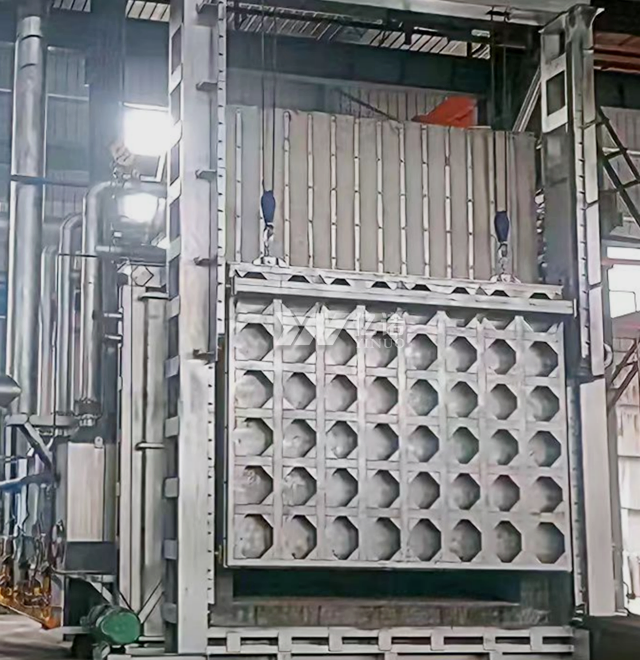
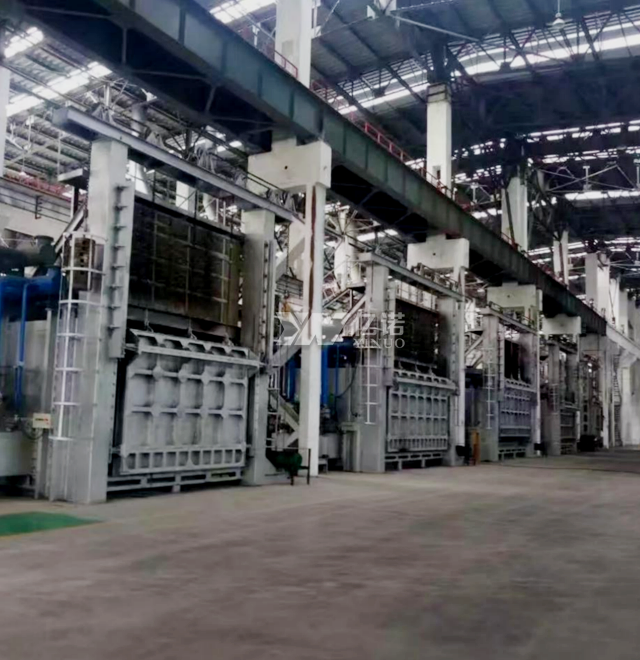
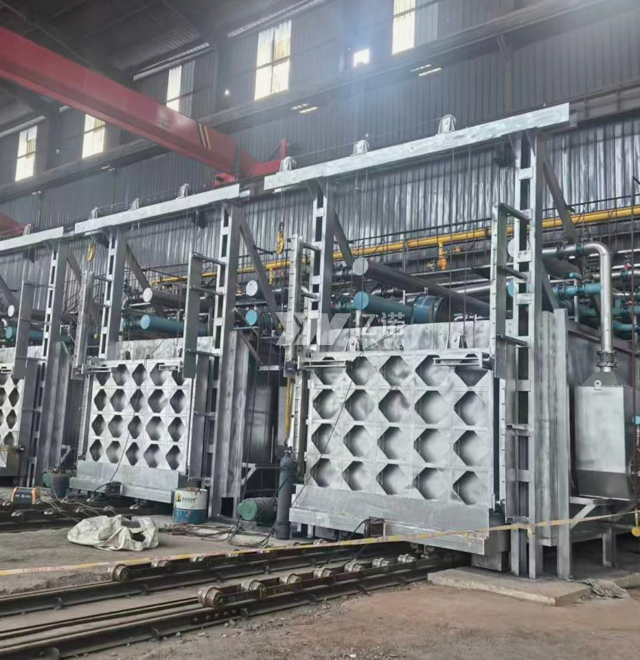
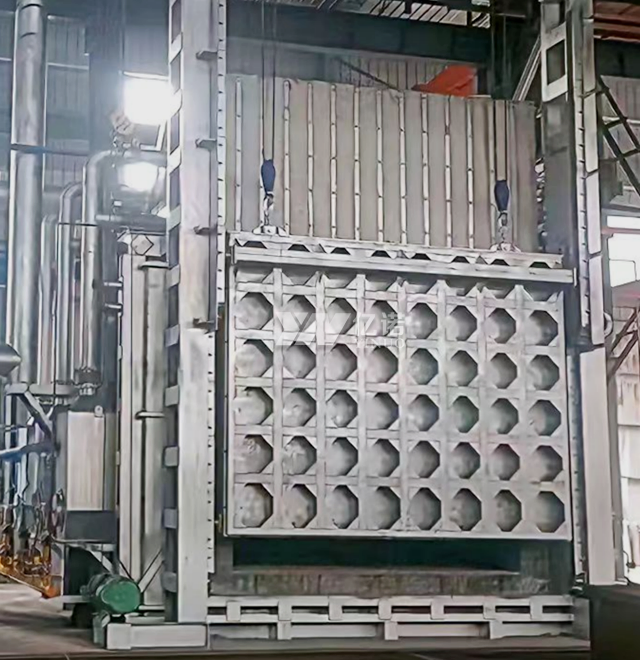
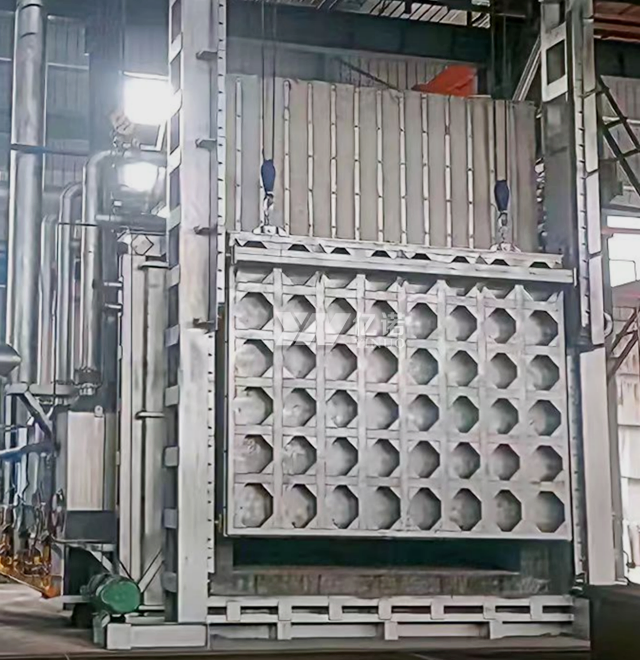
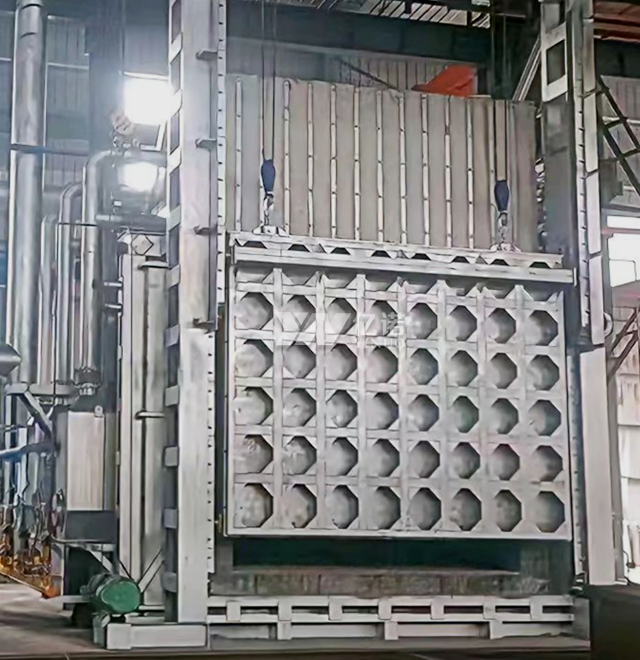
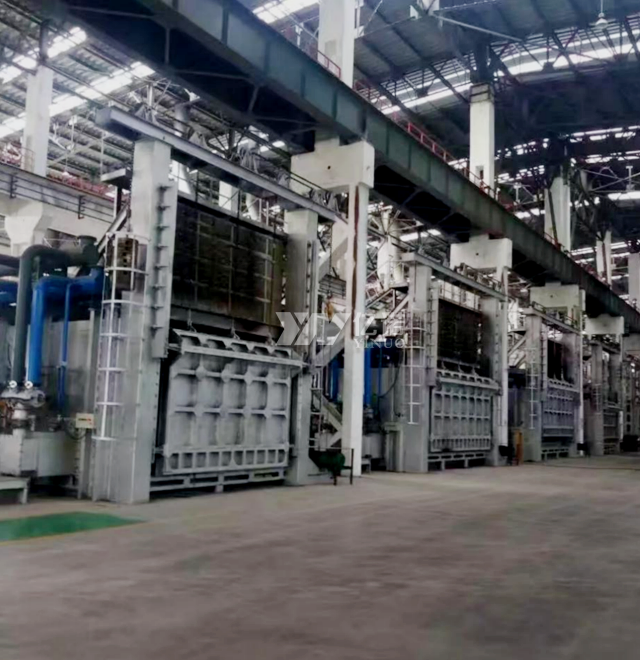
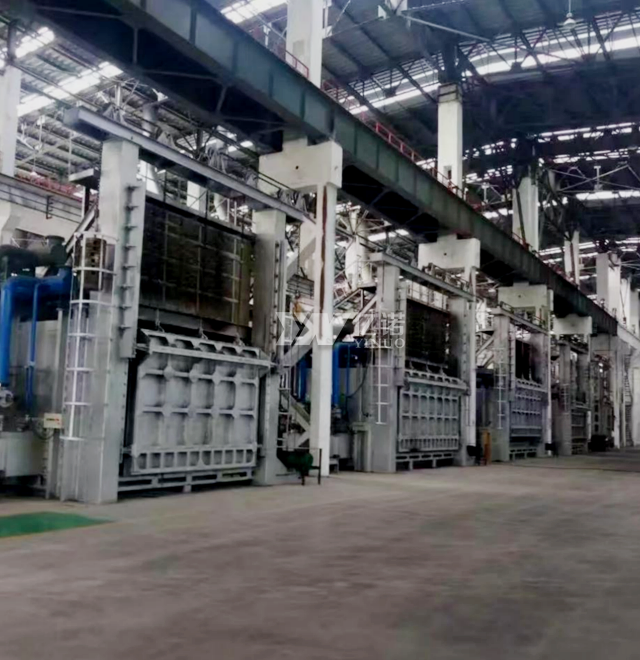
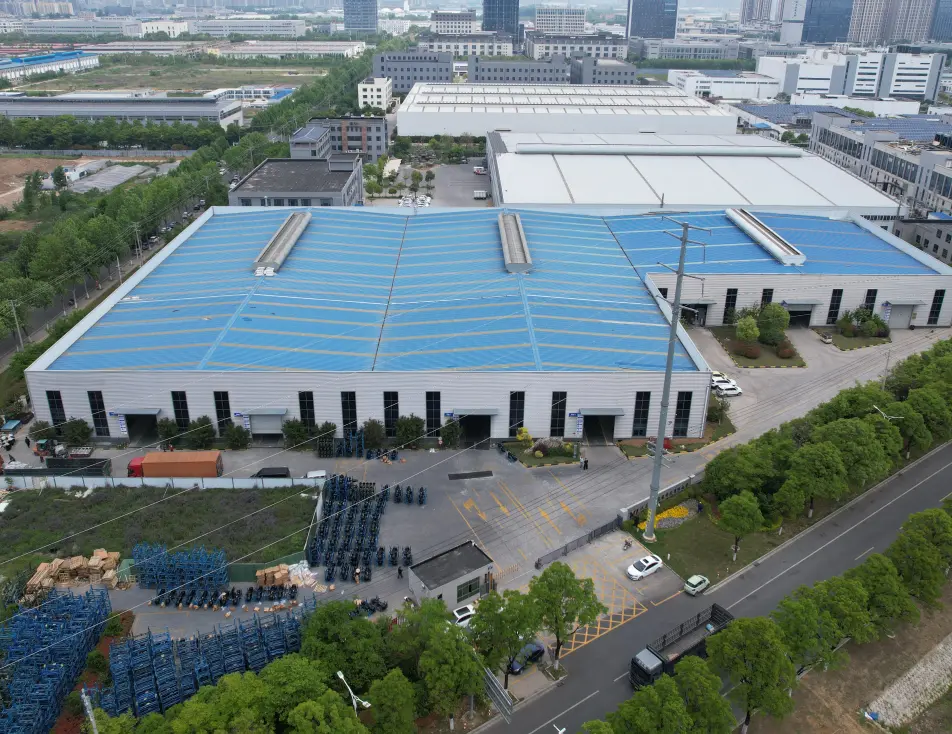
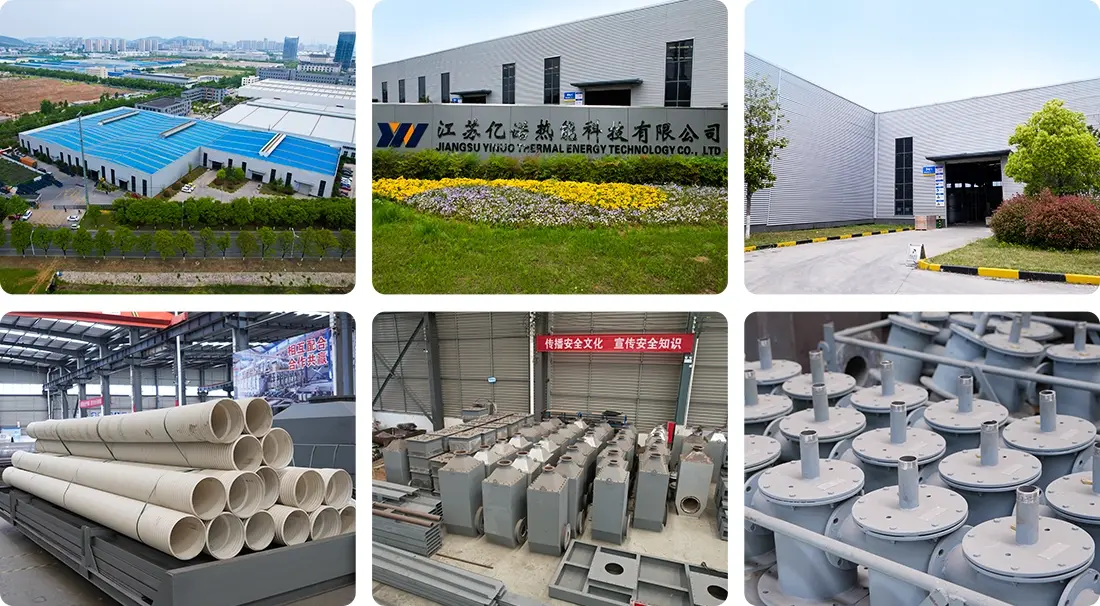
JIANGSU YINUO THERMAL ENERGY TECHNOLOGY CO., LTD makes industrial-grade Hardening And Tempering Furnace systems, and each one is built for tight control of the thermal process. Chamber sizes and load capacities on our gas-fired bogie hearth furnaces can be picked by the customer. Heat stays where it belongs, thanks to a 350 mm refractory fiber lining. Standard running temperature is 550℃, and it can be adjusted up to 950℃. Uniformity holds within ±8℃, with control precision of ±2℃. Behind the work sits a 20,000㎡ production facility, 80 million yuan in fixed assets and more than 100 specialized engineers. The whole engineering job is covered, from design to commissioning, for automotive, aerospace, and tooling industries.
What Is Furnace?
The heat treatment runs in two stages, and each stage changes how the steel alloy behaves. Hardening comes first. Material is heated past its critical transformation temperature, so austenite structures form. A fast quench then turns them into hard martensite. Tempering comes next. The part goes back in at a lower, controlled temperature. Internal stresses drop, and hardness, ductility, and toughness end up in balance.
Problems that show up on the shop floor get fixed by these two processes working together. Brittle material is no longer an issue, and neither is dimensional instability. Hardness that used to land unevenly now comes out consistent. Surface decarburization risk falls a lot. What comes out is a component strong enough to handle high-stress service conditions.
Technical Specifications
| Parameter |
Specification |
| Furnace Type |
Gas-fired bogie hearth furnace |
| Chamber Dimension |
Customized per customer's requirements |
| Loading Capacity |
Customized per customer's requirements |
| Refractory Fiber Lining |
350 mm |
| Fuel Medium |
Natural gas (8500 Kcal/Nm³) |
| Working Temperature |
550℃ standard, adjustable to 950℃ |
| Temperature Uniformity |
≤±8℃ to ±1℃ (after 1h preservation) |
| Temperature Control Precision |
≤±2℃ |
| Heating Rate |
50–200℃/h (full loading) |
| Furnace Shell Temperature Rise |
Top ≤45℃, side wall ≤40℃ (at 950℃) |
| Control System |
Semi-automatic PID + Omron PLC |
| Furnace Door Speed |
~6 m/min with electric hoist drive |
| Bogie Moving Speed |
5–7 m/min |
| Driving Type |
Chain drive, self-propelled bogie |
| Combustion System |
Pulse combustion or regenerative combustion |
Core Advantages of Our Heat Treatment Systems
Precise Multi-Zone Temperature Control
Our multi-zone independent PID temperature control technology provides excellent thermal uniformity. The heating chamber temperature fluctuation is within ±5°C. This precision prevents the typical faults of workpieces such as uneven hardness, workpiece deformation and oxidation. The grade of heat treatment is uniform for all the components in the complete batch of manufacture.
Improved Energy-Efficient Design
The furnace is equipped with a multi-layer composite lightweight fibre lining with ultra-low surface heat dissipation. Closed heat preservation structures lessen radiation losses. The improved insulating design reduces energy consumption 25% to 52% compared to a traditional heating boiler. Lower operating expenses = improved profitability for your industrial operation.
Flexibility of Hardening And Tempering Furnace to Customise
The size of the chamber and its loading capacity can be customised to suit your production requirements. Temperature control zones are configured to suit your specific heat treatment methods. The combustion system alternates between pulse and regenerative operation. And because of this versatility, you get the best performance, no matter what you're processing – automotive components, aerospace fasteners or industrial tools.
Strong Quality of Manufacture
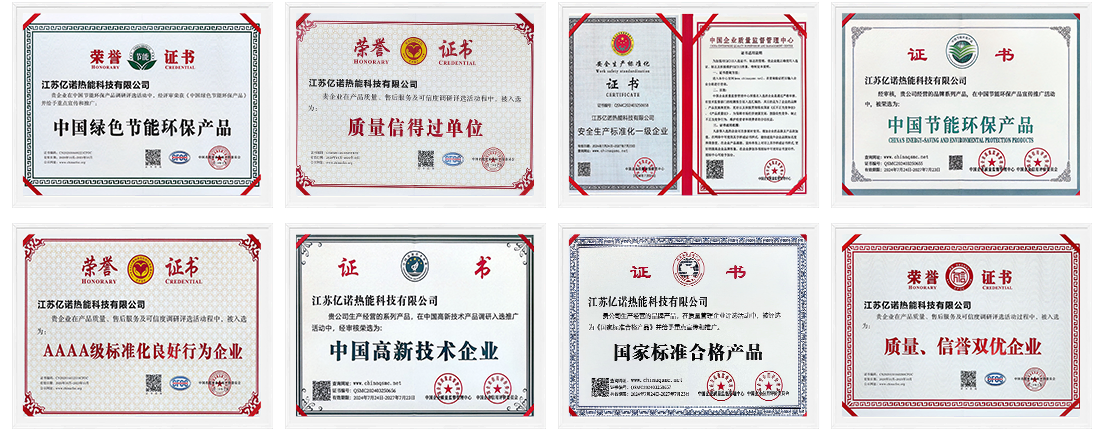
Every system gets a full inspection before it leaves us, and that check follows national and industry norms. Our staff numbers over 100. Mechanical engineers, automatic control specialists, and quality inspection experts all sit inside the team. Long-term operation stays reliable because a complete quality management protocol is in place.
Industrial Applications of the Hardening And Tempering Furnace
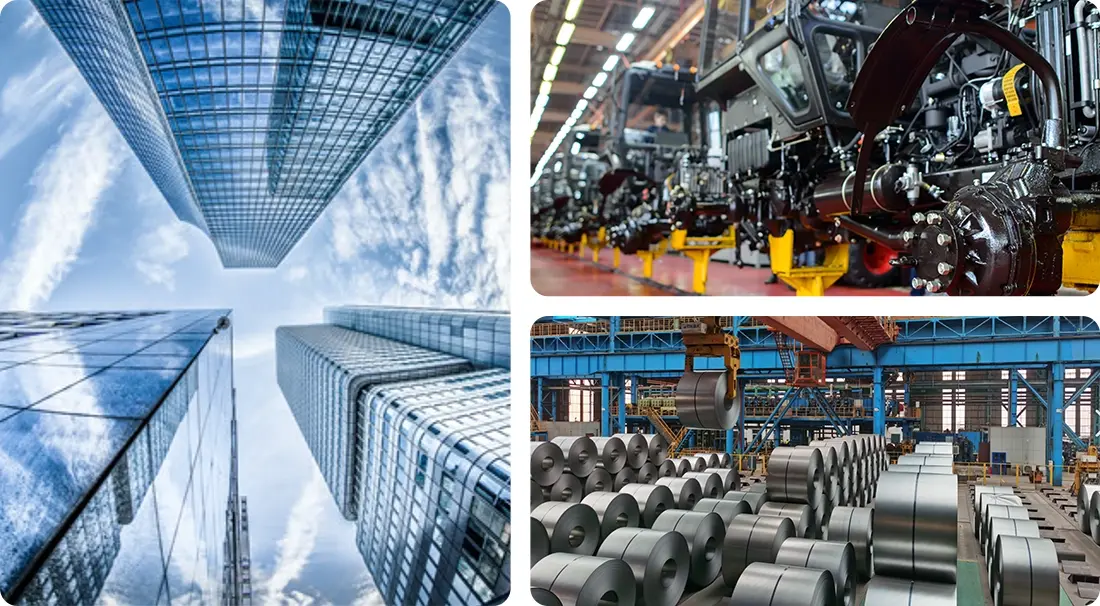
Automotive Powertrain Manufacturing
Drivetrain parts that matter most get hardened in our this product. Gears go through them. So do crankshafts and transmission shafts. Oxidation cannot get started because the atmosphere is controlled, and fatigue strength stays high. These parts face constant friction and extreme mechanical stress for the whole life of a vehicle.
Aerospace Fastener Production
Titanium bolts and high-strength alloy bolts leave no room for error. Inert atmospheres from the system hold the material purity in place. Heat spreads evenly through the load. On safety-critical parts, one failure is already too many.
Tool and Die Industry
Multi-stage tempering is a must for high-speed steel (HSS) and D2 tool steel, and it has to be precise. The thermal profiles these Hardening And Tempering Furnace furnaces hold are the ones that keep a modern sharp. Under heavy impact the tools resist chipping, and they stay dimensionally accurate.
FAQ
Q: How does the furnace prevent oxidation during hardening?
A: Controlled atmospheres do the job, Endothermic gas or Nitrogen-Methanol, and they push the oxygen out. Scale cannot form during the heating cycle because the chamber is closed.
Q: What soaking time ensures optimal hardening results?
A: Count on 20-30 minutes for every inch of cross-sectional thickness. Start the clock once the parts hit set temperature. Sensors check thermal uniformity, and they confirm the heat has gone all the way through.
Q: Can one furnace perform both hardening and tempering?
A: Yes. Our batch-type furnaces run dual-purpose operations without much trouble. On high-volume lines, separate chambers can be the better call. They bring down energy use and lift throughput.
Q: What causes distortion during quenching?
A: Cooling at uneven rates can lead to distortion. Improper loading can do the same. Our systems use variable-speed quench agitators. Loading setups are tuned to keep dimensional changes small.
Q: What maintenance keeps it reliable over the long run?
A: PID controllers need regular calibration. That keeps temperatures accurate. Check the ceramic supports on heating elements to avoid surprise failures. Clean heat exchangers to keep thermal efficiency and operational safety.
Contact Us for Custom Heat Treatment Solutions
Transform your thermal processing capabilities with our precision-engineered Hardening And Tempering Furnace systems. Contact our technical team at info@yinuofurnaces.com to discuss your specific requirements and receive customized engineering solutions.