Trolley Hearth Furnace Heavy Steel Forging Solutions for High-Capacity Industrial Applications
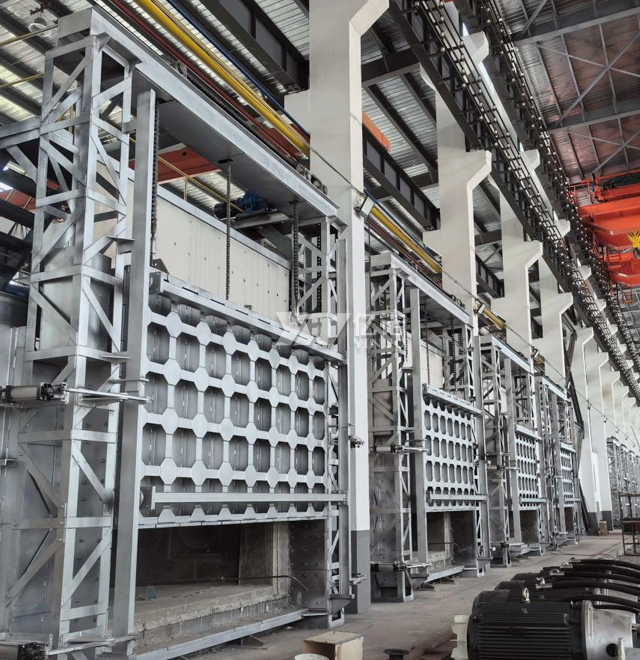
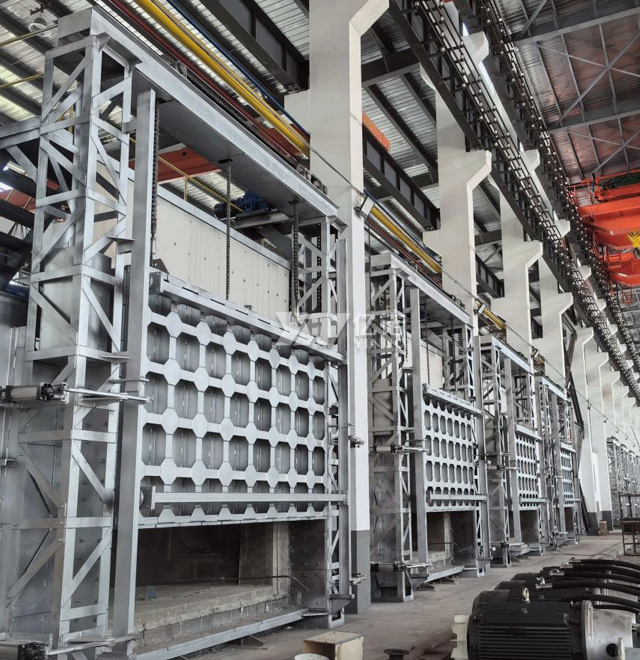
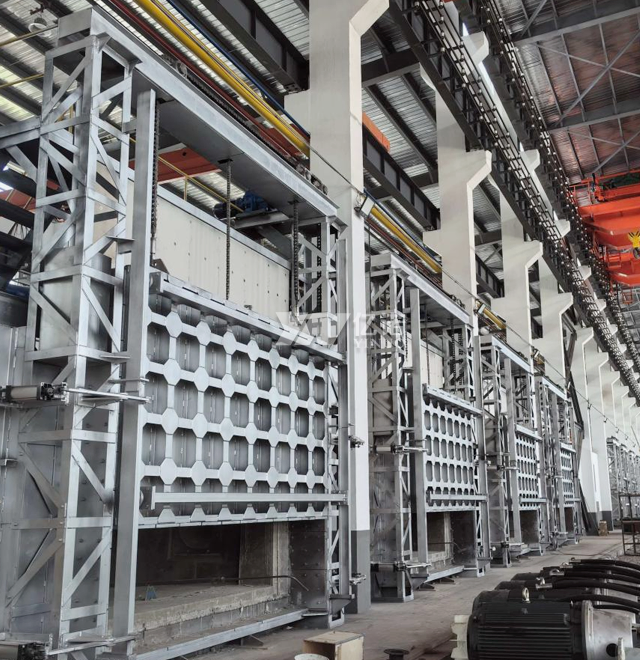
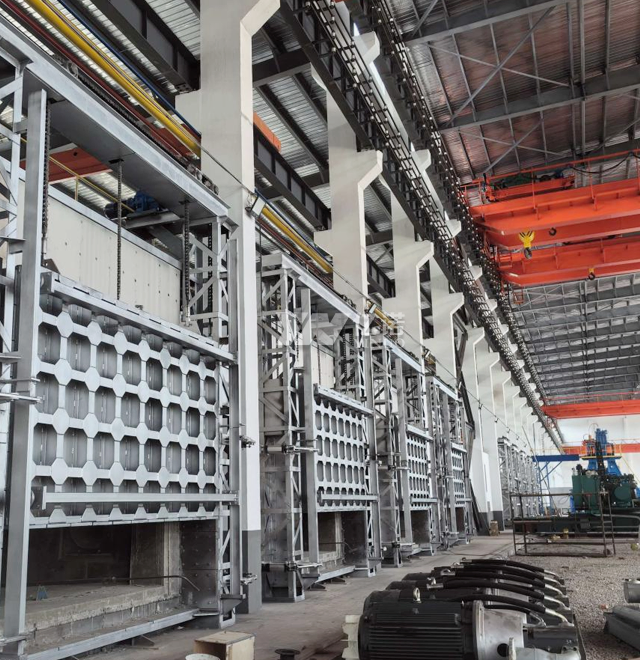
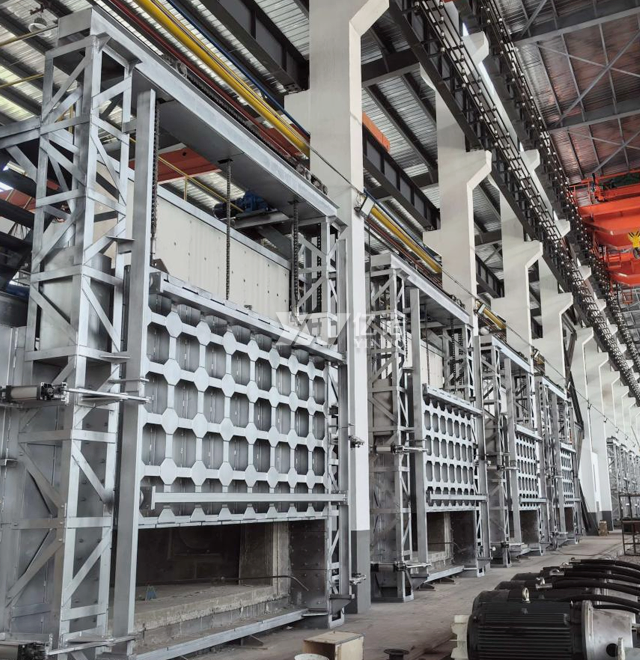
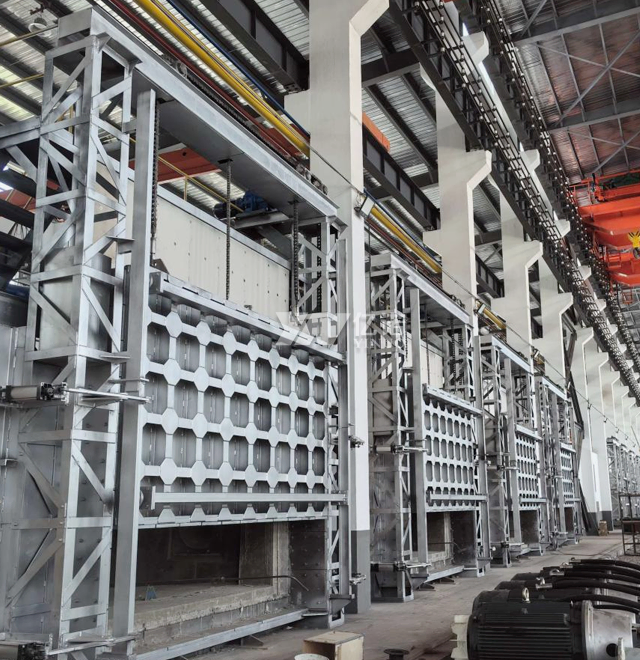
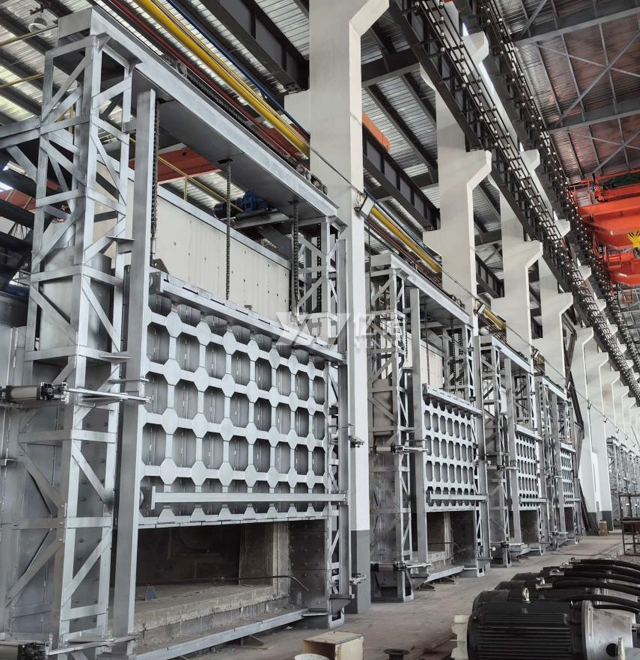
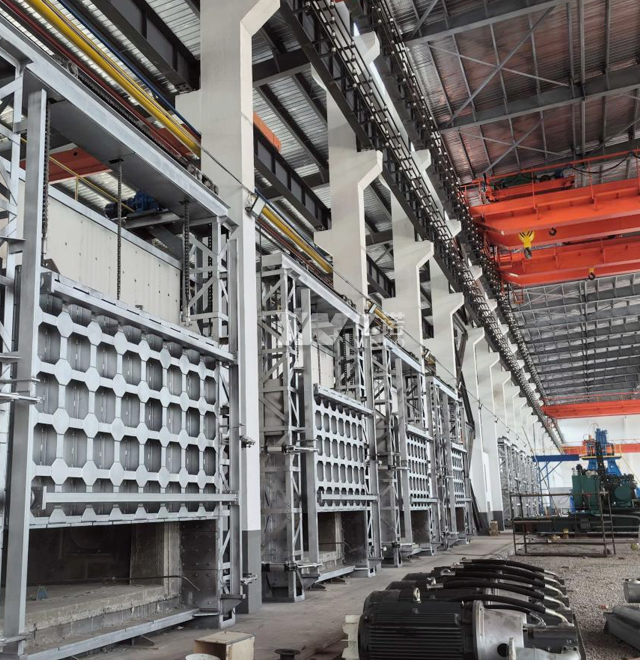
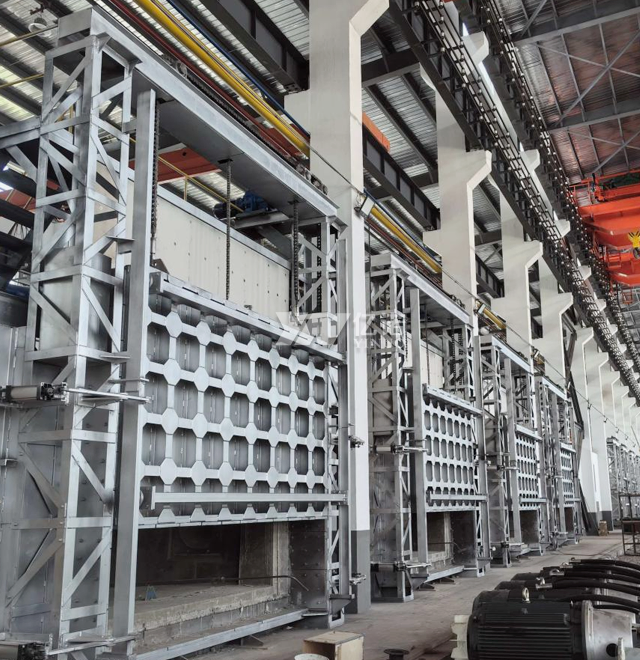
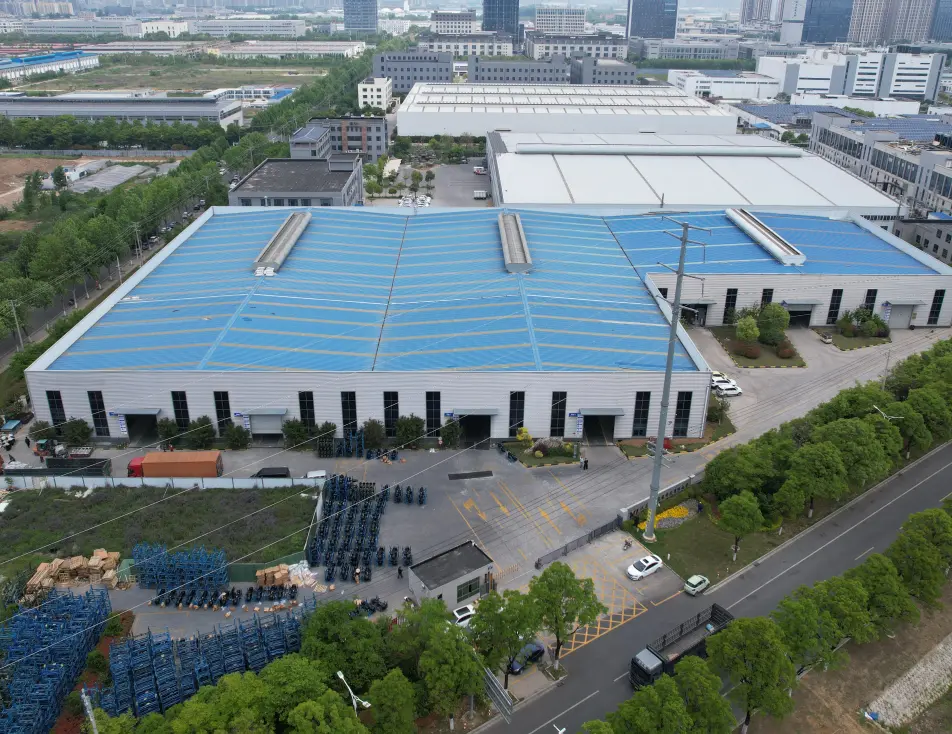
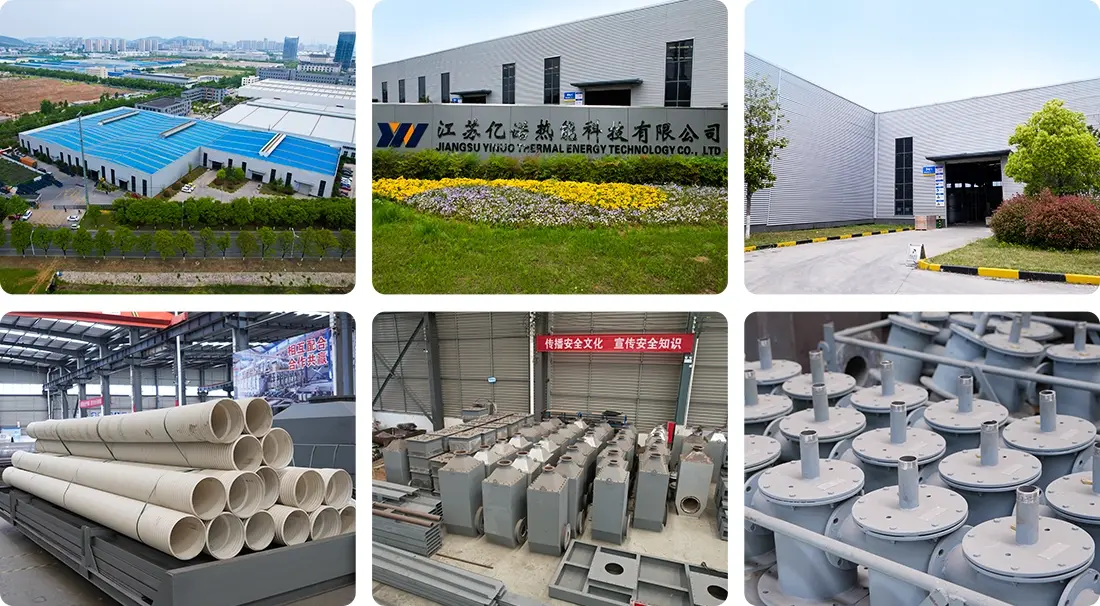
JIANGSU YINUO THERMAL ENERGY TECHNOLOGY CO., LTD builds Trolley Hearth Furnace Heavy Steel Forging systems. These units handle very large steel parts. Workpieces over 200 tons fit inside. Heating chambers are made to order, and they run at temperatures up to 1250°C. Our plant covers 20,000㎡. Fixed assets reach 80 million yuan. More than 100 specialist engineers work with us. Heat treatment comes as one complete package, with temperature spread held within ±6°C. Multi-layer composite lightweight insulation is part of each build, along with fiber-sealed door structures. Surface heat loss drops by 30% next to conventional refractory systems.
What is forging?
This product is a thermal processing method. It shapes large-diameter shafts, heavy-duty rings, and massive steel ingots inside mobile hearth furnace systems. A car-bottom trolley lets a crane load multi-ton workpieces. Those loads go beyond what standard batch furnaces can take.
Oversized parts bring logistical problems. Thick cross-sections can crack from thermal gradients. Deep metallurgical change also needs tight control of the atmosphere. This process deals with all three issues. The mobile hearth rolls out of the furnace chamber. Heavy forgings can then be placed safely before controlled heating cycles begin.
Uniform heat has to reach every point inside the steel before heavy forging can start. Cold spots are a real risk. Our systems stop them by placing burners in several zones and watching the temperature the whole time. Grain size gets refined to ASTM E112 Grade 5. Internal voids are closed up too, through plastic deformation that stays under control.
Technical Specifications
| Parameter |
Specification |
| Effective Heating Chamber Size |
Customized based on workpiece size and production throughput |
| Overall Outer Dimension (L × W × H) |
Customized |
| Operating Temperature Range |
Up to 1250°C |
| Load-Bearing Capacity |
Exceeds 200 tons |
| Temperature Uniformity |
±6°C (AMS2750F Class 2 compliant) |
| Furnace Lining |
Multi-layer composite lightweight heat insulation lining |
| Furnace Door |
Sealed structure with fiber sealing strips |
| Furnace Body Frame |
Steel welded structure with high stability |
| Customization Options |
Available based on customer requirements |
Key Applications of Heavy Steel Forging Systems
Power Generation Industry
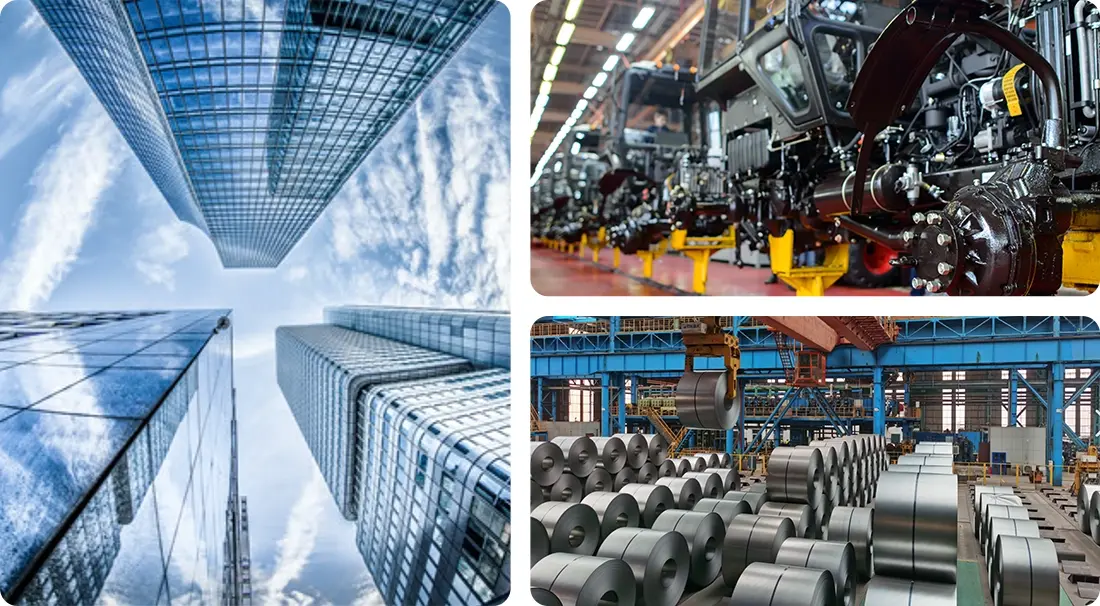
Big steam and gas turbine rotors need exact heating cycles to hold up against creep. Long soak times are where our furnaces keep the thermal profile steady. That is what protects fatigue life in high-temperature power generation service.
Marine Engineering
Cargo ships need huge propulsion shafts and rudder stocks, and those parts are forged under controlled conditions. Components weighing more than 150 tons ride on the trolley system. The result is resistance to torsional stress, plus corrosion protection for saltwater marine use.
Nuclear and Petrochemical Sectors
Heavy-wall pressure vessel shells and reactor flanges demand exceptional structural integrity. Our product solutions achieve metallurgical homogeneity critical for preventing failure under extreme pressure and radiation exposure conditions.
Core Advantages of Our Forging Furnace Systems
Rapid Heating with Trolley Hearth Furnace Heavy Steel Forging and Minimal Oxidation
High velocity burner technology provides increased heating rates and decreased surface decarburisation. This reduces raw material wastage and increases life of forging die by 25-40%.
Uniform Heat Distribution
Multi-zone pulse-firing burners ensure a small temperature difference between workpiece surface and core. Strategic flue location for controlled metallurgical transformation removes cold spots throughout the whole component volume.
Best Practice Workshop Environment
Advanced sealing structures stop cold air entrance and heat leakage. Fibre sealing strips ensure stable furnace atmospheres and reduce workshop temperatures with the consequence of better working conditions for personnel.
Performance of Energy Efficiency
Lightweight composite insulation reduces heat storage mass vs. standard refractory bricks. This enables faster thermal response cycles and reduces operational energy usage by up to 30%.
Structural Robustness
Thanks to the steel welded frame, the structure stays rigid and stable under heavy loads. Sand seals on the trolley run at high temperature. They keep the heat where it belongs. The mechanical drive parts are also shielded from furnace heat.
Quality Control Standards for Trolley Hearth Furnace Heavy Steel Forging
Non-Destructive Testing Protocols
Every Trolley Hearth Furnace Heavy Steel Forging part is Ultrasonic Tested to ASTM A388. This finds internal porosity and inclusions. Surface integrity gets checked with Magnetic Particle Inspection, which spots micro-cracks before the parts ship.
Mechanical Property Validation
Brinell Hardness Testing at several points on the surface shows the material is consistent. For critical applications, low-temperature toughness is checked against the spec with Charpy V-Notch Impact Testing.
Thermal Performance Verification
Regular Temperature Uniformity Surveys and System Accuracy Tests check furnace performance. Every project gets full thermal cycle documentation (Time vs. Temperature charts). Heat treatment procedures stay in line with customer specifications. That record makes it happen.
FAQ
Q: What keeps the trolley furnace from leaving 'cold spots' in heavy forgings?
A: Multi-zone pulse-firing burners work with strategic flue placement. Heat spreads evenly. It reaches the whole workpiece perimeter. Live temperature checks across zones keep the heat uniform through every heating cycle.
Q: How fast do you normally heat large steel sections?
A: The furnace heats at 50°C-100°C per hour. Thermal stress stays under control that way. The exact rate changes with alloy grade. It also depends on section thickness and what the metallurgy needs for each application.
Q: What keeps the seal tight between the moving trolley and the furnace body?
A: Heat escapes at the trolley interface unless it is blocked. High-temperature sand seals do that job. Pneumatic fiber seals work too. Drive parts stay protected with either type, and thermal efficiency holds up through the run.
Q: Can quenching be done in these furnaces?
A: Once heating ends, the trolley pulls the load out fast. From there it goes straight into a water or oil quench tank. Cooling rates can then be controlled to hit a given hardness profile and the mechanical properties that come with it.
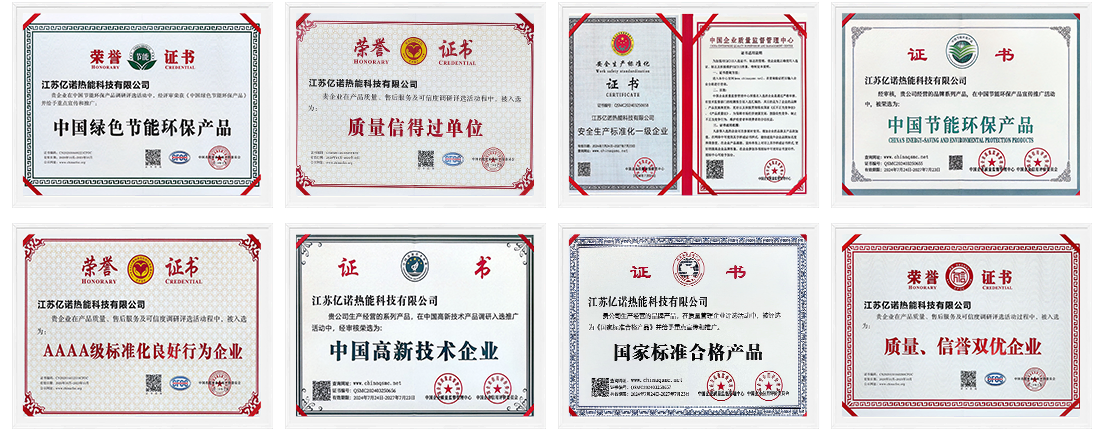
Q: Which documents back up your quality assurance?
A: The paperwork we hand over is complete. It holds thermal cycle charts and material test reports (MTR). NDT certification comes with it too, and that file covers Ultrasonic Testing, Magnetic Particle Inspection, and the results of mechanical property validation.
Contact Our Forging Solutions Team
Tell our engineering team what your line needs. Reach them at info@yinuofurnaces.com and ask about Trolley Hearth Furnace Heavy Steel Forging thermal processing solutions built around your production requirements.