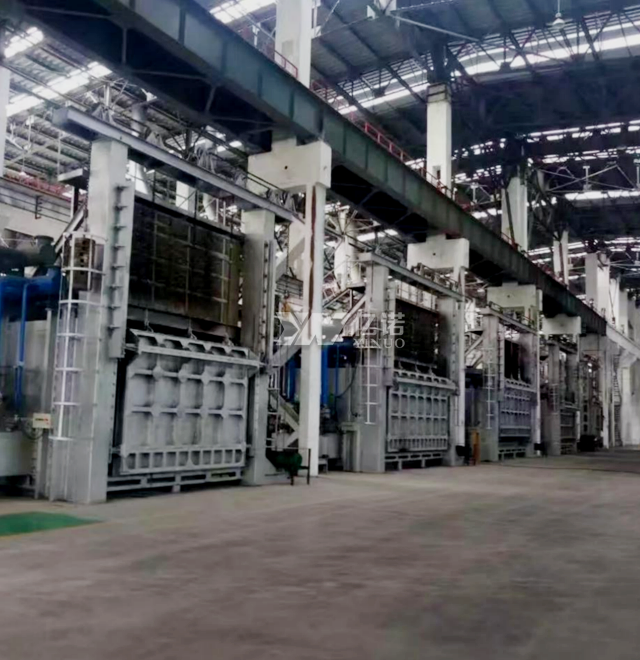
Heat Treatment Furnace For Aluminum: Gas-Fired Bogie Hearth Solution for Precision Thermal Processing
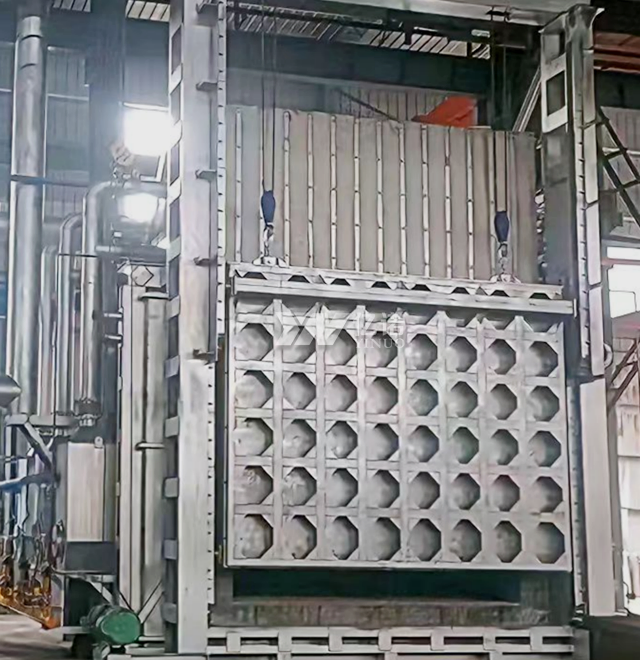
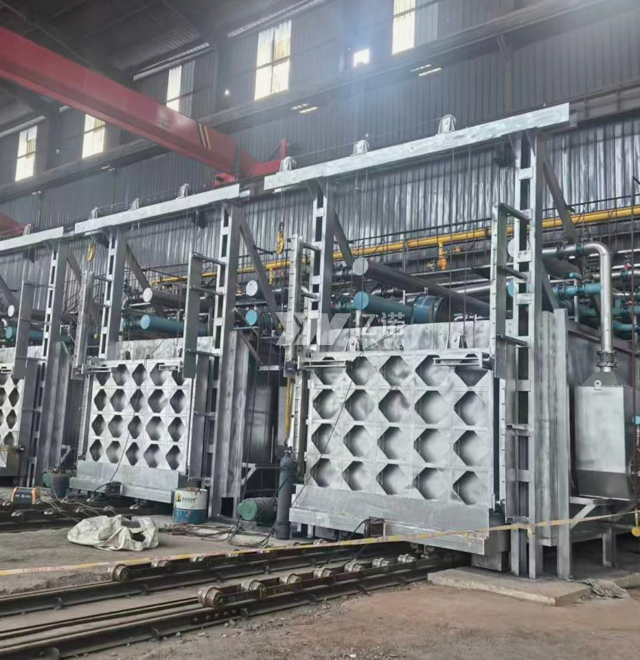
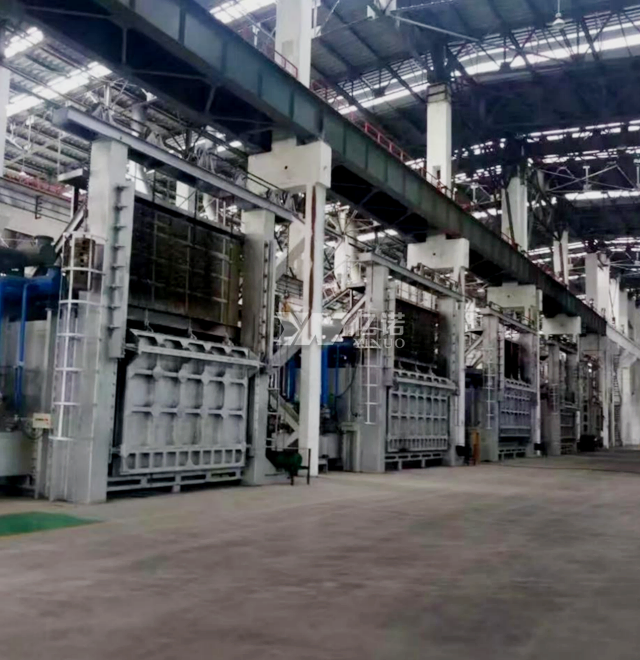
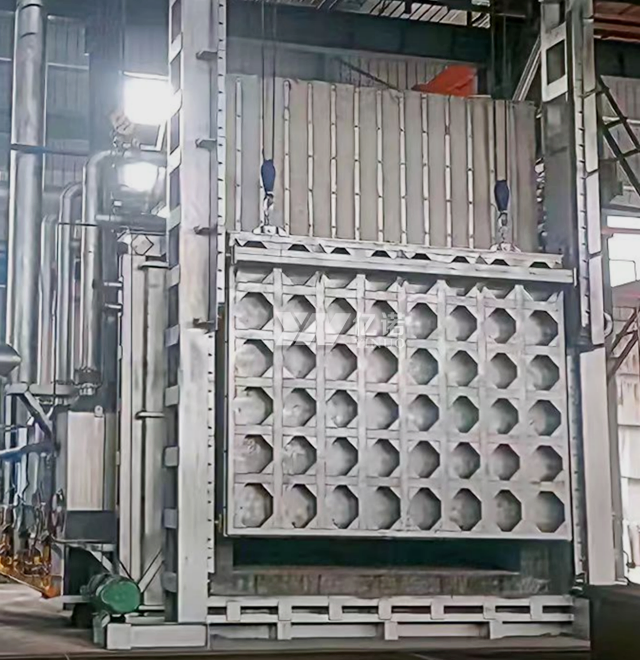
Industrial plants buy Heat Treatment Furnace For Aluminum from JIANGSU YINUO THERMAL ENERGY TECHNOLOGY. Stress relief annealing runs on these units. So do other hard thermal processes. The frame is built around a gas-fired bogie hearth. Chamber sizes get made to fit your plant. A 350 mm refractory fiber lining keeps the heat inside. Standard working temperature is 550℃, and the setpoint can climb to 950℃. After an hour of heat preservation, uniformity stays within ±8℃. Control precision holds at ≤±2℃.
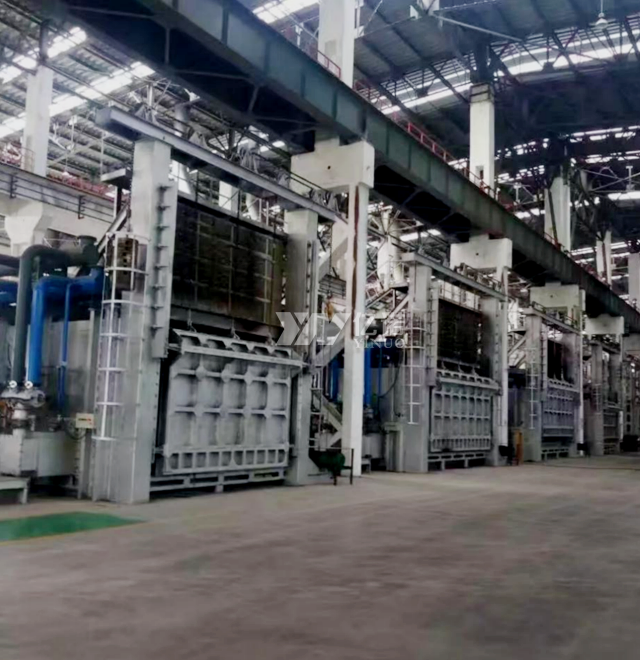
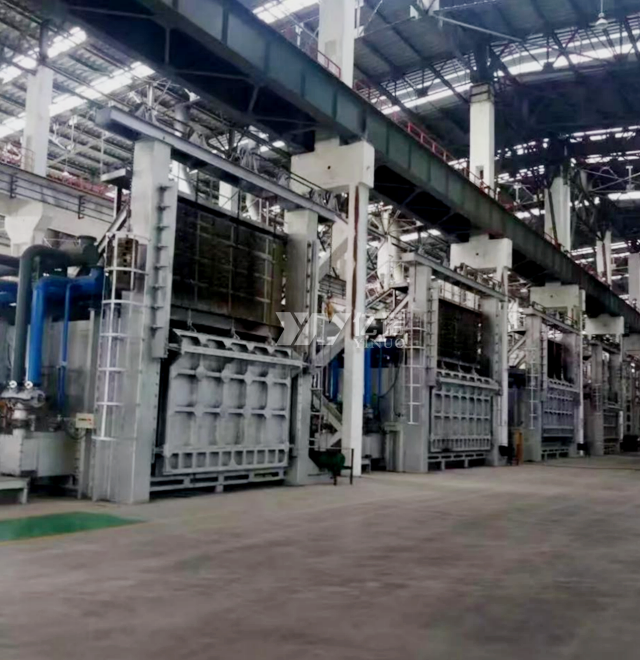
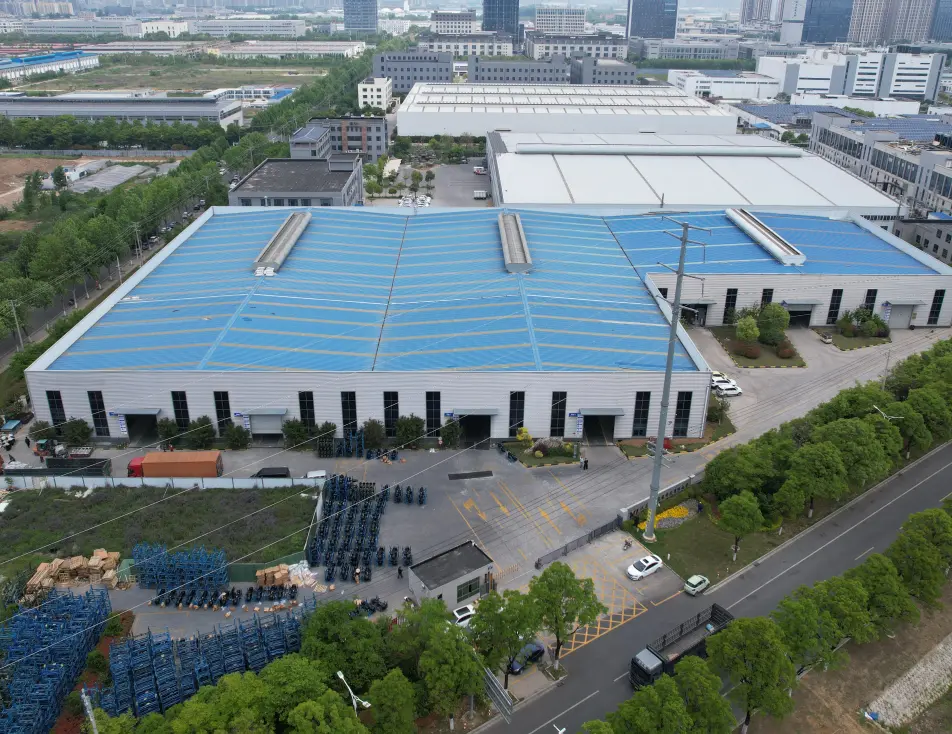
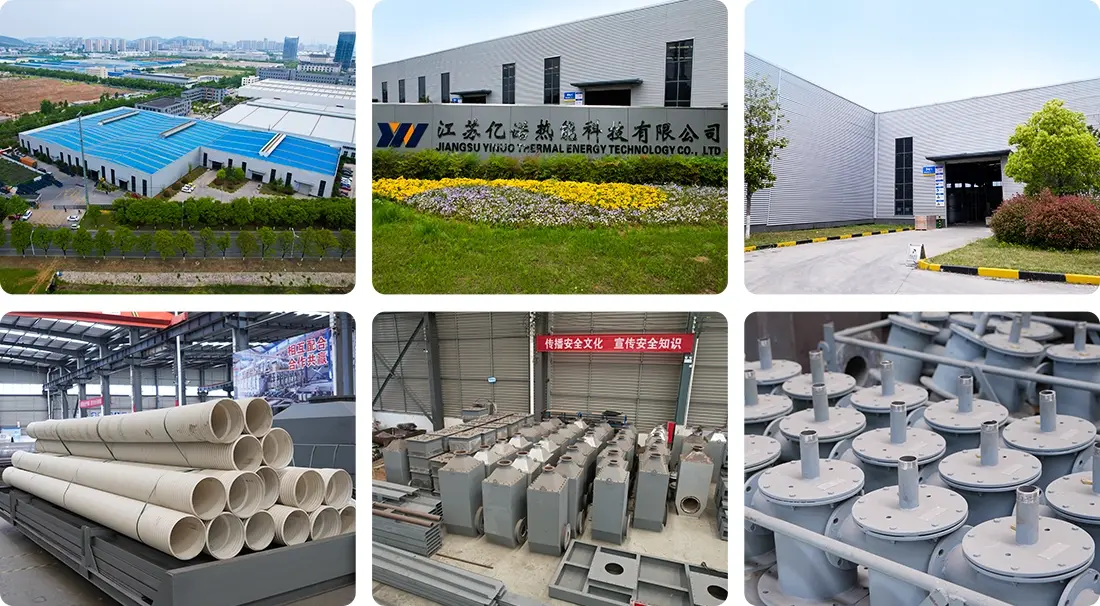
Our production facility covers 20,000㎡. Fixed assets at YINUO total 80 million yuan. On the team sit more than 100 engineers. Design and commissioning both come under one contract, so a single supplier delivers the whole thermal solution. Combustion runs as pulse or regenerative, and the system switches between them. Heating rates adjust from 50–200℃/h. That range still holds at full load.
Why Your Production Needs This Aluminum Heat Treatment System?
To reach the mechanical properties you want, aluminum alloys need exact thermal cycles. Older heating systems often leave metallurgical inconsistencies behind. Dimensional instability is the usual result. Parts may also fail sooner than they should.
Multi-zone temperature control runs on its own in each zone, and that is how our product tackles these problems. Loading setups can be changed to suit different workpiece shapes, thanks to the bogie hearth design. Engine blocks are one option. So are structural extrusions and aerospace components. Every batch comes out the same.
Natural gas (8500 Kcal/Nm³ calorific value) is the fuel medium here, and the furnace pairs it with advanced combustion technology. Energy use drops by 25–54% next to conventional heating furnaces. With the 350 mm fiber lining, shell temperature rise stays small: only 45℃ at the furnace top and 40℃ on side walls at maximum operating temperature.
Technical Specifications
| Parameter |
Specification |
| Furnace Type |
Gas-Fired Bogie Hearth Furnace |
| Chamber Dimension |
Customized per Requirements |
| Loading Capacity |
Customized per Requirements |
| Fiber Lining Thickness |
350 mm |
| Fuel Medium |
Natural Gas (8500 Kcal/Nm³) |
| Working Temperature |
Standard 550℃, Max 950℃ |
| Temperature Uniformity |
≤±8℃ (after 1h preservation) |
| Control Precision |
≤±2℃ |
| Heating Rate |
50–200℃/h (full load) |
| Shell Temperature Rise |
Top ≤45℃, Side ≤40℃ |
| Control System |
PID + Omron PLC (semi-automatic) |
| Door Lifting Speed |
~6 m/min |
| Bogie Moving Speed |
5–7 m/min |
| Drive Type |
Chain drive, self-propelled |
| Typical Application |
Stress relief annealing |
Core Performance Advantages
Multi-Zone Temperature Control That Stays Precise
Every heating zone in the furnace has its own PID control. Uneven hardness and oxidation flaws come from hot spots and cold zones. This layout reduces both. Temperature difference across the whole working chamber stays within ±5℃. The metallurgical change is even as a result.
Your aluminium holds the same hardness from edge to middle. For automotive power train parts and aerospace structural parts, that evenness counts. A shift in material properties can put safety at risk in those parts.
Thermal Insulation Energy Efficient
The multi-layer composite fibre construction forms a thermal barrier for Heat Treatment Furnace For Aluminum to prevent radiant heat loss. The closed preservation system maintains chamber temperatures with lower fuel use.
The design results in a far lower operating cost than a standard brick-lined boiler. Lower shell temperatures also increase safety in the workplace and reduce cooling time between manufacturing cycles.
Flexible Operation and Load
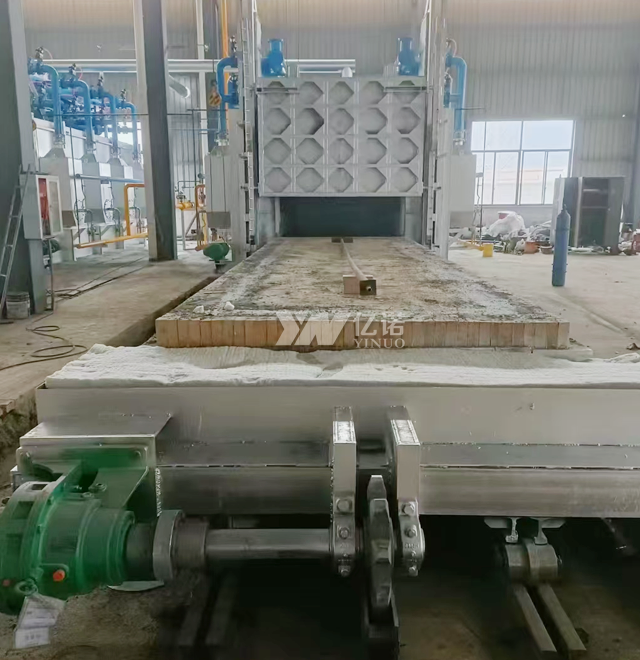
The self-propelled bogie arrangement permits full withdrawal of the furnace for convenient loading and servicing. The chain drive system enables a smooth motion of 5-7 m/min, thus lowering the cycle time. Electric lifting doors are driven at 4–6 m/min and securely sealed by wedge locking.
The boiler can be programmed for many temperature control zones, depending on your heat treatment method. With that flexibility you can run all sorts of thermal cycles. Some are as simple as stress relief. Others are as involved as solution annealing procedures.
Key Application Scenarios for Heat Treatment Furnace For Aluminum
Automotive Manufacturing
Engine blocks fit this use. So do transmission housings and electric vehicle battery enclosures. Dimensions hold steady through high-temperature aging cycles. Even heat keeps thin-walled castings straight. Mechanical strength requirements are met too.
Aerospace Components
Here we treat structural extrusions and forged parts that need T6 or T7 temper states. Grain growth must stay in check. Let it grow too much and load-bearing parts get weaker. The furnace takes large wing spars and fuselage frames. Metallurgical results do not shift.
Industrial Extrusions
Before extrusion, aluminum billets go through a Heat Treatment Furnace For Aluminum to be homogenized. Architectural profiles then get their final aging, which helps with corrosion resistance and dimensional accuracy. Chamber size can be customized. That means it takes on everything from small profiles to large industrial sections.
FAQ
Q: What temperature uniformity can I expect for aluminum heat treatment?
A: Hold the chamber at working temperature for an hour and uniformity still sits at ±8℃. Some processes call for tighter control than that. In those cases we add enhanced monitoring zones, and deviation then stays at ±5℃ across the whole chamber.
Q: How fast does the furnace get up to operating temperature?
A: Heating rate is adjustable from 50–200℃/h. Where you set it depends on the workpiece load and on what the process needs. Against traditional refractory brick, the light fiber lining carries less thermal mass, so temperature responds faster.
Q: Does the furnace work with more than one aluminum alloy series?
A: Yes. Heat settings adjust from 550–950℃, so several alloy families fit. Run 6xxx series extrusions or 7xxx aerospace alloys, and the multi-zone control still matches the thermal cycle each one needs.
Q: What control options are available?
A: The standard system uses imported PID intelligent instruments with Omron PLC for semi-automatic operation. Manual mode provides backup control during maintenance. We can upgrade to fully automated recipe management systems with data logging for quality traceability.
Q: How does the bogie system improve productivity?
A: Full bogie extraction lets you load and unload outside the furnace chamber. One batch runs inside while you get the next load ready on a second bogie. That parallel workflow cuts downtime and keeps throughput efficiency high.
Q: What exhaust system features ensure safe operation?
A: Several exhaust outlets sit on the furnace top and side walls. They clear combustion gases well. The chimney rises at least 2 m above the factory roof. That gives the right draft and keeps the workplace clean.
Get Your Custom Aluminum Heat Treatment Solution
Contact us at info@yinuofurnaces.com to discuss your Heat Treatment Furnace For Aluminum challenges and receive a customized solution proposal.