Bogie Hearth Furnace Gas Fired Heat Treatment – Industrial Heavy-Duty Solution with Precision Temperature Control
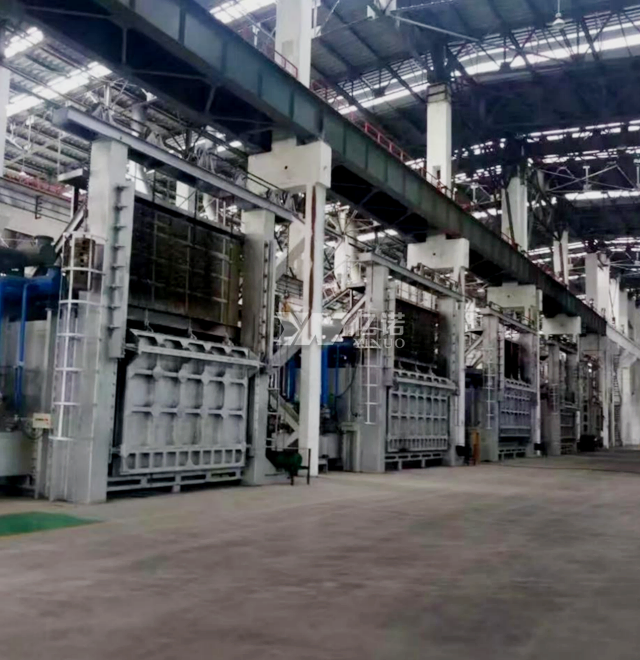
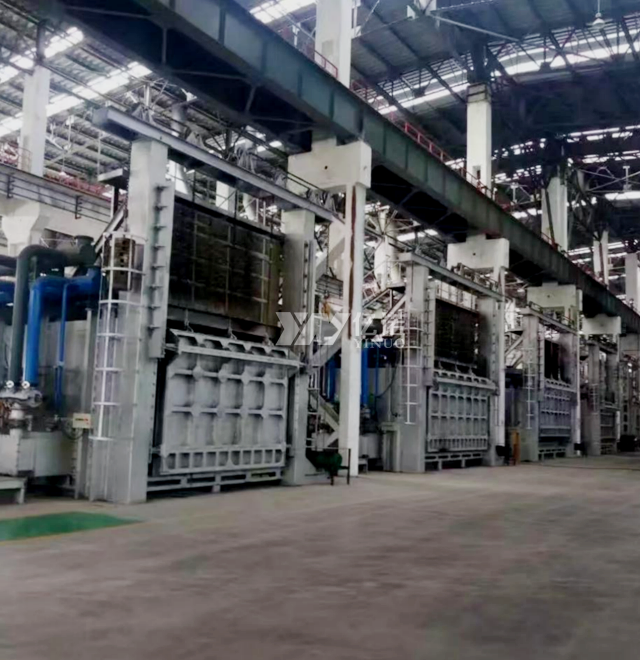
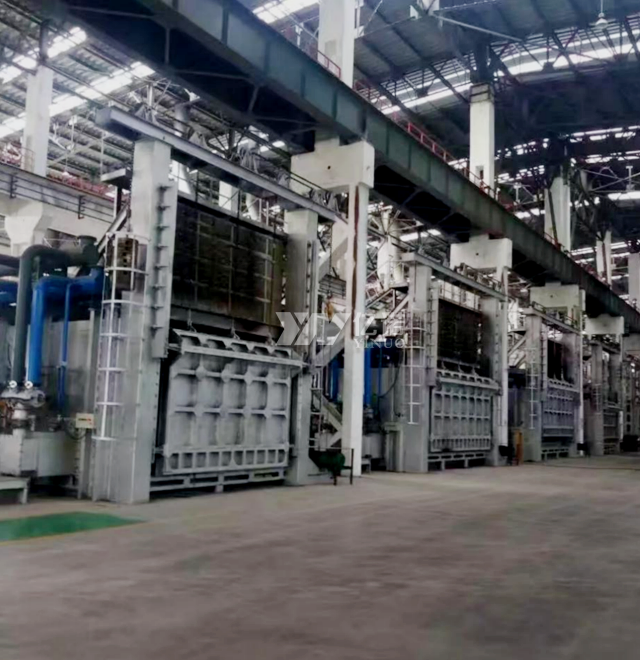
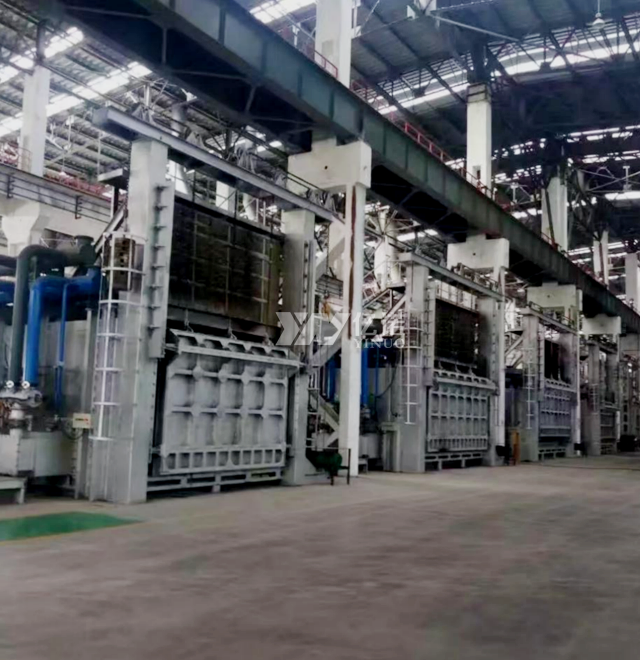
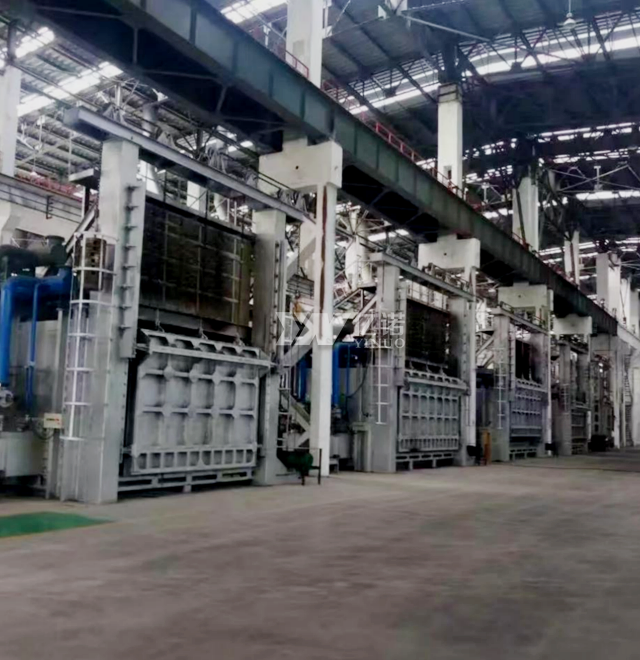
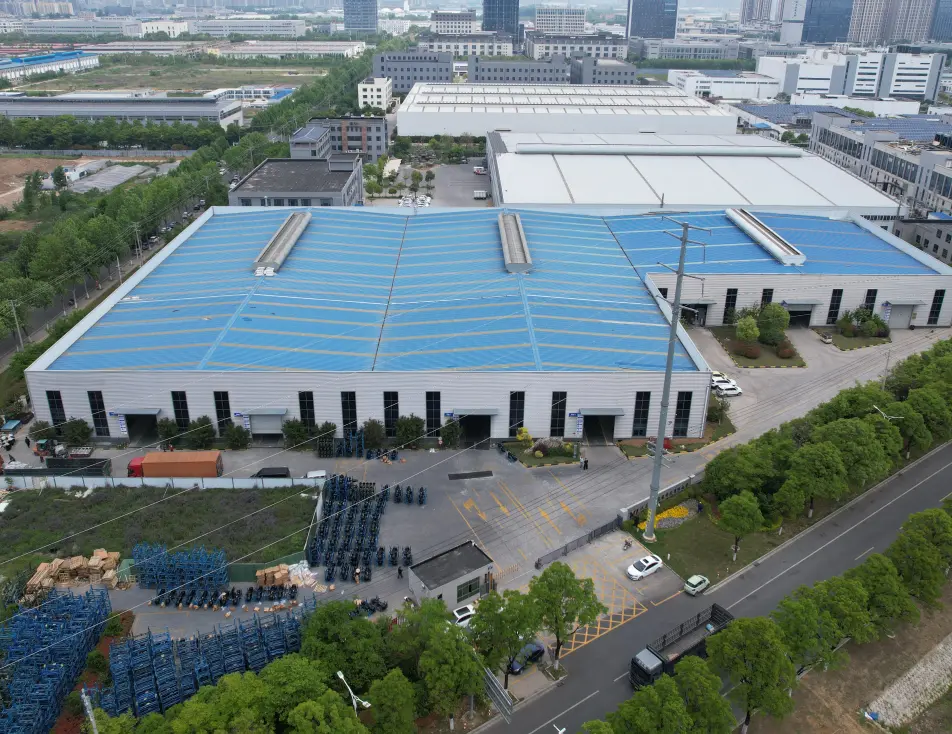
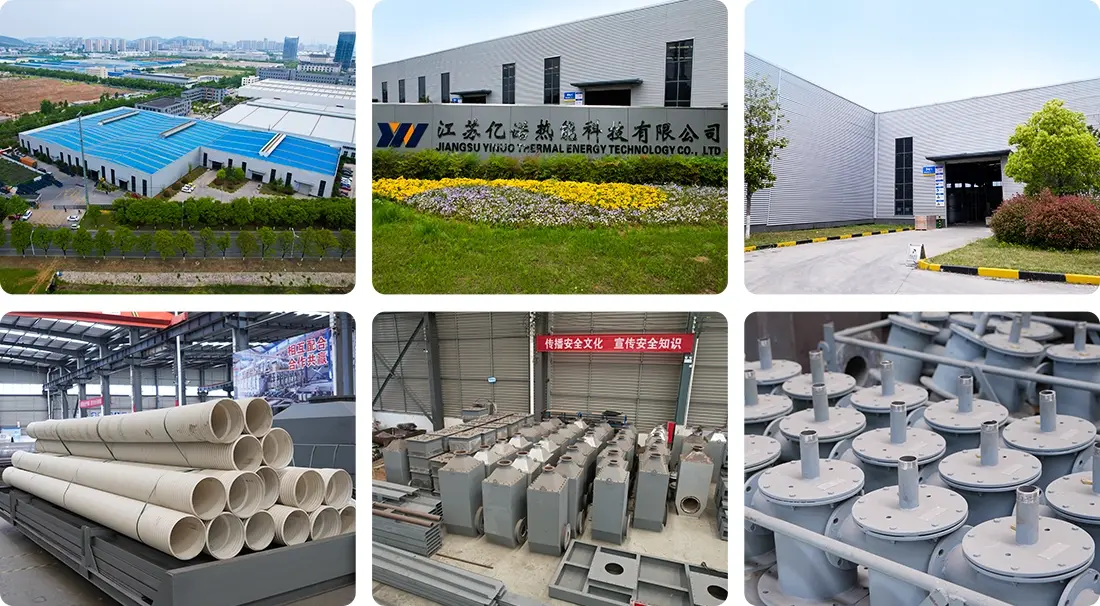
Heavy-load jobs need the right furnace. JIANGSU YINUO THERMAL ENERGY TECHNOLOGY builds Bogie Hearth Furnace Gas Fired Heat Treatment systems for exactly that kind of work. Our plant covers more than 20,000㎡, and fixed assets sit at 80 million yuan. Every system gets a furnace chamber built to your spec. The refractory fibre lining runs 350 mm thick, and working temperature reaches 950℃. Multi-zone PID control runs the heat, so temperature holds within ±8℃ and precision stays at ±2℃. With pulse combustion technology, natural gas firing can cut energy use by up to 64% next to traditional setups. More than 100 engineers and professionals work here. They cover the whole job, from concept through installation.
Understanding Your Thermal Processing Challenges
Turbine rotors, pressure vessels, and heavy forgings are big industrial parts. Each one needs heat treatment equipment built for the task. Standard heating furnaces were never made for multi-ton workpieces. Holding an even temperature across large areas is hard for them too.
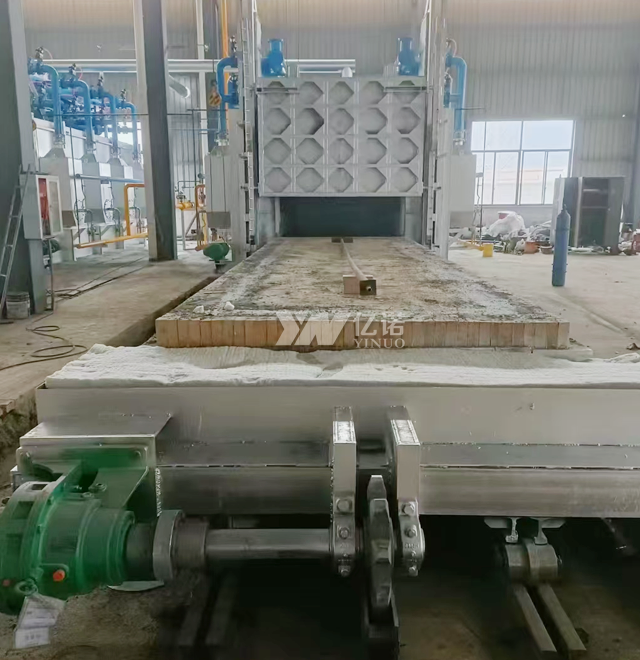
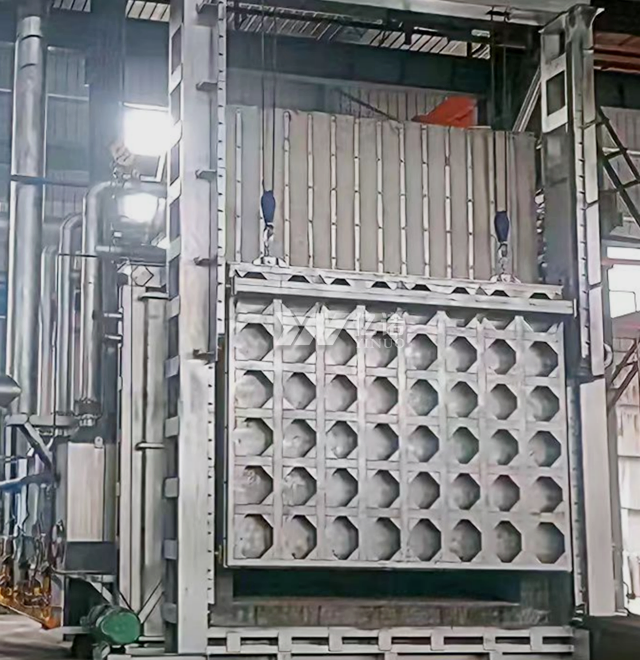
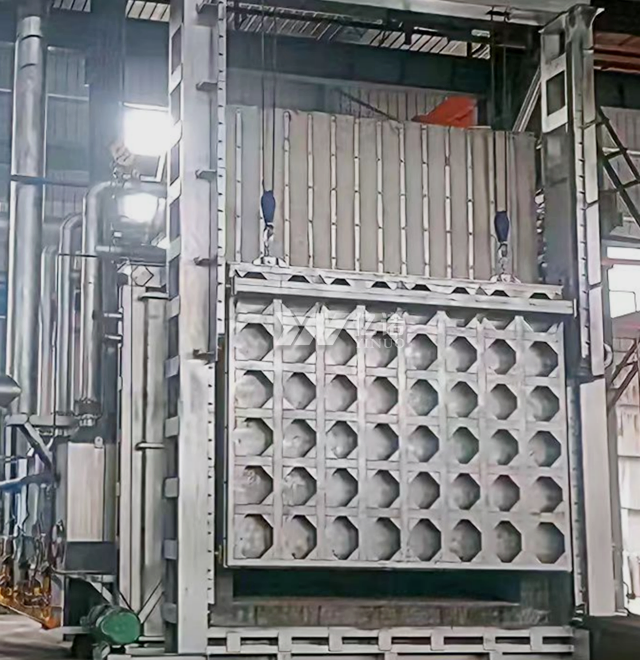
Through a movable hearth platform on train lines, the device tackles these difficulties. This design allows the external loading of large components before they are physically transferred to the controlled heating chamber.
Gas firing heats the load fast. High velocity burners push heat through the chamber, and convection keeps it even. Heat gradients can start flaws in a part. This design goes after the pain points that matter. Moving components through the line gets easier. Energy use drops. Metallurgical quality holds up.
Technical Specifications
| Parameter |
Specification |
| Furnace Type |
Gas-Fired Bogie Hearth Furnace |
| Furnace Chamber Dimension |
Customized per Requirements |
| Loading Capacity |
Customized per Requirements |
| Refractory Lining Thickness |
350 mm |
| Fuel Medium |
Natural Gas |
| Fuel Calorific Value |
8500 Kcal/Nm³ |
| Working Temperature |
Standard 550℃, Adjustable to 950℃ |
| Temperature Uniformity |
≤±8℃ (after 1h preservation) |
| Temperature Control Precision |
≤±2℃ |
| Heating Rate |
50–200℃/h (full loading) |
| Furnace Shell Temperature Rise |
Top ≤45℃, Side ≤40℃ (at 950℃) |
| Control System |
PID Intelligent + Omron PLC |
| Furnace Door Lifting Speed |
Approx. 6 m/min |
| Bogie Moving Speed |
5–7 m/min |
| Bogie Drive Type |
Chain Drive, Self-Propelled |
| Combustion System |
Pulse or Regenerative Combustion |
| Typical Application |
Stress Relief Annealing |
Core Advantages That Drive Your Production Efficiency
Better Temperature Control Accuracy
Accurate temperature control is the key to your quality of heat treatment. The multi-zone independent PID system enables the temperature homogeneity within ±5℃ throughout the entire chamber. This removes common faults including uneven hardness, deformation and oxidation. You get consistent metallurgical qualities on each workpiece, decreasing rejection rates and rework costs.
Strong Energy Efficiency
Energy expenditures are an important part of your operating budget. Our Bogie Hearth Furnace Gas Fired Heat Treatment incorporates multi-layer composite lightweight fiber lining with ultra-low surface heat loss. The closed heat preservation construction can reduce radiation loss, and the energy consumption is 25%-64% lower than that of standard heating furnaces. This translates into lower fuel costs and better profitability.
Flexible Load Management
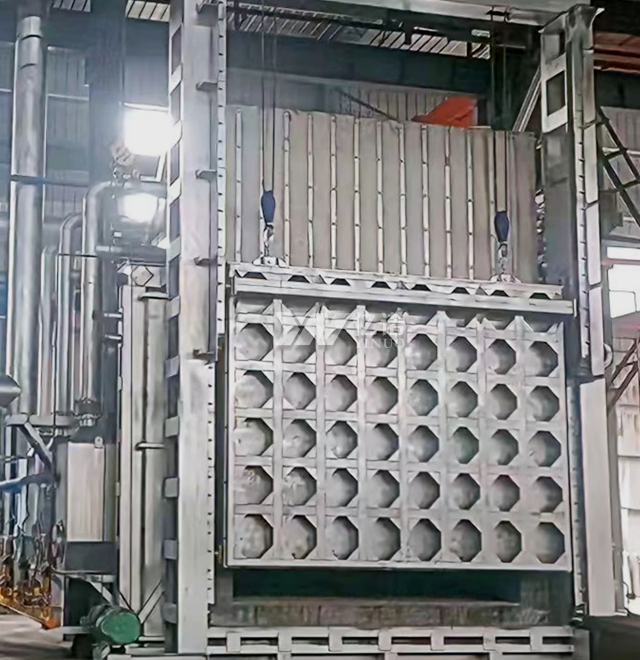
Large components demand specific loading strategies. The self-propelled bogie system moves at 5 to 7 m/min with complete chamber travel capacity. Workpieces are externally loaded using overhead cranes, thus there is no manual handling. The electric lifting door opens at 4-6 m/min and is wedge locked for a secure seal during the processing cycles.
Industrial Applications Across Critical Sectors for Bogie Hearth Furnace Gas Fired Heat Treatment
Operations in Heavy Forging and Casting
Massive marine crankshafts and turbine rotors need controlled normalising and annealing processes. The product is related to components above 200 tonnes with controlled cooling rates that avoid internal structural flaws. This ability is crucial if one is to obtain the necessary mechanical characteristics in big cross-sections.
Pressure Vessel Fabrication
Post-weld heat treatment (PWHT) is necessary for reactors and storage tanks that operate under high pressure. Our systems provide homogeneous heating for big diameter vessels to ensure complete stress relief in welded joints. This conformance to ASME and API standards safeguards your equipment from service failures.
Oil & Gas Infrastructure
Wellhead gear and large valve bodies call for extreme metallurgical consistency. Steady-state conditions hold through Bogie Hearth Furnace Gas Fired Heat Treatment with long soak times in our gas-fired systems. Your parts will then meet the toughest subsea or Arctic performance standards.
FAQ
Q: How does gas-fired heating stack up against electric systems when it comes to temperature uniformity?
A: High-velocity pulse-firing burners set up strong convection patterns inside big chambers. Air gets pushed around by force, and that gives better uniformity than radiant electric elements. The gap shows most in furnaces over 10 cubic meters. Every workpiece surface gets the same heat, run after run.
Q: What fuel efficiency can I expect from this system?
A: Exhaust gases do the preheating work in our self-recuperative burners. Combustion air gets warmed before it enters the process. Thermal efficiency lands between 60% and 70%. Pair that with advanced fiber insulation and running costs drop. Performance stays high through every production shift.
Q: What keeps heat from escaping where the bogie meets the furnace?
A: We employ pneumatic sand seals or ceramic fiber compression systems at the hearth-to-wall interface. These create gas-tight barriers that maintain chamber atmosphere while allowing smooth bogie movement. You avoid thermal losses and atmosphere contamination during operation.
Q: Will your furnace work together with quenching systems?
A: Yes. A rail-mounted bogie links up with automated transfer systems. That way parts move fast to water, oil, or polymer quench tanks. With this setup you can run full heat treatment cycles, hardening included, for your critical components.
Q: What maintenance does the refractory lining require?
A: Visual checks on a regular schedule catch mechanical damage caused by loading impacts. Once a year, thermography finds hot spots that point to degrading insulation. Every 3-5 years we suggest swapping the fiber modules, though it depends on operating temperatures and how often you cycle. Catching problems this way keeps efficiency up and adds years to the equipment.
Partner With Thermal Processing Experts
Ready to upgrade your Bogie Hearth Furnace Gas Fired Heat Treatment capabilities? Contact us at info@yinuofurnaces.com to discuss your project needs today.