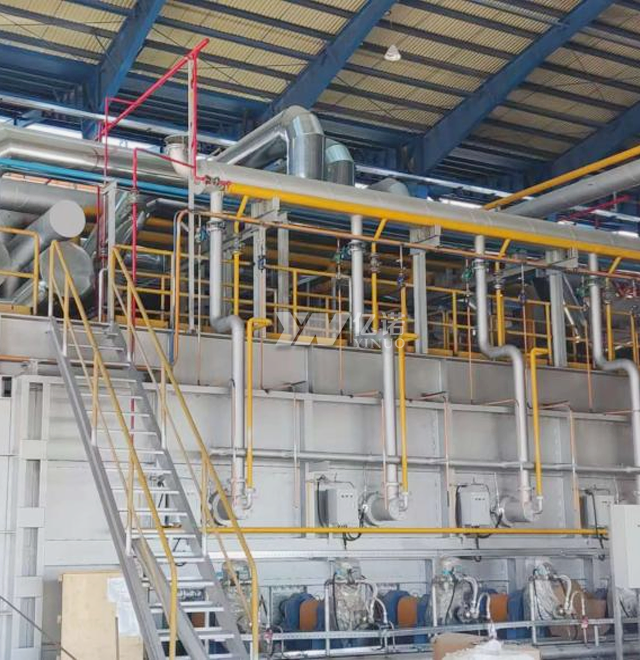
High-Efficiency Regenerative Furnace for Industrial Heating | Advanced Waste Heat Recovery Solution
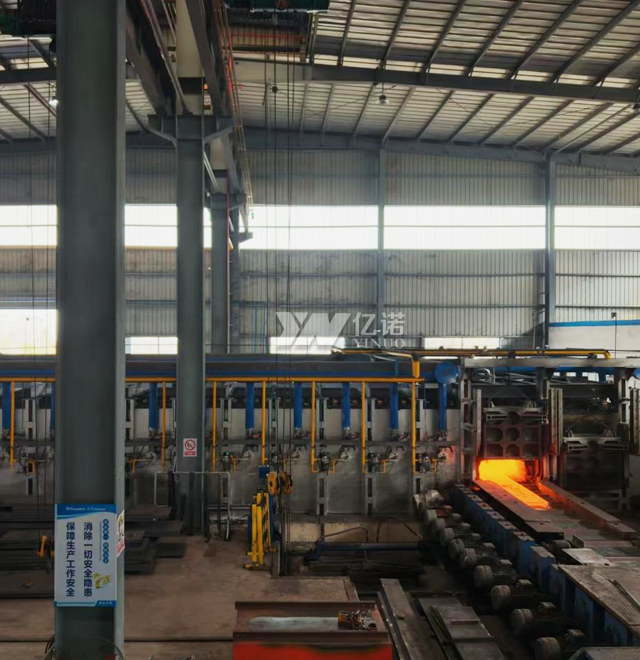
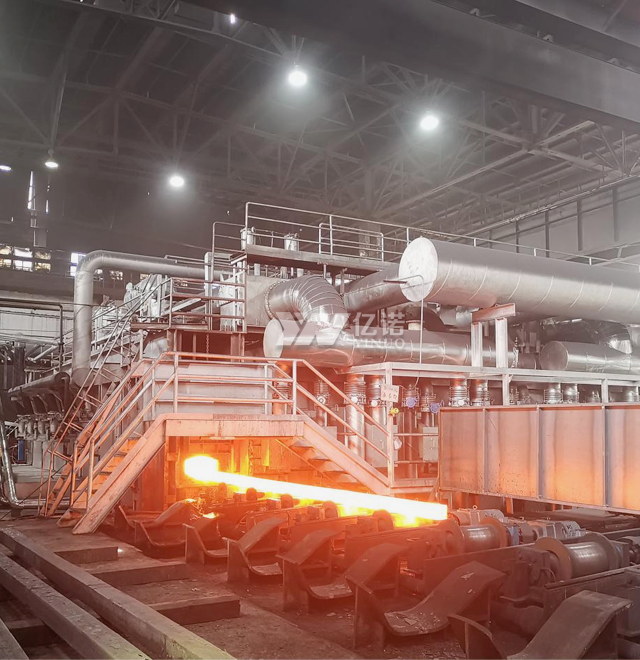
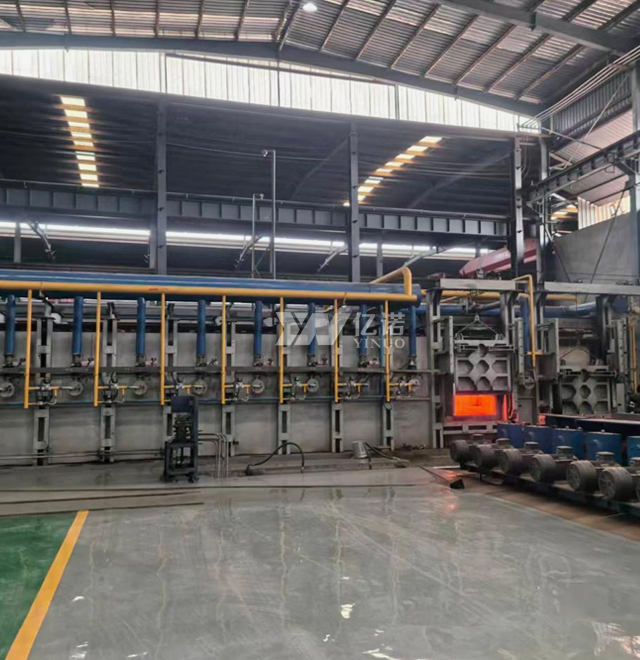
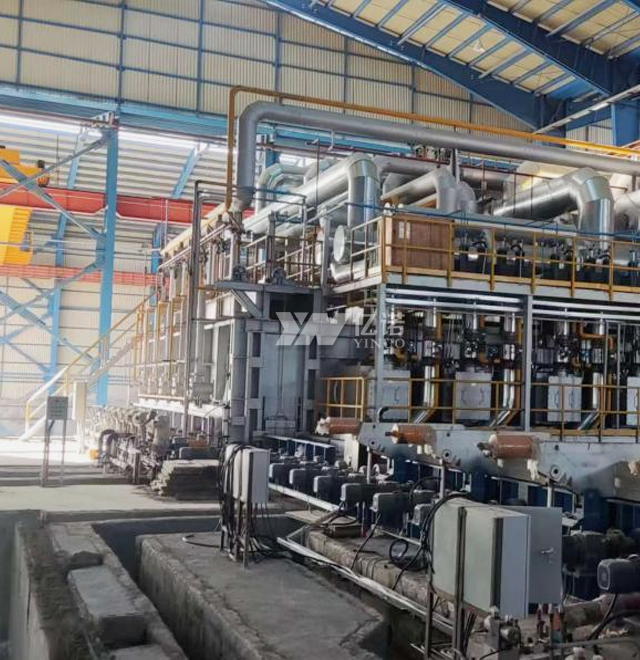
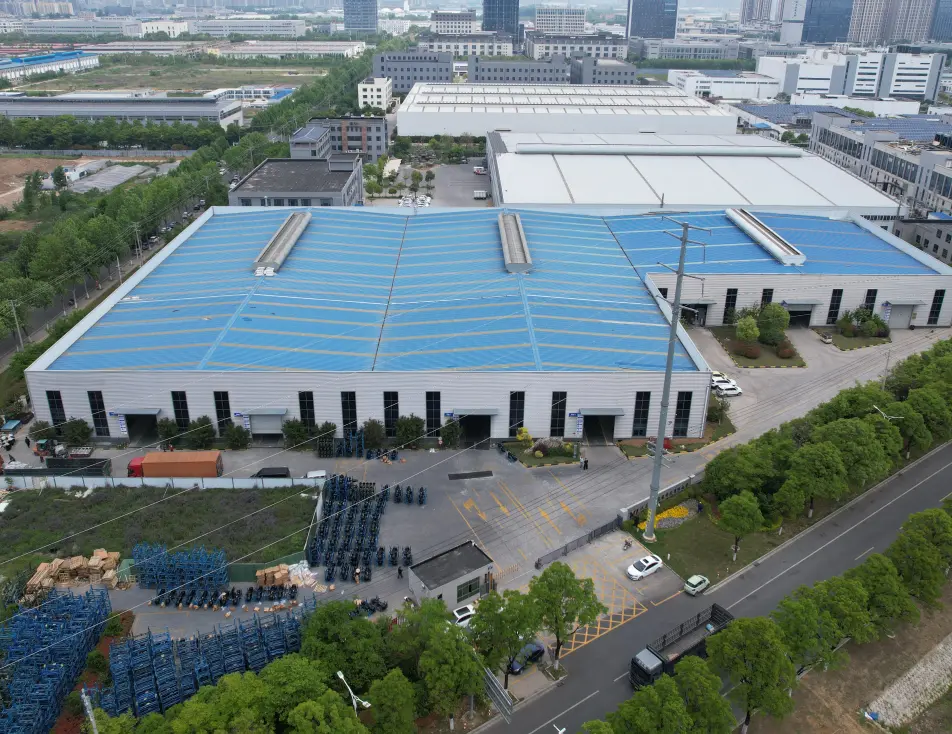
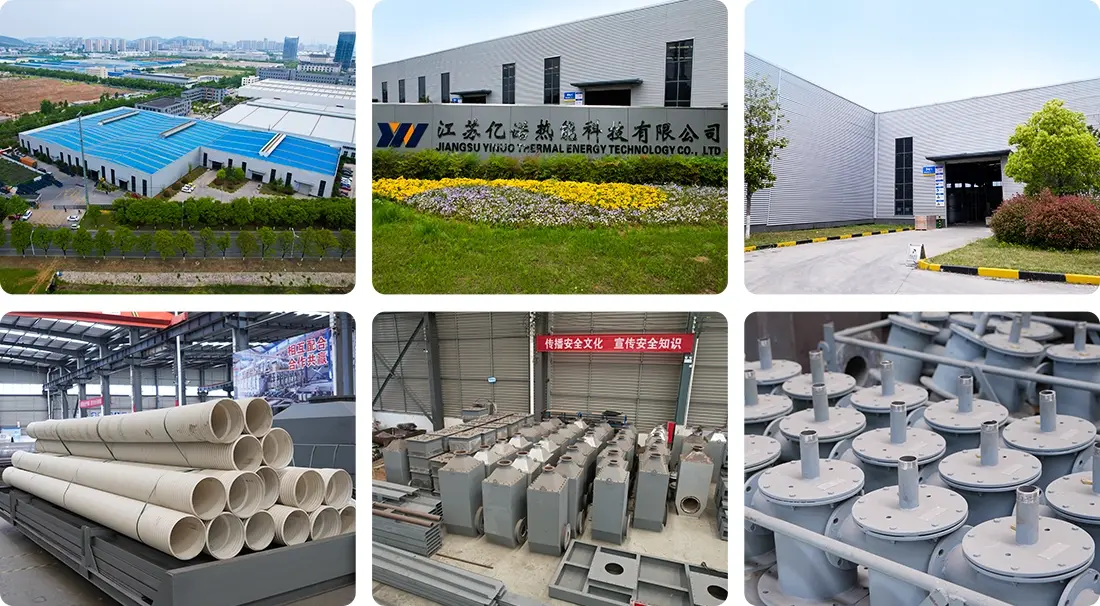
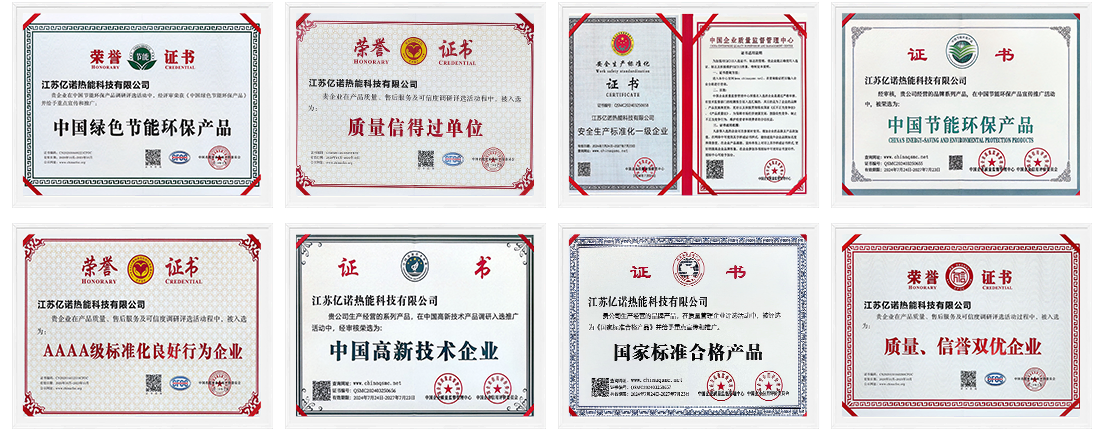
JIANGSU YINUO THERMAL ENERGY TECHNOLOGY CO., LTD makes advanced Regenerative Furnace systems for steel reheating, forging, and heat treatment applications. These regenerative heating setups reach a thermal efficiency above 72%. Waste heat recovery efficiency is ≥85%. Temperature control stays exact at ±5°C. That gives large fuel savings. Heating capacity ranges from 0.5 to 15 t/h. The working temperature sits between 800–1300°C. Oxidation losses drop a lot. Greenhouse gas emissions fall as well. Manufacturing space covers 20,000㎡. Fixed assets total 80 million yuan. More than 100 special engineers work on our team. Full turnkey solutions are available to transform your thermal processing efficiency.
What Makes Our Regenerative Heating System Different?
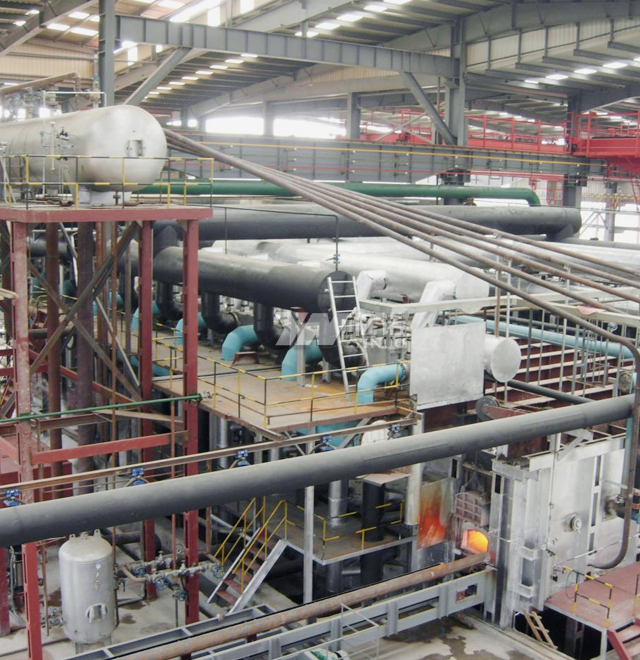
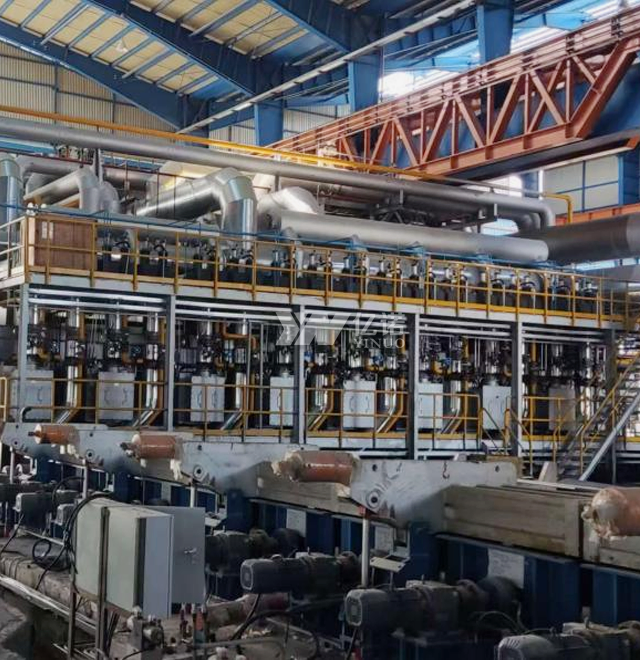
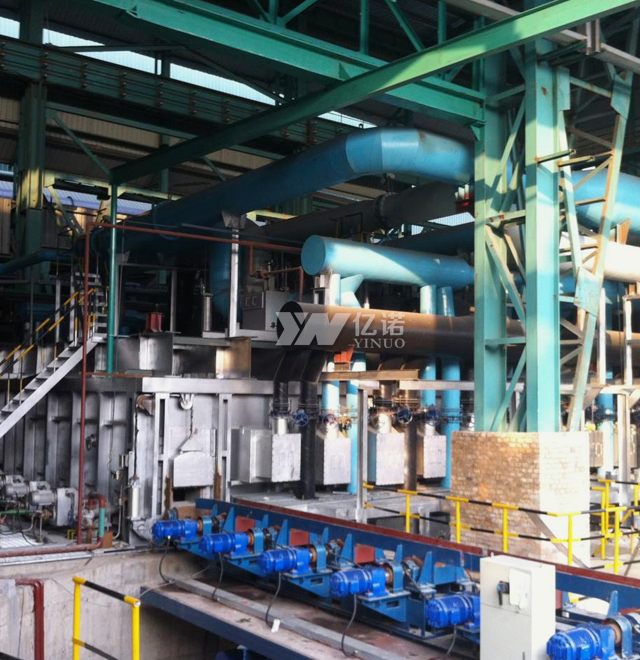
We make high-alumina honeycomb ceramic regenerators. They capture exhaust heat and put it back into the combustion process. Before the air reaches the burner, this method preheats combustion air to 600-1000°C. That creates a high temperature air combustion setting. Fuel use drops a lot in that setting.
The system runs on alternate regenerative cycles. One regenerator heats incoming air. The other takes heat from flue gases on their way out. Every 30-90 seconds, these roles switch automatically. The unit can then keep running without a stop. It also captures as much heat energy as possible.
Flue gas from your setup leaves at under 180°C. Old-style furnaces throw heat away at 400°C or more. Lower running costs follow from that, and medium to large scale companies reach return on investment sooner.
Technical Specifications
| Parameter |
Value |
| Working Temperature Range |
800–1300°C |
| Heating Capacity |
0.5–15 t/h |
| Thermal Efficiency |
≥72% |
| Waste Heat Recovery Efficiency |
≥85% |
| Temperature Control Accuracy |
±5°C (PLC Automatic Control) |
| Compatible Fuels |
Natural Gas, Coke Oven Gas, LPG, Mixed Gas |
| Air Preheating Temperature |
600–1000°C |
| Flue Gas Exhaust Temperature |
≤180°C |
| NOx Emission |
Low nitrogen combustion, meets national standards |
| Single Loading Weight |
50–5000 kg (customizable) |
| Unit Gas Consumption |
60–105 m³/t |
| Temperature Uniformity |
±10°C within effective heating zone |
| Maximum Heating Rate |
50–120°C/min |
| Power Supply |
380V/50Hz three-phase AC |
| Total Installed Power |
15–120 kW (varies by model) |
| Furnace Surface Temperature |
≤60°C under normal operation |
| Customization |
Available based on requirements |
Core Advantages for Your Operation
Strong Energy Performance
Gasoline use drops 30-50% against standard heating systems. Waste heat usually just escapes up the stack. Regenerative combustion grabs it and puts it back to work preheating the combustion air. Per tonne of material, you then burn less natural gas or dual fuel.
Enhanced Product Quality
Material characteristics hold steady inside the heating zone. Temperature stays uniform within ±10°C. Oxidation and decarburisation losses run lower, which protects the money you put into raw material. Forging dies last longer. Downstream processing costs come down as well.
Flex Fuel Ready
Natural gas can fire the Regenerative Furnace efficiently. Coke oven gas works as well. LPG and mixed fuels are also options. This flexibility lets you adapt to changes in fuel availability and gasoline price in your area. Performance does not suffer. Your system can stay as it is.
Intelligent Control Integration
A touch screen runs the PLC automation. The process shows up live on that screen, so operators can hold the temperature exactly where it should be. Over-temperature protection comes built in. Flameout detection sits alongside it, and so do gas leakage alarms. Those safety interlocks cut downtime. Your staff are protected too.
Scalable Production Capacity
Output per hour runs from 0.5 to 15 tonnes. Chamber size on the furnace gets built around what you need. Small batches work, and so do continuous production lines. Your own process requirements decide how the design shifts.
Where furnace Excel
Reheating Steel Billets & Slabs
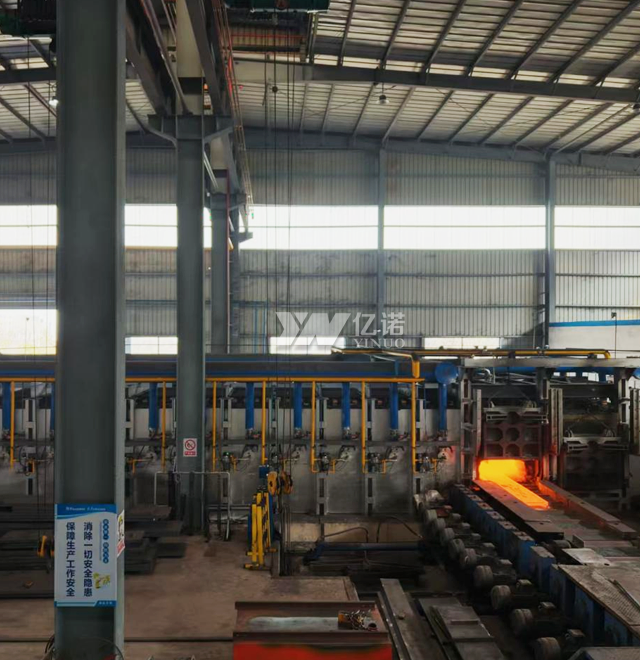
Before hot rolling, rolling mills use our systems to heat billets, blooms and slabs evenly. Bottlenecks stay down, thanks to fast heating rates and high thermal inertia. Temperature tolerances have to be tight in this job. That is what keeps mechanical stress out of forming operations.
Applications of Heavy Forging
Alloy ingots of large size require substantial heat penetration without overheating of the surface. The regenerative design can cope with complex temperature cycles and frequent door openings during ingot manipulation. The product remains efficient even at varying load circumstances when conventional furnaces are challenged.
Operations of Heat Treatment
Precision heat treatment techniques for tool steels, bearing components and aerospace alloys benefit from controlled environment and uniform temperature field. The solution is available in batch or continuous modes depending on your production schedule needs.
Non-Ferrous Metals Processing
Aluminium melting and holding applications benefit from the furnace's capacity to operate in a high-dust flue gas environment, providing the large heat load in a Regenerative Furnace needed for secondary aluminium scrap processing with very little dross development.
Regenerative Furnace FAQ
Q: Why do NOx levels still drop when preheat temperatures run high in this regenerative setup?
A: Staged combustion plays a part in that. HiTAC, or High-Temperature Air Combustion, is the other piece. Both together create an environment where oxygen is diluted. Peak flame temperatures drop because of this. Thermal NOx formation gets held back. Combustion still burns all the way through, and the environmental rules are satisfied.
Q: How long should the ceramic heat storage media last?
A: High-alumina honeycomb ceramic regenerators usually give 2–5 years of service. Flue gas dust content plays a part, and so do the operating conditions. Soot blowing at set intervals helps. Planned cleaning steps help too. Together they can add a lot to media life and hold heat transfer at peak performance.
Q: Can the system operate with low-calorific fuels like blast furnace gas?
A: Yes, low-BTU fuels gain a clear benefit from regenerative technology. The system preheats combustion air and fuel gas. That gives a stable, high-intensity flame. It works even when the fuel gas would fail to burn in a standard burner.
Q: Which switching frequency works best for the regenerators?
A: Most installations operate on 30 to 90-second reversing cycles. Shorter cycles maximize heat recovery efficiency, while longer cycles reduce mechanical wear on reversing valves. Our engineers help you optimize this parameter based on your specific fuel type and production requirements.
Q: How much does regenerative technology reduce metal oxidation loss?
A: Scale loss drops by 0.5–1.0% when compared with old burner systems. Two things make that happen: an even temperature field and a low-oxygen atmosphere you control. Run hundreds of tons a day and the raw material savings add up fast over a year.
Contact Our Engineering Team
Tell us what your Regenerative Furnace project needs. Write to our technical specialists at info@yinuofurnaces.com and you will get a solution proposal built around your case.