Walking Beam Furnace Refractory Lining Material - High-Performance Thermal Protection Solutions for Industrial Steel Heating Systems
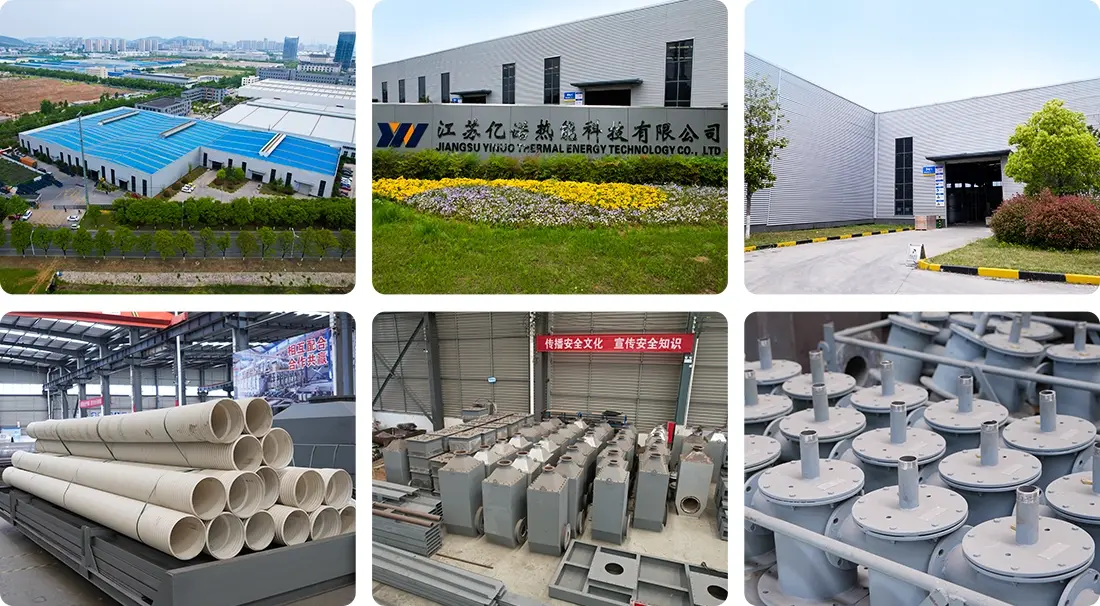
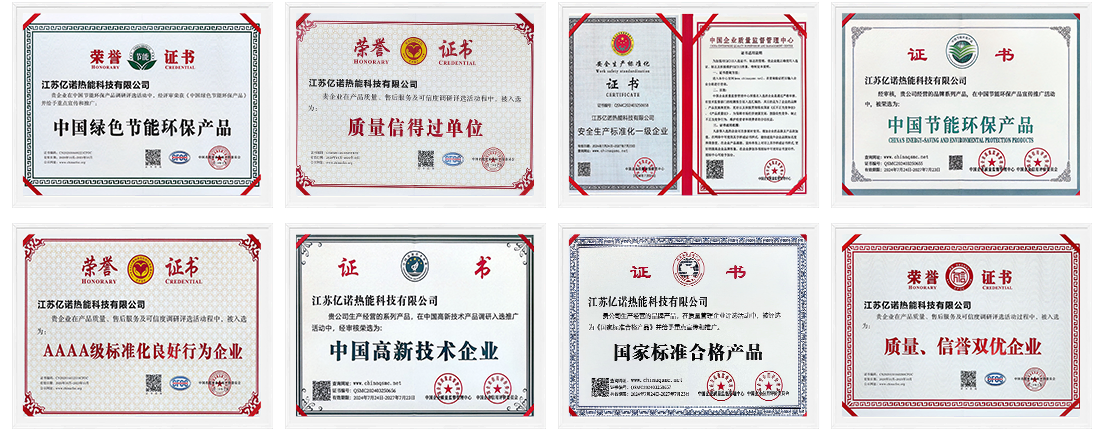
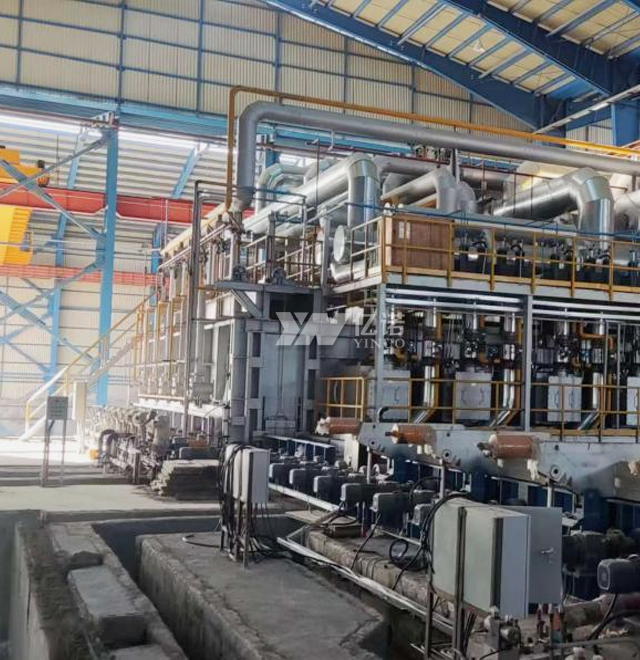
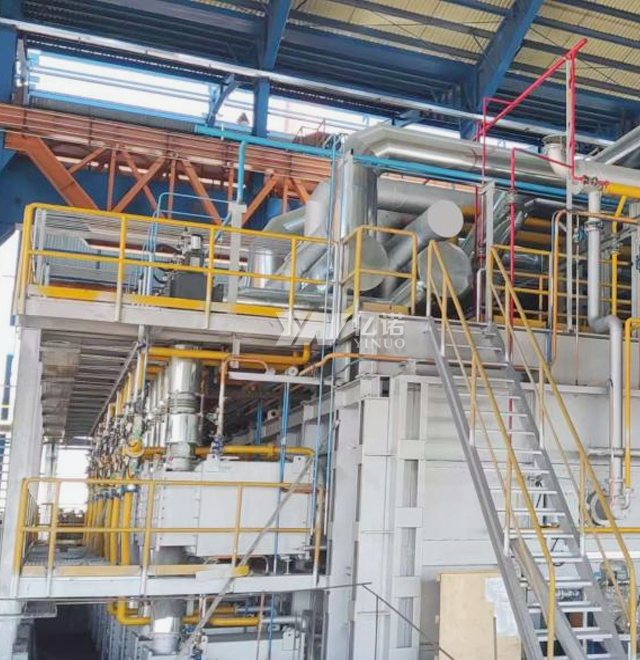
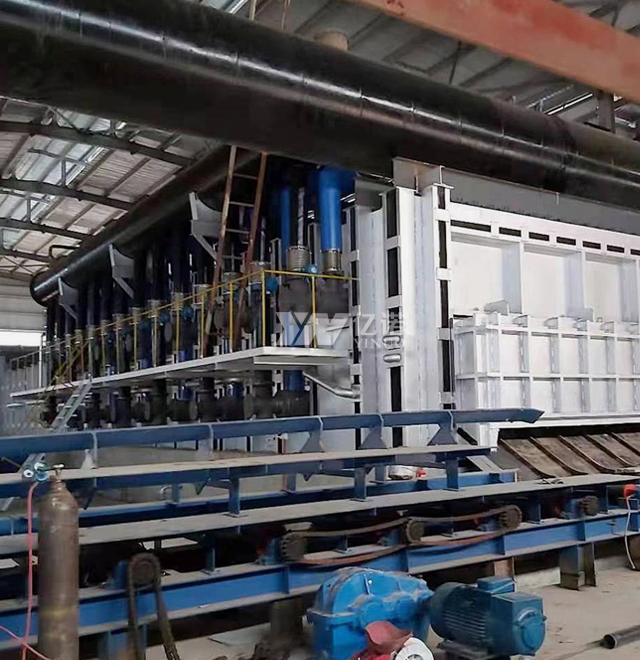
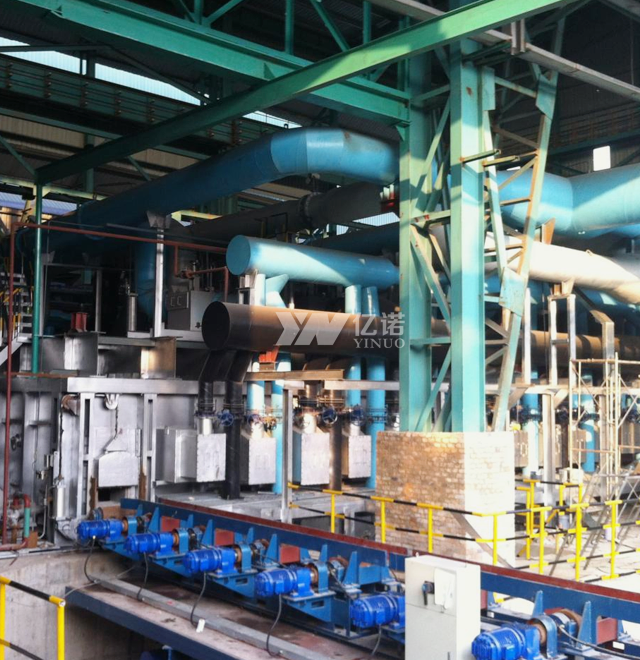
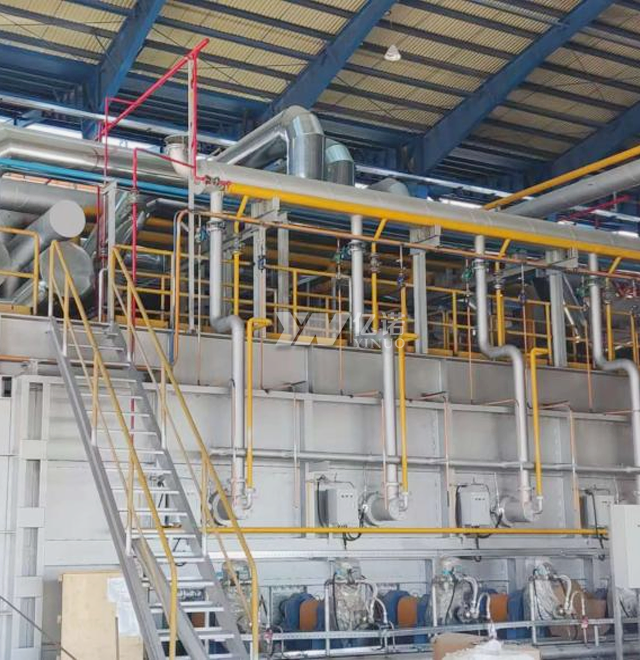
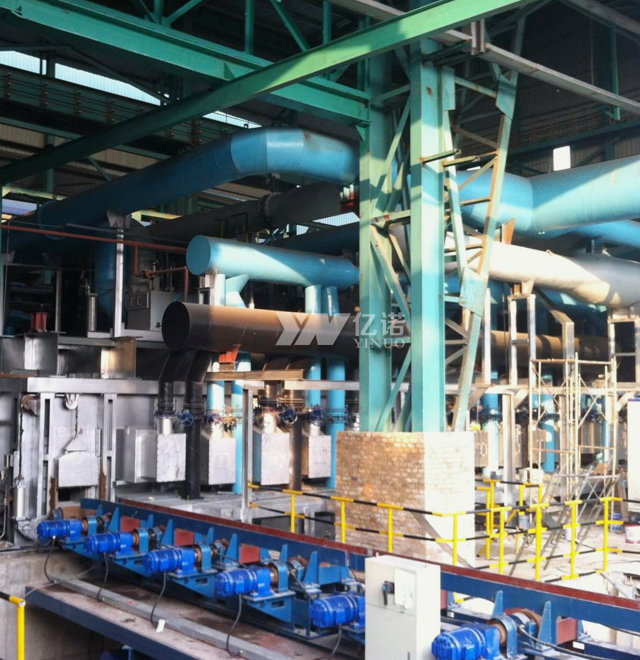
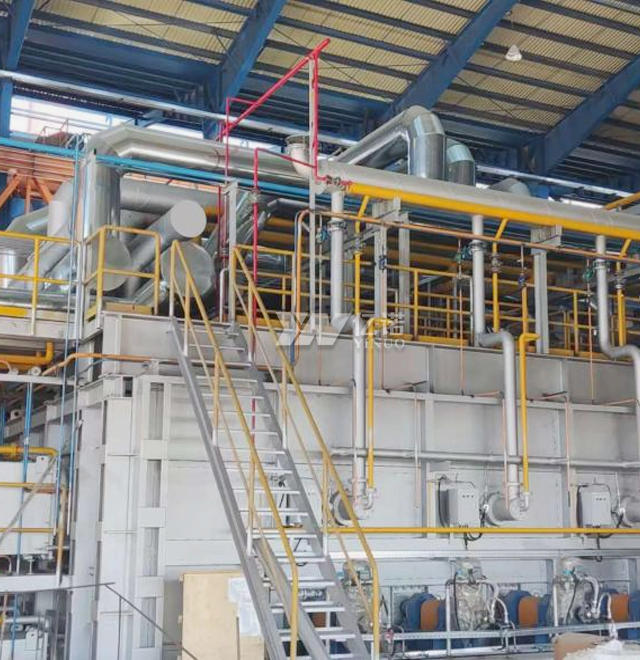
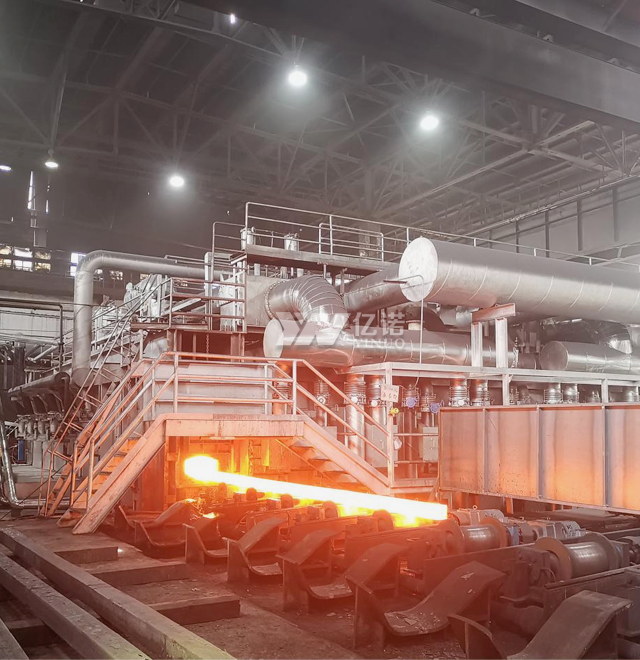
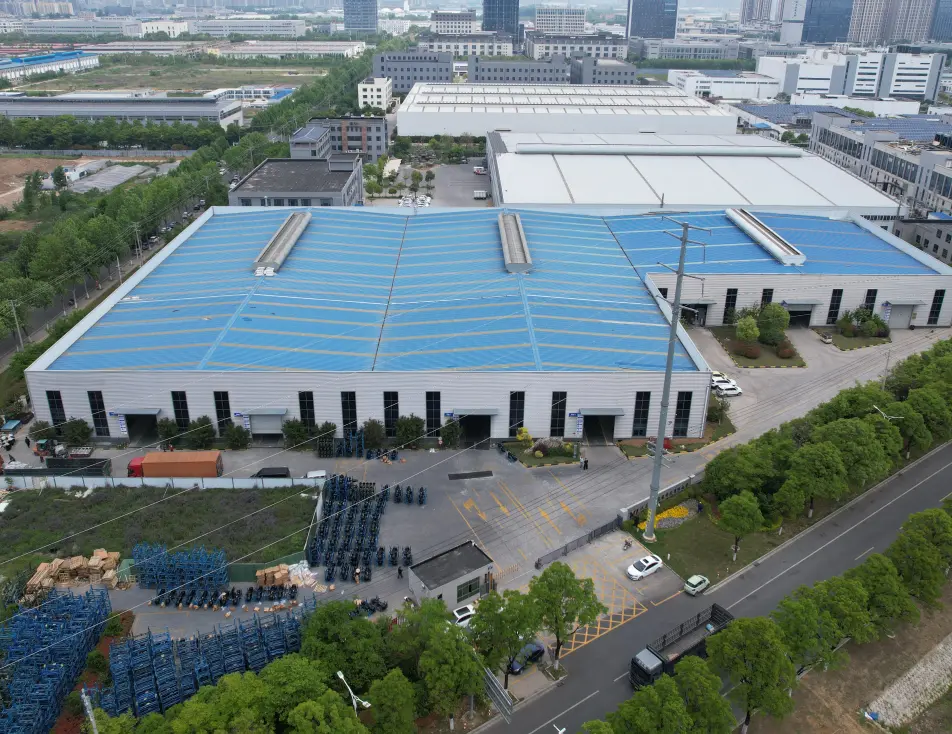
JIANGSU YINUO THERMAL ENERGY TECHNOLOGY CO., LTD puts its main focus on engineering-grade Walking Beam Furnace Refractory Lining Material. Continuous steel reheating asks a lot of any lining, and this one is made to handle it. More than 100 technical professionals work at the company. The plant covers 20,000㎡ and rests on 80 million yuan in fixed assets. Heating temperatures for our refractory solutions run from 1150–1250°C. Oxidation burning loss rates hold below 0.9%. Unit heat consumption stays at ≤1.05 GJ per ton of steel. Thermal shock resistance is strong. A dimensional stability of ±0.3% PLC has already proven itself in service. At maximum heating capacities your furnace infrastructure stays protected: 350 t/h for slabs and 200 t/h for standard billets.
Why Your Furnace Needs Specialized Refractory Protection?
Off-the-shelf refractories cannot handle the constant thermal cycling of a walking beam furnace. Each problem has its own cause. Steel billets travel by machine, so hearth surfaces get rubbed and worn all day. Doors also keep opening and closing. Every one of those cycles brings a quick temperature swing. Weaker materials crack under that load.
This product works as an engineered thermal barrier system. It insulates water-cooled structural components. At the same time it resists the scouring action of iron oxide scale at operating temperatures above 1350°C. Heat loss is blocked. Energy waste drops. Costly unplanned shutdowns caused by refractory failure are eliminated.
Most of the trouble comes from three problems. Heat and mechanical stress both land on the moving beams. Furnace gases carrying CO and alkali vapors go after the chemistry. Repeated heating cycles wear the structure down. Pick the right material mix for each furnace zone and the steel heats evenly. Equipment campaign life also stretches out much further.
Technical Specifications for Strong Performance
The refractory systems we supply follow strict international standards. Reliability holds up, even in tough B2B steel production settings.
| Parameter |
Specification |
| Refractoriness |
>1750°C |
| Cold Crushing Strength (CCS) |
>60 MPa (fired at 1500°C) |
| Permanent Linear Change (PLC) |
±0.3% |
| Abrasion Resistance (ASTM C704) |
<8cc loss |
| Bulk Density |
2.4–3.0 g/cm³ (zone-dependent) |
| Apparent Porosity |
18–22% (ISO 5017) |
| Thermal Conductivity |
0.8–1.5 W/m·K (backup layers) |
| Primary Composition |
High alumina (Al₂O₃), mullite-corundum |
| Quality Standards |
ISO 1927, ASTM C401 |
| Customization |
Available per customer requirements |
These materials contain high alumina aggregates. Alkali carbonization does not break them down. Grades made from corundum-mullite hit a hardness above 8 on the Mohs scale. Falling scale keeps hitting hearth sections, and they need that kind of hardness.
Key Advantages That Protect Your Investment
Strong Thermal Shock Resistance
Doors open. Production stops. Fast temperature swings come from both, and our formulations hold up through them. Water-quenching tests check repeated thermal cycling. That is how material integrity gets confirmed, and it keeps early spalling from happening.
Exceptional Abrasion Resistance
High-density aggregates are what hearth castables carry. Moving billets cause mechanical wear, and these aggregates fight it. ASTM C704 testing puts loss rates under 8cc. In furnace zones with heavy traffic, that adds up to a longer service life.
Dimensional Stability Under Heat
Permanent Linear Change holds at ±0.3%. Thousands of heating cycles pass, and the structural geometry does not move. No gaps can open. Heat loss and combustion inefficiency do not get a chance to follow.
Low Heat Transfer Keeps Energy Costs Down
Backup insulation layers slow the heat that reaches structural steel and water-cooled parts. Fuel use drops as a result. Your furnace runs at better thermal efficiency too.
Stands Up to Furnace Atmospheres and Chemicals
Specialized binders resist CO gas carbonization and alkali vapor attack. Materials maintain strength even when exposed to reducing atmospheres and iron oxide scale contact.
Flexible Installation Methods
You can get it as pre-cast shapes, low-cement castables, plastic refractories, or mixes ready for shotcrete, all for Walking Beam Furnace Refractory Lining Material. Rheology modifiers let crews install it fast. Material density and performance stay the same.
Zone-Specific Application Engineering for Walking Beam Furnace Refractory Lining Material
Fixed and Moving Beam Insulation
Water-cooled pipes carry the walking mechanism, and pre-cast refractory shapes wrap them. Heat normally leaks into the cooling water. Specialized ramming mixes stop that loss and also hold up against mechanical vibration. In these moving zones, stainless steel fiber reinforcement fights thermal-mechanical stress.
Furnace Hearth and Skid Rail Areas
Heavy billet loads need strong castables that resist abrasion. Iron oxide scale scours the surface, and these materials take it at temperatures up to 1350°C. Constant mechanical contact and thermal shock do not break down their structure.
Roof and Burner Block Zones
Lightweight castables still stand up to high heat. Direct flame impingement does not bother them. Burner port geometry stays intact with plastic refractories, which keeps combustion efficient. At installation, organic drying fibers go in and form micro-pores. First heat-up can then pass without explosive spalling.
Expansion Joint Design
Thermal growth gets absorbed by expansion joints, which are sized for that job. Stress does not pile up in one spot. A crack cannot move from one furnace section to the next. The whole lining campaign lasts longer as a result.
Quality Control Protocols You Can Trust
Every batch gets a full inspection before it ships. That check follows our quality management system. National and industrial standards guide it too.
XRF gives us the chemical breakdown. It shows whether the Al₂O₃ and Fe₂O₃ levels sit inside the spec. We also run bulk density and apparent porosity tests under ISO 5017. Those two tell us the material stays consistent.
Thermal shock resistance is tested by quenching in water or air. This shows how the product copes with fast temperature swings. For abrasion resistance we use ASTM C704. Hearth materials are checked against the durability requirements that way.
Flowability and setting time for the Walking Beam Furnace Refractory Lining Material are checked on each batch of monolithic castable. Installers then know the mix will act the same way every time. Ultrasonic NDT looks inside pre-cast beam shapes for voids or cracks before commissioning.
Our quality inspection team is made up of certified engineers and inspectors. Every product gets checked against ISO and ASTM standards. Nothing ships to your facility until that is done.
FAQ
Q: How does this material handle the mechanical impact of falling scale?
A: We use high-density corundum-mullite aggregates. They reach a Mohs hardness of 8+. Steel gets heated, and abrasive iron oxide scale forms. This mix is built to resist it.
Q: Why do walking beam refractories crack?
A: Heat and mechanical load together usually cause the cracking. Our answer is stainless steel fiber reinforcement. We also tune the expansion joint designs so the parts can move without the material breaking down.
Q: Is shotcreting an option for installing these materials?
A: Yes. The low-cement mixes we make today contain rheology modifiers. Thanks to them, shotcreting runs at high efficiency. Density and bond strength stay where they should.
Q: What stops explosive spalling when the material first heats up?
A: We add organic drying fibers. They melt at low temperatures and leave micro-pores behind. Steam escapes through them safely during the curing cycle, so explosive failure cannot happen.
Q: How long does hearth lining usually serve?
A: Steel grade matters here. Throughput does too. A lining that is built well usually holds up for 3 to 5 years, with small touch-ups along the way. Downtime drops. So does the money you spend on replacements, by a wide margin.
Partner With Refractory Specialists
Email our technical team at info@yinuofurnaces.com. Tell us what you need to protect on your Walking Beam Furnace Refractory Lining Material,.