Building An Induction Forge: Advanced Electromagnetic Heating Systems for Industrial Forging Applications
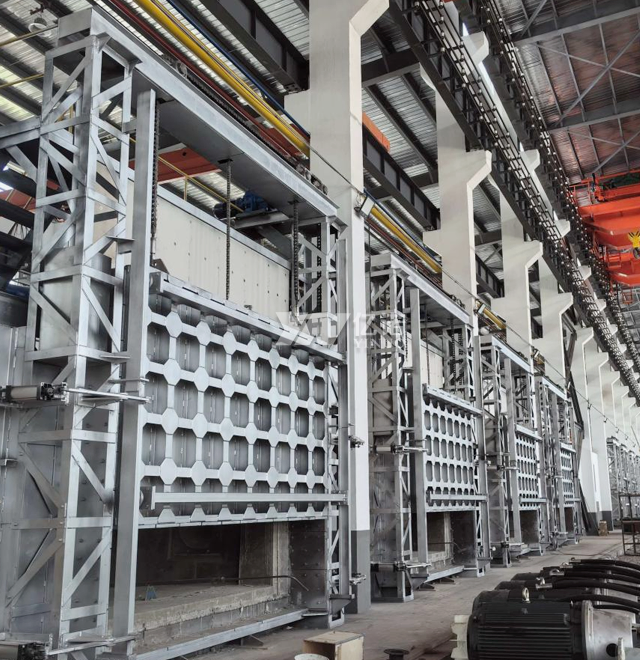
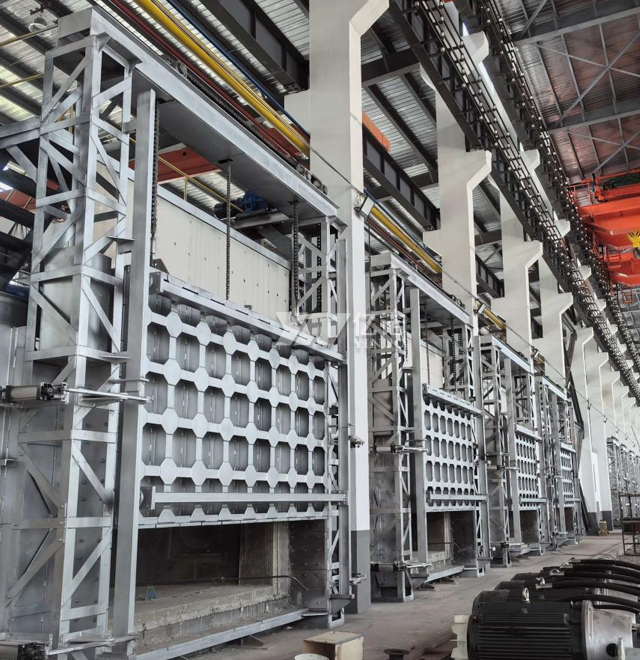
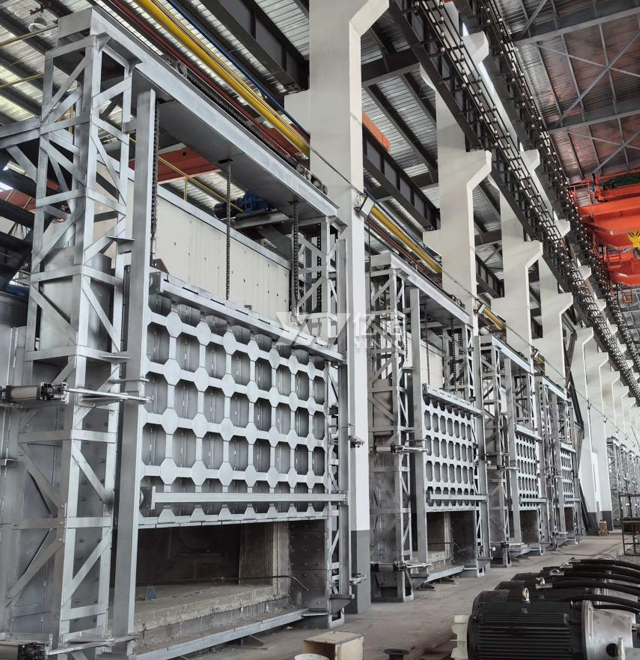
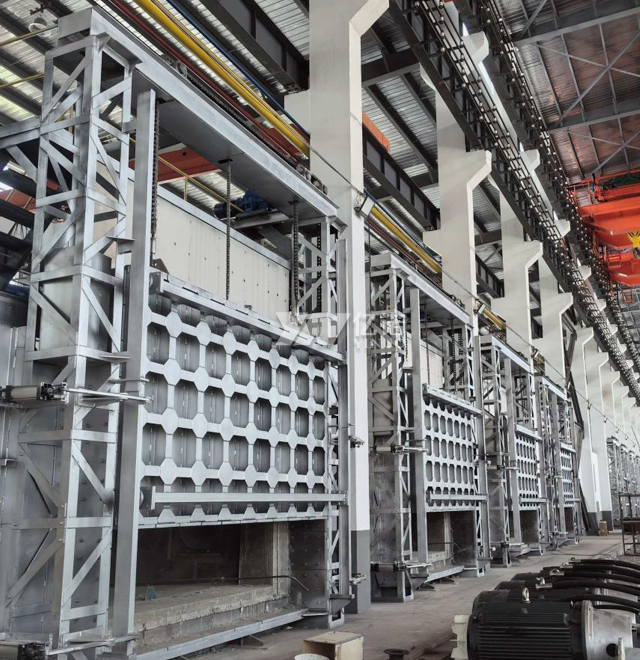
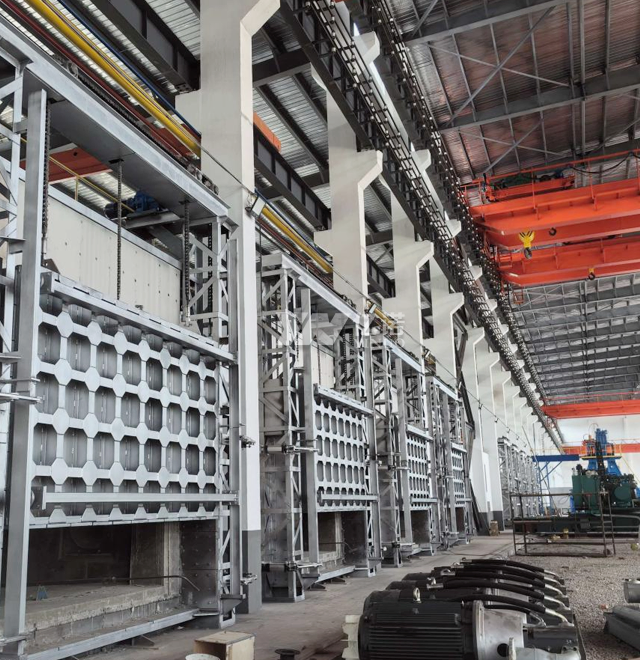
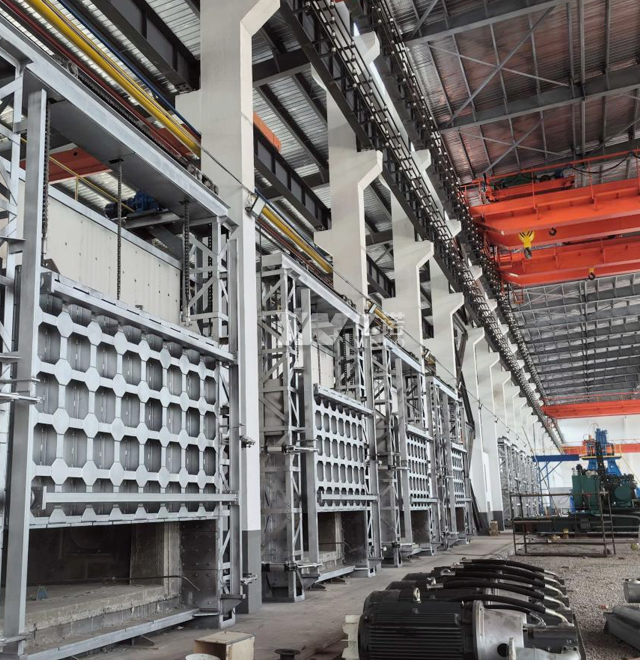
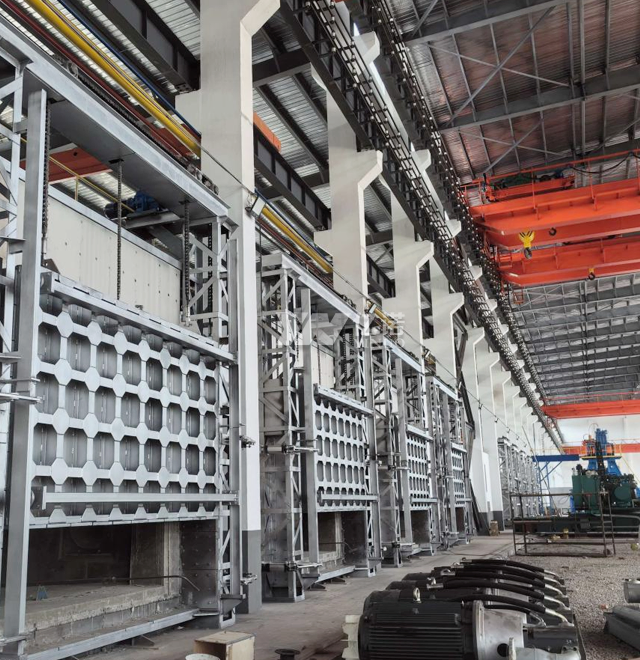
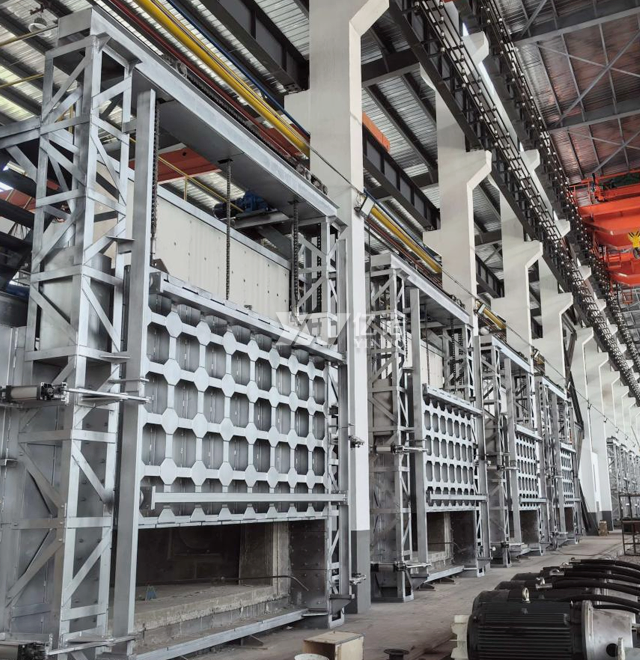
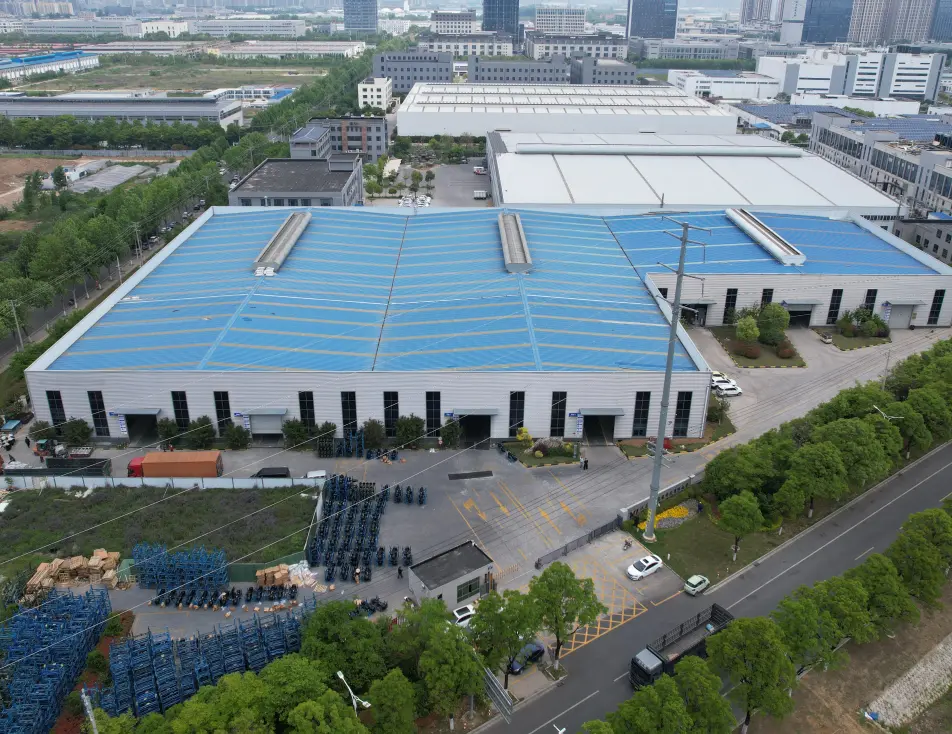
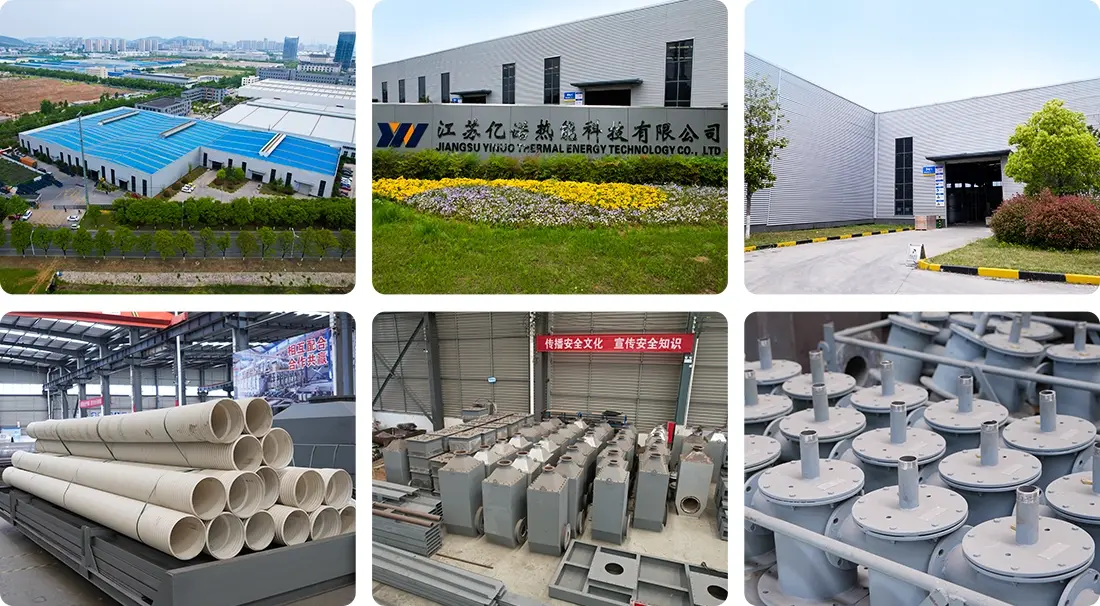
The team at JIANGSU YINUO THERMAL ENERGY TECHNOLOGY CO., LTD builds Building An Induction Forge systems. Rated melting capacity runs from 0.1t to 50t. Steel, iron, copper, aluminum and alloy materials all work in these units. Our plant covers 20,000㎡, and 80 million yuan sits in fixed assets behind it. More than 100 technical professionals work there too. Electromagnetic heating solutions from us reach top temperatures of 1600–1800℃ for ferrous metals. One melt cycle takes 20–60 minutes, and the time depends on the metal type. Next to traditional gas-fired forges that is strong efficiency, and oxidation losses stay low.
What Makes Our Induction Forge Systems Different?
Thinking about upgrading your metalworking operation? Then it pays to know how induction heating works. Copper coils in our systems carry a high-frequency electromagnetic field. That field sets up eddy currents right inside your workpiece. No open flame is needed here. No external heat source either.
So what comes out of it? Faster heating cycles, plus far less material waste. Conventional forges throw energy away through exhaust gases. Ours does not. Nearly every bit of the electrical energy goes straight into the metal.
Things run cooler and cleaner on your production floor. The furnace body is closed, so outside air can't get in and contaminate the melt. Temperature stays exact through every heating cycle.
Technical Specifications
| Parameter |
Specification |
| Rated Melting Capacity |
0.1t–50t (steel, iron, copper, aluminum, alloys) |
| Single Melting Cycle Time |
20–60 minutes (varies by metal type and tonnage) |
| Maximum Melting Temperature |
1600–1800℃ (ferrous metals); 800–1200℃ (non-ferrous metals) |
| Hourly Melting Output |
Matched with capacity and power configuration |
| Metal Charging Method |
Manual feeding, overhead crane, automatic skip feeding |
| Customization |
Available based on specific requirements |
Core Advantages for Your Operation
Fast Melting & High Production Efficiency
Heat starts right inside the metal itself. That is what induction does, and it pushes your throughput up fast. You don't sit around waiting for heat to arrive from the outside. The melt cycle gets much shorter. Charging, melting, and tapping take less time, so you produce more every hour.
Precise Temperature Control & Stable Molten Metal Quality
You make sure each batch is the same quality. Stepless power adjustment with real time temperature monitoring with infra-red thermometers optional. This provides a uniform molten metal temperature and hence efficiently reduces casting flaws like porosity and shrinkage voids.
Low Metal Burning Loss
The closed furnace body keeps the molten metal surface temperature low, reducing your raw material cost. Steel, copper and aluminium oxidation burning loss is still significantly lower than gas powered alternatives, thus boosting your bottom line.
Industry Applications
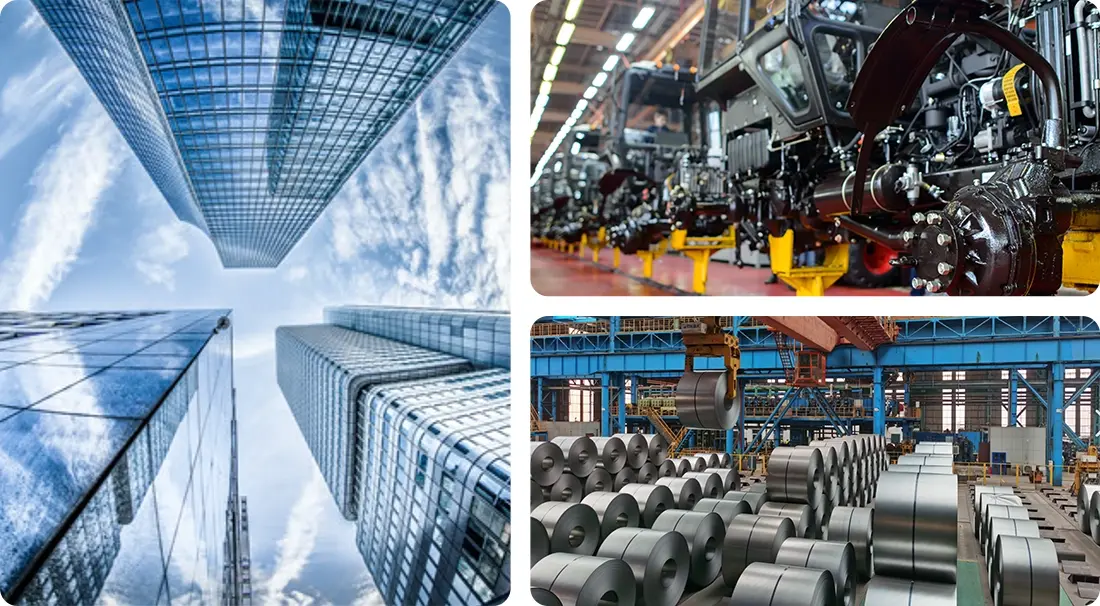
Your specific industry requirements determine the optimal configuration when Building An Induction Forge system. Automotive manufacturers rely on these systems for high-speed automated forging lines producing crankshafts and gears where uniform through-heating ensures structural integrity.
Precision tooling operations benefit from differential hardening capabilities. You can heat only the specific blade section requiring deformation, giving you unmatched control over high-carbon steel processing.
For aerospace forging inside vacuum or inert gas chambers, induction heating is hard to replace. Exotic alloys have to reach critical forging temperatures without picking up anything from the air. Heating by combustion just can't do that job.
Quality Assurance Standards When Building An Induction Forge
Every system is thoroughly tested before shipping. We have quality control procedures to prevent high-voltage arcing with insulation resistance testing, coolant flow and pressure analysis to ensure thermal management, and testing for power factor correction efficiency.
We run a harmonic distortion study. Its job is to prove that high frequency switching puts no noise into your power system. During load testing, thermal imaging shows a homogenous heating pattern on workpieces, and this meets ASTM E1316.
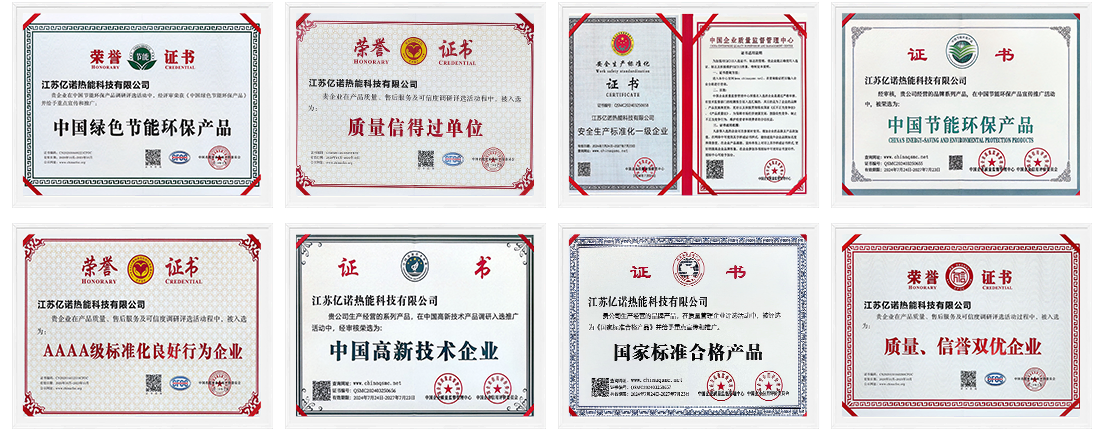
Our quality management system for Building An Induction Forge covers it all and meets IEC 60519 for electro-heating installation safety, plus ISO 13577 for industrial furnaces. From there, electromagnetic compatibility and thermal stability stay in place through the continuous duty cycle.
FAQ
Q: Why is frequency selection critical when the product?
A: Frequency sets how deep the heat goes. At lower frequencies you get through-heating of large billets. Higher frequencies push the heat to the surface instead. The size of your workpiece and what you need to heat decide the right frequency range.
Q: What kind of cooling will the setup need?
A: In most cases you need your own water chillers or heat exchangers. They hold the induction coils and the power semiconductors (IGBTs) at safe running temperatures while the machine works non-stop.
Q: Does it handle non-ferrous metals, aluminum for example?
A: Yes. Aluminum does need different coil setups and frequencies than steel, though. Each metal has its own resistivity and permeability. That means the setup has to be built for the metal you use.
Q: How does energy consumption compare to propane forges?
A: Induction is much more efficient. The reason is simple: it heats the metal itself. With a gas forge, as much as 80% of the energy leaves as exhaust heat. Induction sends almost all of it into your workpiece.
Q: Which safety steps keep operators safe from electromagnetic fields?
A: Shielding that works, plus keeping a safe gap from the work coils, keeps operators safe. EMF radiation meters check that safety standards are met.
Ready to Transform Your Forging Process?
Reach our engineering team at info@yinuofurnaces.com to talk over your exact Building An Induction Forge needs. We will then send a solution proposal built around your case.