Induction Furnace For Forging | Advanced Heating Solution for High-Performance Metal Forming Operations
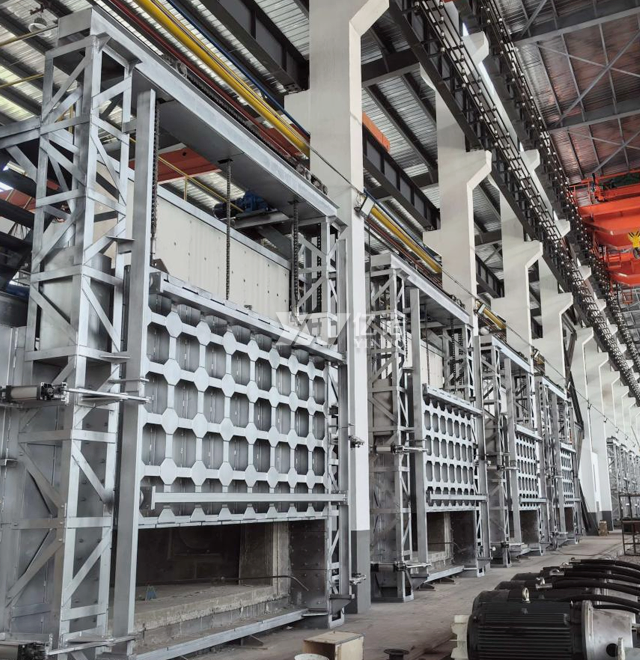
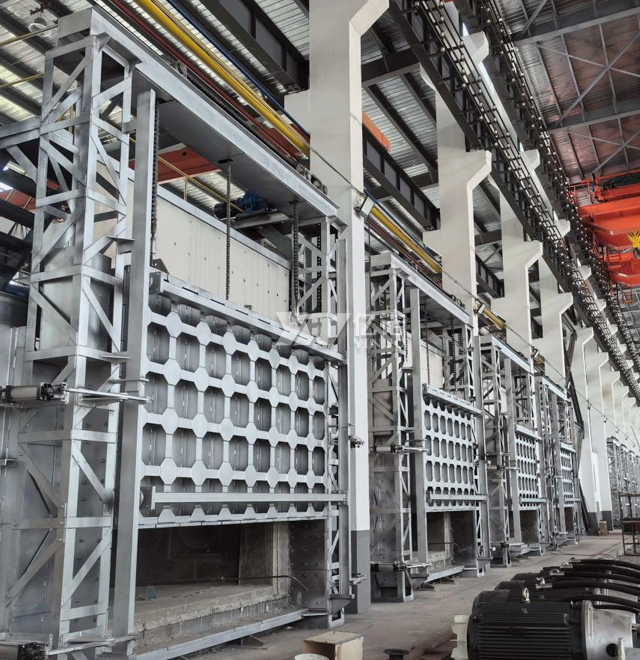
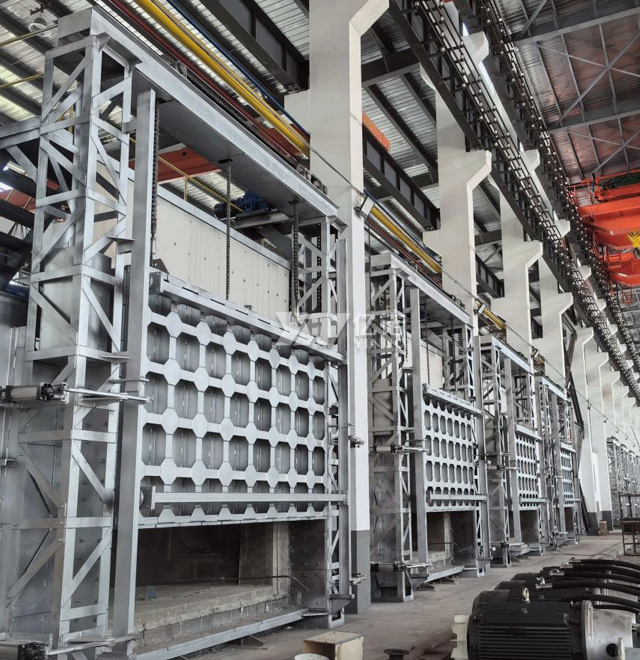
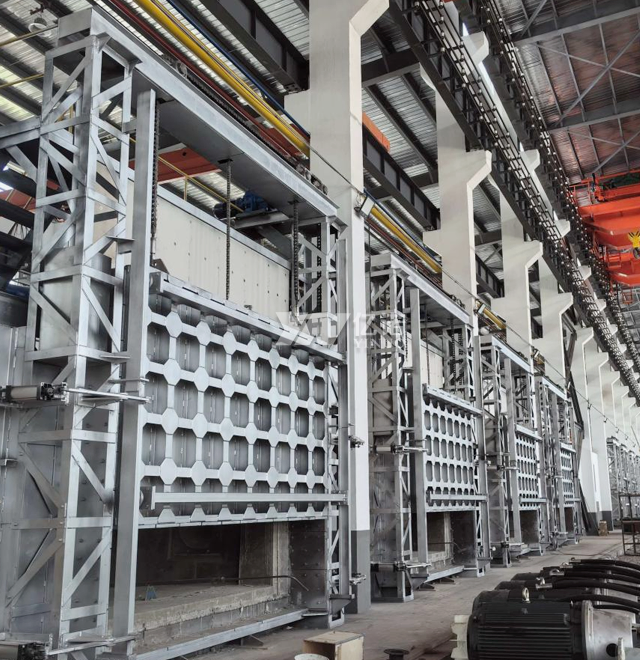
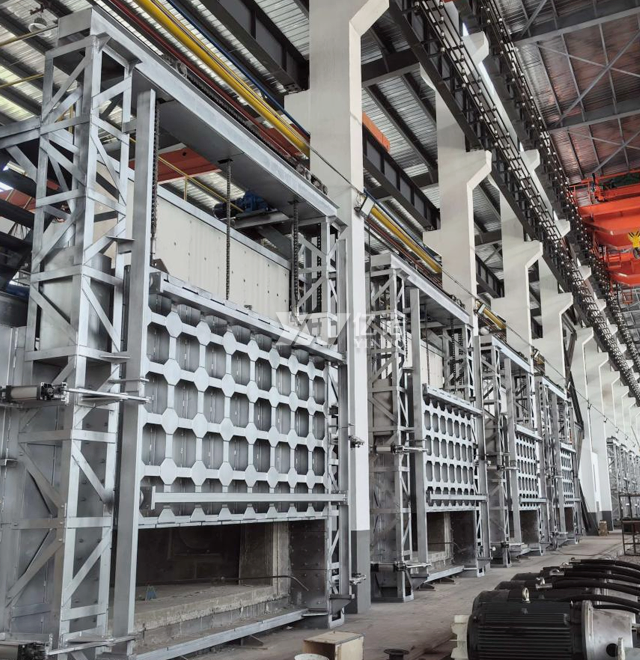
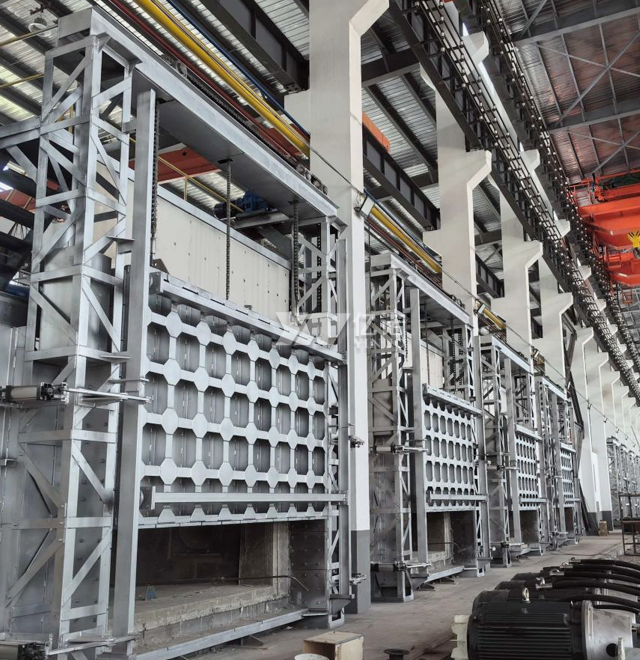
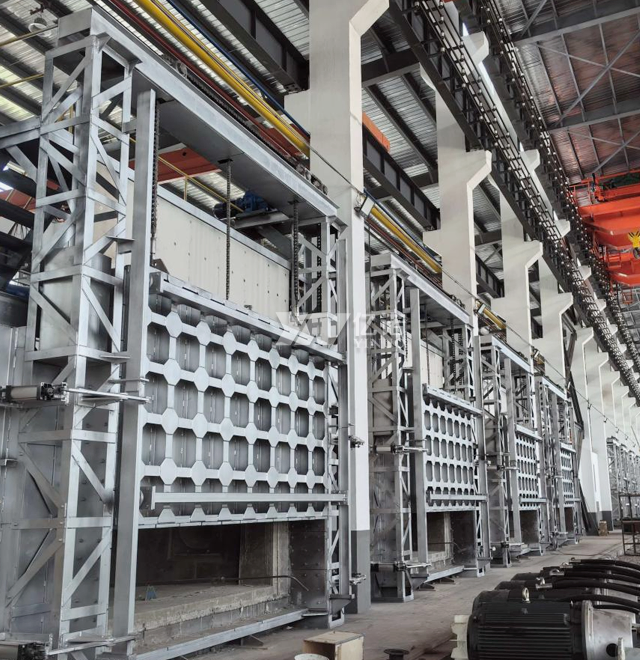
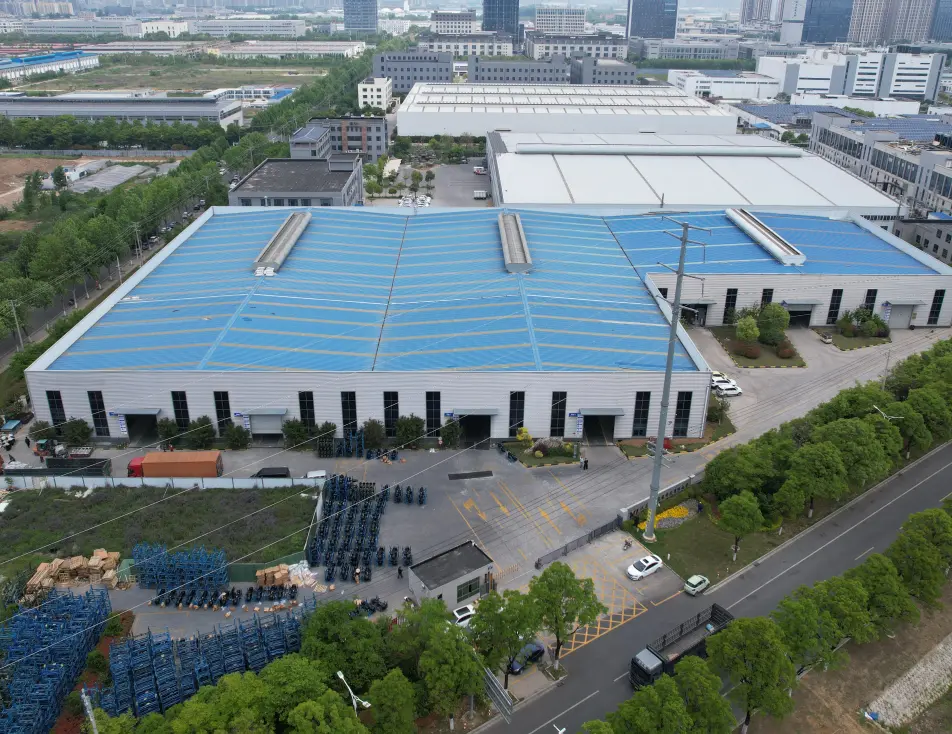
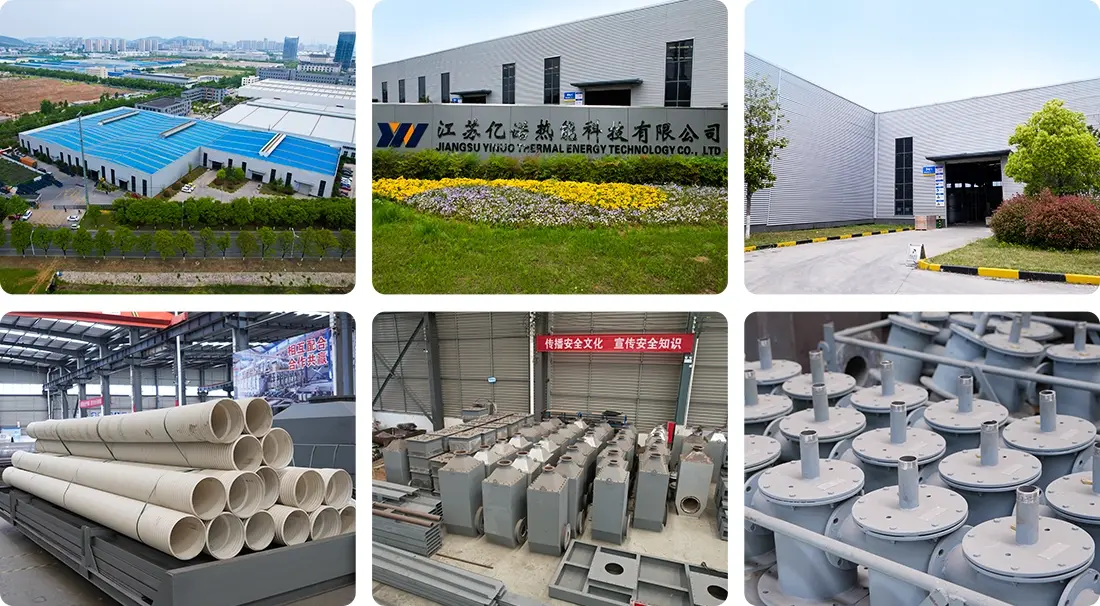
Metal forming shops expect a lot from the equipment they run. JIANGSU YINUO THERMAL ENERGY TECHNOLOGY CO., LTD builds industrial-grade Induction Furnace For Forging systems made for that kind of workload. Steel, iron, copper, aluminum and alloy jobs all run through them, with a rated melting capacity of 0.1t to 50t. Ferrous metals top out at 1600–1800℃. For non-ferrous metals the ceiling sits at 800–1200℃. Our plant covers 20,000㎡ and holds 80 million yuan in fixed assets. More than 100 specialized engineers work here. One melt cycle runs 20–60 minutes, and the exact time depends on the material you process and the tonnage of the furnace.
Why Choose Our Induction Heating Technology for Metal Forging?
You need uniform heating and low material loss for your forging process. Our product generates heat inside metal billets by means of electromagnetic induction and does not have the heat transfer losses that happen outside in traditional gas furnaces.
Closed furnace body design keeps molten metal surface temperatures low. This minimises oxidation burning loss to less than 0.5% compared to 2-3% in gas fuelled systems. This results in considerable raw material cost savings over the whole production cycle in steel, copper and aluminium processing.
You have accurate control with real-time temperature monitoring systems with optional Infrared Pyrometers. The stepless power adjustment maintains the molten metal at the same temperature throughout the heating process, therefore decreasing casting flaws such as porosity and shrinkage cavity formation.
Technical Specifications
| Parameter |
Specification |
| Rated Melting Capacity |
0.1t–50t (steel, iron, copper, aluminum, alloy materials; customizable) |
| Single Melting Cycle Time |
20–60 minutes (varies by metal type and furnace tonnage) |
| Maximum Melting Temperature |
1600–1800℃ (ferrous metals); 800–1200℃ (non-ferrous metals) |
| Hourly Melting Output |
Matched with furnace capacity and power configuration |
| Metal Charging Method |
Manual feeding, overhead crane feeding, automatic skip feeding |
| Temperature Control Precision |
±5°C for critical aerospace and automotive applications |
| Customization Options |
Available based on customer requirements |
Key Performance Advantages
Fast Melting & High Production Efficiency
The heat builds up inside the metal itself, so nothing has to sit and wait for warmth to travel in from outside. Short melt cycles cut charging, melting and tapping time a good deal. Hourly output climbs. Each batch still meets the same quality criteria.
Precise Temperature Control & Stable Molten Metal Quality
Real-time temperature monitoring devices measure your metal temperature. This precision is critical in aircraft superalloy components that need certain temperature conditions for titanium and nickel based alloys. In critical applications over-heating results in grain growth that leads to failure of components.
Low Metal Burning Loss
The enclosed heating environment protects your substance from oxidation in the atmosphere. The surface temperature is adjusted during the melting. This advantage is especially critical when processing costly alloy materials when every percentage of yield effects your bottom line.
Industrial Applications
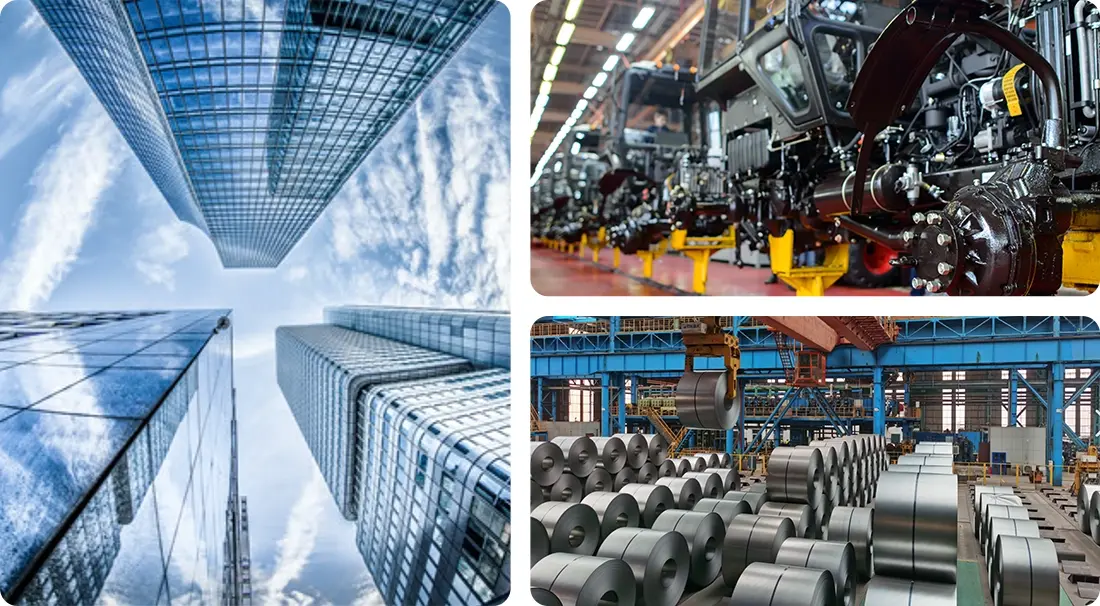
Automotive Component Manufacturing
Crankshafts, camshafts and transmission gears for high-speed automated forging lines are made on our furnaces. Every component reaches the press at the temperature the job calls for, so metallurgical properties stay repeatable. Large diameter billets heat evenly all the way through. That is what keeps mechanical integrity in the finished parts.
Aerospace Fasteners and Turbine Output
Parts that keep a flight safe need tight heat control. Our Induction Furnace For Forging runs with protective atmospheres. That cuts grain growth and oxidation in superalloys and titanium. Fast heating cycles keep the material properties that turbine blades and structural fasteners depend on.
Heavy Industrial Tooling & Continuous Fastener Hot-Heading
Large-scale flange production and construction hardware manufacturing benefit from quick-change coil designs. For high-volume bolt manufacturing, high-frequency pulse heating targets bar stock ends while maintaining structural properties in unheated portions. The forging zone reaches perfect plasticity for header die operations.
Quality Control & Inspection Standards for Induction Furnace For Forging
Your investment requires rigorous quality assurance. Our quality inspection department follows comprehensive protocols before every shipment:
Insulation Resistance Testing relies on Megger testing. Coils stay safe, and arcing during high-voltage operation gets prevented. Hydrostatic pressure testing checks copper induction coils and water-cooling manifolds. They must hold up under operating pressure with no leaks.
Infrared pyrometry and thermal imaging are both used in Temperature Uniformity Surveys. The job is to check that core-to-surface temperature differences stay within 20°C. Every billet section then gets the same heat, and that gives you consistent forging results.
Harmonic Distortion Analysis shows whether your power supply meets IEEE 519. Clean power matters because grid pollution can affect other equipment in the plant. Load matching efficiency tests then check maximum power transfer for the different billet sizes you process.
Complete Engineering Support
Support runs the whole way, from the first furnace design to installation, commissioning, and Induction Furnace For Forging project management after that. Mechanical engineers work on this. So do automatic control specialists and quality inspection professionals. Heating systems get built around your production requirements.
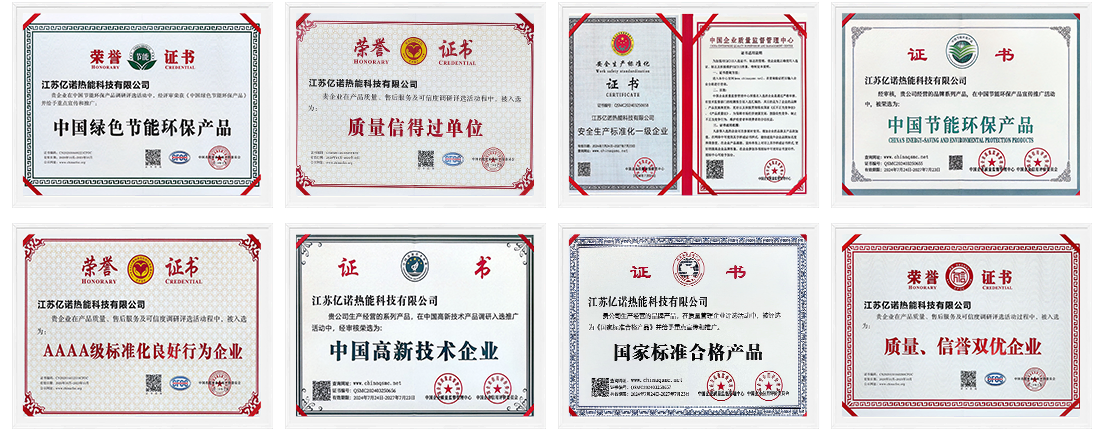
Each product gets checked through standard inspection steps that follow national and industry quality rules. Our quality management system is thorough. It means your equipment shows up ready to run well from day one.
FAQ
Q: How does frequency selection affect heating depth in forging applications?
A: Lower frequencies reach deeper into large-diameter billets. Smaller billets work better with higher frequencies. This way the energy absorbs efficiently through the electromagnetic skin effect, matched to the size of your billets.
Q: What kind of upkeep does the induction coil system need?
A: Check the refractory lining, look for water scale in the cooling paths, and test the coil insulation. Do this on a regular schedule. Those checks keep the system reliable. They also stop short circuits that would halt production.
Q: Can your furnace handle different billet shapes?
A: Yes. We build custom coil designs for rectangular, round, or oval cross-sections. Whatever the billet shape, each coil setup heats it evenly. That gives you room to move across product lines.
Q: How is temperature overshoot prevented during line stoppages?
A: The PLC control system includes energy-saving and standby modes. When your line stops, the system automatically throttles power or uses motorized extraction to remove billets from the heating zone, preventing overheating damage.
Q: What is the typical scale loss reduction compared to gas furnaces?
A: Induction heating reduces scale loss to less than 0.5%, compared to 2-3% in gas furnaces. This material yield improvement significantly impacts your raw material costs, especially when processing expensive alloys.
Contact Our Technical Team
Ready to improve your forging operation's efficiency and material yield? Contact us at info@yinuofurnaces.com to begin your Induction Furnace For Forging consultation.