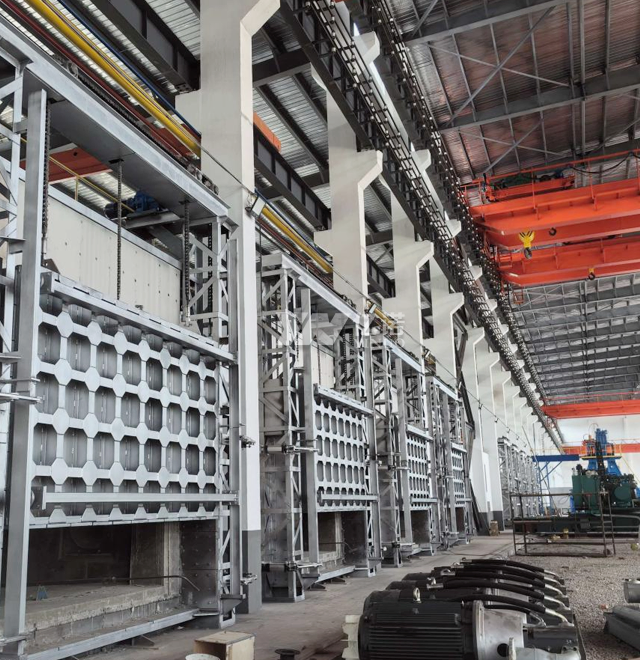
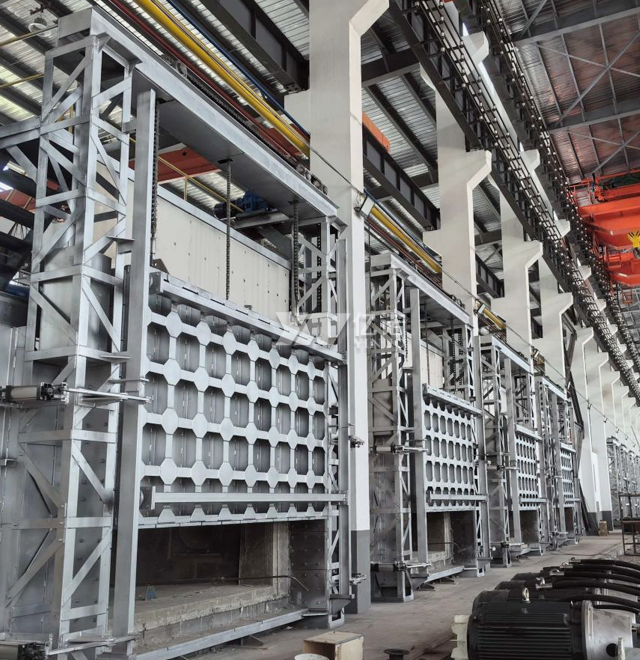
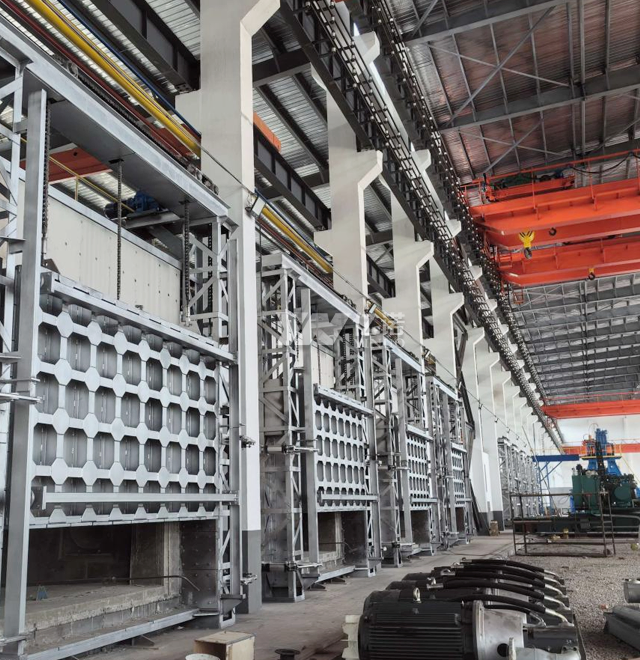
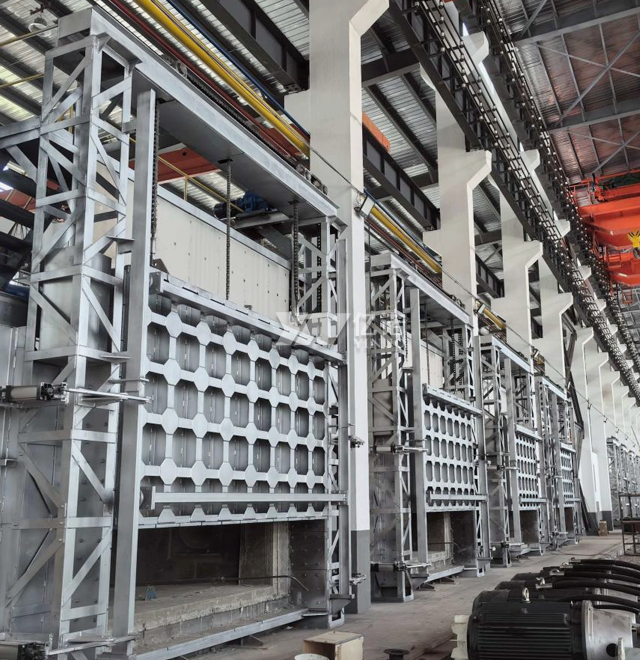
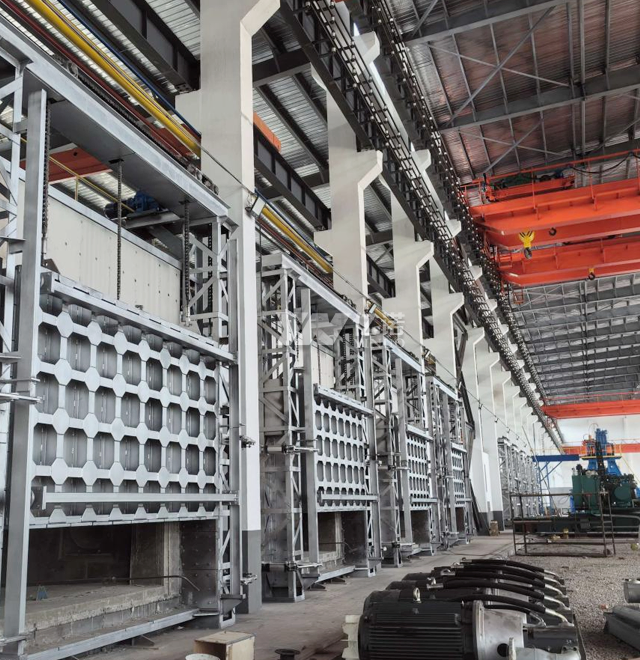
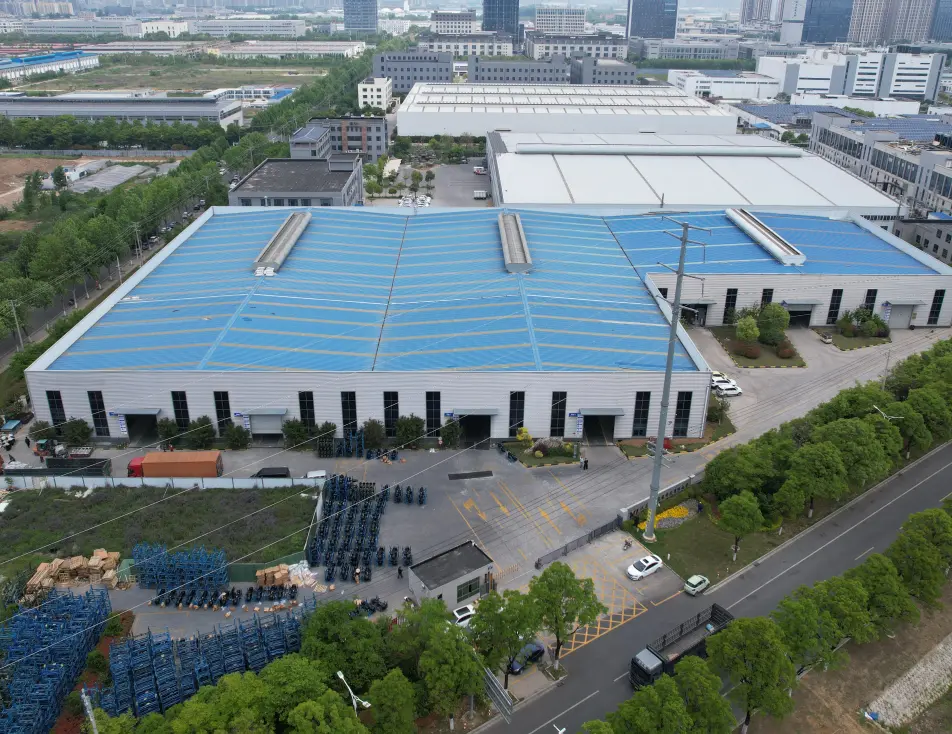
Billet Forging Induction Heating Furnace – Advanced Electromagnetic Heating Solution for Precision Forging
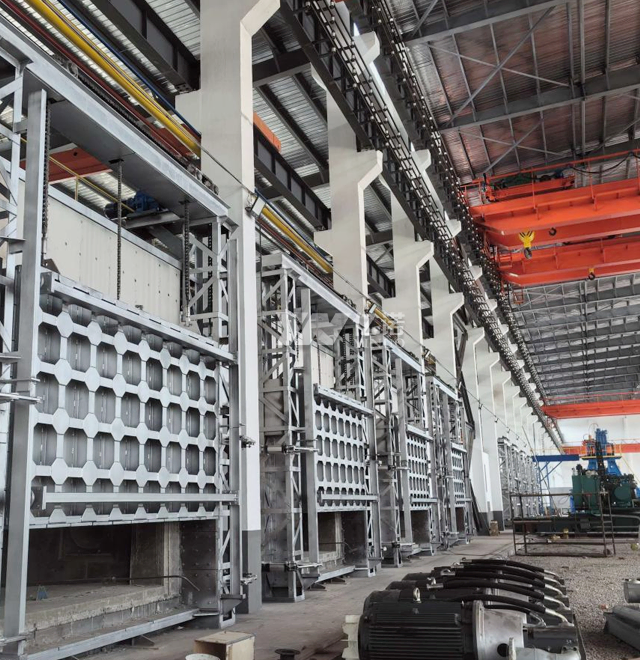
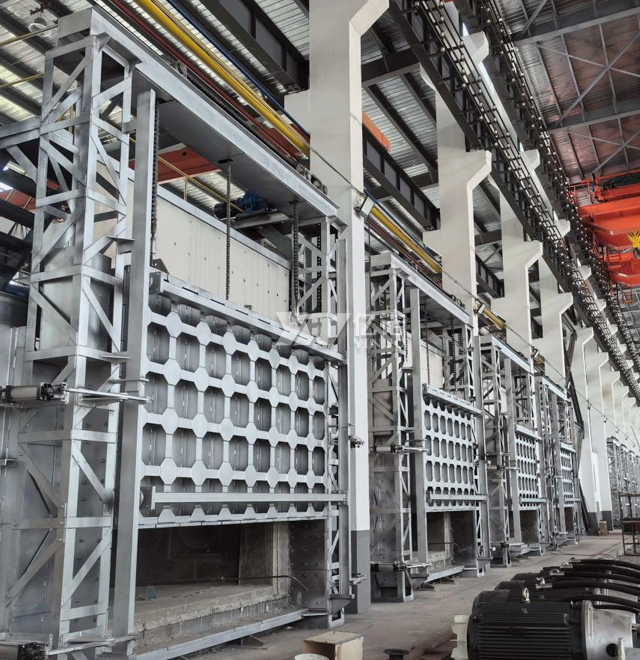
JIANGSU YINUO THERMAL ENERGY TECHNOLOGY CO., LTD designs and manufactures Billet Forging Induction Heating Furnace systems. Both the design work and the build happen in house. Low energy use and tight temperature control are what you get. Our production facility covers 20,000㎡, and more than 100 skilled professionals work there. Electromagnetic heating solutions from us hit 70-80% thermal efficiency. Traditional gas furnaces sit far below that. Chamber sizes are made to match your workpiece dimensions and the throughput you run. On top of that, multi-layer composite lightweight insulation keeps surface heat loss down. Temperature stays within ±10°C thanks to IGBT inverter modules. A steel welded frame structure holds the unit steady through years of operation.
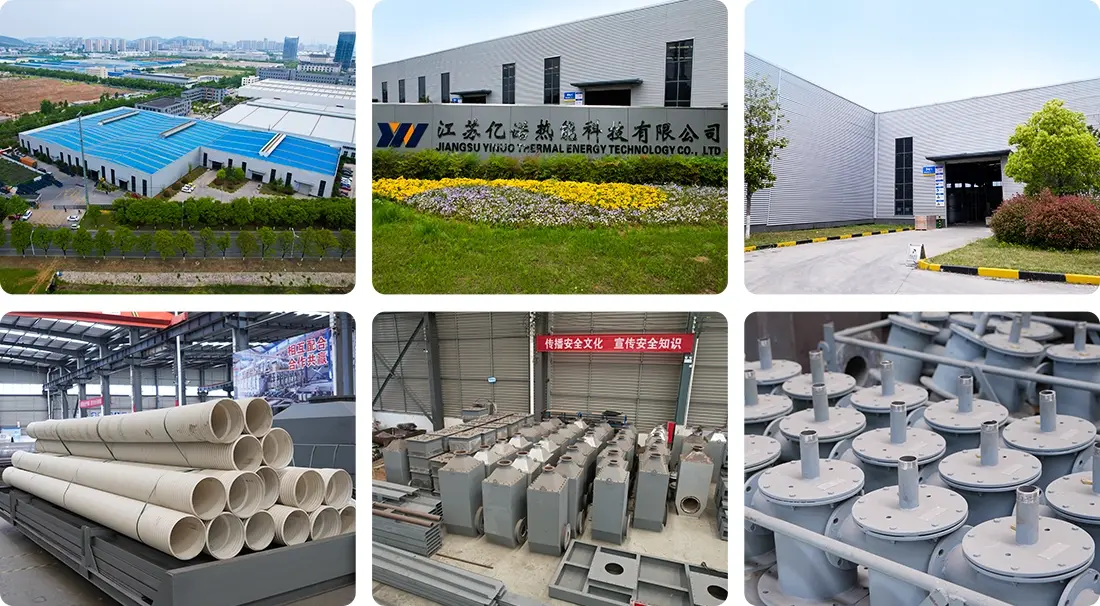
What is furnace?
The product is a high-tech electrothermal system. It brings metal billets up to forging temperatures of 1100 °C to 1250 °C, and it does that with electromagnetic induction. Conventional furnaces work another way. Here the heat builds up right inside the workpiece through eddy currents. Thermal transfer is quick as a result.
Excessive oxidation scale losses are one industry problem this method solves. Uneven temperature distribution is another, and it leads to forging flaws. Long startup times go away too. Localised and regulated heating becomes possible. From there you get high-speed automated manufacturing, and metallurgical integrity stays intact. Carbon emissions fall as well.
The working frequency usually varies from 500 Hz to 10 kHz, optimised according to the billet diameter to achieve maximum energy absorption through the skin effect phenomenon.
Key Technical Specifications
| Parameter |
Specification |
| Effective Heating Chamber Size |
Customized based on workpiece size and production throughput |
| Overall Outer Dimension |
Length × Width × Height (Customized) |
| Furnace Lining |
Multi-layer composite lightweight heat insulation lining, low surface heat loss |
| Furnace Door |
Sealed structure with fiber sealing strips to prevent cold air ingress and heat leakage |
| Furnace Body Frame |
Steel welded structure with high structural stability |
| Customization |
Available for customization based on customer requirements |
Core Advantages of Our Heating Solution
High Thermal Efficiency & Energy Saving
We recover waste heat from the flue gas using regenerative combustion technology, preheating the air to 600–1000 °C. This design is nearly 30% more fuel efficient than conventional furnaces, directly cutting your production expenses.
Induction heating can reach thermal efficiencies of 70-80%. Flame furnaces run at 20-30%, so the gap is large. In continuous production, that extra performance turns into energy savings you can measure.
Stable Heating Quality & Uniform Furnace Temperature
Distributed low-nitrogen burners ensure multi-directional circulation of heat in the chamber. The effective heating zone temperature deviation is adjusted within ±10℃ to avoid overheating, overburning and uneven heating of forgings.
The temperature closed loop control systems based on high performance PLC use infrared pyrometers with an accuracy of ±10°C. This uniformity provides you with reproducible metallurgical qualities across your whole manufacturing run.
Low Nitrogen Emission & Environmental Compliance
A low-N combustion design keeps NOx formation low while the unit runs. Flue gas indexes meet national industrial emission rules. No complex post-treatment equipment is needed.
The design is friendly to the environment. It helps you meet regulatory compliance and back up your company sustainability goals.
Industrial Applications of Billet Forging Induction Heating Furnace
Automotive Powertrain Manufacturing
Crankshafts and connecting rods get forged in large volumes on our Billet Forging Induction Heating Furnace. Cycles run fast. Heat stays even from part to part, which is what gives critical components their fatigue resistance.
Scale loss usually drops below 0.5% with this method. Gas furnaces lose 2-3%. That gap means more usable material and less scrap.
Aerospace Turbine Component Production
Turbine blades are made from super-alloy billets. Grain growth in those billets is stopped by tight control of atmosphere and temperature. Where a failed part is simply not an option, this keeps structural reliability intact under extreme operating conditions.
Infrastructure and Heavy Machinery
Fasteners with a large diameter take non-stop work on rough shop floors. Construction tool heads do the same. Output holds at several tons per hour, and the heating quality stays even.
Complete Engineering Support
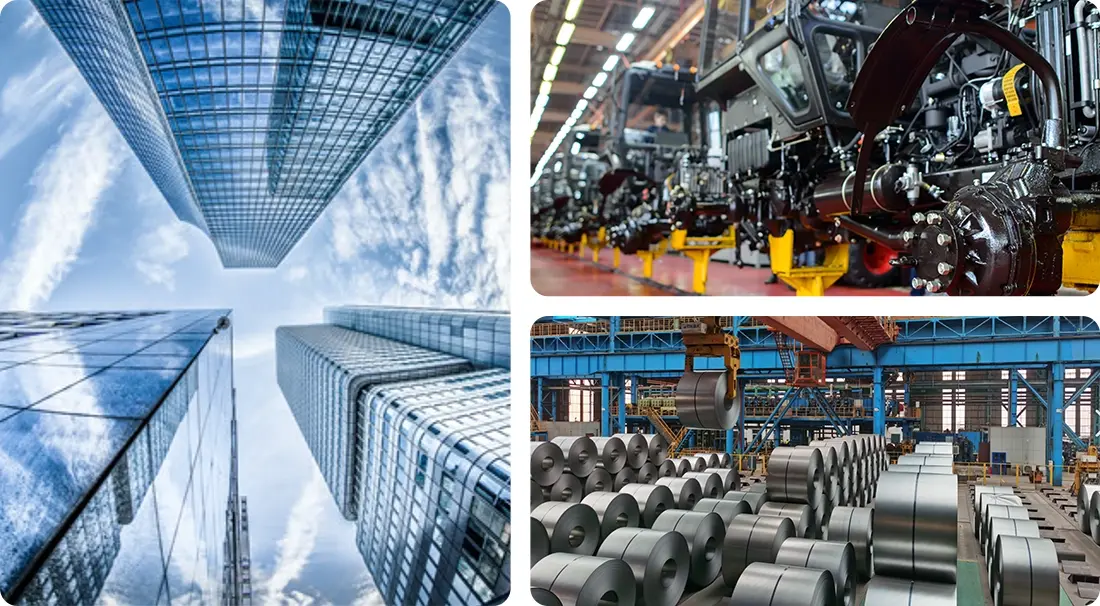
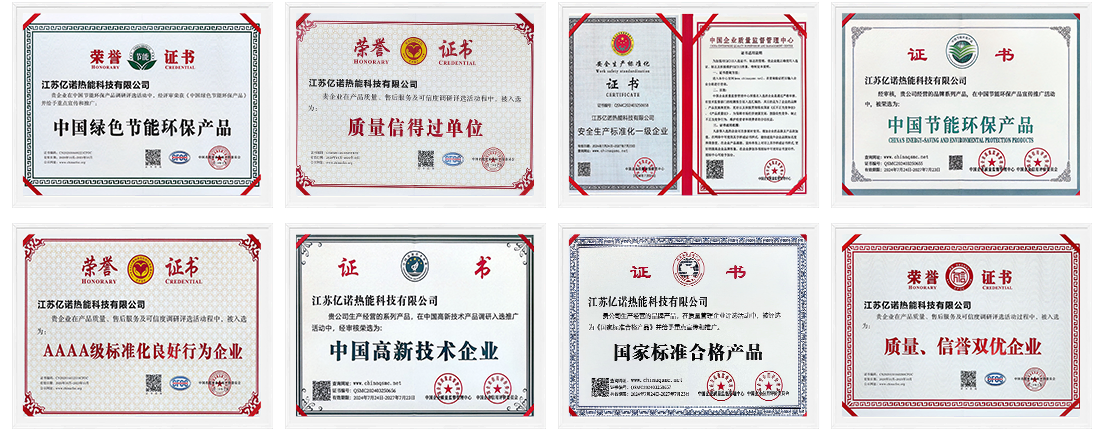
JIANGSU YINUO provides integrated services covering furnace design, manufacturing, installation, general contracting, and project management. Our multidisciplinary team includes mechanical engineers, automatic control engineers, and quality inspection professionals.
Fixed assets reach 80 million yuan. Mass production runs steady, so we can supply a whole heating system rather than single parts. Quality control covers the whole process. Before shipment, every product is checked against national and industrial standards.
We start from what the customer needs. That means systems built to their spec, fast replies when they get in touch, and a partnership that lasts. Clients around the world using a Billet Forging Induction Heating Furnace have stayed with us for years.
FAQ
Q: How does the frequency you choose change how deep heat reaches in a product?
A: Low frequencies reach deeper into large-diameter billets. Smaller billets do better with higher frequencies. The skin effect lets them absorb energy efficiently.
Q: How much less scale loss do you usually get than with gas furnaces?
A: With induction heating, scale loss usually drops below 0.5%. Gas furnaces lose 2-3%. That gap means a lot more material ends up as product.
Q: Will the furnace take billets of different shapes?
A: Yes. Coils get built to suit the part, whether that is rectangular, round, or oval. Different cross-sections run fine, and the heat stays even across them.
Q: What kind of upkeep do the induction coils need?
A: Check the refractory lining on a regular basis. Watch for water scale building up in the cooling paths. Coil insulation also needs to be checked, so shorts do not happen.
Q: In what way is temperature overshoot avoided when the line stops?
A: Energy-saving modes and standby modes are both part of the PLC system. Power gets cut back on its own in these modes. Motorized extraction systems do the other job, pulling the billets off the coil. Overheating is avoided that way.
Contact Us for Custom Solutions
Contact our engineering team at info@yinuofurnaces.com to discuss your specific Billet Forging Induction Heating Furnace requirements and receive a customized solution proposal.