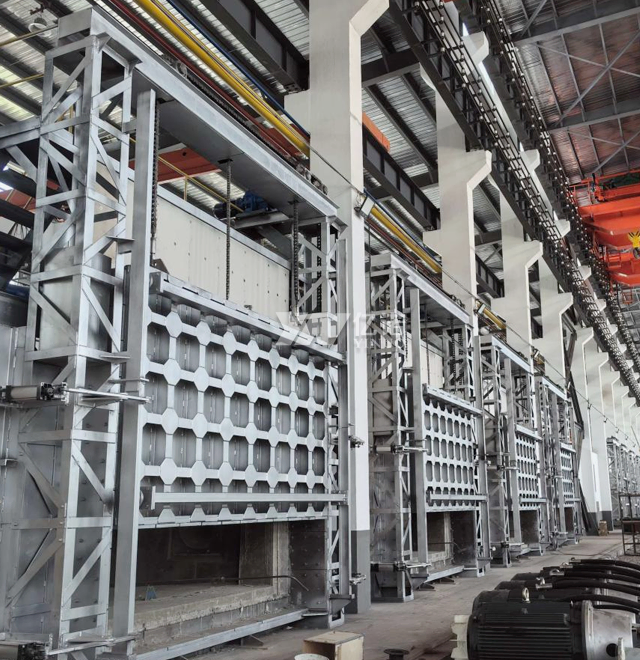
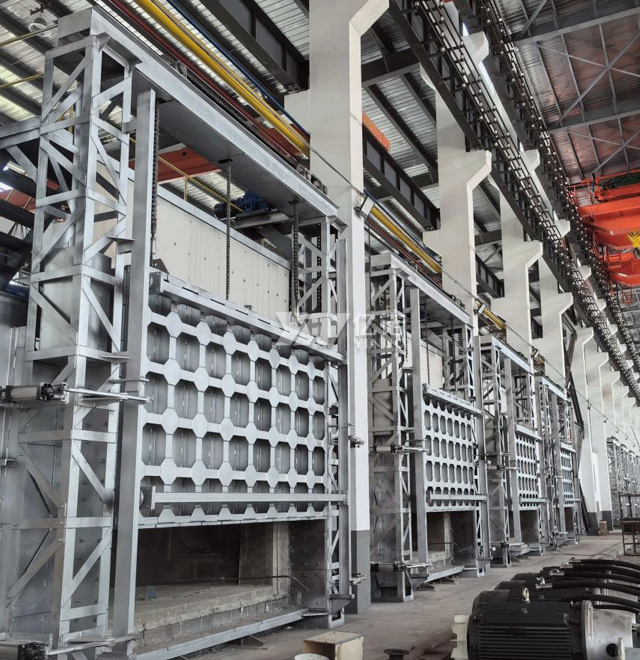
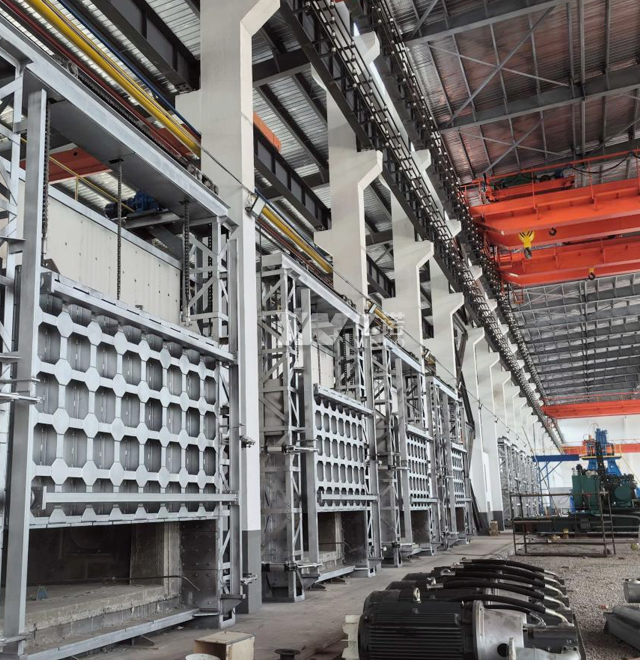
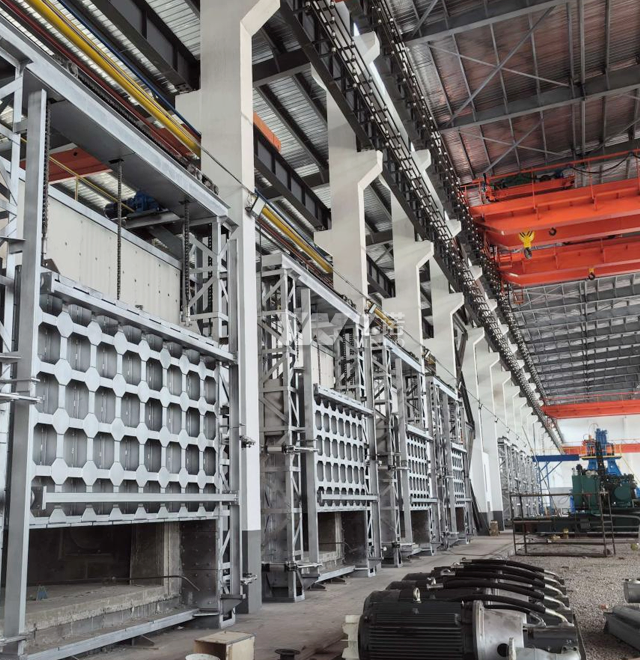
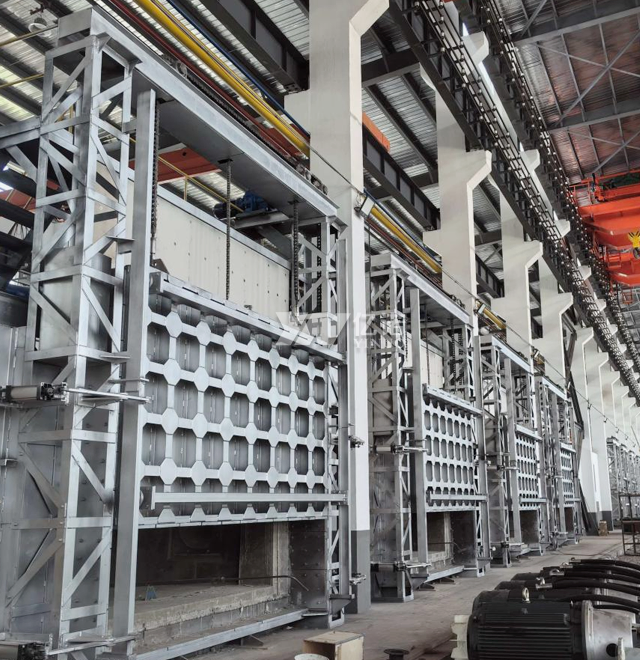
High-Performance Forging Furnace For Copper Alloy Billet – Advanced Industrial Heating Solution for Precision Thermal Processing
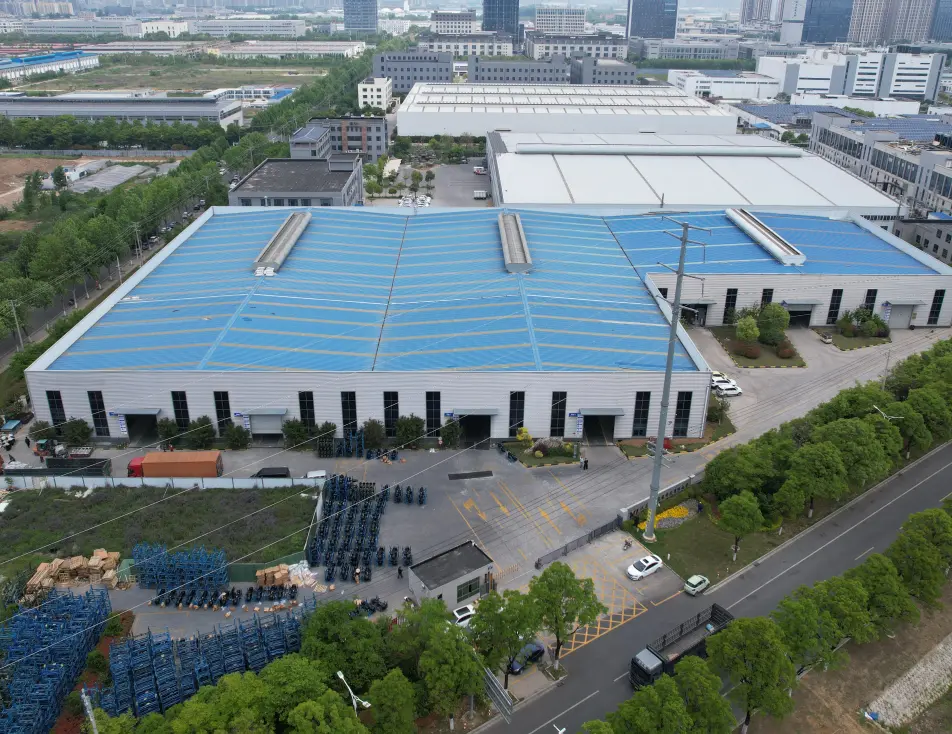
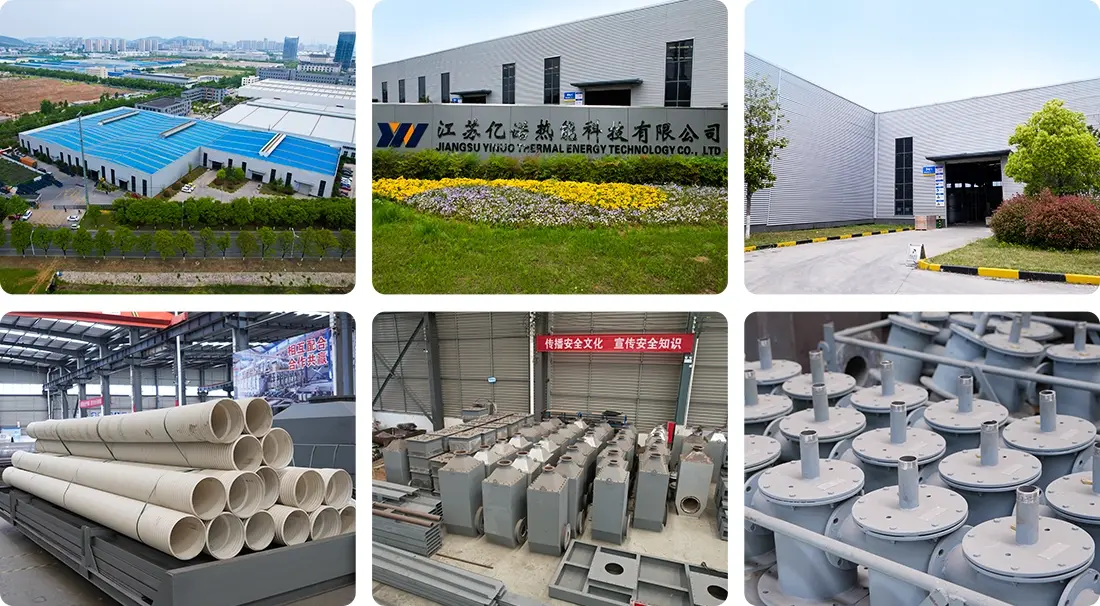
Copper alloy billets call for tough thermal processing. JIANGSU YINUO THERMAL ENERGY TECHNOLOGY CO., LTD makes industrial Forging Furnace For Copper Alloy Billet systems built for that work. Our plant covers 20,000㎡. Fixed assets hit 80 million yuan, and over 100 technical professionals are on the team. Heat stays even across the effective heating zone, within ±10℃. Regenerative combustion cuts fuel use by more than 30% against standard furnaces. Brass, bronze, and cupronickel billet heating still gets tight control.
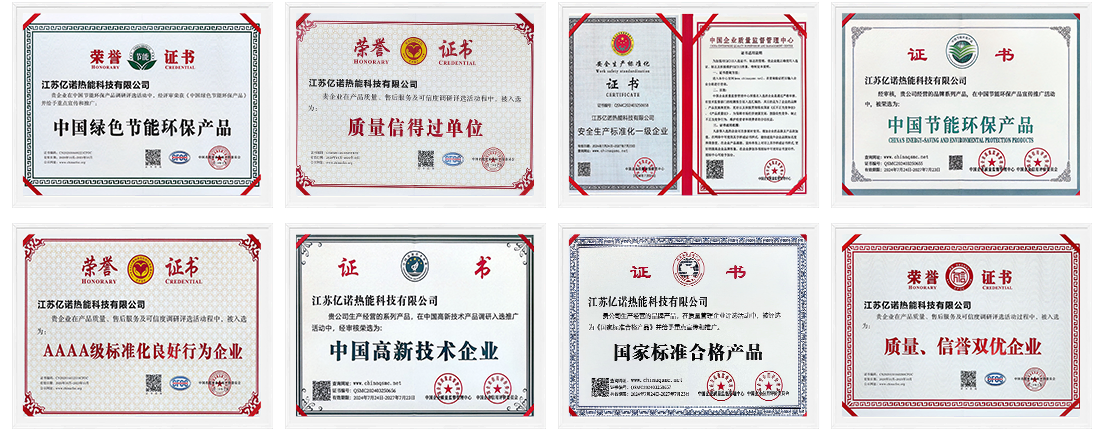
Before delivery, every system gets a full quality check. Inspectors follow national rules and industry rules. This way the unit keeps working through nonstop 24/7 production.
What Is Billet?
The product is a thermal processing unit. It heats copper-based materials (brass, bronze and cupronickel) to the right forging temperature range. That range is usually 650°C to 950°C. Copper alloys conduct heat well. Their plastic deformation window is narrow. This unit is built for both points. Typical steel furnaces are not.
The method tackles the main problems the industry faces. Surface oxidation is one. Dezincification in brass counts too, and so does the build-up of internal thermal stress. Modern gas firing drives the furnace, or regenerative combustion technology does. Either way, heat arrives fast and evenly. That capacity matters a lot. It preserves the metallurgical integrity and the grain structure that high-pressure valve bodies, electrical connectors, and marine hardware need.
The preparation of copper alloy billets by means of precisely controlled heating cycles will reduce material waste and increase forging quality. The furnace is designed to avoid typical faults such as cracking during high speed stamping.
Core Technical Specifications
You pick the dimensions. The build is enterprise-grade. Both are made to fit the way your plant produces:
| Specification |
Details |
| Effective Heating Chamber Size |
Customized based on workpiece size and production throughput |
| Overall Outer Dimension |
Customized (Length × Width × Height) |
| Furnace Lining |
Multi-layer composite lightweight heat insulation lining with low surface heat loss |
| Furnace Door |
Sealed structure with fiber sealing strips to prevent cold air ingress and heat leakage |
| Furnace Body Frame |
Steel welded structure with high structural stability |
| Temperature Control Accuracy |
±10℃ in effective heating zone |
| Fuel Efficiency Improvement |
Over 30% reduction compared to traditional furnaces |
| Customization |
Available based on customer requirements |
Surface heat loss stays low thanks to the multi-layer composite lining. Heat no longer escapes around the doors either, since that structure is sealed. Structural stability comes from the steel welded frame. Your facility gains from that, and reliability over the long run follows.
Key Technical Advantages
High Thermal Efficiency & Energy Saving
We are using regenerative combustion technology for waste heat recovery from flue gas. The air can be preheated to 600–1000℃, greatly improving thermal efficiency. You will benefit from a reduction of fuel usage of approximately 30% compared to typical furnaces, therefore reducing your production expenses.
A smart heat recovery system turns waste energy into useful heating capacity. Payback times get shorter. Your facility has less environmental impact.
Uniform Temperature Distribution & Stable Heating Quality
The furnace has distributed low nitrogen burners. They create a multi-directional heat flow in the heating chamber. In the effective heating zone, temperature fluctuation stays within ±10℃. That effectively stops your copper alloy forgings from overheating. It also prevents overburning and uneven heating.
Tight temperature control gives each billet identical metallurgical characteristics. Rejection rates drop. You can count on predictable forging behaviour in downstream processing.
Low Nitrogen Emission & Environmental Compliance
The heating process uses an advanced low-nitrogen combustion design. That stops NOx from forming. Flue gas indexes meet national industrial emission requirements. No complex post-treatment equipment is needed.
Your facility can stay compliant with regulations. You do not have to invest funds in exhaust gas treatment equipment. For operations in areas with strict environmental standards, the furnace is a perfect fit.
Industrial Applications for Forging Furnace For Copper Alloy Billet
Three main high-demand industrial scenarios are covered by the Forging Furnace For Copper Alloy Billet:
Heavy-Duty Valve and Fitting Production: Brass ball valves get made on continuous forging lines. On those lines the temperature has to stay steady. If it drifts, parts crack during high-speed stamping. The furnace hooks up with automated press lines without any extra work.
Aerospace and Marine Hardware Manufacturing: Here aluminum bronze or silicon bronze billets are heated for parts that have to hold up in corrosive settings and under heavy mechanical loads. Temperature is controlled closely. That keeps the metal from breaking down.
Electrical Infrastructure Manufacturing: High-purity copper billets are readied for busbar and connector forging at large scale. Two things matter most there: stopping surface contamination and keeping electrical conductivity up. A sealed furnace design cuts oxidation down.
Robotic arms and PLC-controlled press lines often get tied into these setups. Harsh factory floors are where the furnace runs. It keeps going around the clock, day after day.
Quality Assurance System
Before anything ships, JIANGSU YINUO puts every product through full quality control checks:
Heat distribution gets checked by our own quality inspection department. They run thermal uniformity surveys to confirm it stays even. Surface heat loss is measured in insulation integrity testing. That keeps energy use down and protects the people running the line.
PLC logic and sensor calibration for Forging Furnace For Copper Alloy Billet check the infrared pyrometers and thermocouples against master references. This confirms their accuracy. Stability tests on billet throughput also validate the automated feeding mechanism. The goal is to stop cold spots and jams.
The steel welded frame gets structural stress tests on every system. This confirms it will last. Each furnace delivery comes with full inspection documents. That keeps things transparent and accountable.
FAQ
Q: How does the furnace stop de-zincification in brass billets?
A: Short heating cycles help here. So does keeping the burners in a range where little zinc vapor escapes. Oxygen from the air cannot get in, because the door seals shut. That protects the billet surface while it heats.
Q: How long does heating take for billets of different sizes?
A: Two things set the time: billet diameter and the temperature you want to reach. The heating chamber can be adjusted for many sizes. Burners spread around it push heat evenly into the piece, whatever its dimensions.
Q: Can the system integrate with existing production lines?
A: Yes. There are provisions in the furnace design for PLC integration. Interfaces for automated material handling are included too. During installation and commissioning, our engineering team gives full support on integration.
Q: What maintenance schedule is recommended?
A: Check the fiber sealing strips every quarter, we advise that. Once a year, assess the refractory lining. The low-nitrogen burner system needs calibration twice a year. That keeps emissions within limits and fuel use in check.
Q: In what way does regenerative combustion raise efficiency?
A: Exhaust gas heat gets captured by the system. That heat then preheats the combustion air coming in, up to 1000℃. With this recovered energy, less fuel is needed to hit forging temperature. Consumption drops by over 30% next to conventional designs.
Contact Us for Customized Heating Solutions
Contact our technical team at info@yinuofurnaces.com to discuss your specific Forging Furnace For Copper Alloy Billet requirements and receive a customized solution proposal.