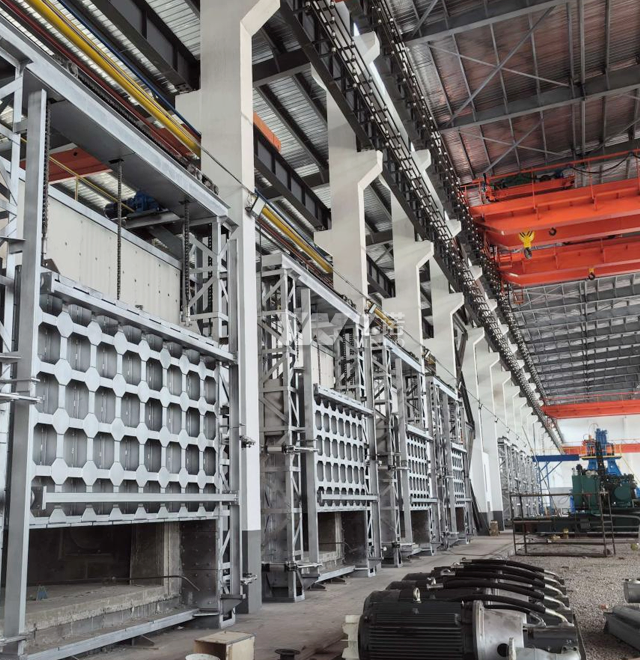
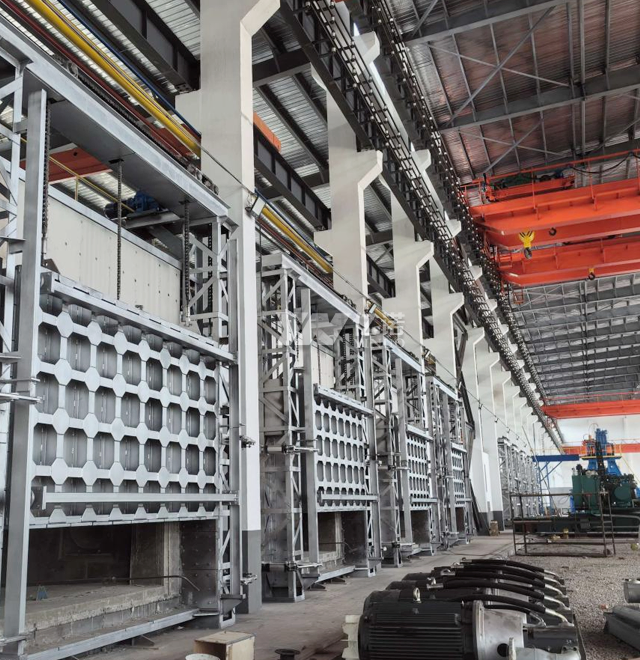
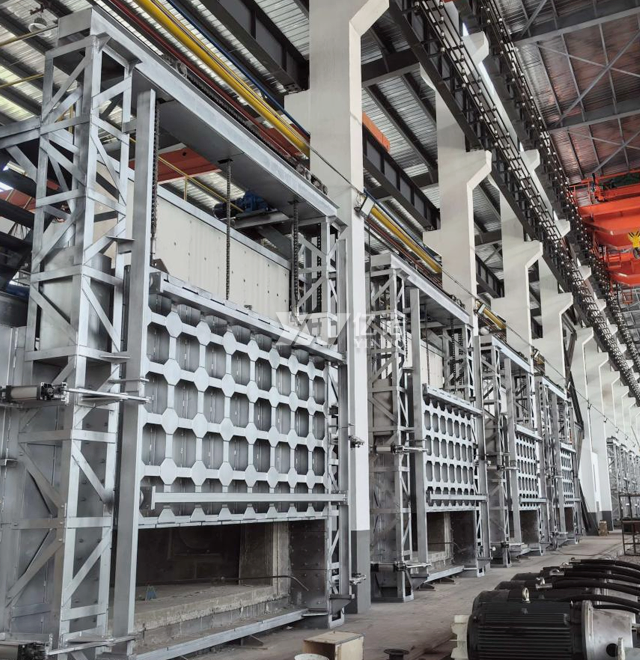
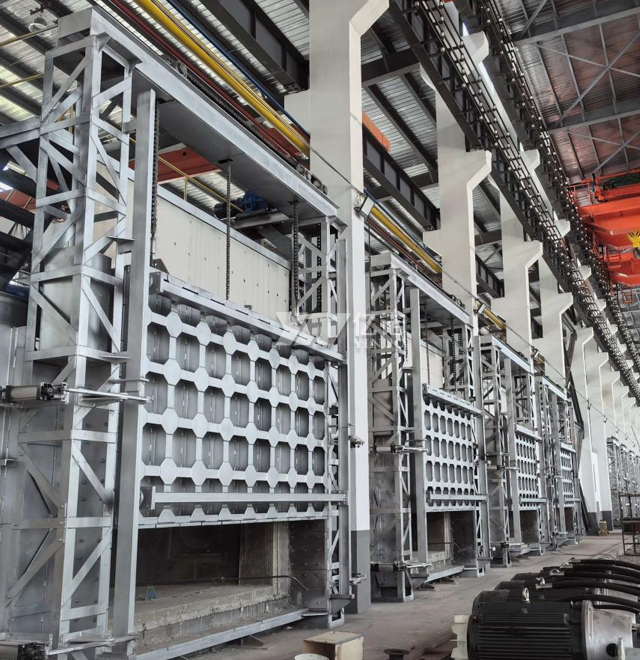
Electric Induction Forge for Precision Metal Heating – High-Efficiency Forging Solution
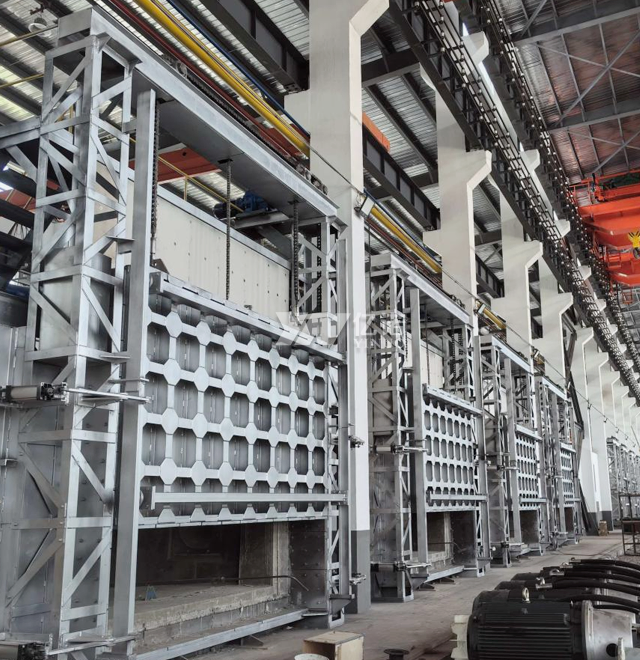
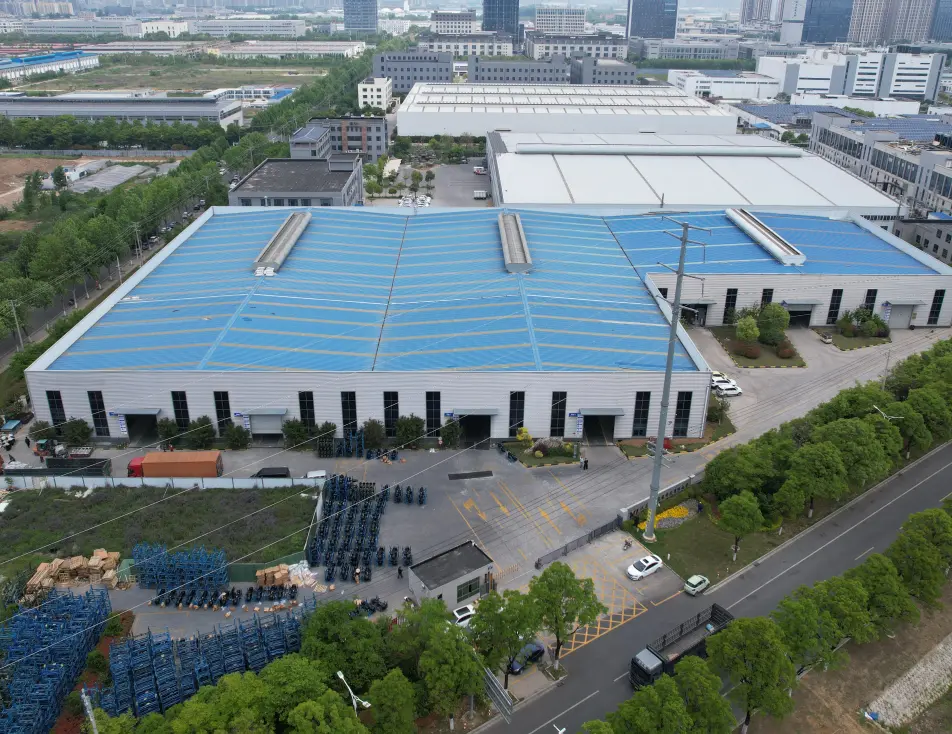
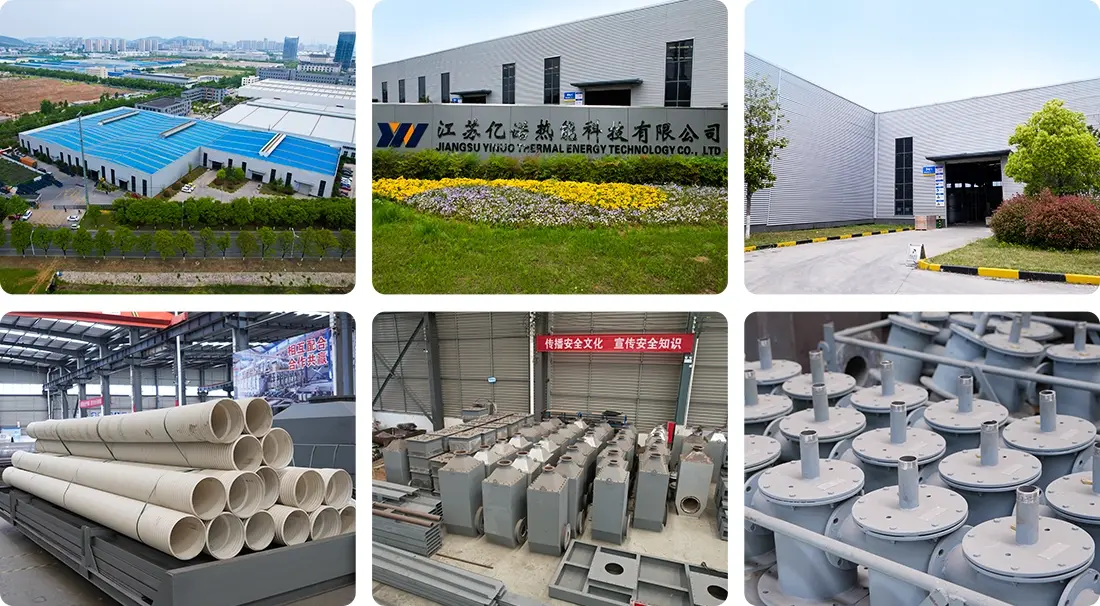
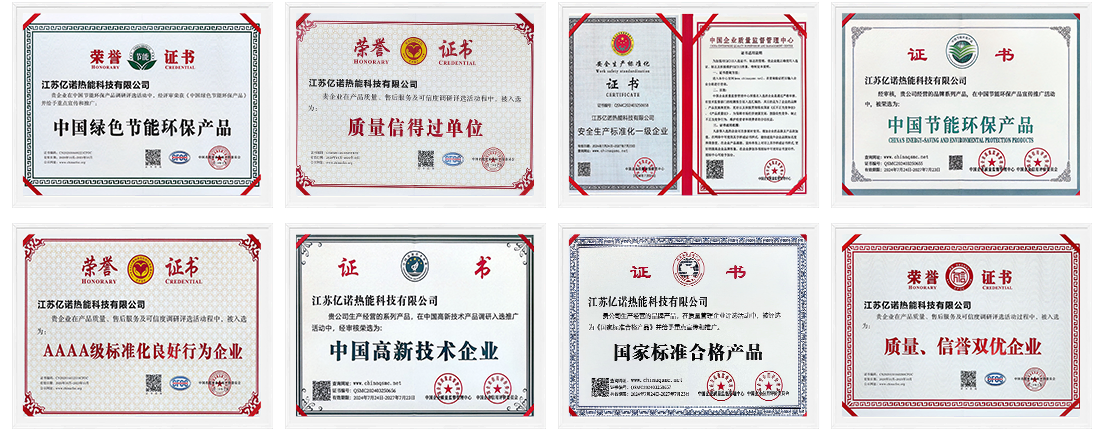
JIANGSU YINUO THERMAL ENERGY TECHNOLOGY CO., LTD. makes Electric Induction Forge systems at industrial grade. Forging shops use them to heat metal to high temperatures. Capacity is rated from 0.1 to 50 tons. Ferrous metals can reach a top working temperature of 1600–1800℃. One batch takes 20–60 minutes to heat. The plant sits on 20,000㎡. Fixed assets come to 80 million yuan, and over 100 specialist engineers work there. We handle design through commissioning in house. That gives your line tight temperature control, little oxidation loss, and energy conversion efficiency above 90%.
What Makes Our Induction Heating System Stand Out?
High frequency alternating current builds electromagnetic fields. Those fields drive eddy currents straight into conductive metal workpieces. Heating happens inside the metal itself. Conventional gas-fired systems heat from the outside, and they lose heat on the way in. This process does not.
Heat hits your production line right away. Working temperature arrives in minutes with our systems. Conventional furnaces need a long preheat first. Cycle times drop a lot as a result, and throughput goes up.
This technology solves big production problems. Flame heating comes with too much scale. It heats unevenly. A lot of carbon emissions come with it too. Those issues are gone here. Heat stays even between the core and the surface, within ±5°C.
We handle steel, iron, copper, aluminium, and exotic alloys. The coil design is flexible and fits several billet shapes. No equipment changeover is needed. That holds true for automobile components and aerospace grade titanium.
Technical Specifications
| Parameter |
Specification |
| Rated Melting Capacity |
0.1t–50t (customizable) |
| Single Melting Cycle Time |
20–60 minutes |
| Maximum Temperature (Ferrous) |
1600–1800℃ |
| Maximum Temperature (Non-ferrous) |
800–1200℃ |
| Charging Method |
Manual / Overhead Crane / Automatic Skip |
| Power Conversion Efficiency |
>90% |
| Temperature Control Accuracy |
±5°C |
| Customization Options |
Available per requirements |
Core Advantages for Your Operations
Quick Melting & High Production Efficiency
Direct induction heating creates heat inside the metal itself. No middle step carries the heat, so nothing is lost there. Melt cycles get much shorter. Charging and tapping both take less time now. Melting is quicker too. Hourly output depends on capacity. It also depends on how the power is arranged.
Temperature Held Steady, Metal Quality That Stays the Same
Feedback runs nonstop, which is how monitoring happens in real time. Infrared thermometers can be added if you want them. Power moves in smooth steps, no jumps. That keeps the molten metal at one steady temperature for the whole batch in the Electric Induction Forge. Casting faults drop as a result, including porosity and shrinkage voids. Better output from your line follows from that.
Low Metal Burning Loss
The furnace body is closed, thus the surface temperatures of the molten metal are kept low. Steel, copper and aluminium still have far lower oxidation and burning losses than gas-fired alternatives. You save on raw material cost and you increase the yield rates.
Energy Performance & Environmental Compliance
Nowhere on site does CO2 get released. Noise around the unit is quieter as well. Today's environmental rules are satisfied. Against gas furnaces, you spend 30-50 % less energy. Electricity flows only during heating cycles. Idle furnace temperatures do not burn power.
Industrial Application Scenarios for Electric Induction Forge
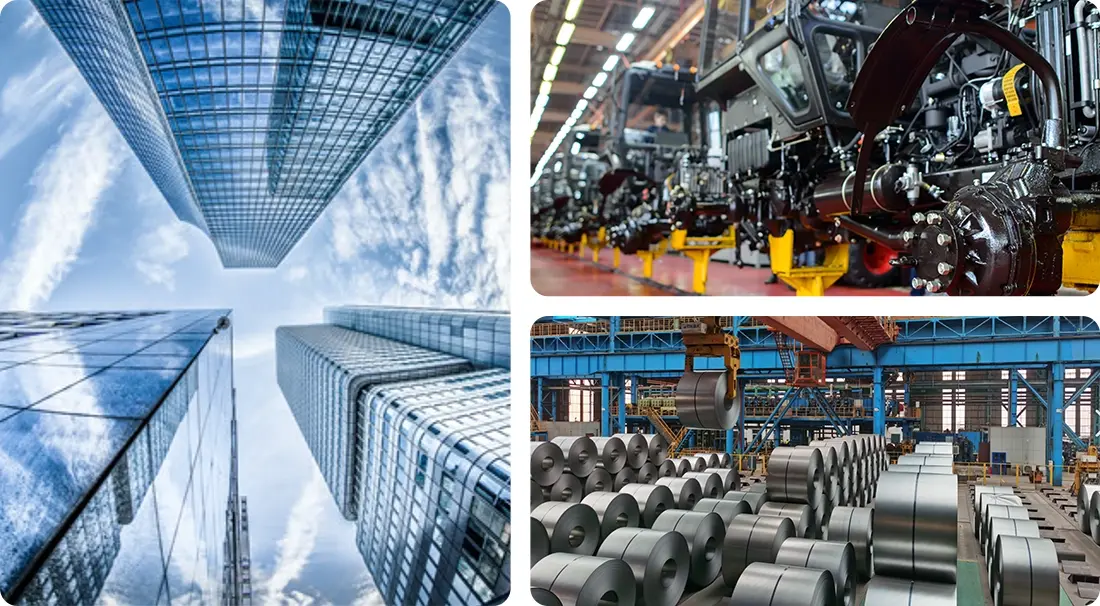
Automotive Component Manufacturing
High-speed forging takes in crankshafts. It also covers connecting rods and transmission gears. For that work, thermal profiles have to repeat. Timing gets counted in seconds. Even heat is supplied by the Electric Induction Forge. Parts under high stress rely on that steadiness. So do parts that face high-cycle fatigue.
Aerospace Fastener Production
Superalloys and titanium need a controlled heating environment. Grain growth begins when that control is missing. Localized heating adds to the problem. Through the whole forging process, structural bolts and critical fasteners hold their metallurgical properties.
Heavy Industrial Tooling
Large-diameter drill bits are one use. Another is flanges for oilfield equipment. Subsea parts make a third. Every one of them needs deep thermal penetration. The system runs around the clock, 24/7. It takes heavy-duty cycles and keeps its structure intact. That is how stress fractures get stopped in mission-critical applications.
FAQ
Q: How does heating frequency change how deep the heat goes?
A: Push the frequency up and the skin effect stays shallow. Small parts handle that fine. At lower frequencies (1-3 kHz), the heat reaches deeper. Billets with a large diameter, and parts with thick sections, need that deeper reach.
Q: What energy savings can I expect compared with gas furnaces?
A: Energy use drops by 30-50% in most setups. The unit pulls power only while it is actually heating. Standby losses, the kind gas systems bring, are gone.
Q: How long do induction coils last?
A: A coil can go through tens of thousands of heating cycles. Two things have to hold up: the water-cooling and the refractory coating. Look for copper oxidation once a month. Do that and the unit keeps running longer.
Q: Can a single system work with more than one metal type?
A: Yes. The controls run on a PLC. They change the power settings and the heating profiles. That covers the gap in electrical resistivity and magnetic permeability between one material and the next.
Q: Can the system run on automated production lines?
A: Units built today come with digital I/O and fieldbus interfaces (Profinet/EtherNet/IP). Part-loading robots talk to them directly. Fitting them into Industry 4.0 production takes no extra work.
Contact Our Engineering Team
Ready to upgrade your forging operations with Electric Induction Forge? Contact us at info@yinuofurnaces.com for customized thermal solutions tailored to your production requirements.