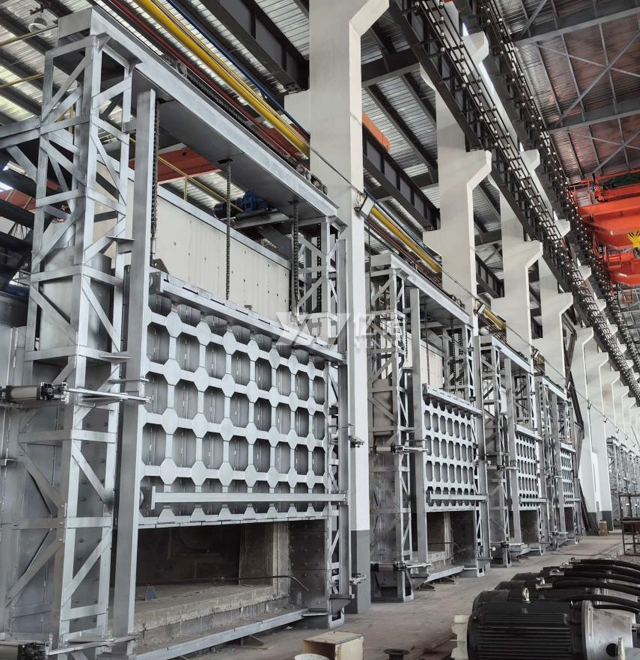
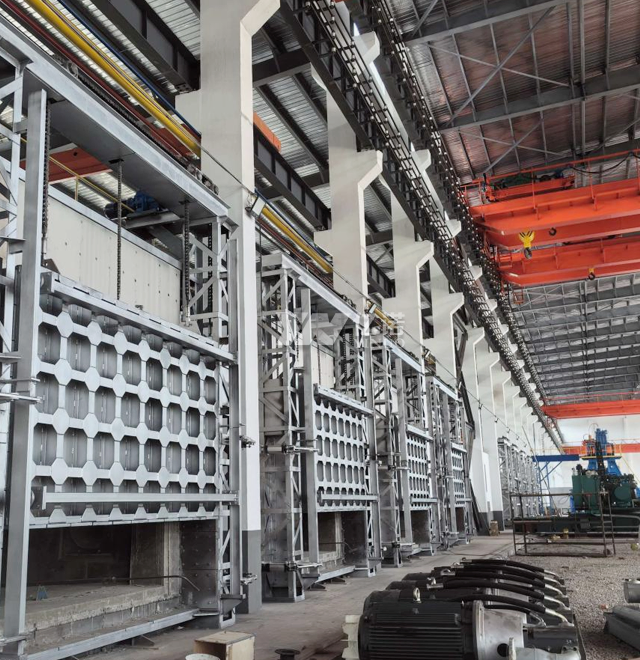
Gas Forge Furnace for Industrial Forging – High-Efficiency Heating Solution with Energy-Saving Technology
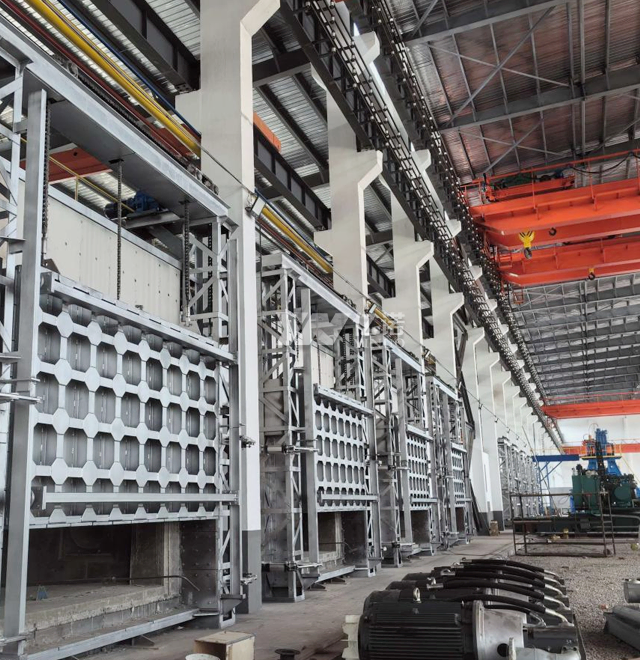
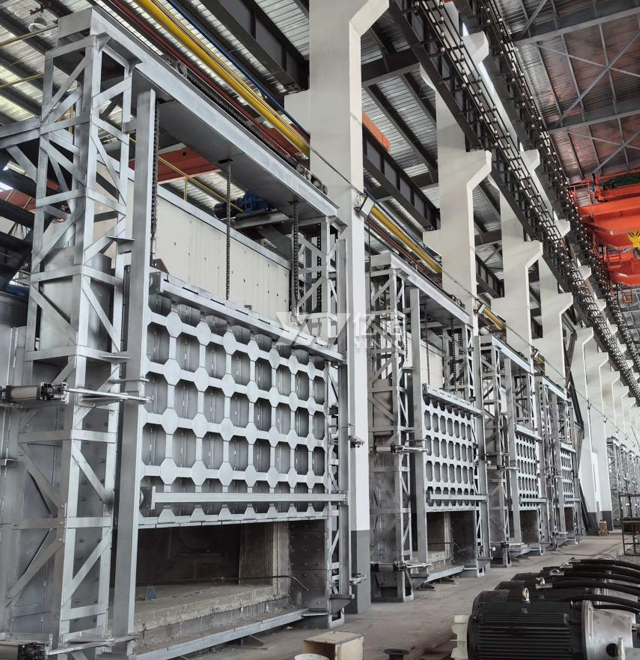
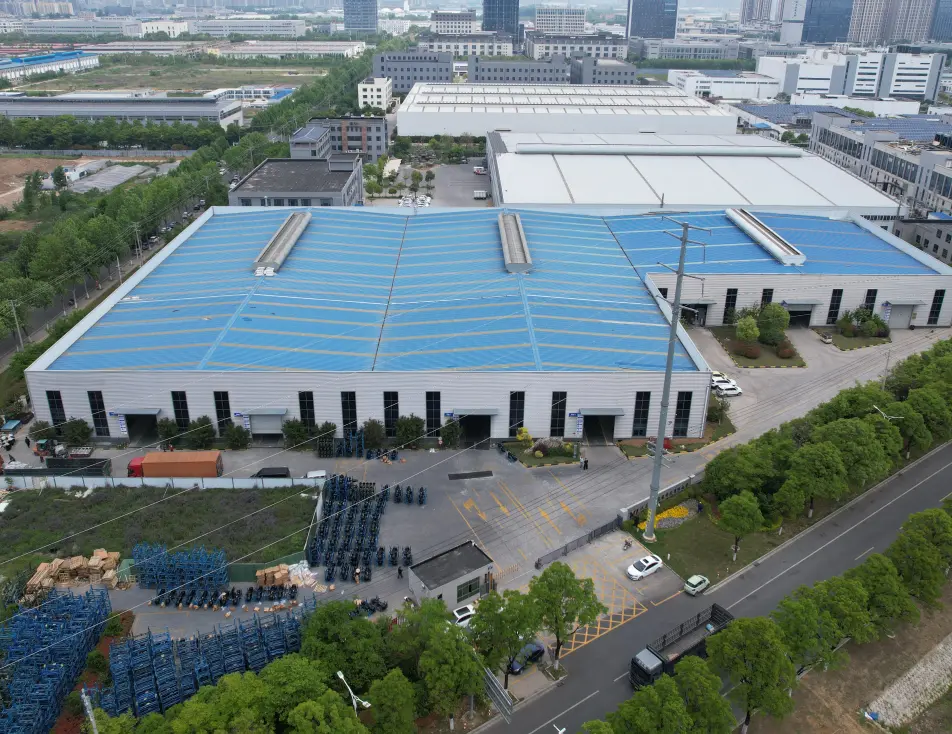
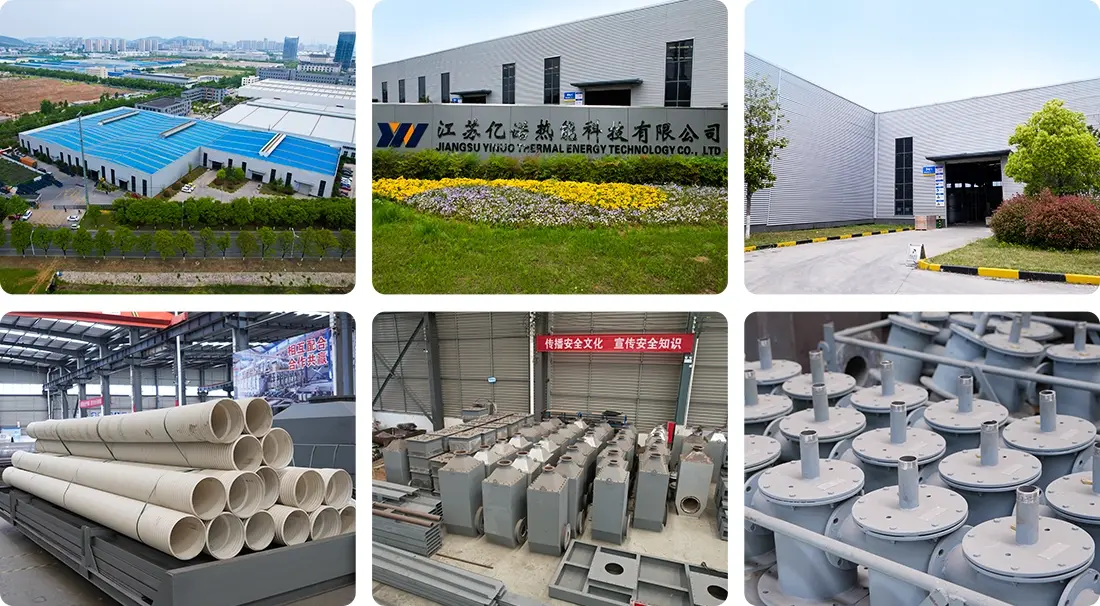
JIANGSU YINUO THERMAL ENERGY TECHNOLOGY CO., LTD builds Gas Forge Furnace systems. Metal shops use them to heat workpieces precisely during forging. Our production space covers more than 20,000㎡, and fixed assets reach 80 million yuan. Over 100 people work here. Heating equipment is what we make. Regenerative combustion technology lets that equipment cut fuel use by more than 30%. Each unit ships with multi-layer composite lightweight insulation and distributed low-nitrogen burners. Temperature across the effective heating zone holds within ±10℃. Thermal efficiency stays high. Emissions meet national standards as well, and no complex post-treatment system is needed.
Understanding Industrial furnace Technology
This thermal processing unit is a modern design. Pressurised natural gas gets burned inside it, or propane. Metal workpieces then heat up until they hit the forging temperature they need. That window sits between 2,000°F and 2,400°F. Solid-fuel systems usually run on a different principle. With this setup, the operator can adjust the settings. So uneven heat spread and too much decarburisation no longer happen.
The technique tackles important manufacturing difficulties in the aerospace, automobile and tool production industries. These furnaces are equipped with precision burner systems and reliable refractory linings to enable cleaner metallurgical operations for high integrity components.
Modern designs use regenerative combustion systems which recover waste heat from the flue gases. This innovation preheats combustion air up to 600–1000℃, which reduces fuel usage remarkably while keeping the heating performance stable.
Technical Specifications
| Component |
Specification |
| Effective Heating Chamber |
Customized based on workpiece dimensions and throughput requirements |
| Overall Dimensions (L × W × H) |
Fully customizable |
| Furnace Lining |
Multi-layer composite lightweight heat insulation with minimal surface heat loss |
| Furnace Door |
Sealed structure with fiber sealing strips preventing cold air ingress |
| Furnace Body Frame |
Steel welded construction with high structural stability |
| Temperature Control |
±10℃ deviation in effective heating zone |
| Customization Options |
Available for specific production requirements |
Core Performance Advantages
Higher Thermal Efficiency & Energy Saving
Our regenerative combustion technology, which recovers waste heat from exhaust fumes and preheats combustion air up to 600-1000℃. It's a method that uses more than 30% less fuel than conventional furnaces, and offers considerable cost reductions in high volume manufacturing settings.
Exceptional Temperature Uniformity
The low-nitrogen burners sit spread around the chamber and push heat circulation in several directions. Inside the effective heating zone, temperature deviation stays within ±10℃. Overheating, overburning and uneven heating all damage forging quality. This setup stops them from happening.
Environmental Compliance & Low Emissions
Its low-nitrogen combustion design cuts NOx while the unit runs. Flue gas emissions from the Gas Forge Furnace stay within the strict national industrial standards. No costly secondary treatment gear is needed for that. Facilities can comply with little trouble.
Bespoke Chamber Design
We adapt the heating chamber size to the shape of your workpiece and the production rate. This customised process offers the optimum energy consumption and heating performance for a wide range of forging applications.
Durable Construction
A welded steel frame holds the structure firm while it goes through thermal cycling. Heat loss from the surface gets reduced by multi-layer insulation. Fibre strips sit in sealed furnace doors, and they stop heat from leaking out. Cold air is kept out too.
Primary Application Scenarios for Gas Forge Furnace
Heavy Forging & Billet Heating
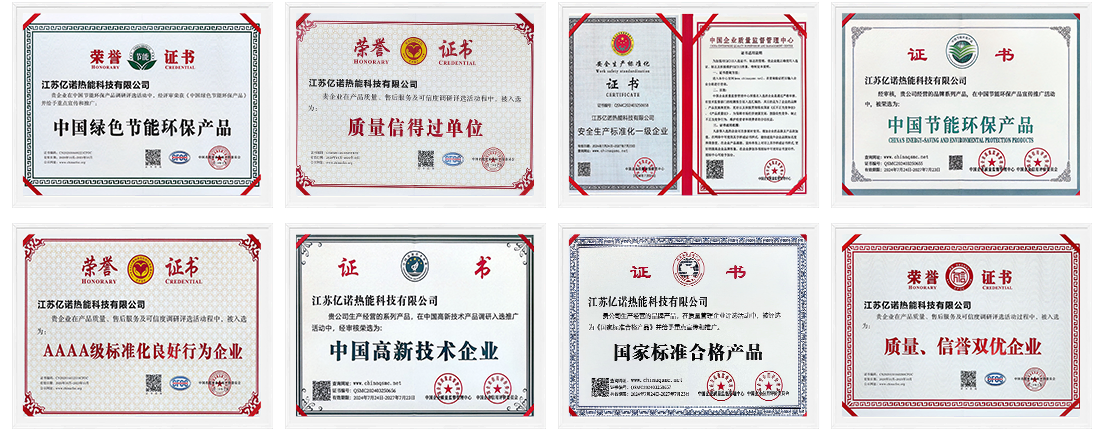
Large steel billets need constant heat for industrial forging work. Two things help here: an even temperature spread and quick thermal recovery. Surface decarburization is prevented by the controlled atmosphere. This protection matters a lot for structural components.
Tool & Die Manufacturing
Hardening and tempering of high-carbon steels is done to a precise level. At both steps the atmosphere needs tight control, or scale will form. Temperatures inside our systems stay stable. Tooling work needs that steady heat before the specified metallurgical properties can be reached.
Custom Metalworking & Bladesmithing
Reducing atmospheres are required for pattern-welding and for Damascus steel production. Through the whole cycle the heat stays above 2,300°F. Welding temperatures hold steady in the Gas Forge Furnace. Inclusions cannot form, because oxygen never gets between the metal layers.
FAQ
Q: Are propane and natural gas both usable in your furnaces?
A: Yes. Our systems are built for natural gas. They can also run on propane when fitted with the correct orifices and pressure regulators. We suggest talking through your fuel source during the specification phase. That lets us set up the burners the right way.
Q: How fast does the furnace get up to forging temperature?
A: High-efficiency burners usually get to 2,300°F in 10-15 minutes. Chamber size and burner setup affect that time. Start-up takes a little longer with a regenerative design. Over time, though, it holds efficiency well.
Q: What maintenance schedule should I follow?
A: Look at the burner nozzle once a month. Oxidation is the thing to watch for. The Venturi tube needs cleaning too, otherwise airflow drifts off. While you are at it, make sure the door seal still closes tight. The refractory lining gets a yearly check. Do that and thermal performance stays steady over time.
Q: Big chambers hold an even temperature. What makes that happen?
A: Heat zones overlap because the burners sit spread out. Less heat escapes thanks to ceramic fiber insulation, and that keeps thermal gradients small. Several points inside the chamber are watched by the control systems, which hold consistency at ±10℃.
Q: Is it safe for operators to work near the ceramic fiber lining?
A: We put a rigidizer on every ceramic fiber install. That coating seals the fibers in place. So nobody can breathe them in. The step is not optional. Heat reflection gets better as well, and the lining stays in service longer.
Q: What environmental certifications do your furnaces hold?
A: The national NOx limits for industrial emissions are what our low-nitrogen combustion designs are built to hit. Test papers for emissions come with each system. Checking that you meet local rules is something we can help with too.
Partner With Thermal Engineering Specialists
Contact us today at info@yinuofurnaces.com to discuss your specific Gas Forge Furnace heating requirements and receive a customized solution proposal.