Gas Forging Furnace Low Pressure Burner – Advanced Combustion Solution for Energy-Efficient Metal Heating
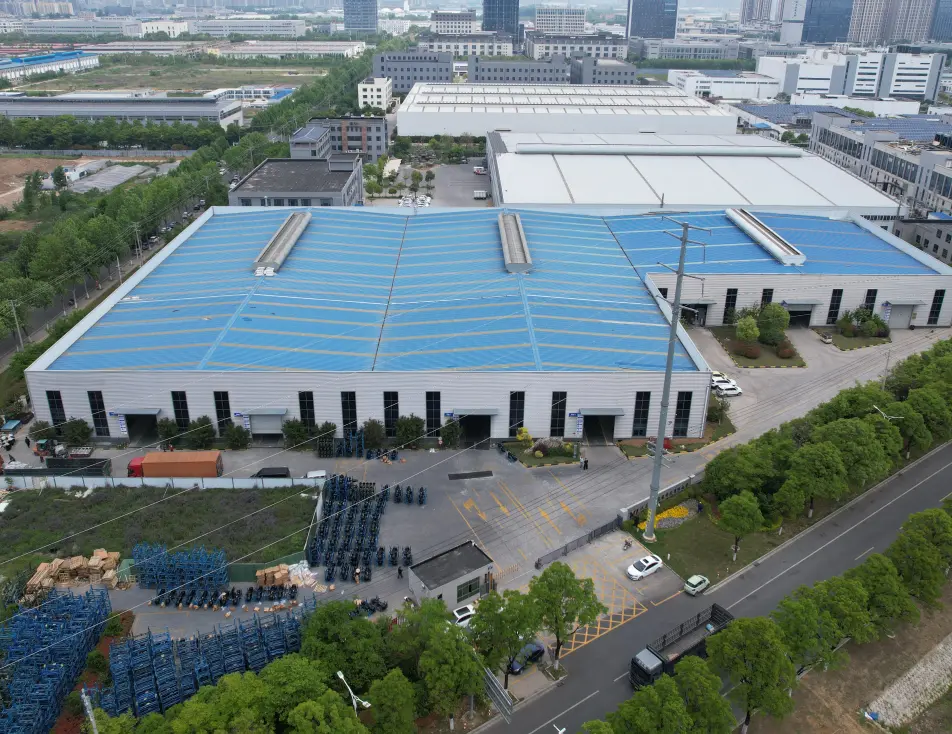
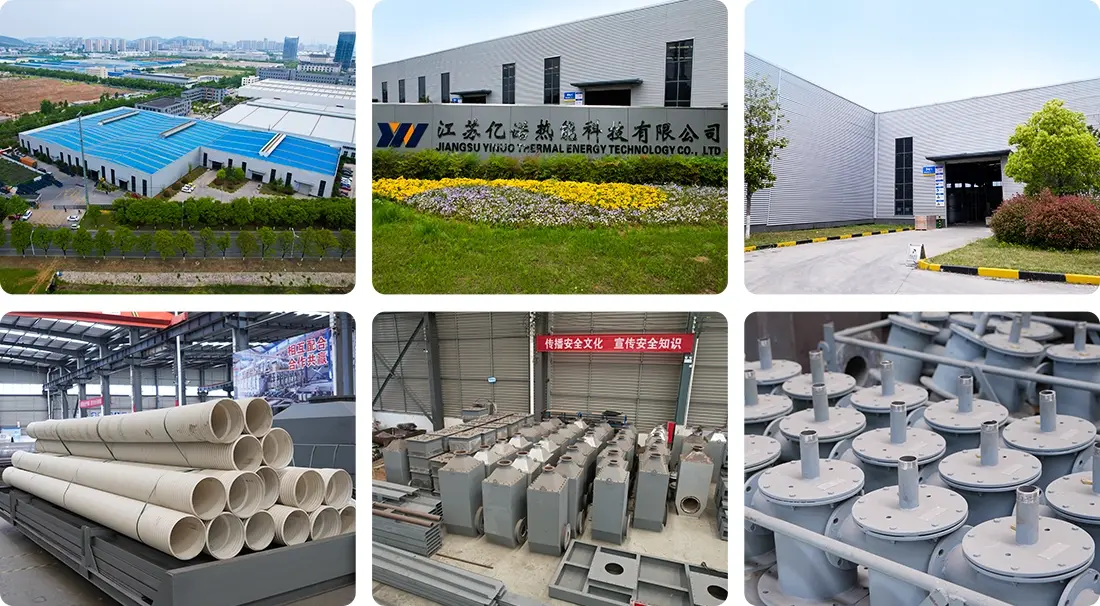
JIANGSU YINUO THERMAL ENERGY TECHNOLOGY CO., LTD builds Gas Forging Furnace Low Pressure Burner systems for industrial forging work. The plant covers 20,000㎡. Fixed assets reach 80 million yuan, and more than 100 technical professionals work on site. Fuel use drops by over 30% with the combustion solutions from our line, and regenerative technology does the work. These low-pressure burner systems run on gas supply pressures from 2kPa to 10kPa. Even heat is the result. Deviation stays inside ±10℃, and NOx emissions sit below 80mg/Nm³.
What Makes Our Low Pressure Burner System Different?
The product uses Venturi principles together with forced-draft mechanisms to build the right air-gas mixture when supply pressure is low. Conventional high-pressure burners work another way. Flame stability holds here even when pressure swings, which happens often on industrial gas networks.
Heat circulation reaches the whole load, so localized overheating no longer happens and your forging operations run cleaner. Turn-down ratio goes up to 1:10. Operators get fine temperature control from that, from the first soaking phase right through the high-heat forging cycles. Less metal is lost to oxidation. Final product quality improves too.
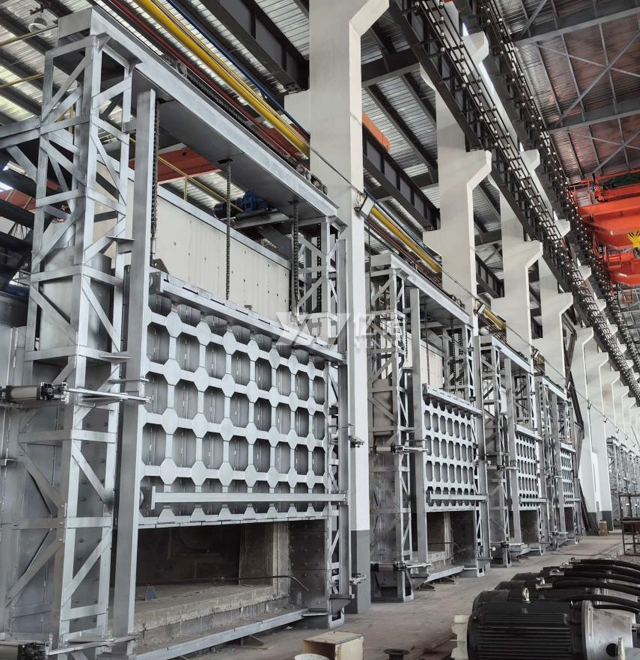
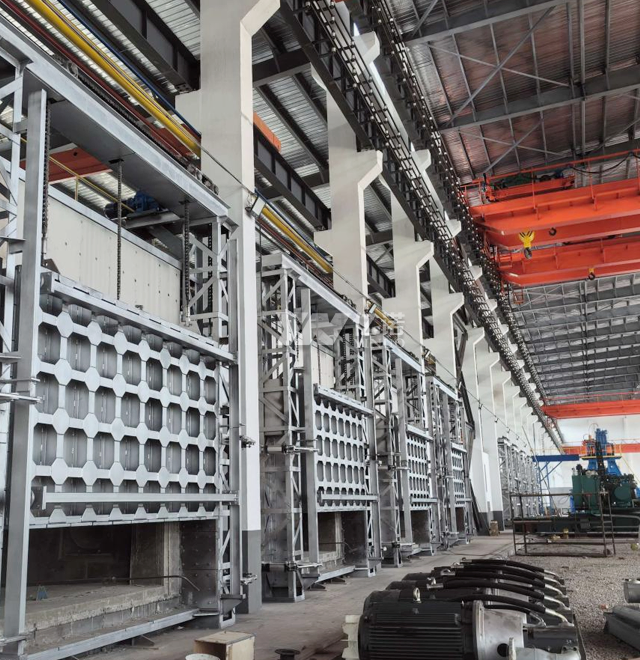
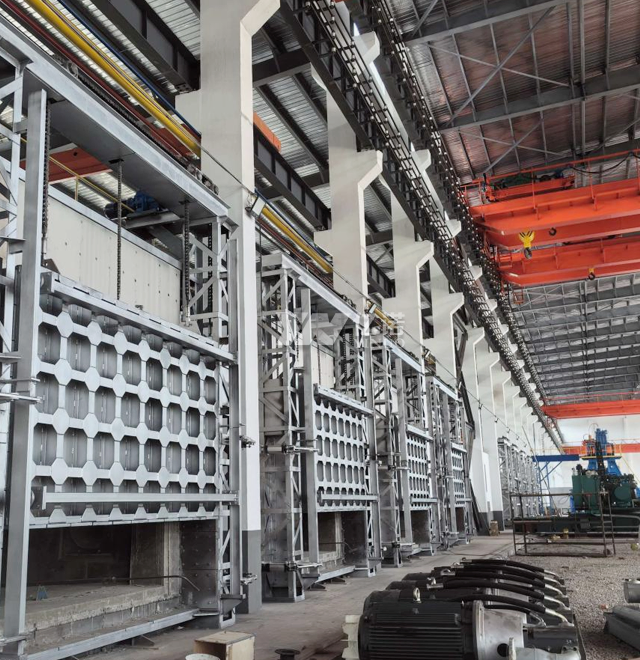
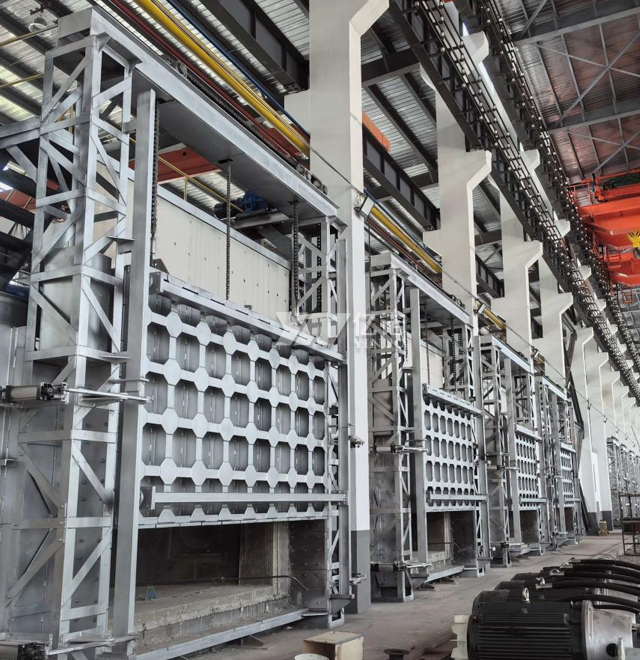
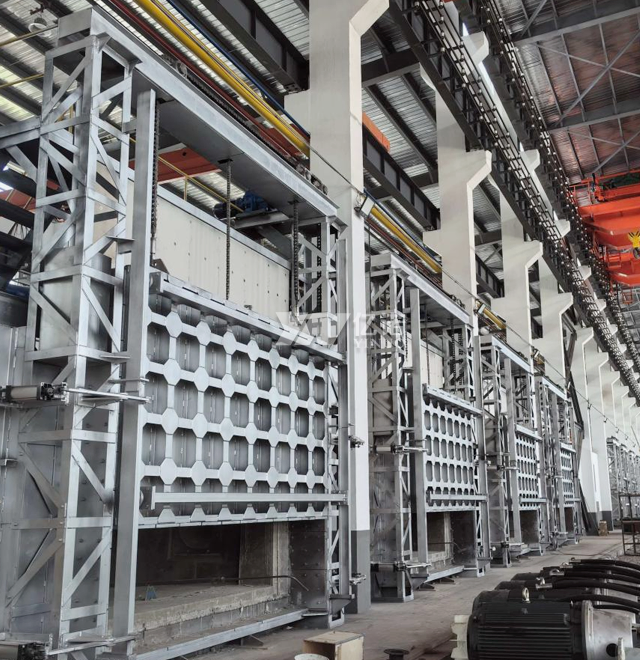
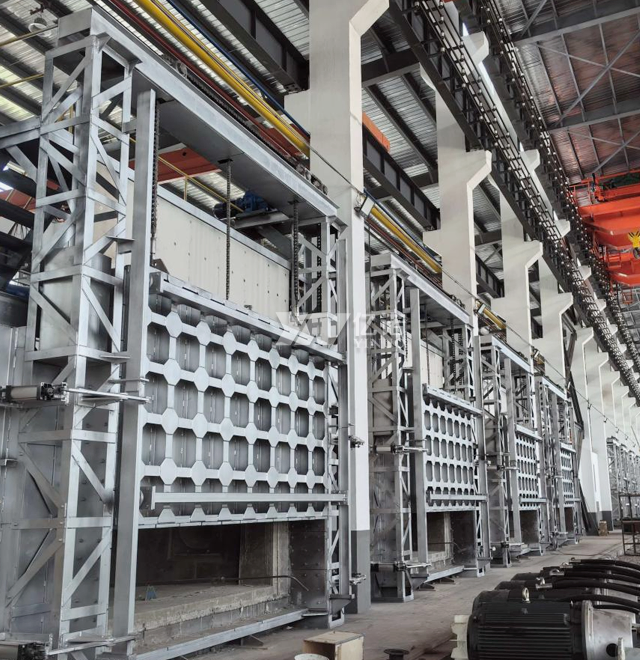
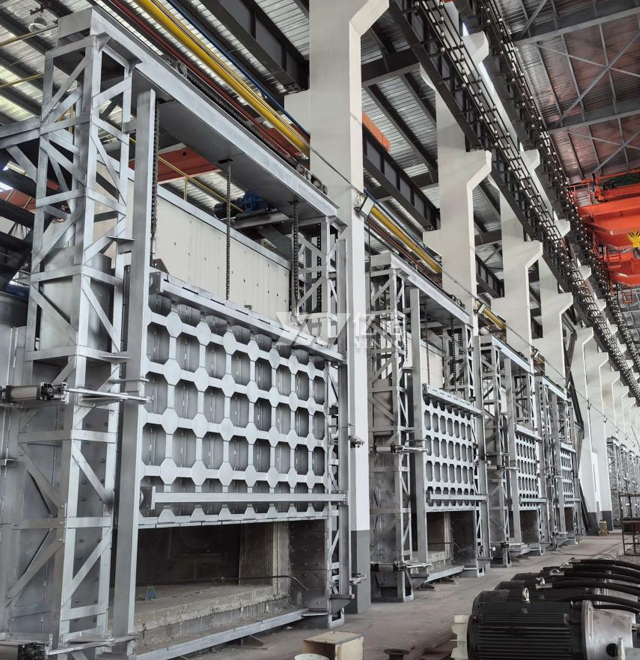
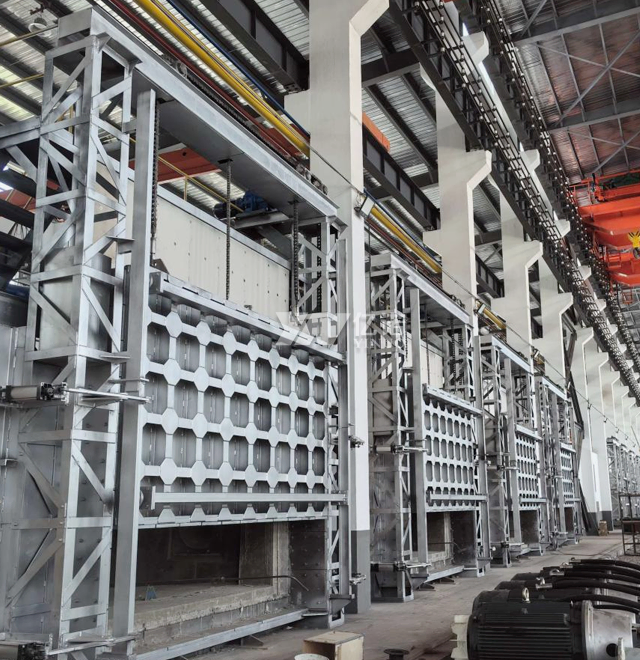
A lining built from several composite layers holds the heat inside. It works together with the burner system, so less heat leaks off the surface. Fiber sealing strips sit in the furnace door. Once the door is shut, cold air cannot get in, and the furnace keeps its heat through long production runs.
Technical Specifications
| Parameter |
Description |
| Effective Heating Chamber Size |
Customized based on workpiece dimensions and throughput requirements |
| Overall Outer Dimension (L × W × H) |
Tailored to facility layout specifications |
| Furnace Lining |
Multi-layer composite lightweight heat insulation with minimal surface heat loss |
| Furnace Door |
Sealed construction with fiber sealing strips preventing air leakage |
| Furnace Body Frame |
Steel welded structure ensuring high structural stability |
| Gas Operating Pressure |
2kPa to 10kPa (ultra-low pressure compatible with forced-draft) |
| Combustion Efficiency |
Exceeds 98% |
| Temperature Uniformity |
±10℃ within effective heating zone |
| Turn-Down Ratio |
Up to 1:10 for flexible heat control |
| NOx Emissions |
Below 80mg/Nm³ through staged combustion technology |
| Burner Head Material |
High-grade 310S stainless steel or SiC (withstands up to 1400°C) |
| Customization |
Available to meet specific production requirements |
Core Performance Advantages
Energy Bills and Running Costs Fall, Day In and Day Out
Regenerative combustion takes the waste heat from the flue gas and uses it again. Incoming air warms to 600-1000℃. Fuel use is more than 30% lower than a typical furnace system. Production costs go down with every operating cycle, too.
Each Workpiece Gets the Same Steady Heat
Low-nitrogen burners are spread out inside the furnace chamber. Heat travels from more than one direction. Across the full heating zone, the temperature spread of Gas Forging Furnace Low Pressure Burner stays within ±10℃. Overheating, overburning, and uneven material characteristics are the usual forging flaws. This evenness removes all of them.
Environmental Rules Shape the Design
With the better low-nitrogen combustion design, NOx cannot form while the fuel burns. Flue gas emissions meet national industrial standards. No complex post-treatment gear is needed to get there. Legal requirements are satisfied, and running environmental management at your plant gets easier.
Consistent Results in Real Factory Conditions
The steel welded frame structure gives excellent stability when temperatures cycle. A flame stability test runs across the whole modulation range. That means reliable operation even when municipal gas pressure moves around. Ups and downs in your combustion system will not throw off your manufacturing timetable.
Industrial Applications of Gas Forging Furnace Low Pressure Burner
Heavy Forging Operations
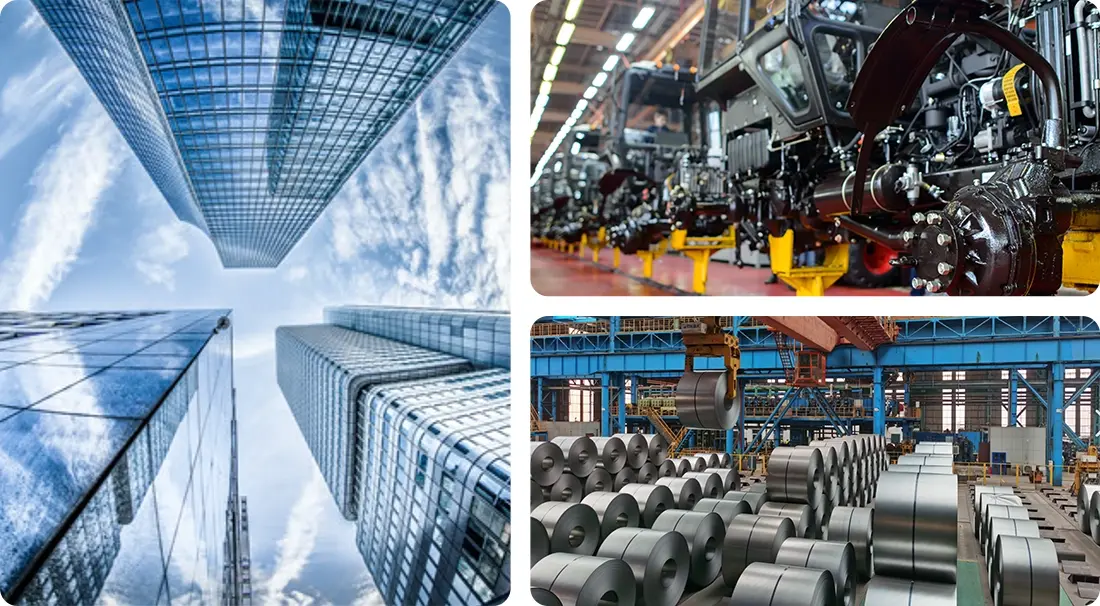
Our product heats multi-ton ingots in large-scale open die forging shops. Heat must get all the way through the metal. How evenly heat penetrates affects structural integrity. A steady flame pattern spreads heat evenly across thick sections.
Precision Component Manufacturing
Stable furnace atmospheres come from the burner on automotive forging lines. Crankshafts are one product made there. Gears and transmission parts are others. With that stability, high-alloy steels do not decarburize during heating cycles. Material specifications stay intact.
Facility Modernization Projects
In brownfield retrofit work, our low-pressure burner technology, including the Gas Forging Furnace Low Pressure Burner, takes the place of older high-pressure systems. The burner works well on municipal low-pressure gas grids. No expensive gas boosting equipment is needed.
FAQ
Q: Can the burner still work when gas pressure falls below 2kPa?
A: Yes. Special ultra-low pressure nozzles are paired with forced-draft blowers. Pressure can drop a lot, and the right air-gas ratio still holds. The system corrects itself. That self-correction keeps the flame steady.
Q: In what way does this system cut gas use next to standard burners?
A: The temperature does not overshoot, and that comes down to precision mixing and high turn-down ratios. Heat goes to each production phase in the exact amount it needs. Against traditional atmospheric burners, you burn 15-20% less fuel.
Q: Which maintenance schedule should we keep to?
A: Give the burner heads a look twice a year. Carbon builds up over time, and the nozzle can wear. Run gases with lower purity? Switch to a quarterly check. That keeps performance where it should be. And routine maintenance costs you very little downtime.
Q: Does the system integrate with automated furnace controls?
A: Yes, that works. PLC systems hook up to our product through 4-20mA or Modbus signals. Ignition sequencing then runs on its own. Flame monitoring happens live, and temperature control ties straight in.
Q: Do the emissions pass today's environmental rules?
A: Air goes in stages, so less thermal NOx forms while the fuel burns. Levels stay within tight regional limits test after test. Your site stays clear of regulator problems.
Partner With Industrial Heating Experts
Ready to reduce energy costs while improving forging quality? Contact our technical team at info@yinuofurnaces.com to discuss your Gas Forging Furnace Low Pressure Burner heating system requirements today.