Copper Melting Forge – Industrial Grade Thermal Solution for High-Purity Copper Casting
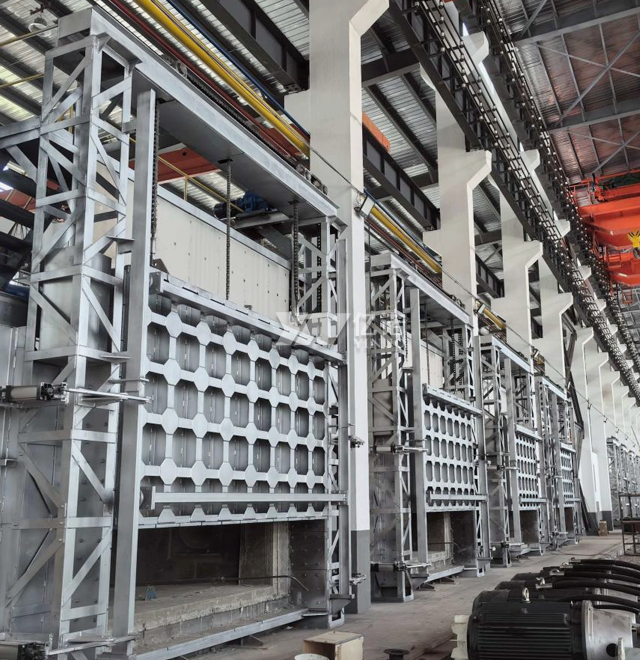
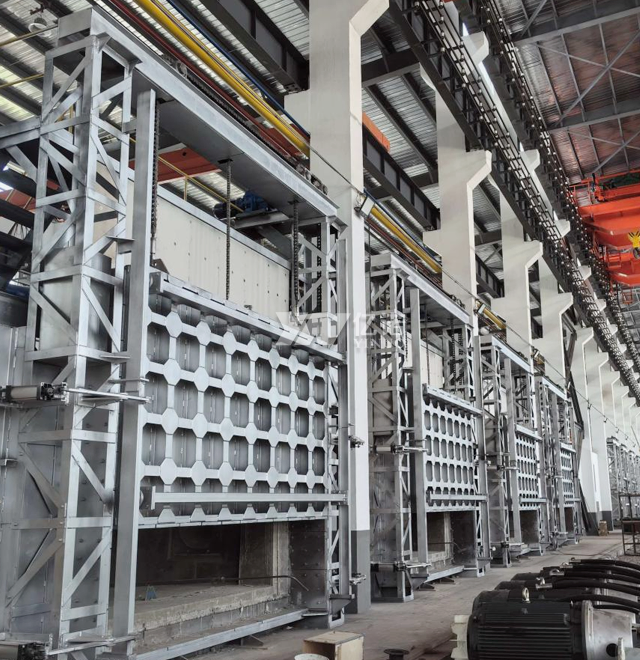
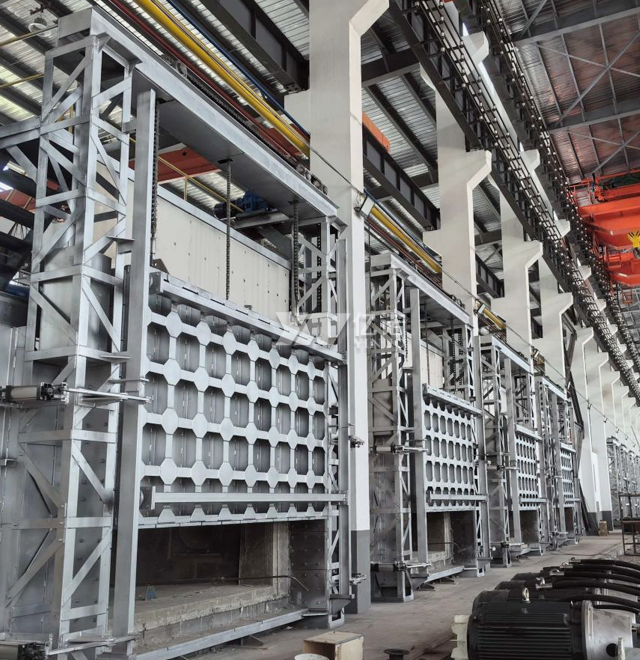
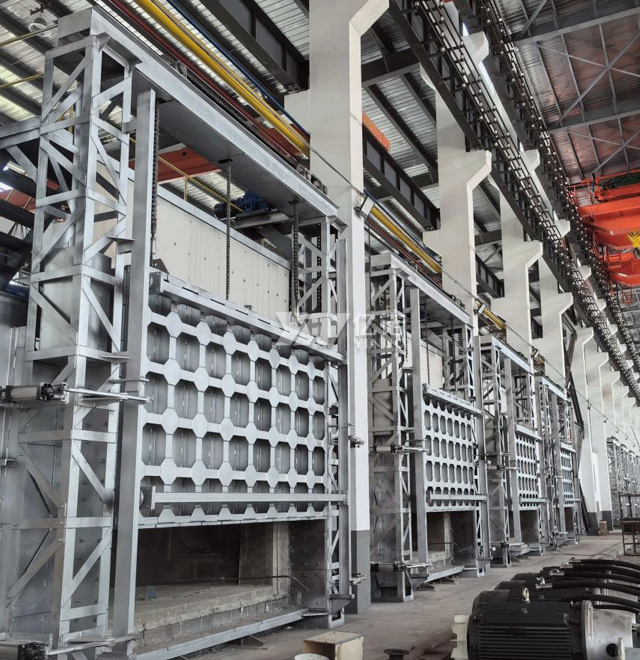
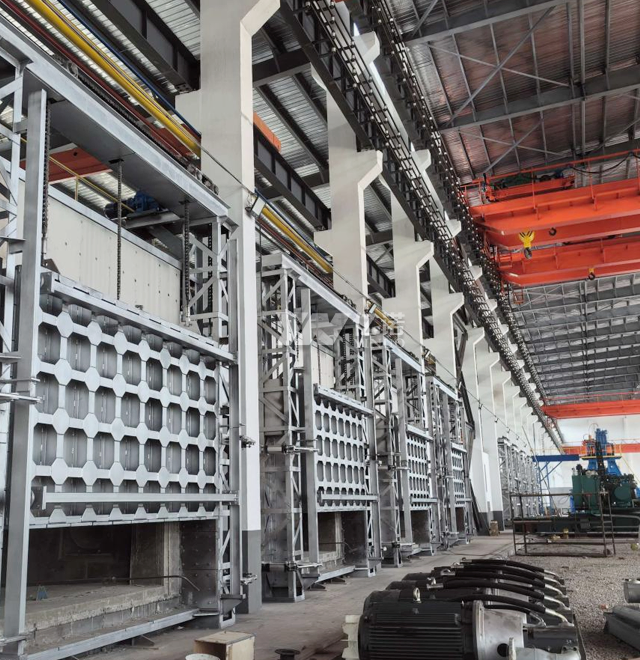
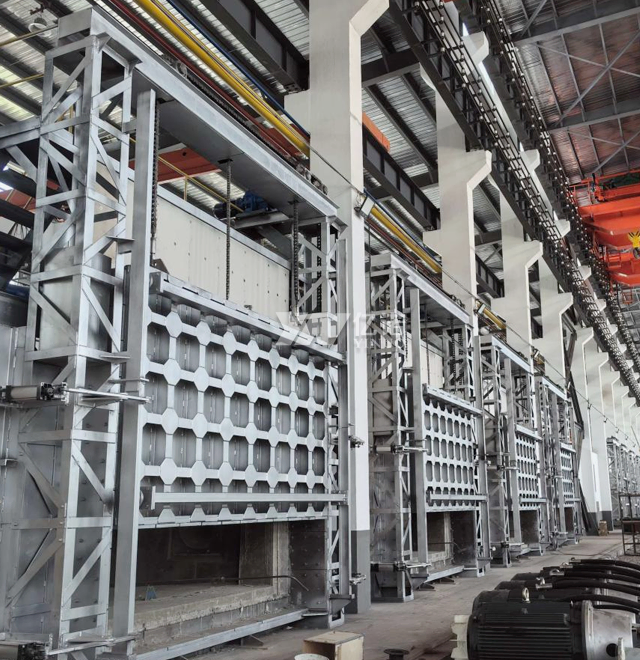
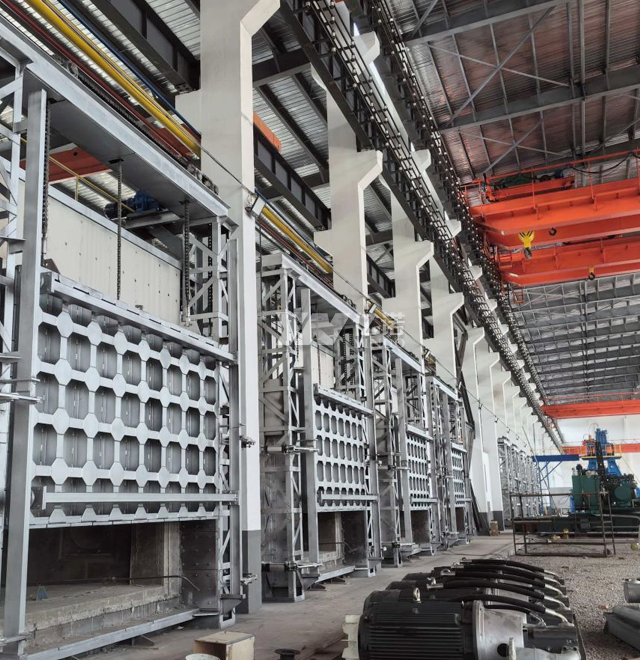
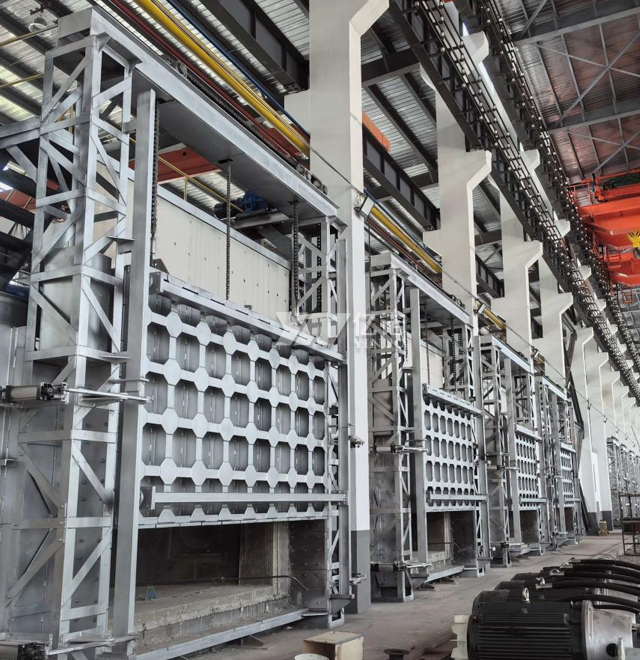
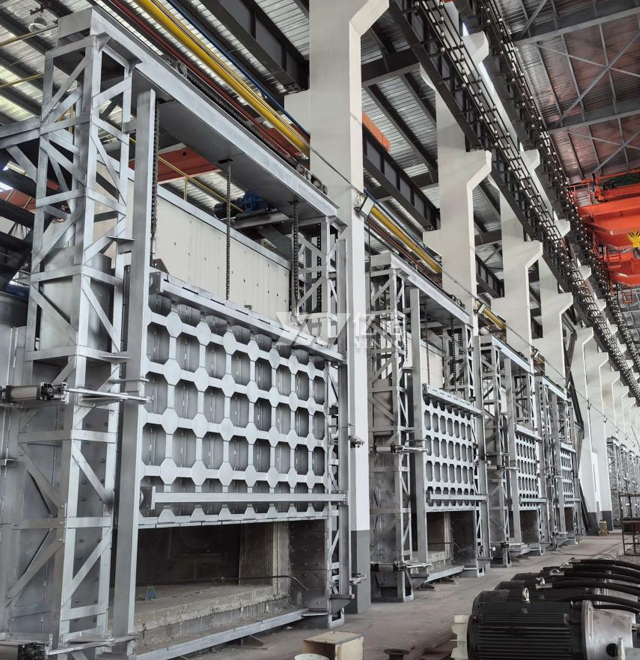
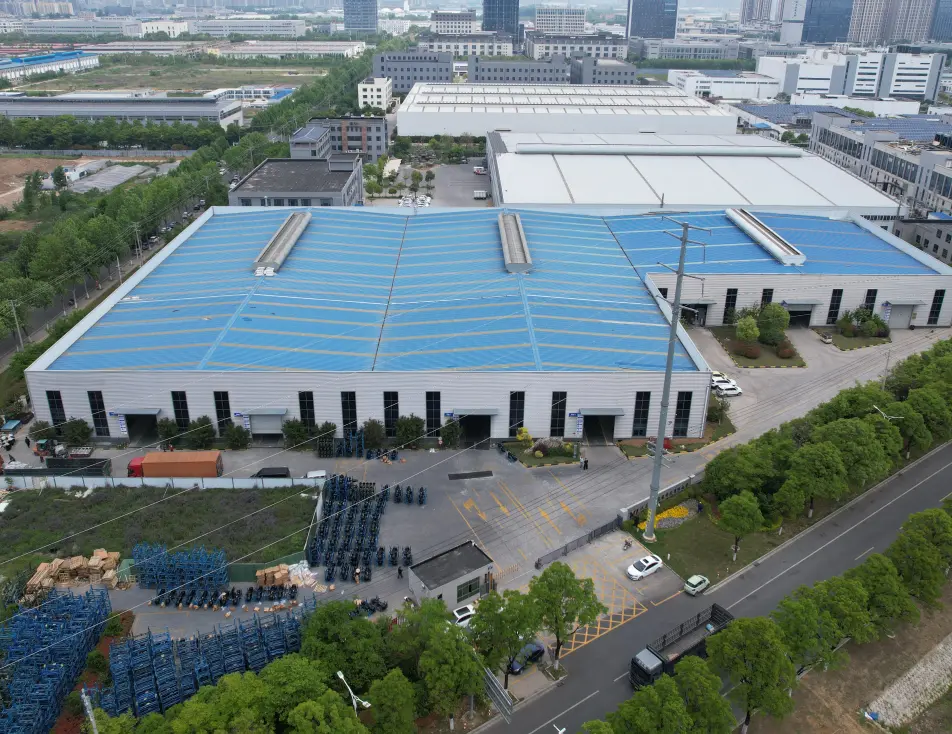
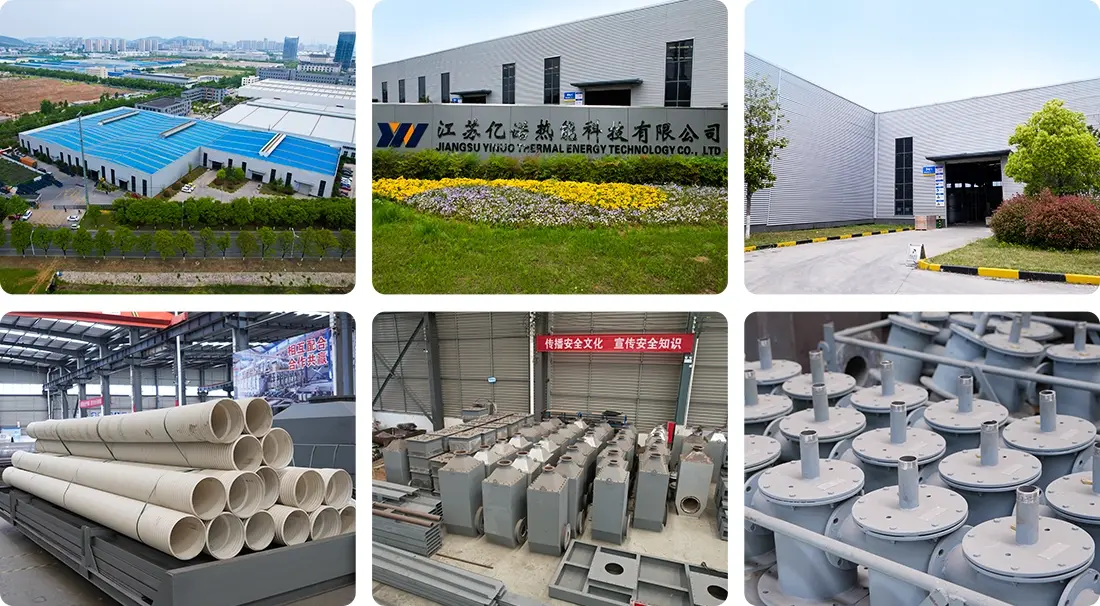
Industrial heating systems are made by JIANGSU YINUO THERMAL ENERGY TECHNOLOGY CO., LTD. One of its main lines is the Copper Melting Forge. Copper processing is the work it covers, and that work needs tight control. The plant takes up 20,000㎡. Fixed assets come to 80 million yuan. More than 100 technical professionals work there. That team builds forges to order. A steel-welded frame carries every unit, wrapped in multi-layer composite lightweight insulation. Melting cycles are quick. Heat across the heating chamber stays even to within ±10℃. On each run, foundries get the same metallurgical quality. Recycling operations get it too, and so do artisanal casting workshops.
What Makes Our Copper Melting System Different?
Copper alloys include brass, bronze, and beryllium copper. The thermal processing gear for them has to be specialized. It also has to cope with working temperatures above 1,085°C. Inside our forges sits regenerative combustion technology. Combustion air gets preheated to 600–1000℃, and waste heat is drawn back out of the exhaust gases. Against conventional systems, fuel use drops by more than 30%.
Fiber sealing strips sit inside the furnace door. Once that door closes, the seal is tight. Cold air has no way in. The seal then works together with distributed low-nitrogen burners. Steady conditions follow inside the chamber. Oxidation rates drop because of it. Dross formation also stays low, right through the melting cycle.
Every unit ships with its own heating chamber, built to fit. Chamber size follows your workpiece dimensions and your output target. For the multi-layer refractory lining, high-alumina brick goes together with ceramic fiber insulation. Surface heat loss stays low. Run the unit nonstop and that still holds.
Technical Specifications
| Component |
Specification |
| Effective Heating Chamber |
Customized based on workpiece size and production throughput |
| Overall Dimensions (L × W × H) |
Fully customizable |
| Furnace Lining |
Multi-layer composite lightweight heat insulation lining with low surface heat loss |
| Furnace Door |
Sealed structure with fiber sealing strips preventing cold air ingress and heat leakage |
| Furnace Body Frame |
Steel welded structure providing high structural stability |
| Temperature Control Accuracy |
±10℃ within effective heating zone |
| Air Preheat Temperature |
600–1000℃ via regenerative technology |
| Fuel Savings |
>30% compared to traditional furnaces |
| Emission Compliance |
Meets national industrial NOx standards without post-treatment equipment |
| Customization |
Available per customer requirements |
Core Performance Advantages
High Thermal Efficiency & Energy Conservation
The latent heat in the flue gases is captured by the regenerative combustion design. That heat then goes back into the combustion cycle. Incoming air is warmed to about 1,000 degrees Celsius by this closed loop thermal management system. Fuel use drops by more than a third against older forge designs. Your operating expenses fall a great deal as a result.
Uniform Temperature Distribution & Stable Heating Quality
Low-nitrogen burners sit spread out across the chamber. Heat travels in many directions thanks to that Copper Melting Forge array. Inside the effective heating zone, temperature deviation stays within ±10℃. Overheating gets stopped by this accuracy. Overburning is stopped too. Uneven heat treatment is avoided as well. Such problems are common. They damage forging quality and material integrity.
Low Nitrogen Emissions & Kind to the Environment
The combustion chamber uses an advanced geometry. This shape stops NOx from forming at the molecular standard while the fuel oxidizes. Flue gas composition always stays within the national industrial emission limits. A costly selective catalytic reduction system is not needed. Urea injection equipment is not required either. Your facility meets the rules without complicated post-treatment infrastructure.
Application Scenarios for Copper Processing in the Copper Melting Forge
Industrial Foundries & Manufacturing Operations
Bronze bushings get cast nonstop on our systems. Electrical connectors and plumbing parts come off those same lines. Large plants keep them running around the clock. Even heavy metallurgical loads don't throw the forge off. Temperature holds steady. Crews can cover several shifts back to back.
Workshops for Art Casting and Precision Jewelry
Lost-wax casting needs the temperature watched closely. Artisans come to our forges for exactly that reason. While someone works on a bronze sculpture or makes custom jewelry, the system keeps alloying elements like zinc from burning off.
Metallurgy Research & E-Waste Recycling Centers
Labs can pull high-purity copper out of electronic scrap with our Copper Melting Forge units. The same job gets done at special recycling plants. These units handle tough chemical conditions. Refractory surfaces take a hit from corrosive fluxes. Even then, the equipment keeps running.
FAQ
Q: How long does a melt cycle usually take when copper materials are used?
A: Getting a cold furnace up to working heat eats 20-30 minutes. After that, plan on 15-20 minutes for each melt. How fast it goes comes down to furnace capacity and the heat input rating. Those numbers hold only if you preheat the right way and use flux.
Q: What keeps copper from oxidizing while it melts?
A: Inside the chamber, pros build a reducing atmosphere. In goes borax or crushed charcoal as a flux. It sits between the molten metal and the oxygen in the air and works as a barrier layer. Dross formation drops a lot with this method.
Q: Induction or combustion-based systems, which one should I pick?
A: Go with combustion-based forges if the unit has to move around and you want to spend less upfront. Medium-scale operations do well with them. Induction systems cost more to start. Running costs are lower though, and they cut down oxidation. What settles it is your output level and what your budget allows.
Q: The refractory lining, how often should it be replaced?
A: Once 50 melting cycles finish, inspect the ceramic fiber linings. Remove any lining with heavy thinning or vitrification. That glazed surface is vitrification, and repeated thermal cycling creates it. Steady upkeep adds a lot to service life.
Q: Can this equipment melt ferrous metals like iron?
A: No. Iron only melts once you go above 1,538°C. Heat that high damages the refractory materials and the structural parts of a forge that was built for copper alloys. Going with ferrous metal? Use gear made for that kind of work.
Contact Our Engineering Team
Ready to optimize your copper processing operations? Contact our technical specialists at info@yinuofurnaces.com for customized Copper Melting Forge solutions tailored to your production requirements.