Chamber Furnace Forging Stainless Billet - Industrial Heating Solutions for High-Performance Metal Processing
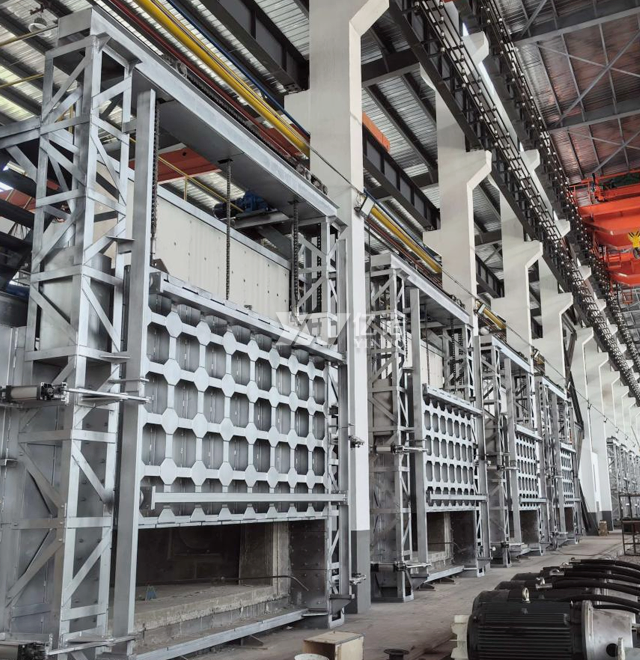
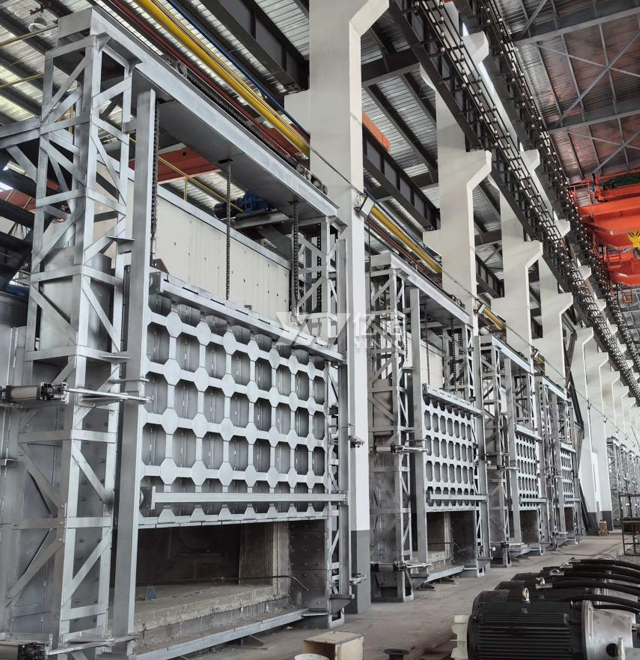
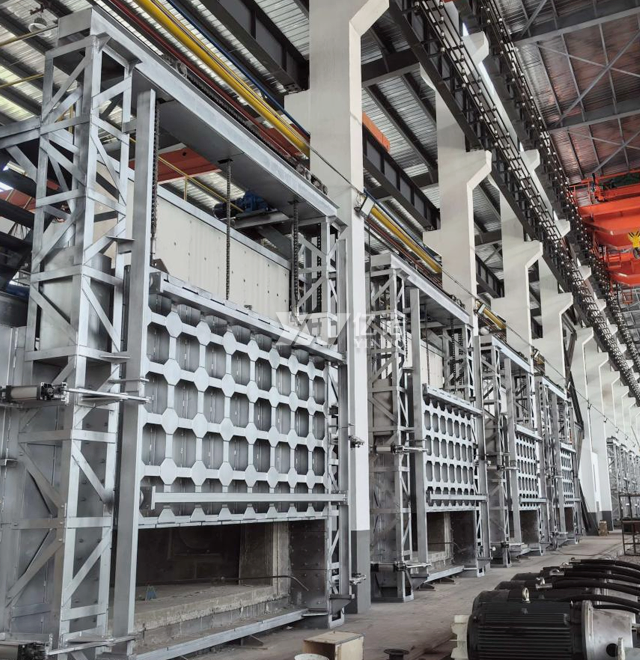
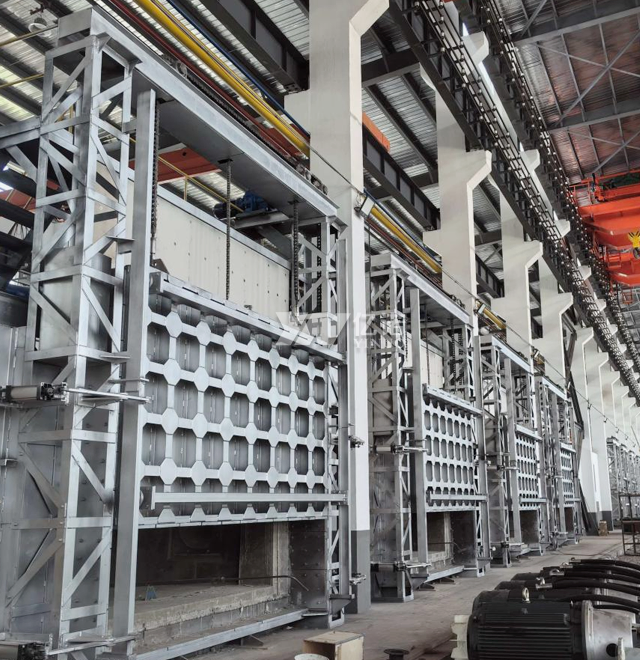
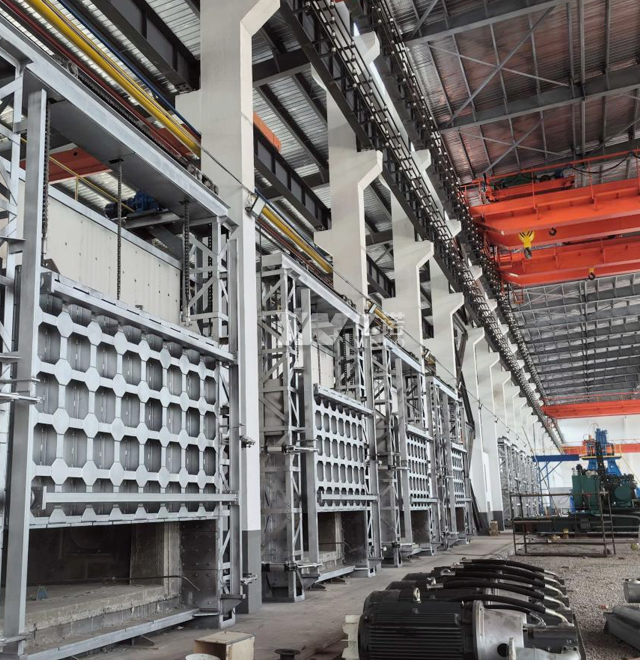
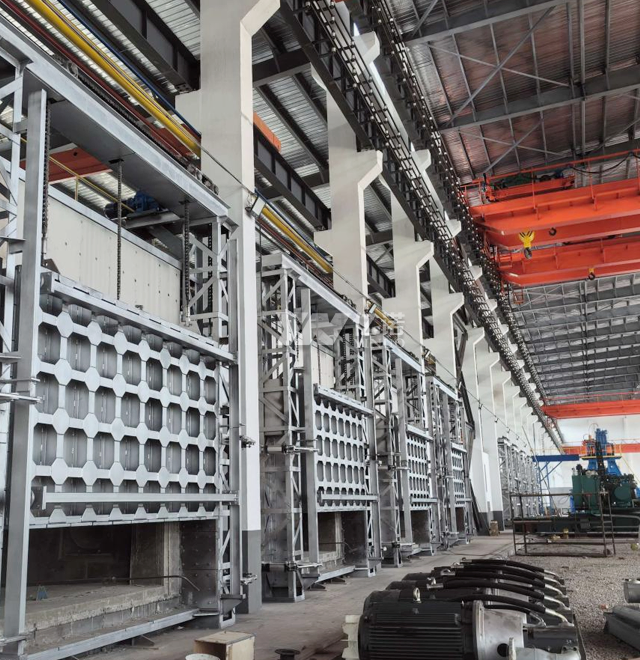
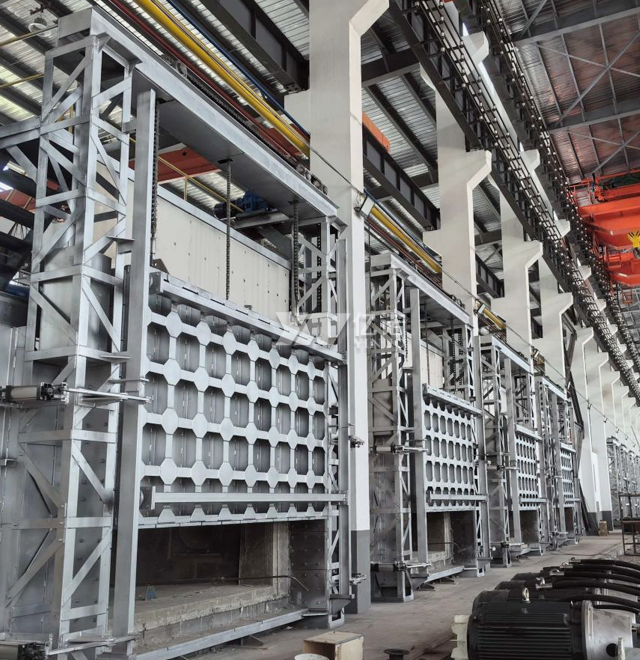
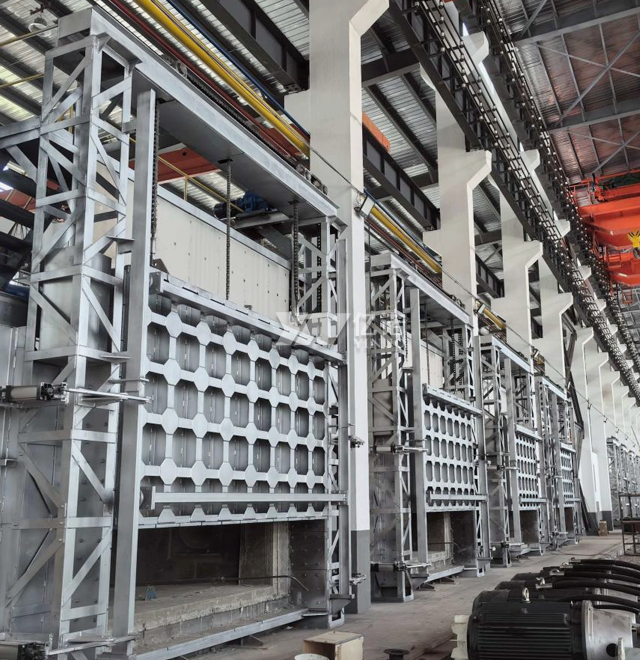
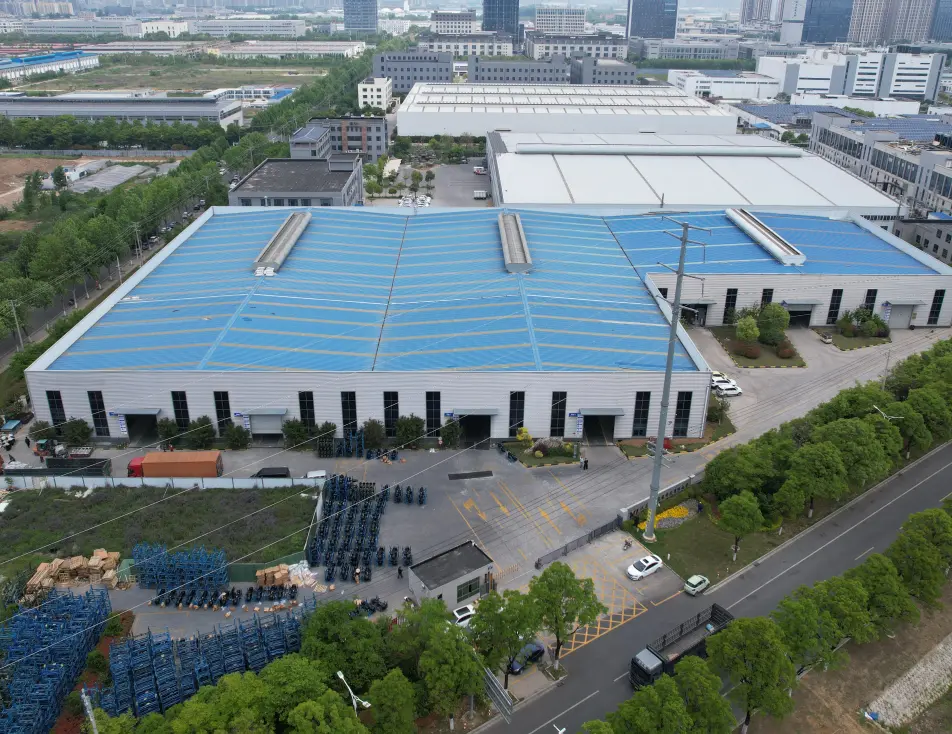
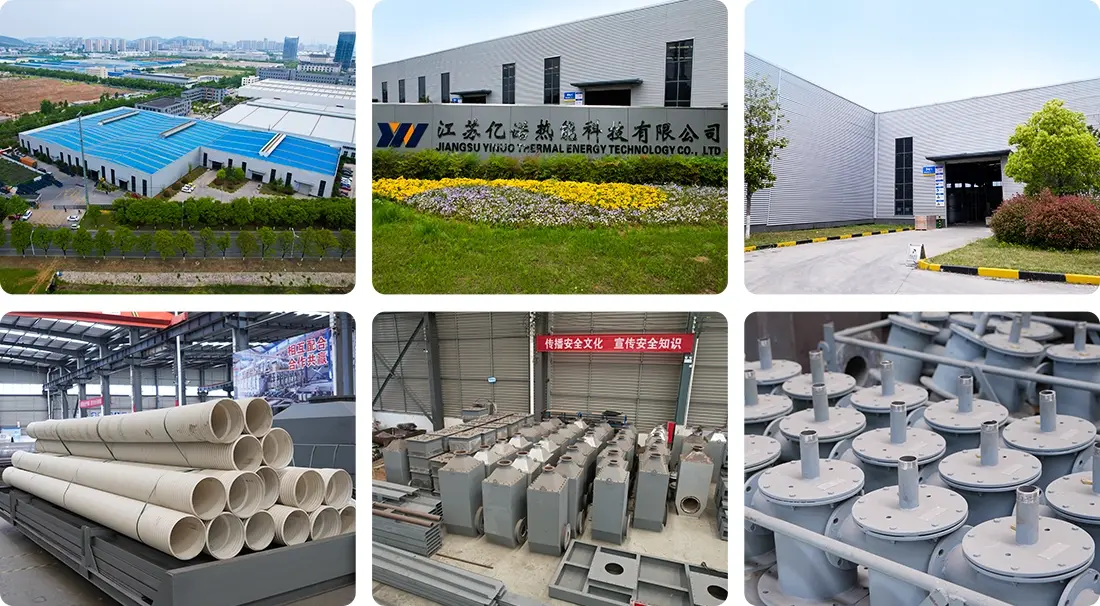
JIANGSU YINUO THERMAL ENERGY TECHNOLOGY CO., LTD builds thermal processing equipment for Chamber Furnace Forging Stainless Billet work. These chamber furnaces hold exact temperatures and heat stainless billets evenly from 1000°C to 1250°C. The steel then gets proper plastic deformation before mechanical forging. Fixed assets sit at 80 million yuan. Our plant covers 20,000㎡ and has more than 100 technical staff. We supply full heating setups that cut oxidation. Thermal cracking is less likely. The metal structure stays sound. A multi-layer composite lightweight insulation lining lowers surface heat loss by up to 35%. Sealed furnace doors with fiber sealing strips keep cold air out. This makes the systems a good fit for high-alloy materials like 304 and 316L. Duplex 2205 also fits.
What is billet?
The product is the specialised batch heating process, where the stainless steel raw material is heated to its optimal forging temperature in a controlled chamber. This approach solves major issues in processing of high-alloy.
For separate B2B forging cycles, our chamber furnace setup is much more flexible than continuous furnaces. Operators can adjust heating curves and soak times with accuracy. That matters for materials that do not carry heat well.
It eliminates internal thermal cracking and provides homogeneous temperature distribution in big section billets. Your product is characterised by a low surface oxidation and a preserved structural integrity in the heating cycle.
Technical Specifications
Our chamber furnace systems are engineered to meet demanding industrial requirements with customizable parameters tailored to your specific production needs.
| Parameter |
Specification |
| Effective Heating Chamber Size |
Customized based on workpiece size and production throughput |
| Overall Outer Dimension (L × W × H) |
Customized to facility requirements |
| Furnace Lining |
Multi-layer composite lightweight heat insulation lining with low surface heat loss |
| Furnace Door |
Sealed structure with fiber sealing strips to prevent cold air ingress and heat leakage |
| Furnace Body Frame |
Steel welded structure with high structural stability |
| Temperature Range |
1000°C to 1250°C (grade-dependent) |
| Customization |
Available based on customer requirements |
Core Advantages of Our Heating Systems
Our chamber furnaces provide your forging operations with tangible benefits in production efficiency and product quality.
Fast Heating & High Efficiency: You will get faster cycle times and accurate temperature management. The optimised heating rate relieves manufacturing bottlenecks and improves throughput.
Low Material Loss: The oxidation and decarburisation properties minimise raw material costs and prolong the life of your forging dies. That amounts to big savings over running all the time.
Better Temperature Uniformity: Heat homogeneity results in a minimum temperature difference between workpiece surface and core. Your billets have consistent metallurgical characteristics through the cross section.
Enhanced Working Environment: improved working conditions for your team and lower ambient temperatures in the workplace thanks to better thermal management. This helps to maintain employees and build corporate image.
Low Energy Consumption: Advanced insulation technology and sealed design minimises heat leakage. You’ll have better sustainability indicators and lower operating costs.
Industrial Applications
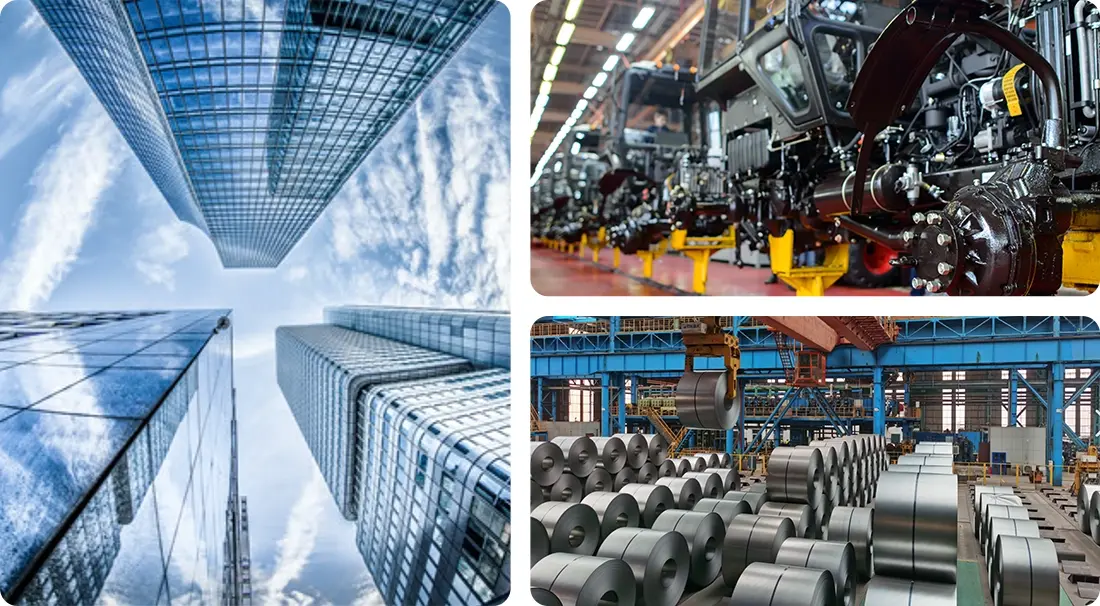
Your Chamber Furnace Forging Stainless Billet operations serve high-stakes sectors. In those sectors, material performance cannot be compromised.
Oil & Gas Infrastructure: High-pressure valve bodies and subsea connectors are made from forged billets. In critical applications, these parts hold up in sour gas environments and under extreme hydrostatic pressure.
Aerospace Propulsion Systems: Turbine rings and structural engine mounts need very high fatigue resistance. For cyclic loading, reliability comes from the forged billet's high-temperature oxidation stability.
Heavy Chemical Processing: Reactor internals and large-scale agitator shafts need strong resistance to intergranular corrosion. Your equipment handles aggressive media such as nitric or sulfuric acid and gets a longer service life.
These applications demonstrate why precise chamber furnace control is essential for your most demanding projects.
Chamber Furnace Forging Stainless Billet Quality Assurance & Material Properties
Billets that go through processing come out better. The metal is more uniform, and the grain structure is finer. On the heat cycle, our solutions keep the chromium and nickel balance steady with as little decarb as possible.
A high strength-to-weight ratio, plus real toughness. Internal microporosity gets sealed off, so the structure ends up denser than you get with cast alternatives.
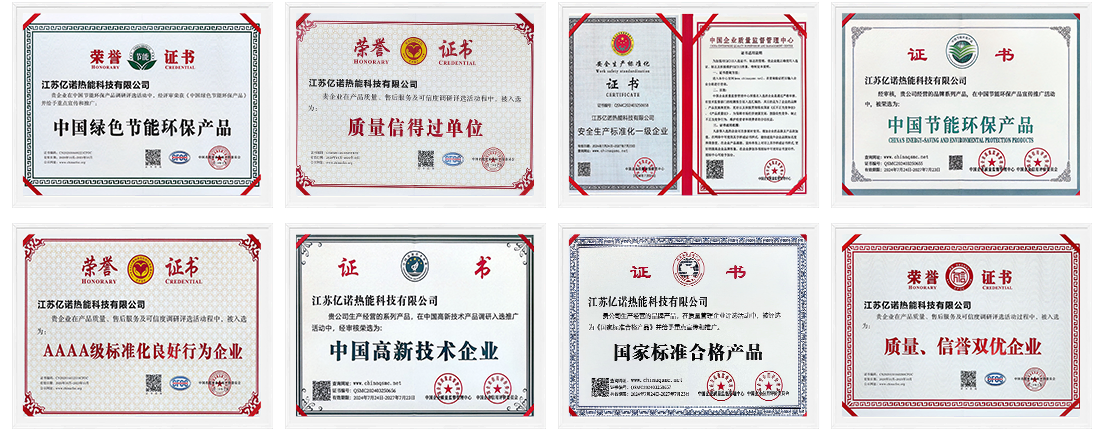
ASTM A182, DIN EN 10222-5 and ASME SA-182 are the standard specifications. Every furnace is checked against national and industry norms before it ships. That is what the quality management system covers.
Ultrasonic Testing to ASTM A388 belongs in your Chamber Furnace Forging Stainless Billet QC methods. So does metallographic examination to verify grain size. Add Charpy V-Notch impact testing at working temperatures as well.
FAQ
Q: Why is slow heating required for stainless steel billets?
A: Heat moves poorly through stainless steel. Warm it too fast and you get sharp temperature swings that put the part at risk. We heat it in a controlled way, so no internal thermal stress builds up and nothing cracks.
Q: What forging ratio do you recommend?
A: A minimum 3:1 or 4:1 forging ratio ensures fully wrought structure and eliminates original cast dendritic patterns for optimal mechanical properties.
Q: What stops your systems from overheating?
A: Temperature is managed by a PLC, and the atmosphere is kept in check too. Both hold the billets under the solidus temperature. That way the grain boundaries never melt, which would be irreversible and would ruin the material.
Q: Is post-forge heat treatment necessary?
A: Yes. Solution annealing and a water quench bring back corrosion resistance. The same treatment relieves internal stresses left by forging.
Q: Can duplex stainless grades be processed?
A: Absolutely. Duplex grades need tighter temperature windows. Our systems deliver them. Faster handling is possible too. It helps avoid the 475°C embrittlement zone. Sigma phase does not get a chance to form.
Contact Us for Custom Solutions
Ready to optimize your Chamber Furnace Forging Stainless Billet operations? Contact our engineering team at info@yinuofurnaces.com for customized heating solutions tailored to your production requirements.