Annealing Furnace Steel | Gas-Fired Bogie Hearth Furnace for Precision Heat Treatment & Stress Relief Solutions
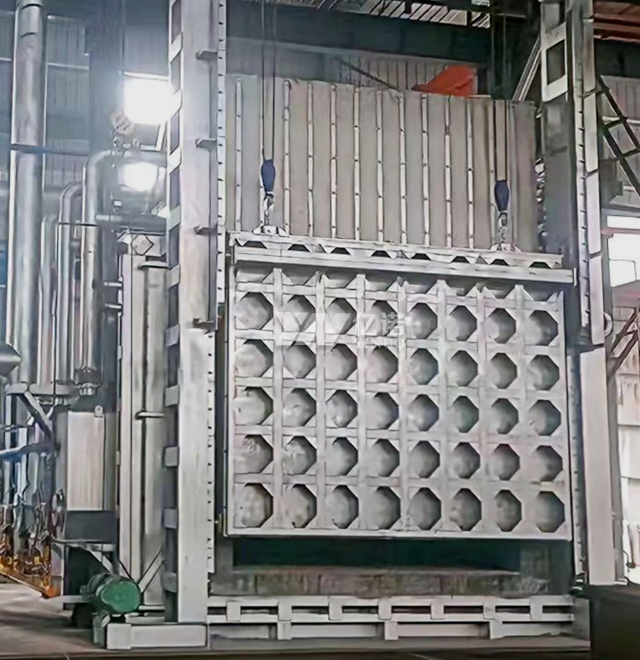
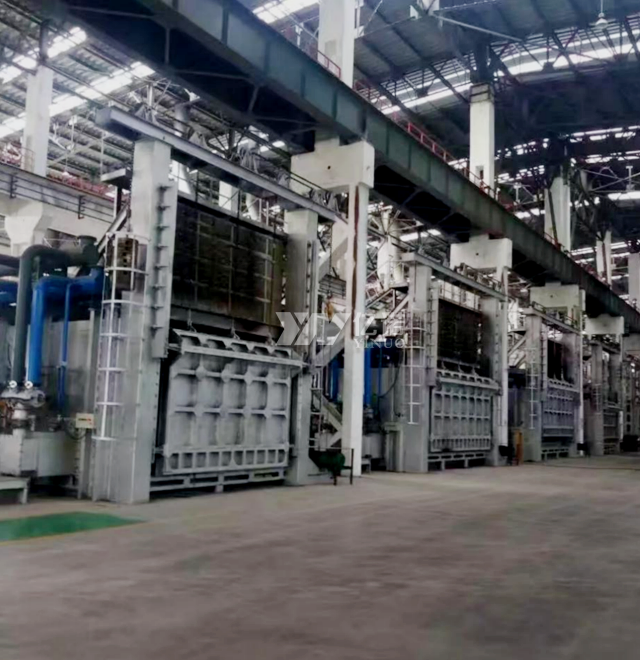
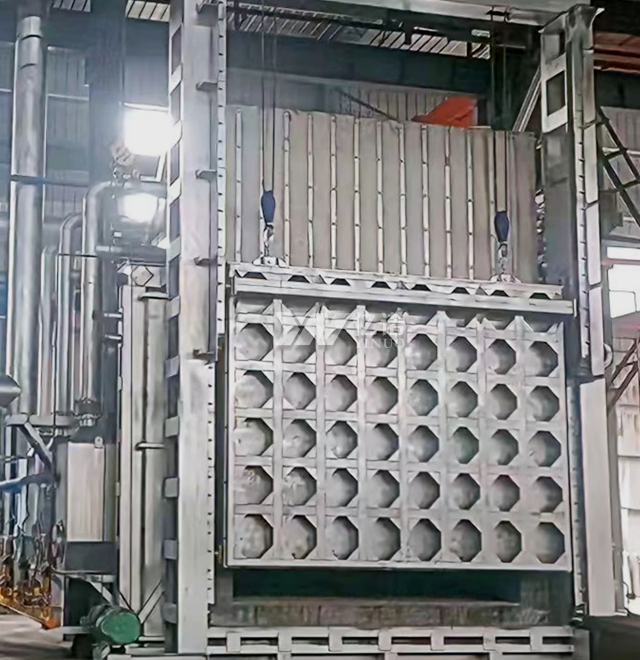
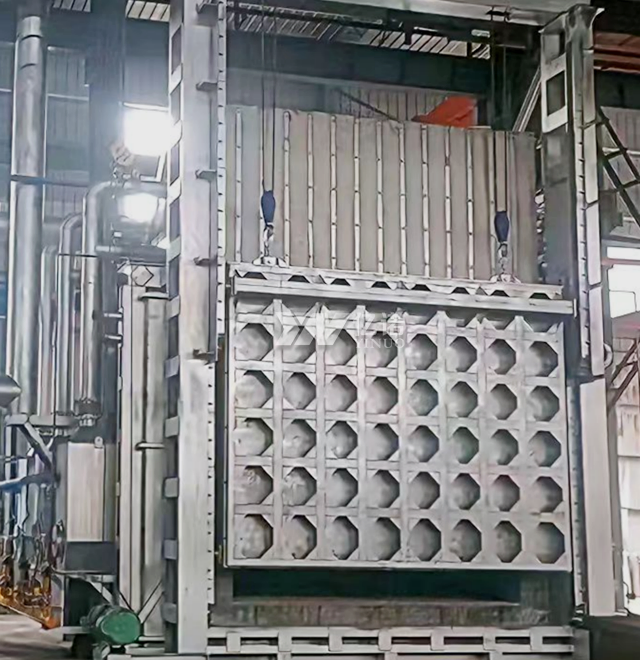
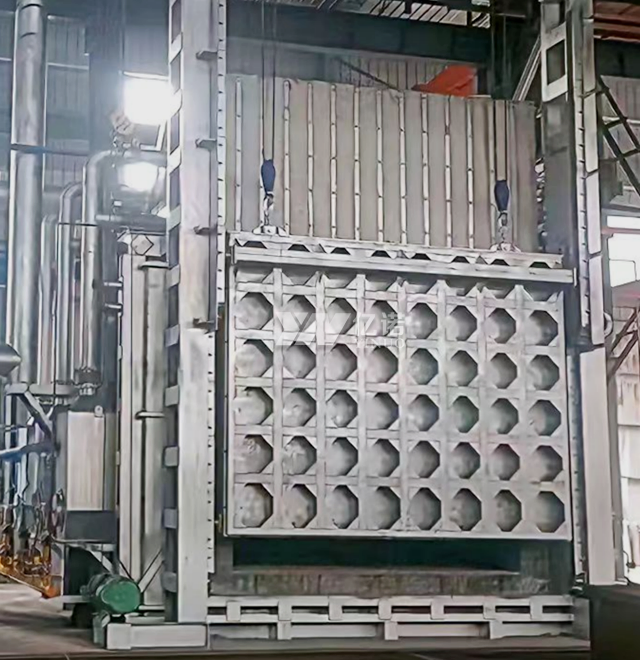
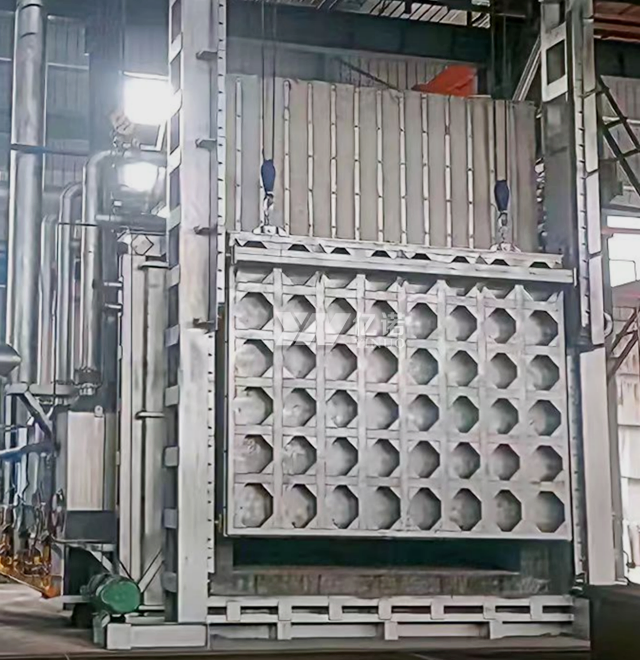
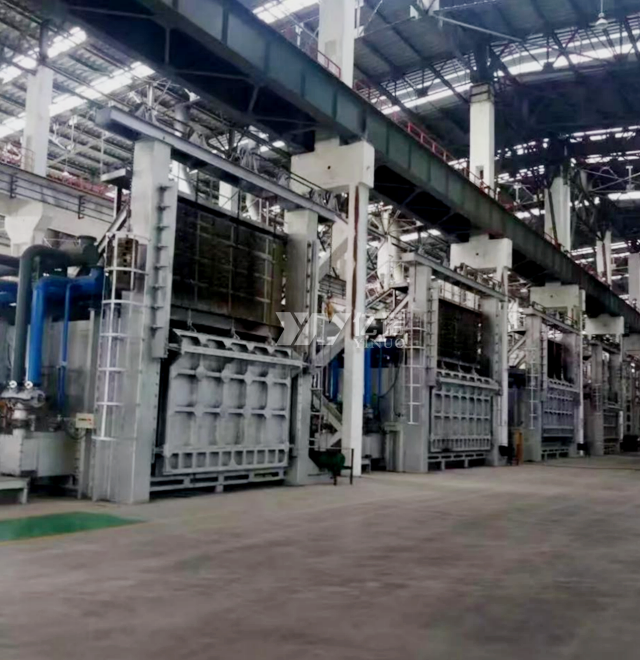
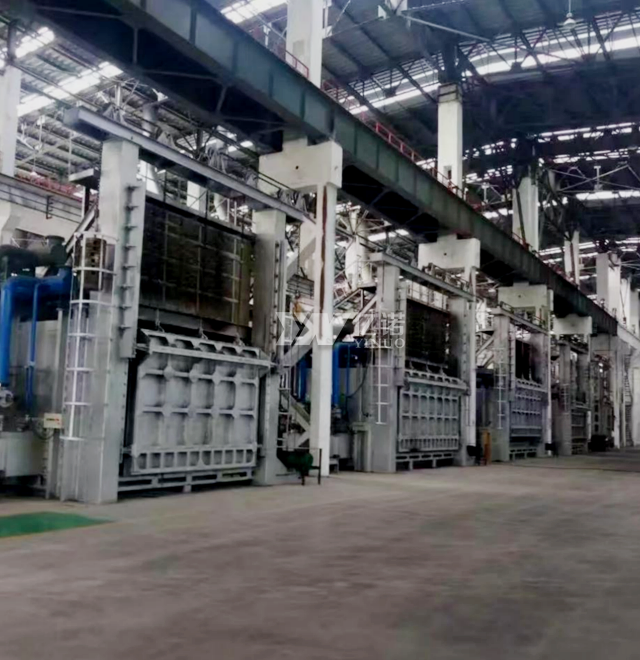
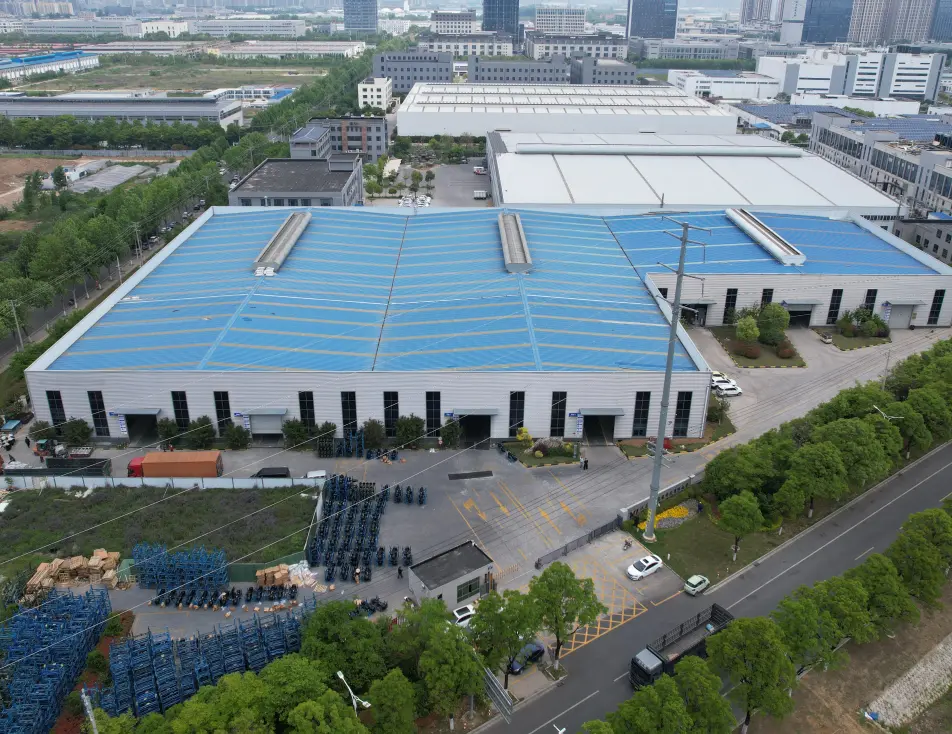
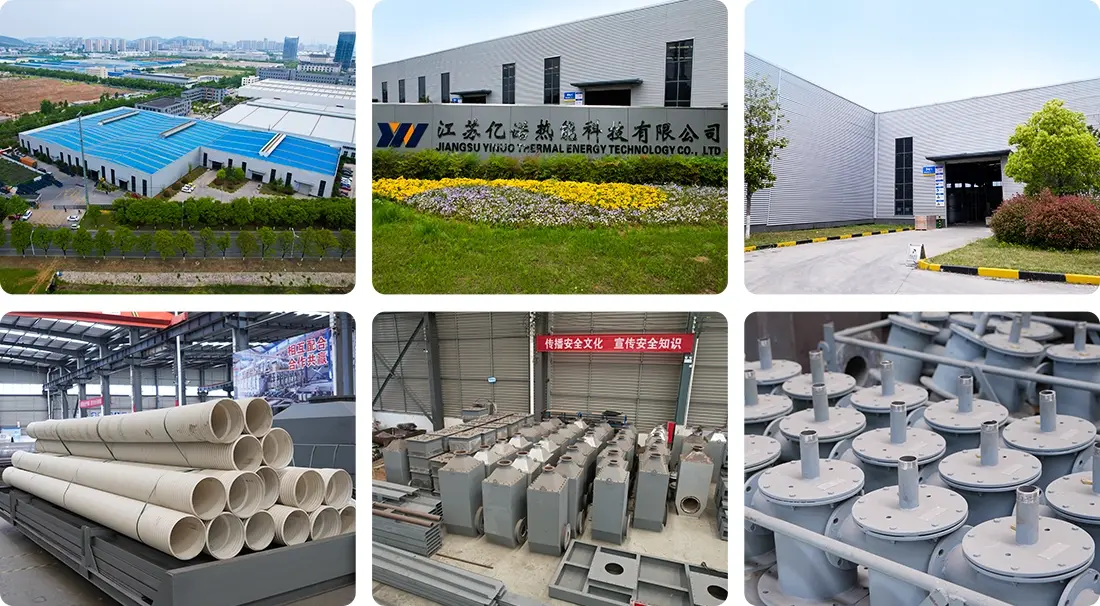
JIANGSU YINUO THERMAL ENERGY TECHNOLOGY CO., LTD builds equipment that processes Annealing Furnace Steel at a high level. Precise thermal treatment is what this gear is made for. Our gas-fired bogie hearth furnace runs at 550℃ as standard. Capacity can be raised to 950℃. A 350mm refractory fiber lining keeps the heat even, and deviation stays inside ±8℃. Over 100 professionals work across a 20,000㎡ production facility. Fixed assets of 80 million yuan sit behind it. Critical steel parts get enterprise-grade thermal solutions from us. Residual stress is removed, ductility goes up, and the microstructure improves.
What Is steel and Why Your Production Needs It?
These products are steel items put through controlled heating. Their microstructure changes, and the result is better performance. The steel goes up to a set temperature first. It then sits there for a fixed period. Regulated cooling comes last.
Industrial manufacturers have great issues of high residual stress due to cold working, excessive hardness that makes machining difficult and inadequate ductility leading to fracture during forming. Our specialised heating systems resolve these pain spots to provide constant heat treatment quality.
Against untreated material, heat treatment cuts internal stress by 40-60%. Elongation rises by 20-40%. Better machinability follows from this change. Cracking in later processes drops too. High precision engineering jobs also get parts that hold their dimensions.
Technical Specifications of Our Gas-Fired Bogie Hearth Furnace
| Parameter |
Specification |
| Furnace Type |
Gas-fired bogie hearth furnace |
| Furnace Chamber Dimension |
Customized per customer's requirements |
| Furnace Loading Capacity |
Customized per customer's requirements |
| Refractory Fiber Lining |
350 mm thickness |
| Fuel Medium |
Natural gas |
| Fuel Calorific Value |
8500 Kcal/Nm³ |
| Working Temperature |
Standard 550℃, adjustable up to 950℃ |
| Temperature Uniformity |
≤±8℃~±1℃ (after 1h heat preservation) |
| Temperature Control Precision |
≤±2℃ |
| Heating Rate (Adjustable) |
50–200℃/h under full loading |
| Furnace Shell Temperature Rise |
Top ≤45℃, side wall ≤40℃ (at 950℃) |
| Temperature Control Zones |
Configured per customer's process requirements |
| Combustion System |
Switchable pulse or regenerative combustion |
| Control System |
Semi-automatic PID + Omron PLC with manual mode |
| Furnace Door Lifting Speed |
Approx. 6 m/min, electric hoist with wedge locking |
| Bogie Moving Speed |
5–7 m/min |
| Bogie Driving Type |
Chain drive, self-propelled |
| Furnace Door Operation |
Electric lifting, 4–6 m/min travel speed |
| Exhaust System |
Top and side wall outlets, chimney ≥2m above roof |
| Typical Application |
Stress relief annealing |
| Customization |
Available based on requirements |
Core Advantages That Transform Your Heat Treatment Operations
Precise Multi-Zone Temperature Control
Across the whole chamber, temperature consistency reaches ±5℃. Independent PID control in different zones of our system does that job. Hardness that varies from piece to piece is avoided at this accuracy. Deformation and oxidation faults that hurt product quality drop as well.
Each batch comes out with the same heat treatment. Rejection rates stay low because of that. International metallurgical standards such as ASTM A240 and ISO 6931 are also met.
Thermal Insulation Built to Save Energy
The furnace is lined with multi-layer 350mm thick composite lightweight fibre for ultra-low surface heat loss. This closed heat preservation construction can greatly limit the loss of heat radiation.
Conventional heating systems set the baseline. Against that baseline, this design is 25-44% more energy efficient. Running costs fall. Thermal performance stays stronger. Production economics feel the shift right away.
Flexible Combustion Technology
Pick switchable pulse combustion (high/low fire) or regenerative combustion modes. Your operations get room to adapt. Production loads shift. Annealing Furnace Steel processing needs shift too. This setup covers both.
A calorific value of 8500 Kcal/Nm³ comes from the natural gas system. Heating rates can run anywhere from 50-200℃/h. That way, stress relief, full annealing, or process annealing each get the right thermal cycle.
Industrial Applications of Annealing Furnace Steel Processing
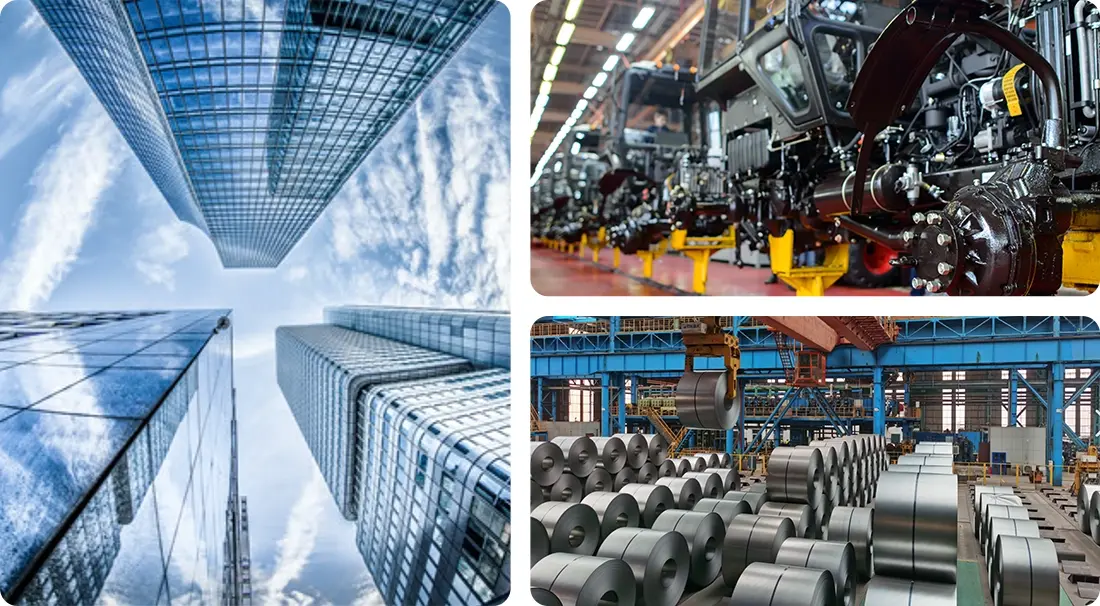
Deep drawn parts such as fuel tanks and structural pieces need metal that forms well. Automotive Component Manufacturing relies on this. Our thermal processing stops the material from work hardening. Complex stamping shapes can then be made without necking or fractures.
Grain orientated electrical steel is used in the core of Power and Electrical Industries Transformers. Some annealing cycles maximise the magnetic flux density, minimise the core loss and improve energy efficiency in power transmission systems.
Aerospace and Precision Engineering work puts high strength fasteners and hydraulic tubing under harsh conditions. Hydrogen embrittlement and stress corrosion cracking are eliminated by our controlled atmosphere process. Structural integrity also holds up under cyclic heat loading.
General Manufacturing sectors get better machinability and less tooling wear. Grain structure also improves with Annealing Furnace Steel, usually to ASTM 7 or finer. That structure gives isotropic mechanical properties. For precision machining processes, this matters a lot.
FAQ
Q: How much does cooling rate change the final hardness of processed steel?
A: Let the steel cool down slowly, and the structures you end up with are coarser pearlitic or spheroidized ones. Hardness falls quite a bit. Ductility rises. Cold heading and forming operations need maximum plasticity, so the material is well served by this trait.
Q: What do you gain from annealing in a protective atmosphere?
A: A hydrogen or nitrogen atmosphere stops the surface from oxidizing and also halts decarburization. The parts come out looking like a mirror. Afterward there is no acid pickling step to run. On stainless steels, the protective chromium oxide layer is left intact.
Q: Can your annealing process fix hydrogen embrittlement issues?
A: Yes. Proper baking and annealing cycles drive out the hydrogen that plating or pickling left behind. The metal gets its toughness back. Delayed fractures no longer happen.
Q: What sets full annealing apart from process annealing?
A: Heat the metal past the upper critical temperature and you get full annealing. The austenite forms all the way through, and the structure recrystallizes. Process annealing is different. It runs at lower temperatures. Bringing ductility back between cold-working steps is its main job. No complete phase transformation happens here.
Q: What do you do to keep temperatures even during production?
A: Thermocouples are placed at several points in the chamber. On top of that, we run Temperature Uniformity Surveys (TUS) to the AMS2750 standard. Across the whole heating chamber, readings hold within ±5℃. Metallurgical results stay consistent because of that monitoring.
Q: Could a system be customized for one specific production requirement?
A: Yes. Our engineering team designs furnace chamber dimensions, loading capacities, and temperature control zones specifically for your heat treatment processes and production volumes.
Contact Us for Custom Thermal Solutions
Ready to optimize your Annealing Furnace Steel processing with precision thermal equipment? Contact our engineering team at info@yinuofurnaces.com for customized furnace solutions.