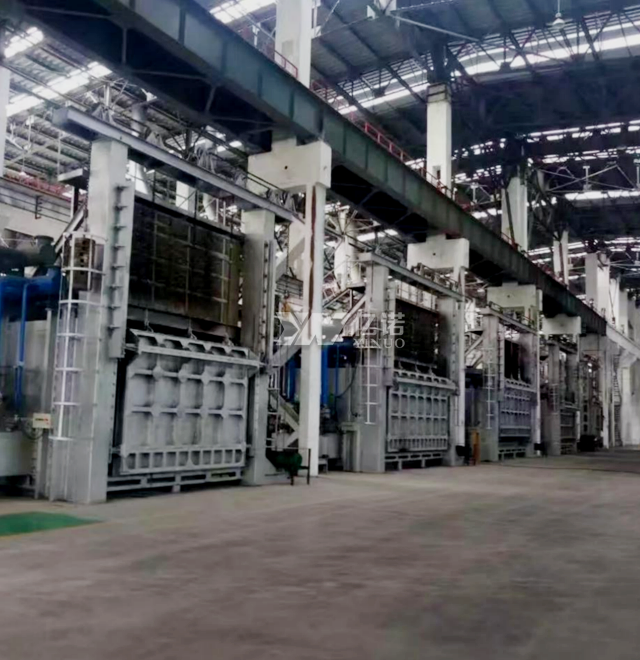
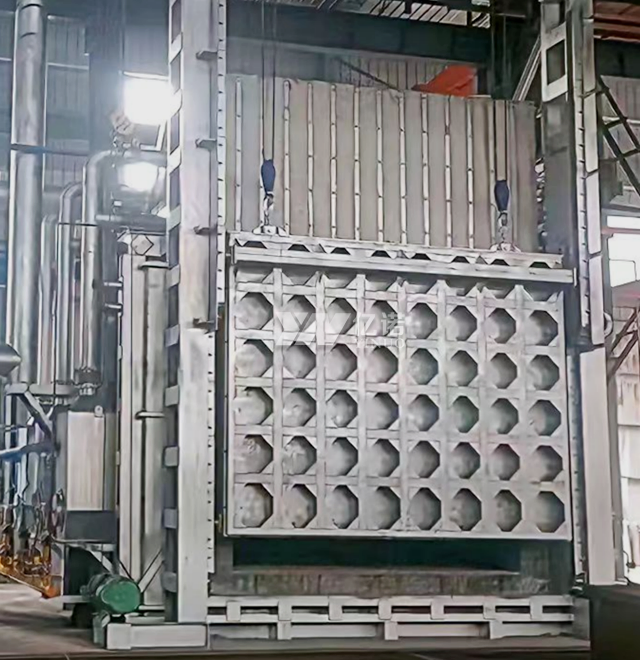
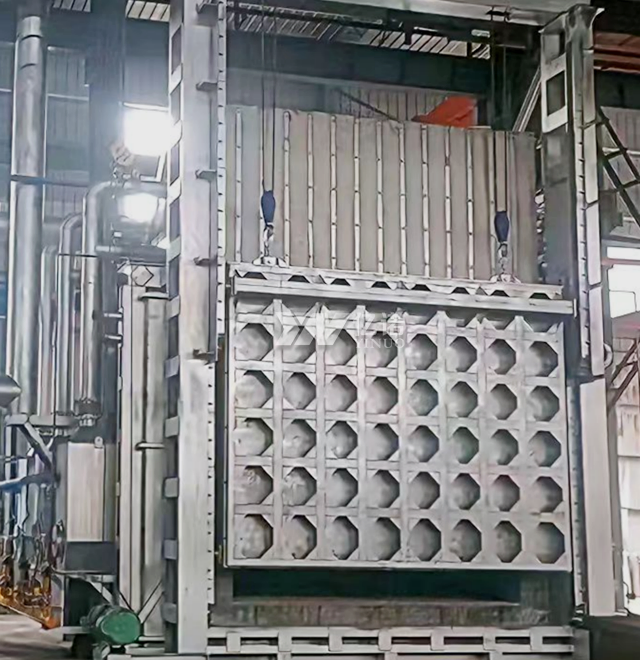
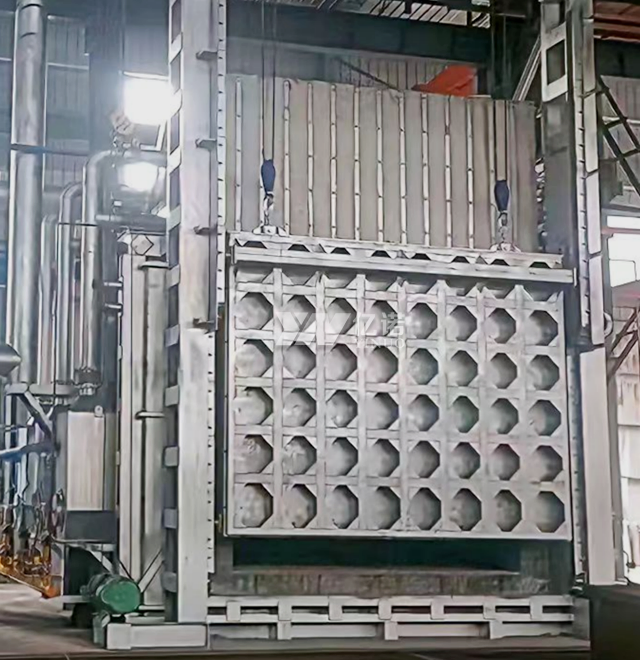
Trolley Type Annealing Furnace Roller Door for Gas-Fired Bogie Hearth Systems – Precision Sealing Solution for Industrial Heat Treatment
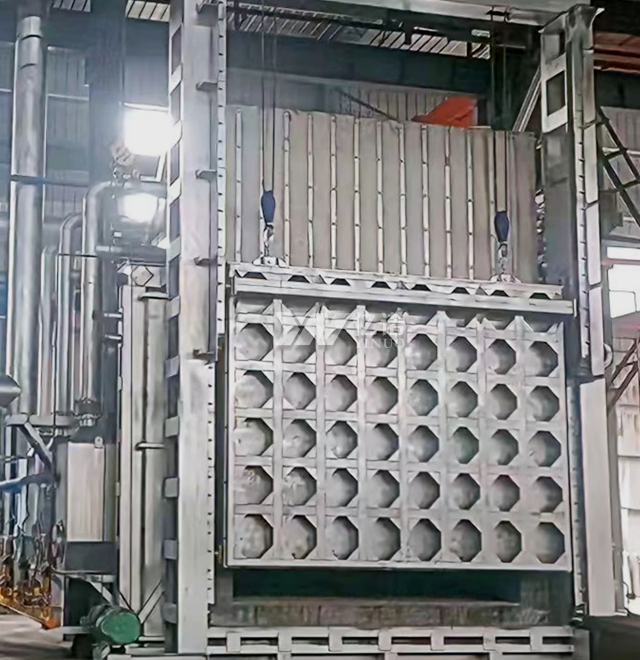
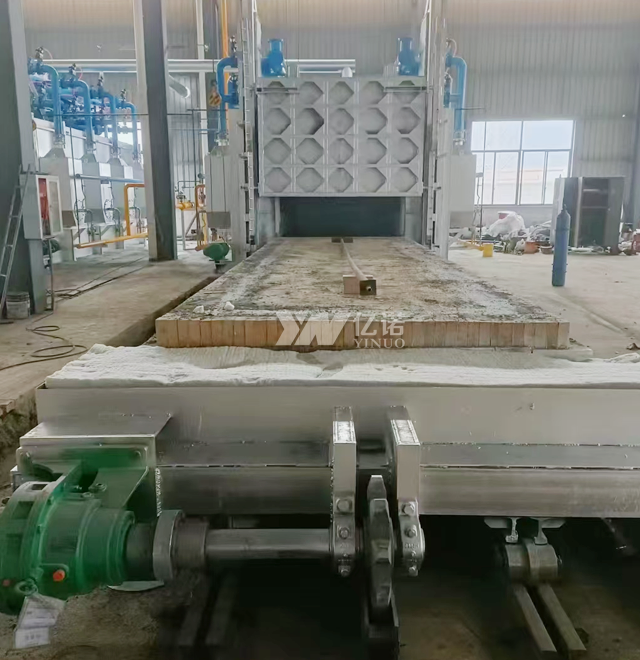
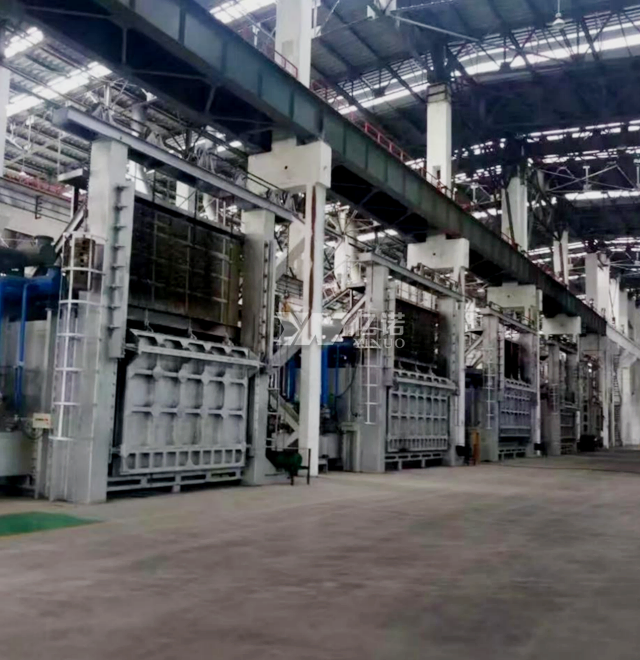
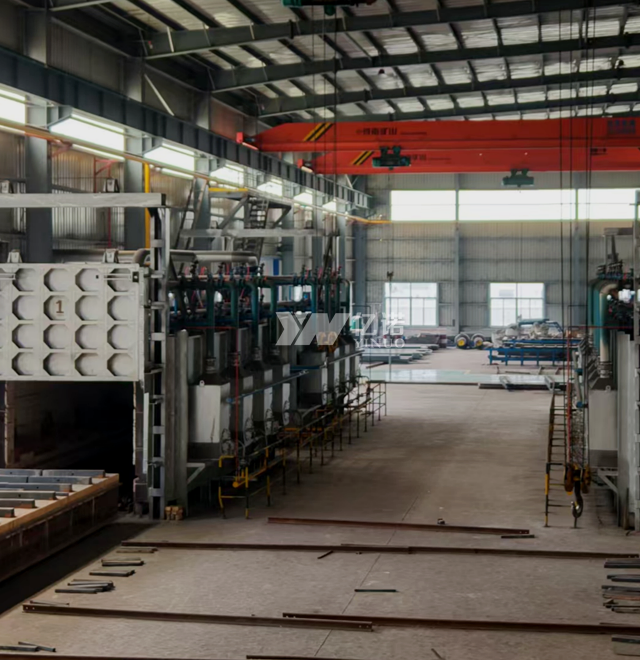
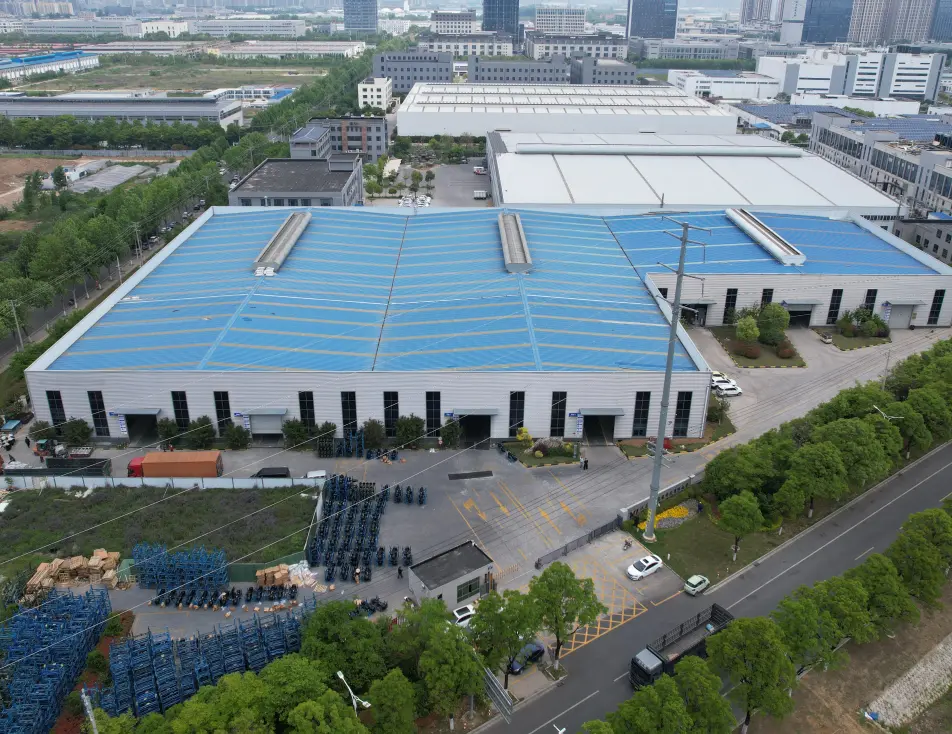
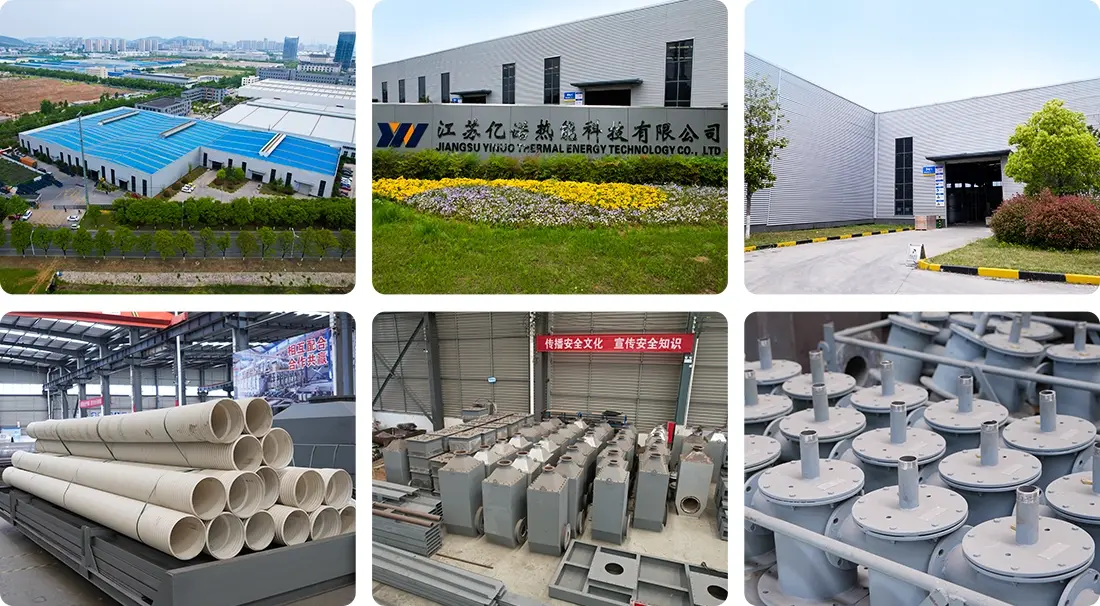
JIANGSU YINUO THERMAL ENERGY TECHNOLOGY CO., LTD builds the industrial-grade Trolley Type Annealing Furnace Roller Door. Chamber dimensions can be customized to suit the job. The door is made for gas-fired bogie hearth furnaces. Inside sits a 350mm refractory fiber lining. At the standard 550℃ the system runs reliably, and capacity can be adjusted up to 950℃. Temperature control precision is ≤±2℃, and heating zone uniformity holds at ≤±8℃. Set against conventional heating furnaces, that means 25-61% less energy consumed. Our production facility covers 20,000㎡. Over 100 professional engineers work on site. Stress relief annealing is the core application, and we supply complete thermal sealing solutions for forging, petrochemical, and specialized steel industries.
What Makes Our Door System Different?
The product is an important thermal barrier in vehicle bottom heat treatment furnaces. Conventional swing doors are one of the leading causes of heat loss and temperature imbalance.
To circumvent these challenges, we incorporate automated compression seals in our vertical lifting design. You receive hermetic sealing for metallurgical processes such as normalising and tempering of large size components.
Lateral expansion joints are part of the door. So is a floating guide rail construction. The structure can move as it heats up, and the seal still holds. On conventional systems this is a common failure point.
Technical Specifications
| Parameter |
Specification |
| Furnace Type |
Gas-Fired Bogie Hearth Furnace |
| Chamber Dimension |
Customized per Requirements |
| Loading Capacity |
Customized per Requirements |
| Fiber Lining Thickness |
350 mm |
| Fuel Medium |
Natural Gas (8500 Kcal/Nm³) |
| Working Temperature |
550℃ Standard, Up to 950℃ |
| Temperature Uniformity |
≤±8℃ (after 1h heat preservation) |
| Temperature Control Precision |
≤±2℃ |
| Heating Rate |
50–200℃/h (full loading) |
| Furnace Shell Temperature Rise |
Top ≤45℃, Side Wall ≤40℃ |
| Door Lifting Speed |
Approx. 6 m/min |
| Bogie Moving Speed |
5–7 m/min |
| Door Operation |
Electric Hoist Drive, Wedge Locking |
| Bogie Drive Type |
Chain Drive, Self-Propelled |
| Control System |
PID Intelligent + Omron PLC |
Core Performance Advantages
Exceptional Temperature Uniformity
Multi-zone PID control runs each zone on its own. Furnace temperature stays within ±5℃. Hardness no longer varies from part to part, and workpieces do not deform. Oxidation defects disappear. Heat treatment quality holds steady across every production batch.
Strong Energy Efficiency
A lining of lightweight composite fiber comes in several layers. It keeps surface heat loss very low. The closed heat preservation structure cuts energy use by 25-61% against ordinary furnaces. You'll see measurable cuts in operational costs.
Advanced Sealing Technology
The press mechanism is automated and runs on air. It seals the trolley face with zero clearance. A heavy-duty Q235B steel frame with heat-resistant stainless steel sections resists thermal deformation over thousands of cycles. Maximum operating temperature reaches 1250℃. Ceramic fiber modules provide thermal conductivity ≤0.15 W/m·k at 1000℃.
Industrial Applications
Heavy Forging Operations
Stress relief on large parts is a good fit, and wind turbine shafts and marine engine blocks are two examples. The door holds a strict ±5℃ temperature uniformity. Dimensional stability depends on it.
Petrochemical Equipment Manufacturing
Built for post-weld heat treatment of pressure vessels. Soak times run long. That takes seals that hold up, and our Trolley Type Annealing Furnace Roller Door keeps them tight shift after shift, with no breakdown.
Specialized Steel Production
A must for spheroidizing annealing of high-carbon steel products. Decarburization is stopped in harsh plant conditions by tight control of the furnace atmosphere and the cooling rate.
Quality Assurance Process for Trolley Type Annealing Furnace Roller Door
Strict inspection steps are in place, and our quality team wrote them. Smoke analysis checks the sealing tightness of every door, so the trolley interface is proven sound.
Refractory lining adhesion receives pull-tests and ultrasonic verification. Fiber module anchors must withstand rapid thermal shock conditions you'll encounter during actual operation.
Every unit goes through at least 500 lifting operations in a row. This mechanical cycle test checks motor torque, brake stability, and limit switch accuracy before the unit ships.
We run an infrared thermographic analysis during the first firing. It finds thermal bridges or hotspots. The results are checked against GB/T 15318 energy efficiency standards.
Operation and Maintenance
Master PLC systems link to the door for safety interlocking. The door works together with trolley movement and burner ignition. That way, operation errors are prevented.
Check the tension on the Trolley Type Annealing Furnace Roller Door lifting chains and rollers once a month. Grease them with high-temperature molybdenum disulfide grease on a regular schedule. This keeps asynchronous lifting problems away.
The anchors are made of SUS310S heat-resistant stainless steel. They come with high-density pre-compressed modules. A surface hardening agent stops the ceramic fiber from eroding and shedding.
Air infiltration drops with the automated sealing mechanism. Energy use usually falls by 15-25% as a result. Traditional swing doors do not get this saving.
FAQ
Q: What stops the door handle from jamming when it heats up and expands?
A: Lateral expansion joints are built into the system. So are floating guide rails. Parts can shift as the structure moves, and the seal still holds through every temperature cycle.
Q: Can I integrate this with existing control systems?
A: Yes. Door operation is linked to your trolley movement and burner systems through the PLC. Conditions that aren't right will trip the safety interlocks, and the door will not move.
Q: What maintenance schedule should I follow?
A: Grease the lifting mechanisms once a month with high-temperature grease. Check the tension at the same time. Our technical team gives you full maintenance protocols for your own operating conditions.
Q: How do you prevent fiber lining degradation?
A: High-density ceramic modules get surface hardening agents from us. The anchoring systems hold up to heat. They resist erosion caused by thermal cycling and by mechanical vibration.
Q: What energy savings can I expect?
A: The automated sealing mechanism typically delivers 15-25% energy reduction versus traditional doors. Combined with our furnace design, total savings reach 25-61% compared to conventional systems.
Get Your Custom Solution Today
Contact us at info@yinuofurnaces.com for technical consultation and quotation on Trolley Type Annealing Furnace Roller Door.