High-Performance Continuous Roller Hearth Heat Treatment Furnace | Automated Thermal Processing System for Industrial Manufacturing
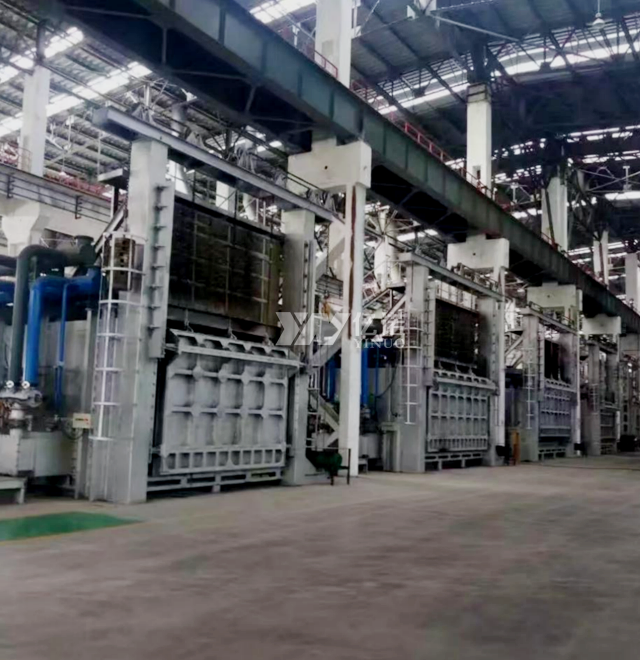
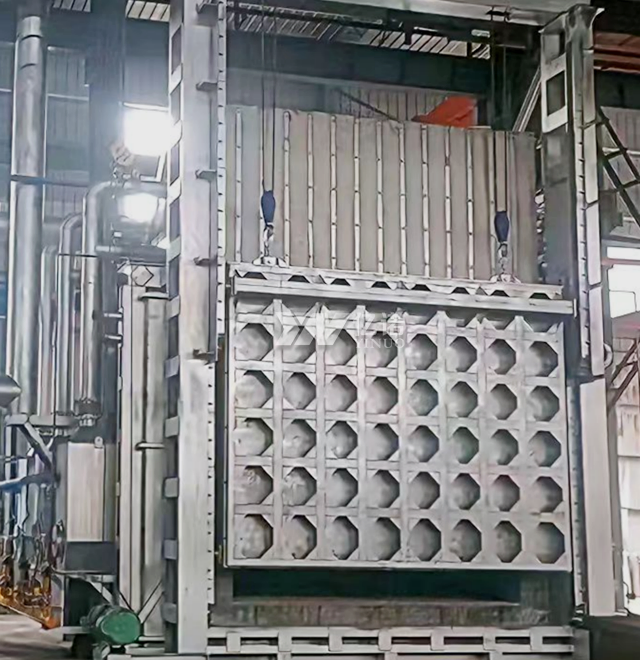
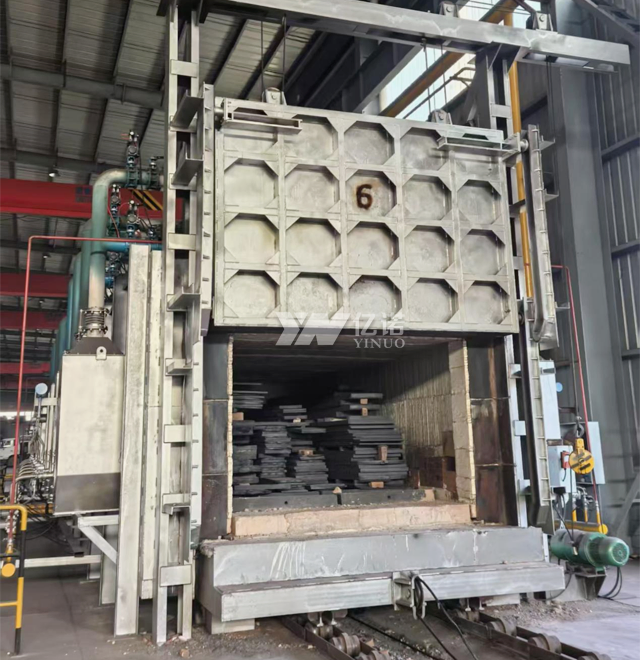
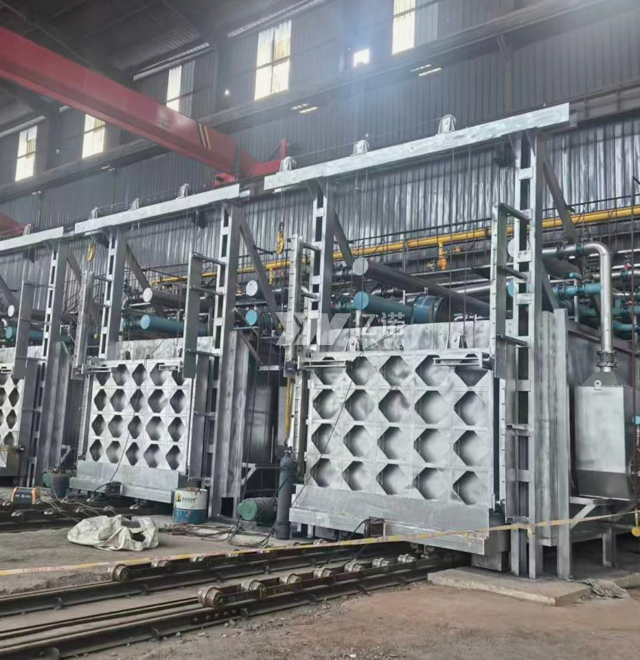
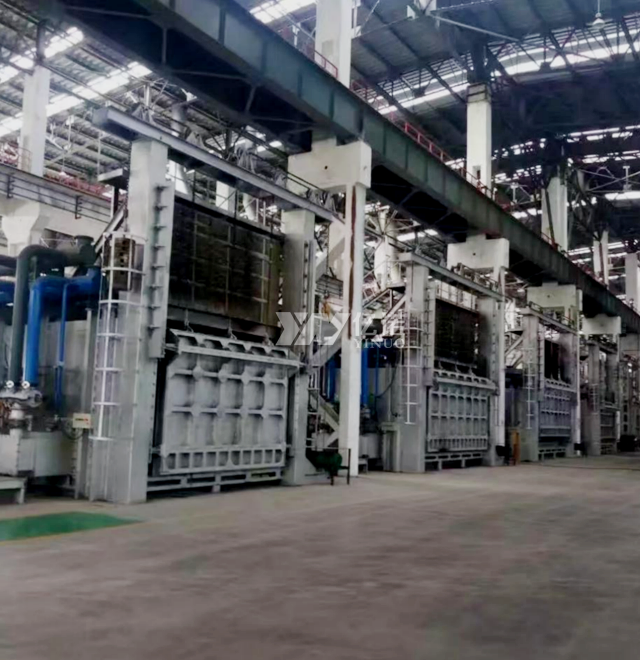
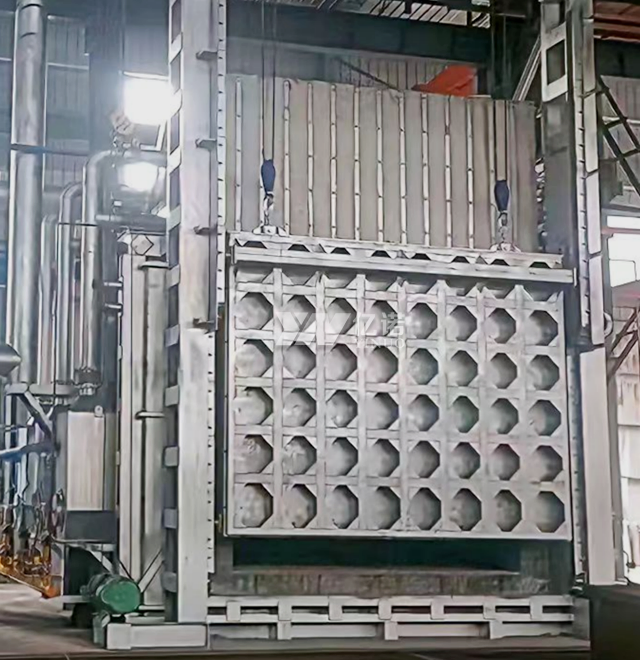
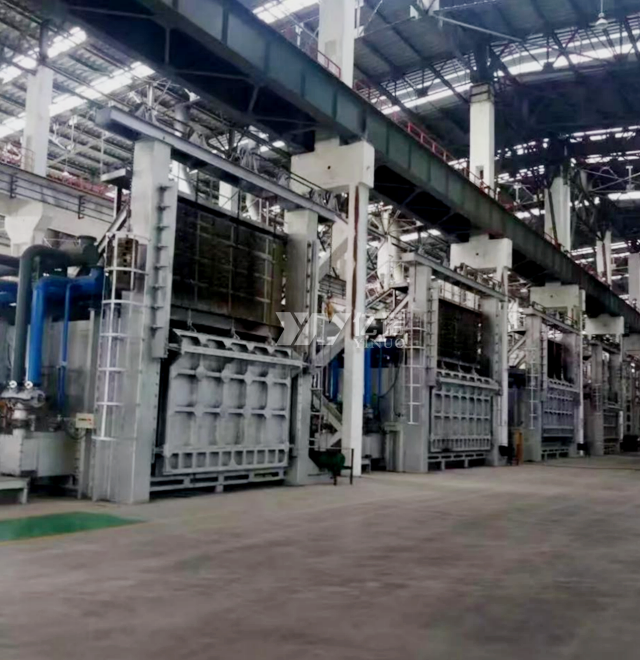
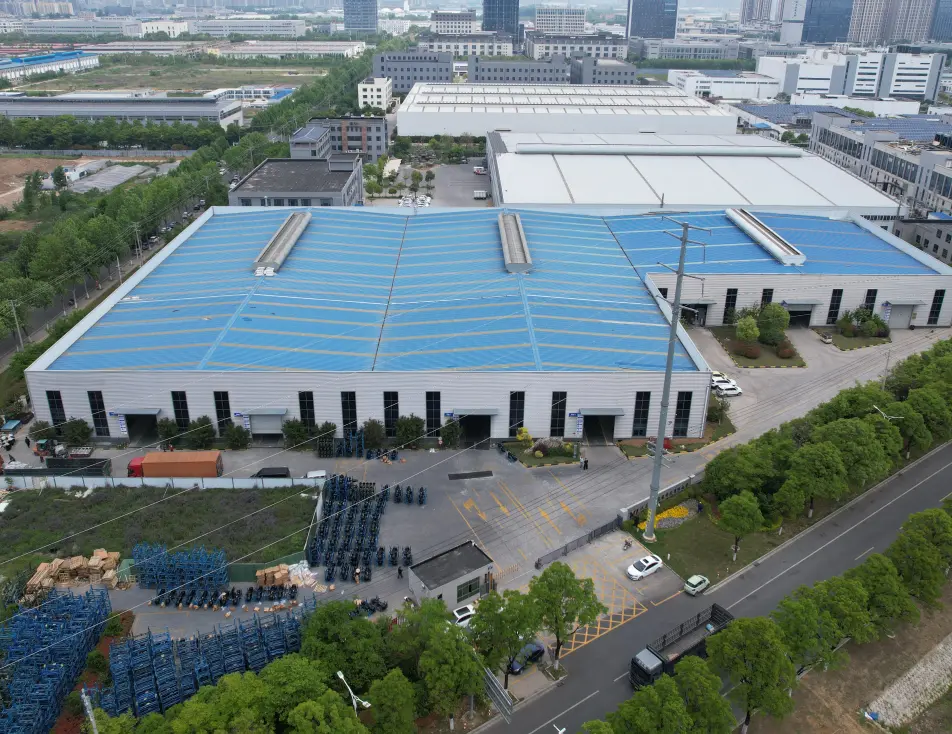
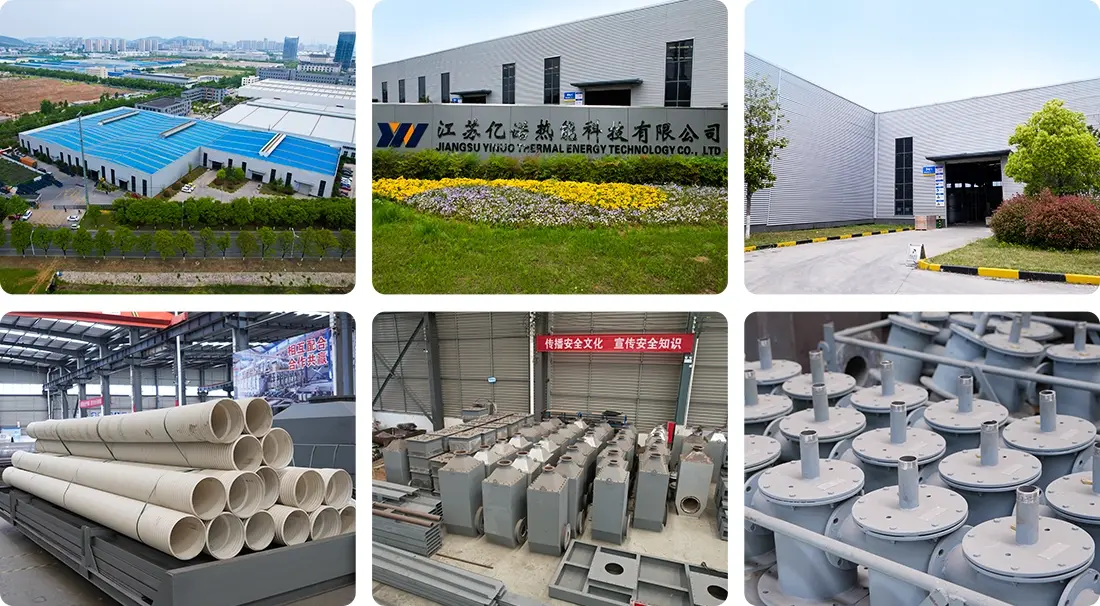
JIANGSU YINUO THERMAL ENERGY TECHNOLOGY CO., LTD builds Continuous Roller Hearth Heat Treatment Furnace systems. These systems handle precision thermal processing for high-volume industrial applications. Our production facility covers 20,000㎡. Fixed assets are 80 million yuan. The team includes more than 100 specialized engineers. We make gas-fired roller hearth furnaces to your spec. Each one has a 350 mm refractory fiber lining. Temperature control precision is ≤±2℃. Working temperatures run from 550℃ to 950℃. Furnace temperature uniformity keeps deviations at ≤±8℃. That gives steady metallurgical properties across continuous production runs for the automotive, aerospace, and steel processing industries.
Why Choose Our Roller Hearth Heat Treatment Systems?
Your production requires consistent quality at scale. Our intelligent furnace design solves the problems of batch-to-batch fluctuation and energy waste.
Independent PID control runs multiple zones at the same time. The full heating chamber holds within ±5℃. Heat spread stays even. Uneven hardness is a common headache here. Bent workpieces are another. Surface oxidation also shows up. Traditional batch furnaces still hit all three.
Raising energy efficiency remains a priority for your operations. Our multi-layer composite lightweight fibre lining is 350 mm thick. It greatly cuts surface heat loss. Against a traditional heating boiler, the closed heat preservation construction can save 25%63% energy consumption. At 950℃, the furnace shell rises by under 45℃ on top surfaces. Side walls rise by under 40℃.
This combustion setup can be switched. Run it in pulse mode (high/low fire) or in regenerative combustion mode. Line conditions change all the time, and switching still gets you the most out of your fuel. Heat lands evenly across the load either way.
Technical Specifications
| Parameter |
Specification |
| Furnace Type |
Gas-fired Roller Hearth Furnace |
| Furnace Chamber Dimension |
Customized per requirements |
| Loading Capacity |
Customized per requirements |
| Refractory Fiber Lining |
350 mm thickness |
| Fuel Medium |
Natural Gas |
| Fuel Calorific Value |
8,500 Kcal/Nm³ |
| Working Temperature |
Standard 550℃, adjustable to 950℃ |
| Temperature Uniformity |
≤±8℃ (after 1h heat preservation) |
| Temperature Control Precision |
≤±2℃ |
| Heating Rate |
50–200℃/h (full load) |
| Temperature Control Zones |
Configured per process requirements |
| Combustion System |
Pulse or regenerative combustion |
| Control System |
PID + Omron PLC (semi-automatic) |
| Typical Application |
Stress relief annealing |
| Exhaust System |
Multi-position outlets, chimney ≥2m |
| Customization |
Available per customer requirements |
Industrial Applications You Can Rely On
In a tough production setting, profit comes down to two things: throughput and consistency. The Continuous Roller Hearth Heat Treatment Furnace is built for exactly that kind of work.
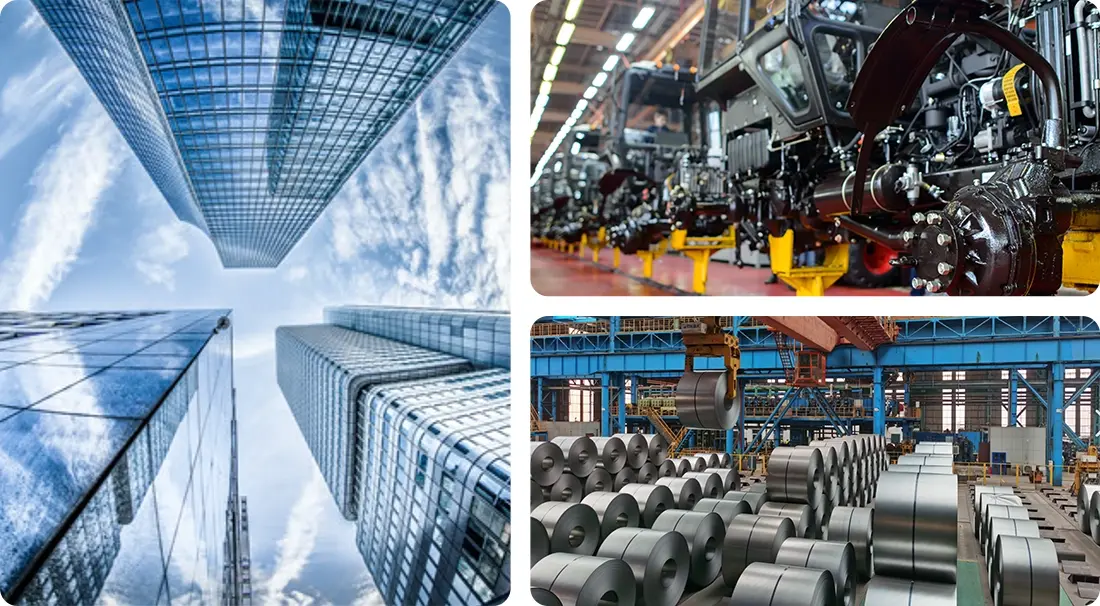
Automotive Component Manufacturing: Camshafts, transmission gears and crankshafts all need even hardness and stable dimensions. Our process runs bright annealing and hardening without a break. Thousands of units later, the surface finish still holds up. Drift from one batch to the next does not happen.
Specialty Steel Processing: Construction work calls for steel tubes. The oil & gas sector needs them too. They arrive in long lengths. Sections longer than 20 meters still get continuous normalizing and stress relieving in our furnace. Grain structure holds uniform over the full length. The roller transport system is what keeps it that way.
Bearing Steel Heat Treatment: Controlled spheroidizing annealing gives the carbide morphology you are after. Slow-cooling gradients stay inside a tight range. Machining gets easier because of that. The cold heading steps that come later benefit as well.
Stainless Steel Bright Annealing: The system runs on a protective atmosphere of nitrogen or hydrogen. Surface oxidation cannot start. Decarburization is stopped too. Tube and plate products come out scale-free, with a mirror-like finish. Ductility stays high.
Protective Atmosphere Control
Oxidation and decarburisation can damage your workpieces. You need protection from both. Our furnace design lets you run regulated atmospheric processing, and carbon potential is monitored in real time.
The chamber comes sealed, and it is certified gas-tight. Endothermic gas is fine in it. So are nitrogen-hydrogen mixes and pure nitrogen. Dew point sensors watch moisture the whole time, so surfaces stay free of contamination.
The top and side sides of the furnace contain exhaust vents to enable appropriate circulation of the atmosphere. The specification of chimney height of ≥2 meters above factory roof is for the safe dispersion of the exhaust.
Intelligent Control and Operation
The semi-automatic control system adopts imported PID smart instruments and Omron PLC to ensure dependable operation. Manual mode provides a backup control during maintenance or set up processes.
Your specific heat treatment method decides how the temperature control zones are set up. Every zone has its own control. This gives accurate temperature profiling for complex metallurgical processes.
Pick any heating rate from 50-200℃/h. A fully loaded furnace still handles it. Cycle times get shorter that way, and quality stays where it should be. Need speed? Heat fast and output goes up. Running stress-sensitive parts? Go with controlled heating instead.
Continuous Roller Hearth Heat Treatment Furnace Built for Continuous Production
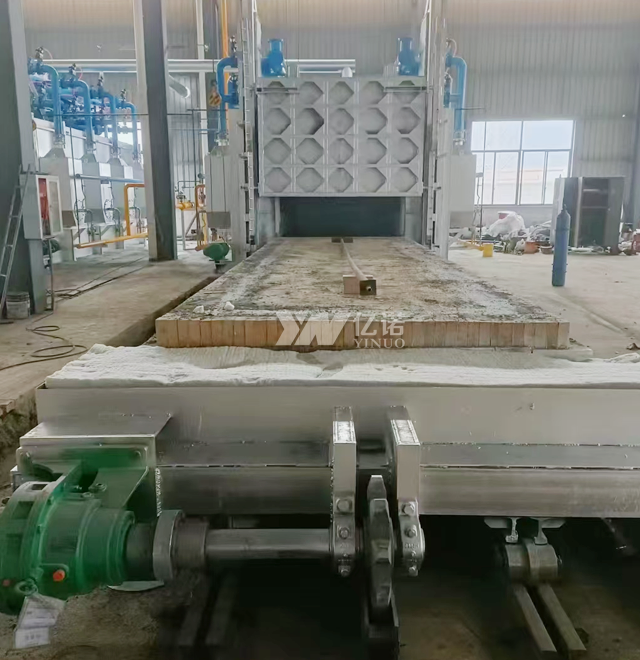
Downtime costs you money. Steady throughput is what keeps a line running, and that is exactly what the roller transport system was built for. Workpieces pass through the heating, soaking, and cooling zones with no hassle at all.
Each roller gets machined and aligned to tight tolerances. What you get: parts with no scratches, and no drifting out of line as they travel. Roller materials also resist heat. Run them non-stop at high temperatures and they keep their mechanical strength.
Furnace chamber dimensions can be changed, and so can the loading capacity. Size them to the workpieces you actually run and the volumes you produce. Chamber sized this way, floor space and capital investment both get used well.
Quality Assurance and Compliance
No furnace ships until it has been checked against national and industrial standards. Mechanical assembly, electrical installation, and thermal performance verification all fall under our quality management system.
Temperature Uniformity Surveys (TUS) map out the heating zones. They also tell you if the furnace is meeting the specification. System Accuracy Tests (SAT) keep the thermocouples calibrated. That way, the readings hold up. Insulation gets checked with infrared thermography. Any cold spots starting to form will show up there.
Every design ships with the ports and instrumentation needed for a Continuous Roller Hearth Heat Treatment Furnace and repeat compliance testing. Aerospace standards such as AMS2750F fall under that. So do ISO 9001 requirements.
FAQ
Q: How does your furnace keep surface decarburization from forming?
A: Nitrogen-hydrogen mixes work. Endothermic atmospheres do the job too. Carbon potential is tracked in real time. Dew point sensors are fitted as well. Surface chemistry then holds steady through the whole heating cycle.
Q: How many years should the hearth rollers last?
A: Choose a heat-resistant alloy that suits the duty, and stay on top of maintenance. Do both and rollers often last 3-5 years in standard applications. Where temperatures run higher, ceramic roller alternatives can stretch service life further.
Q: Is it possible to run parts of different sizes through one furnace at the same time?
A: Yes. Your smallest parts will not tip over if the loading density and roller pitch suit them. During the design phase we set up the rollers to match the mix of products you run.
Q: What makes the energy savings you claim possible?
A: Recuperative burners do part of it. They use exhaust heat to warm the combustion air before it burns. The other part comes from fiber linings with low thermal mass. These linings hold very little heat, so less energy is lost in storage while the line runs.
Q: What maintenance schedule do you recommend?
A: Check the rollers and their alignment every quarter. Twice a year, verify the thermocouple calibration. Once a year, do a full system audit. That covers insulation integrity and the combustion system optimization.
Q: Is the control system compatible with our existing factory automation?
A: Standard industrial communication protocols work with the Omron PLC control platform. Your MES or SCADA systems can be linked to the furnace. We handle that during installation and commissioning.
Partner With Thermal Processing Experts
Contact our engineering team at info@yinuofurnaces.com to discuss your specific application requirements and receive a customized Continuous Roller Hearth Heat Treatment Furnace solution.