Trolley-Type Heat Treatment Furnace for Heavy-Duty Metal Processing | Gas-Fired Bogie Hearth Solution with Precision Temperature Control
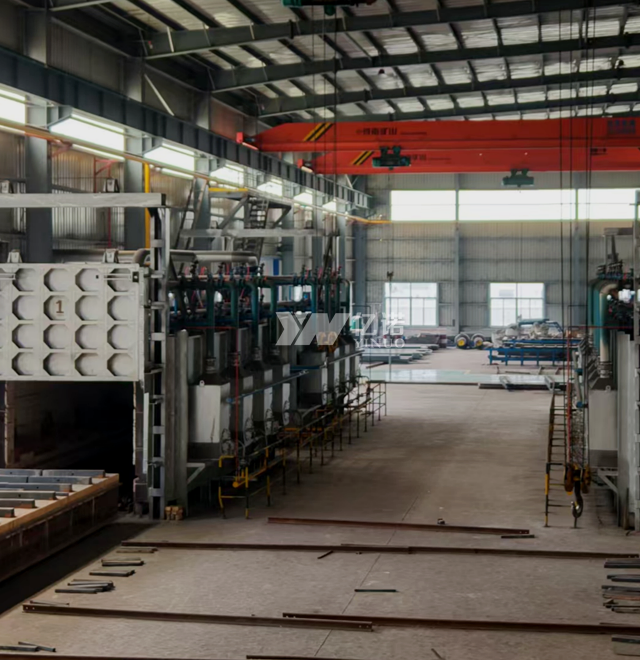
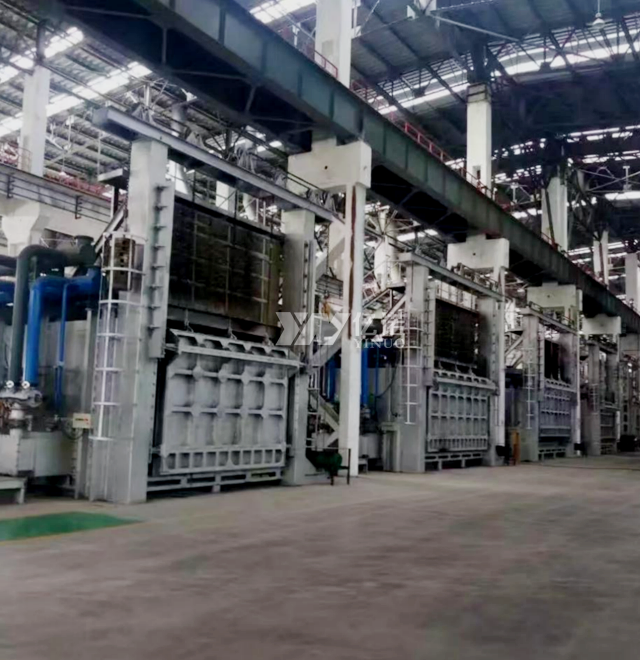
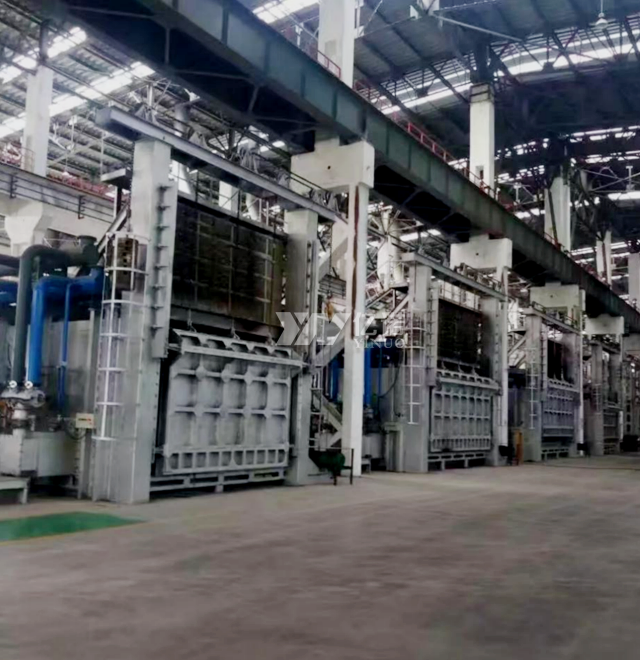
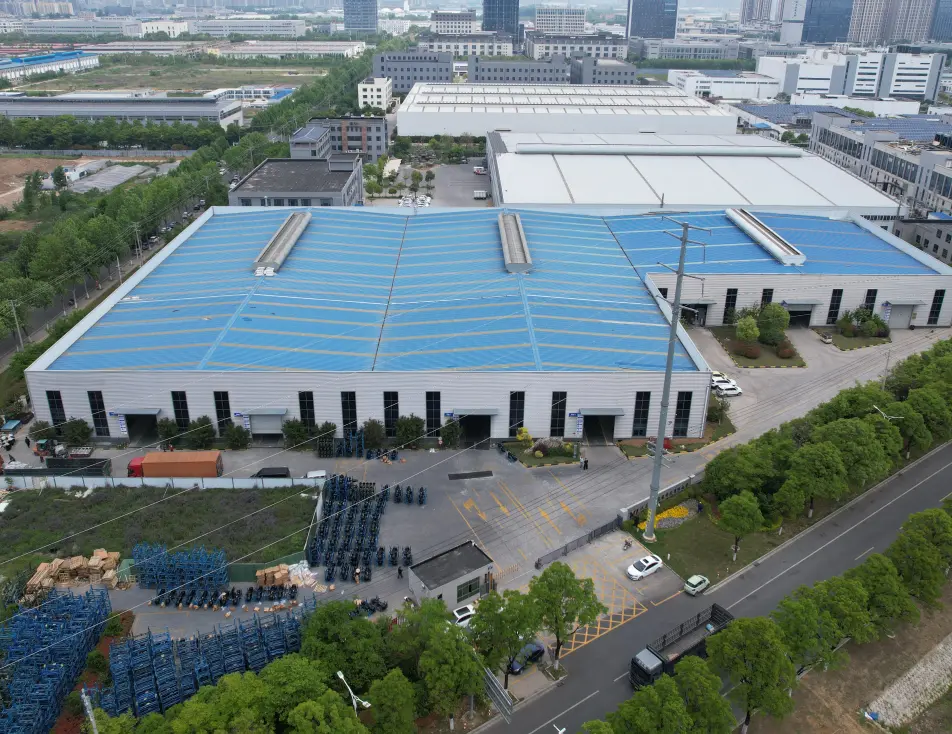
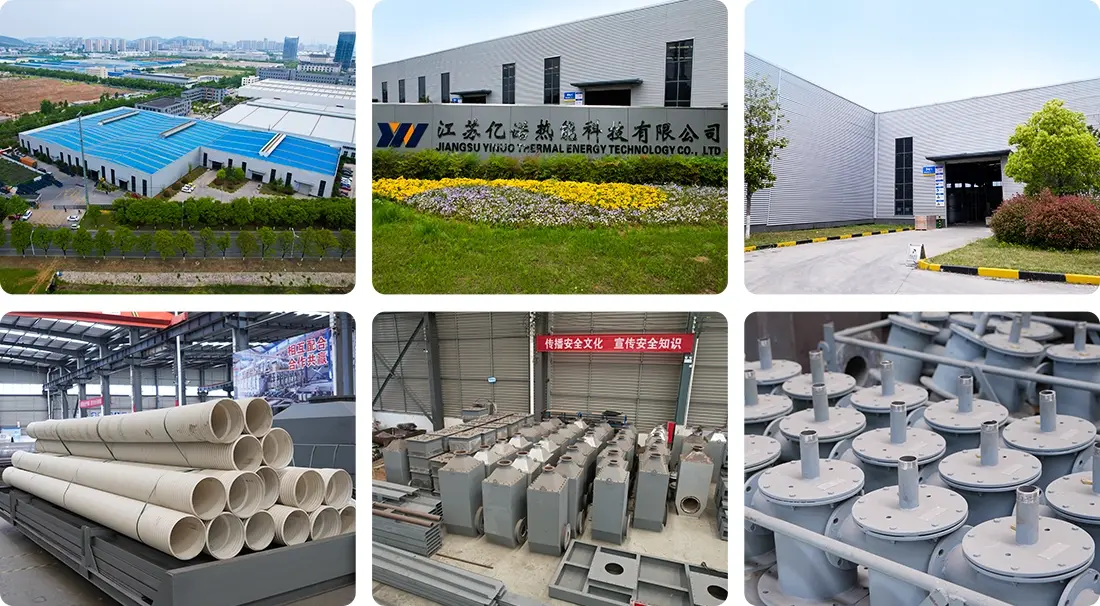
JIANGSU YINUO THERMAL ENERGY TECHNOLOGY CO., LTD builds industrial-grade Trolley-Type Heat Treatment Furnaces. They are made for stress relief annealing and for precise thermal processing of heavy metal parts. Our plant covers 20,000㎡ and we have more than 100 specialist engineers. The gas-fired bogie hearth systems hold temperature spread to ≤±8℃ and control precision to ≤±2℃, and that holds true in furnace chambers built to your spec. Switchable pulse combustion is part of the design, along with semi-automatic PLC control. Heating rates can be set from 50–200℃/h with the furnace fully loaded. A motorized trolley runs at 5–7 m/min, and the maximum travel stroke lets you load everything from outside the furnace. The 350mm refractory fiber lining keeps the shell temperature rise under 45℃ when the furnace runs at 950℃.
What Makes Our Gas-Fired Bogie Hearth Furnace Ideal for Industrial Applications
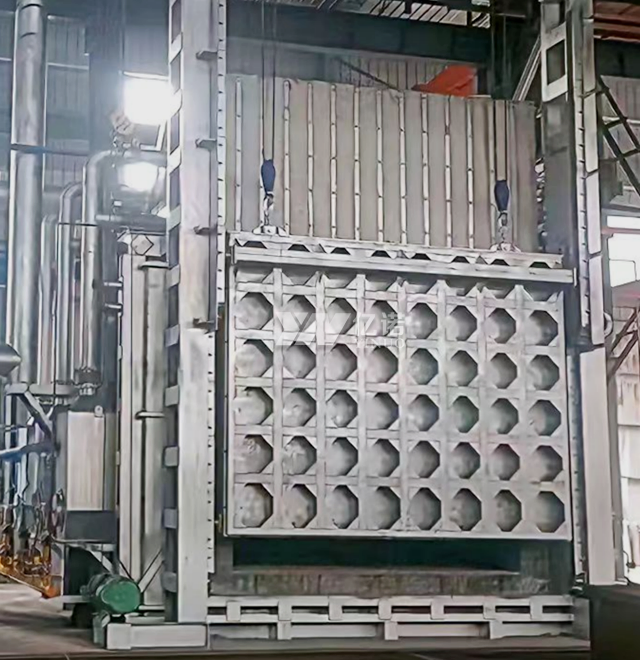
The movable hearth design addresses some of the key issues in heavy-duty production applications. Typical problems of traditional fixed hearth systems are mechanical wear on big forged components and unsafe manual handling inside hot chambers.
Our product addresses these pain areas by enabling you to load externally. The self-propelled chain-driven bogie leaves the furnace chamber completely and safe placing of workpieces on the trolley surface with the use of overhead hoists is possible. This arrangement significantly decreases the labour intensity and improves the operating safety.
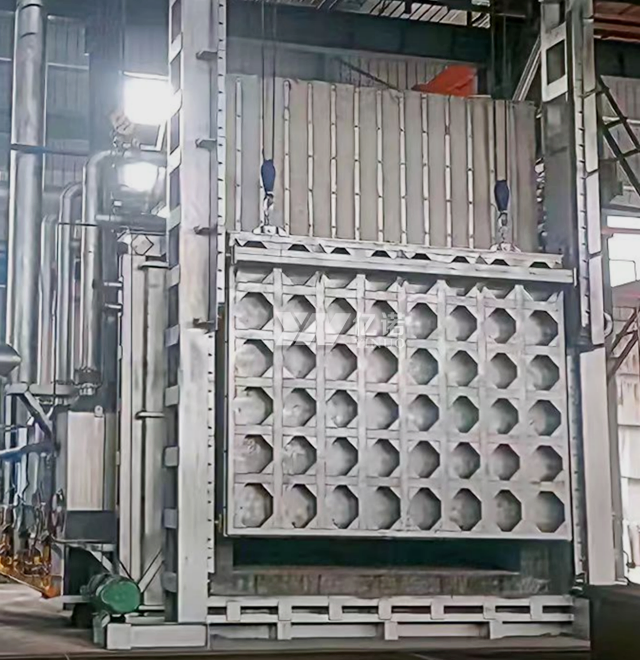
The electric elevator door, with wedge locking construction and clever interlock systems, is working at 6 m/min. This prevents the boiler door and trolley movement from ever occurring concurrently, eliminating heat shock and worker dangers.
Control zones follow from the heat treatment methods you use. Heat escapes through the door, and load density shifts as well. The multi-zone heating system makes up for both, so thermal conditions stay even across the whole chamber volume.
Technical Specifications
| Parameter |
Specification |
| Furnace Type |
Gas-fired bogie hearth furnace |
| Loading Capacity |
Customized per requirements |
| Working Temperature |
Standard 550℃, adjustable up to 950℃ |
| Temperature Uniformity |
≤±8℃ to ±1℃ (after 1h heat preservation) |
| Temperature Control Precision |
≤±2℃ |
| Heating Rate |
50–200℃/h (under full loading) |
| Refractory Lining Thickness |
350 mm fiber structure |
| Fuel Medium |
Natural gas (8500 Kcal/Nm³) |
| Furnace Shell Temperature Rise |
Top ≤45℃, side wall ≤40℃ (at 950℃) |
| Combustion System |
Switchable pulse (high/low fire) or regenerative |
| Control System |
PID intelligent instruments & Omron PLC |
| Furnace Door Lifting Speed |
Approx. 6 m/min, electric hoist drive |
| Bogie Moving Speed |
5–7 m/min |
| Bogie Travel Stroke |
Full exit from furnace chamber |
| Bogie Driving Type |
Chain drive, self-propelled |
| Door Operation |
Electric lifting, 4–6 m/min travel speed |
| Customization |
Available based on customer requirements |
Core Advantages of This Thermal Processing Solution
Rapid Heating Performance: Depending on temperature needs, the switchable combustion system moves between high-fire and low-fire modes. That flexibility speeds up the first stage of heating. Control stays precise through the soak periods.
Energy-Saving Design: Heat moves slowly through the 350mm refractory fiber lining. Old brick walls of the usual kind let far more of it escape. Run this unit and a plant can cut its energy use by as much as 30%. The outer shell also stays cool enough for people to work beside it.
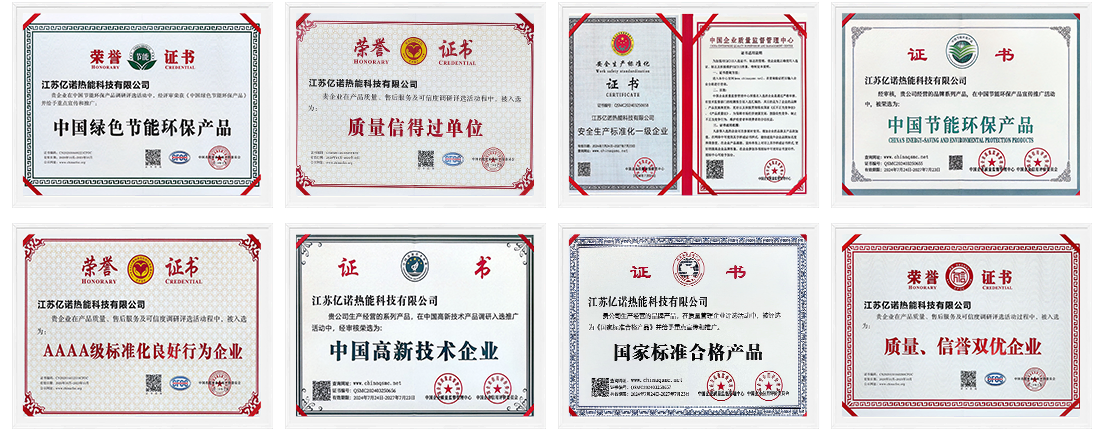
Stable Running Performance: More than 100 engineers work on our systems. Mechanical design, automatic control, and quality inspection all sit in that group. Before a unit ships, it goes through hard testing. National and industrial standards set the bar, and our quality management rules check every product against them.
Simple Operation: Control here is semi-automatic. Imported PID intelligent instruments do the measuring and adjusting, and Omron PLC logic runs the steps. Special processes can still be handled in manual mode. Operators keep full freedom, with nothing complicated in the way.
Typical Application: Stress Relief Annealing Process
Welded structures, machined components, and forged parts all hold internal stress. Stress relief annealing takes that stress out. To get there, your workpieces need controlled heating up to set temperatures, long soak times, and slow cooling. Skip the slow cooling and the parts distort.
Heating rate can be adjusted from 50 to 200℃/h. That range covers a wide spread of material thicknesses and shapes. Slow ramps suit thick sections because they stop thermal gradients from forming. Smaller batches can run faster heating instead, which raises throughput.
Exhaust outlets sit on the top and side walls of the Trolley-Type Heat Treatment Furnace. Chimney height reaches at least 2 m above factory roof level. With this layout, combustion air comes in properly and combustion gases leave efficiently.
Comprehensive Engineering Support for Trolley-Type Heat Treatment Furnace From Design to Commissioning
JIANGSU YINUO does more than build equipment. Furnace design is part of the work. So are production and installation. General contracting and project management are handled too. All of this supports complete heating system solutions.
At the design stage our mechanical experts will work with your production requirements to establish chamber dimensions, temperature control zones and loading arrangements. 80 million Yuan fixed assets, which allows us to do all the fabrication in our facilities.
Installation teams adapt to the conditions at your site. They make sure the foundation is ready. Utility connections and safety system integration are checked as well. At commissioning, the team carries out temperature uniformity surveys for the Trolley-Type Heat Treatment Furnace. System accuracy testing comes next. Both steps confirm that performance meets the standards.
FAQ
Q: How do you keep temperature uniform across large chamber volumes?
A: Heat escapes. Loads change too. Several heating zones, each with its own PID control, make up for both. You will find heating elements on the door, the side walls, the back wall, and the trolley surface. That gives five-sided heating distribution.
Q: How is heat leakage stopped where the trolley meets the furnace?
A: We utilize automated sealing mechanisms combined with precise mechanical alignment. The trolley design includes thermal expansion accommodation to maintain seal integrity at operating temperatures.
Q: Can the furnace handle different workpiece sizes?
A: Yes, no problem. Chamber size and loading capacity get built to your specs. With the max bogie travel stroke, the whole load can be reached from outside, so loading stays flexible.
Q: How often does the refractory lining require maintenance?
A: You get strong durability from the ceramic fiber structure. Every six months, we suggest a visual inspection to spot places that may be wearing. Under normal operating conditions, though, the lining usually lasts several years.
Q: Is natural gas the only fuel option?
A: While this model is optimized for natural gas with 8500 Kcal/Nm³ calorific value, we can adapt combustion systems for alternative fuels based on your facility's energy infrastructure.
Ready to Upgrade Your Heat Treatment Capabilities?
Email our engineering team at info@yinuofurnaces.com. Tell them what your Trolley-Type Heat Treatment Furnace needs to do, and you will get a solution proposal built for your process.