Walking Beam Reheating Furnace Billet Solutions - Advanced Thermal Processing for Strong Steel Quality
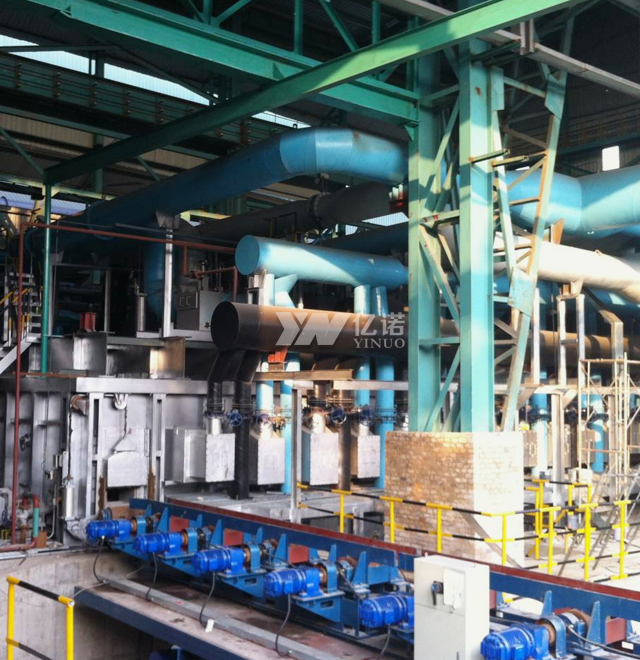
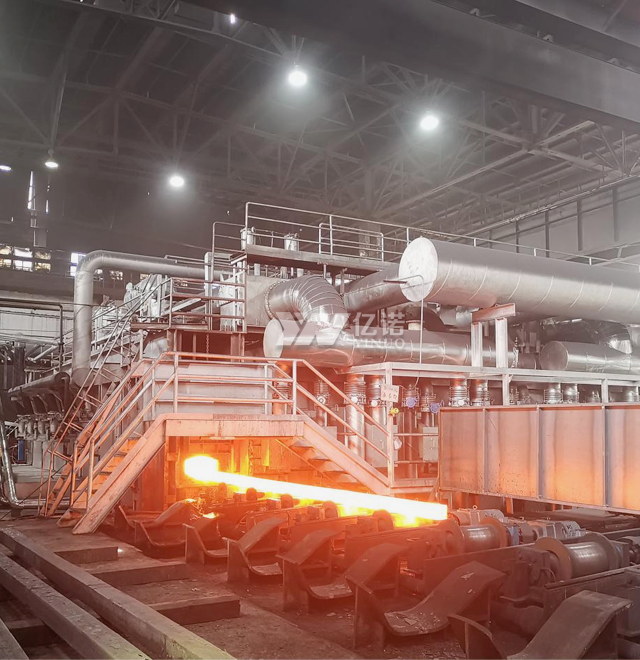
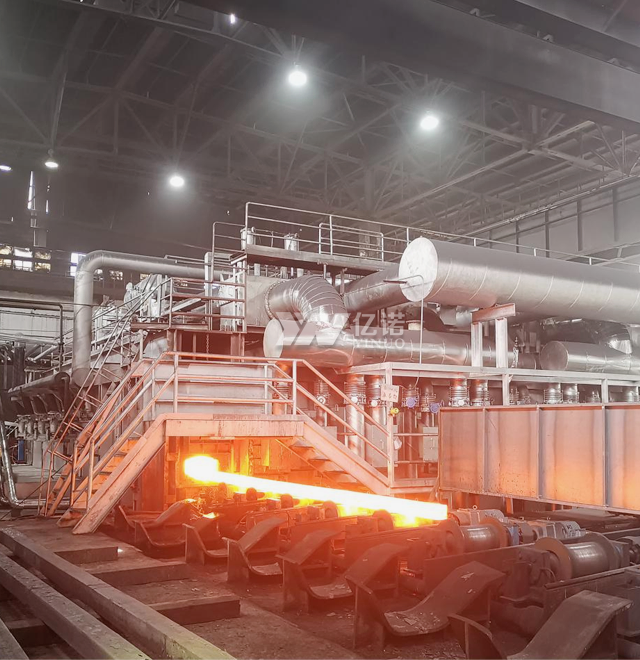
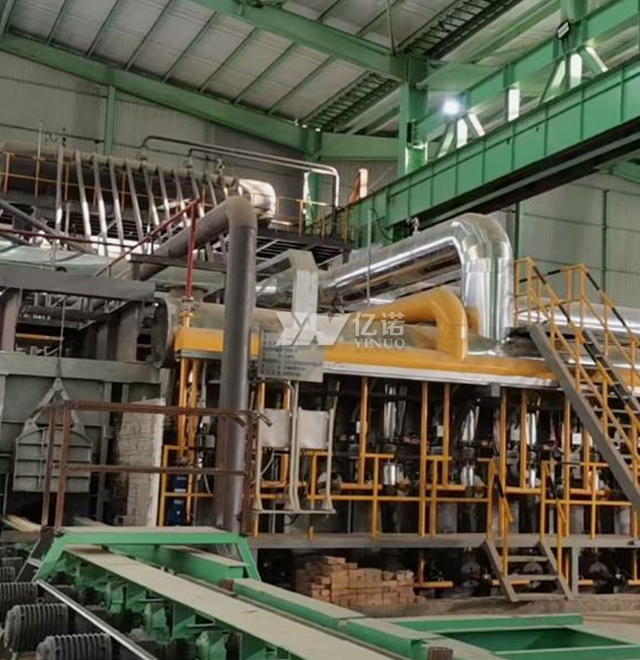
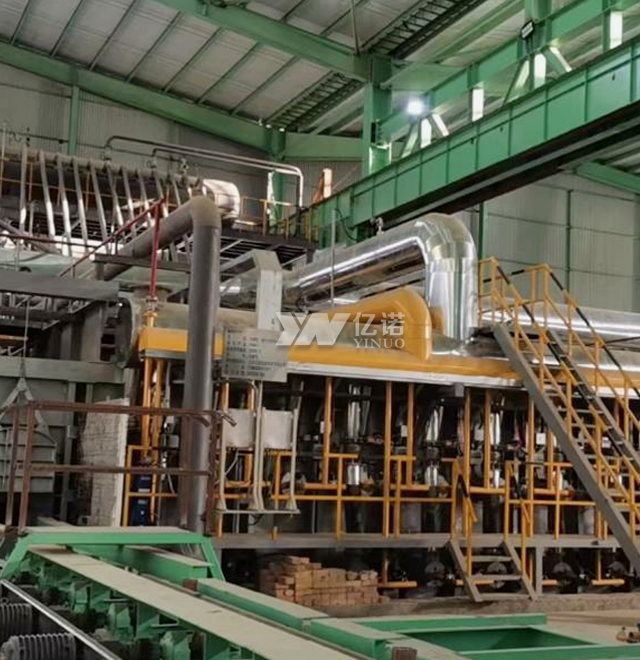
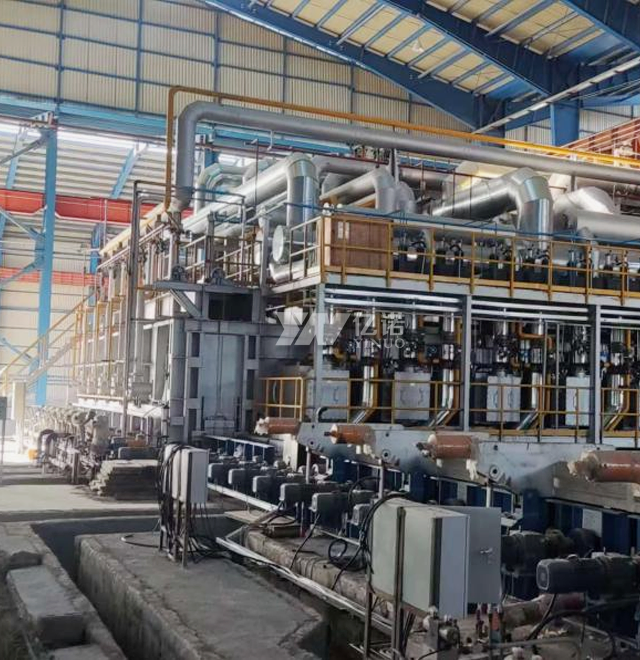
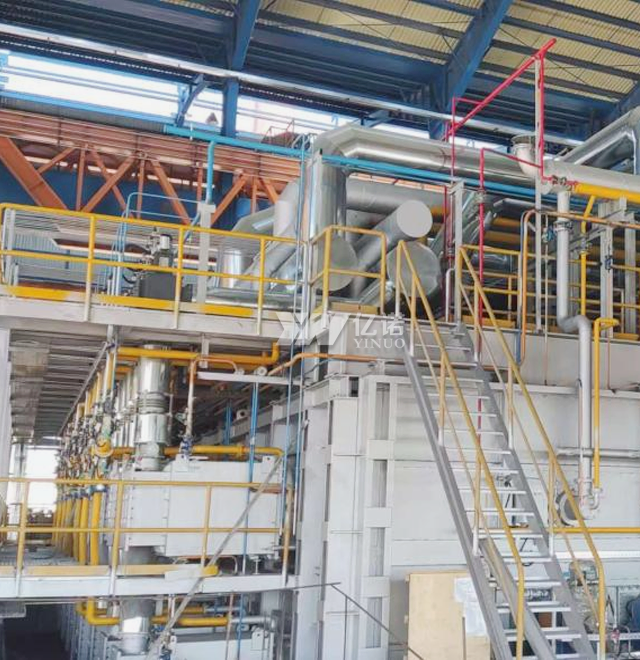
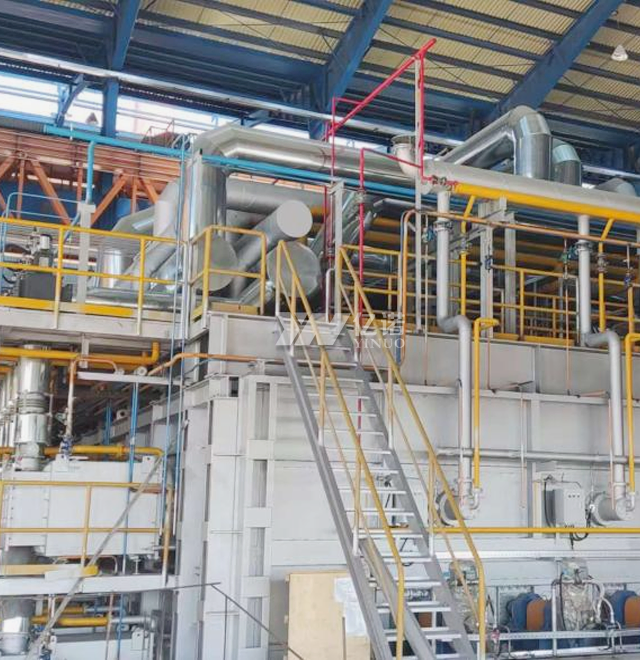
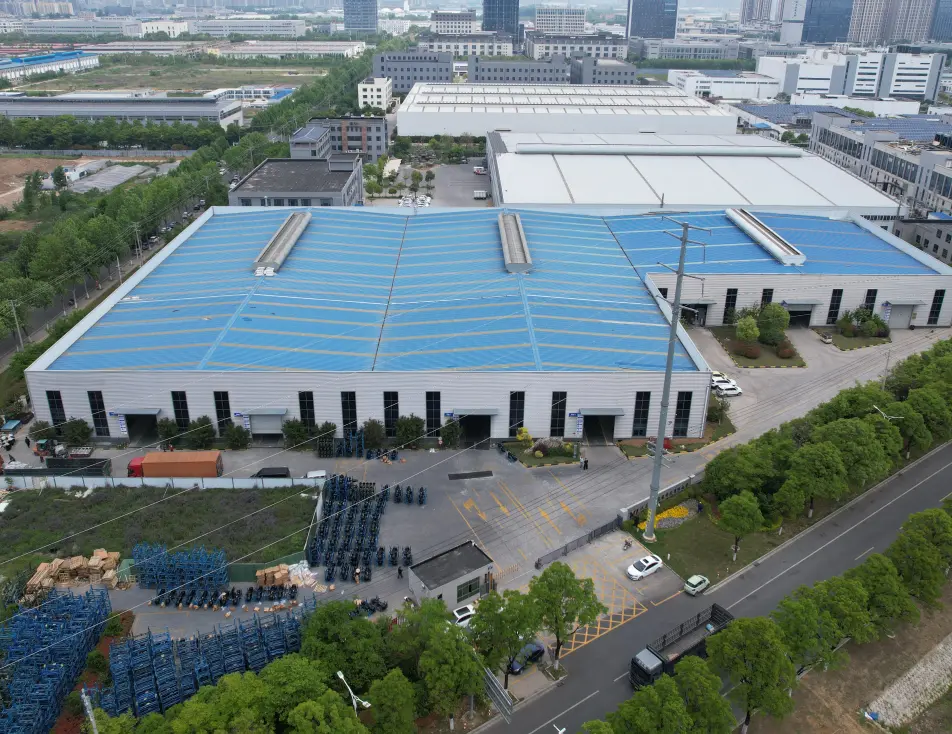
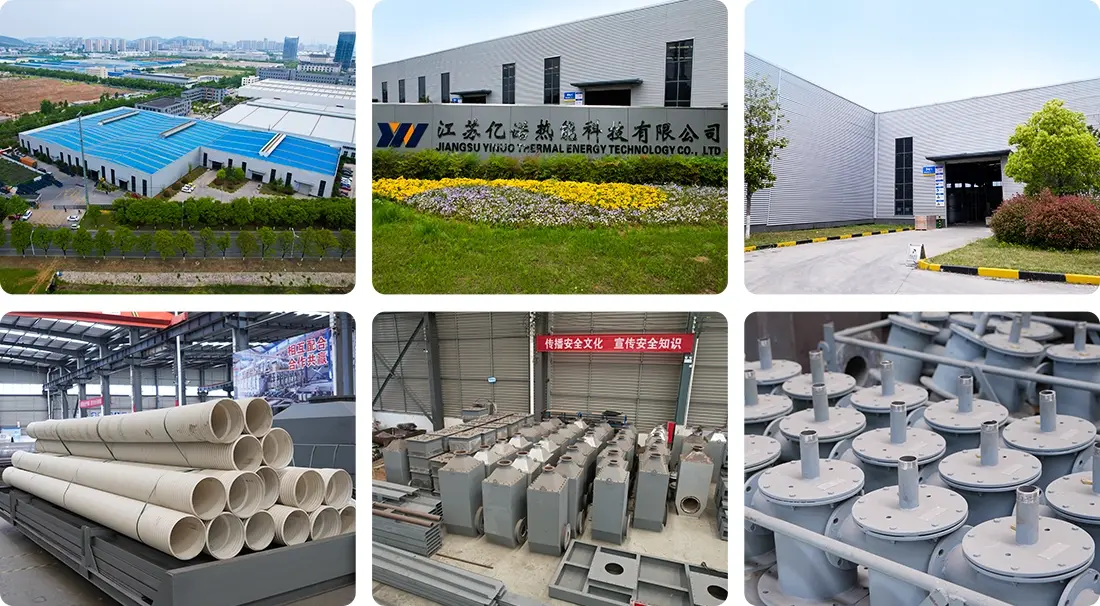
JIANGSU YINUO THERMAL ENERGY TECHNOLOGY CO., LTD makes Walking Beam Reheating Furnace Billet systems for heavy industrial duty. Standard billets heat at up to 200 t/h on these walking beam furnaces. Temperature control holds inside the 1150–1250°C range. Our plant covers 20,000㎡. Fixed assets reach 80 million yuan, and more than 100 skilled people work here. Design through commissioning comes from one supplier. Unit heat consumption stays at ≤1.05 GJ per ton of steel, a low figure for the industry. Oxidation burning loss sits below 0.9%. That keeps billet quality strong for your rolling operations.
What Makes Our Walking Beam Billet Heating System Different?
The product technology gets rid of the usual problems found in traditional pusher furnaces. Heating across your steel comes out even. No surface scratches reach the finished part. Black oxide marks that spoil final product quality do not form either.
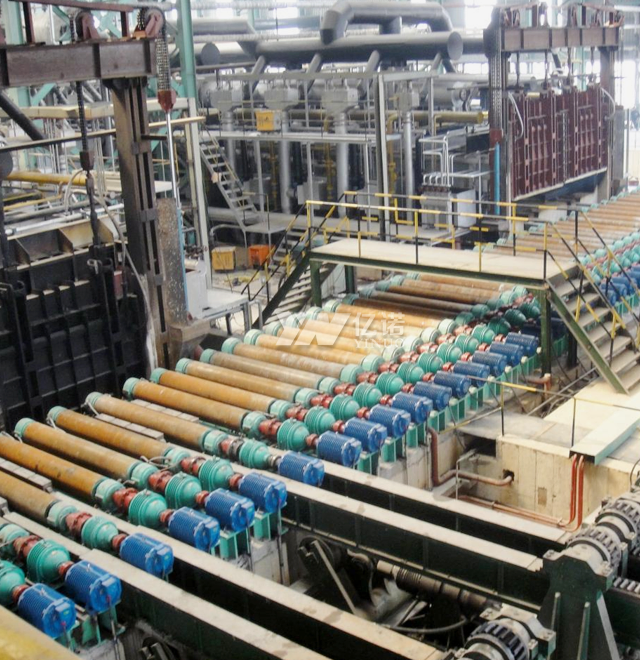
Throughout the heating cycle, our lift-and-carry mechanism keeps clearances between workpieces under control. Cold spots find no room to form. Billets in conventional systems pick up skid marks, and this design stops that.
Precise positioning control now covers every billet that enters your production line. Production demands shift, and the flexible electrode withdrawal system keeps up with them. Furnace heating-up time drops a lot, and operational efficiency goes up.
The unlimited effective furnace length design frees you from pusher charging ratio constraints. This versatility allows heating of thin blanks and various raw material specifications within a single system.
Technical Specifications
| Parameter |
Specification |
| Furnace Type |
Walking Beam Furnace |
| Applicable Fuels |
Blast furnace gas, mixed gas, producer gas, natural gas |
| Heated Steel Grades |
Low carbon steel, medium carbon steel, high carbon steel, stainless steel |
| Workpiece Blanks |
Standard billets, slabs |
| Charging & Discharging |
Side charging & side discharging, end measuring feeding |
| Combustion Modes |
Dual gas regenerative combustion, single air heat storage |
| Heating Capacity (Billet) |
Max. 200 t/h |
| Heating Capacity (Slab) |
Max. 350 t/h |
| Temperature Range |
1150–1250°C |
| Walking Beam Cooling |
Water cooling, evaporative cooling |
| Unit Heat Consumption |
≤1.05 GJ per ton of steel |
| Oxidation Loss Rate |
< 0.9% |
| Customization |
Available based on requirements |
Core Applications for Industrial Steel Production
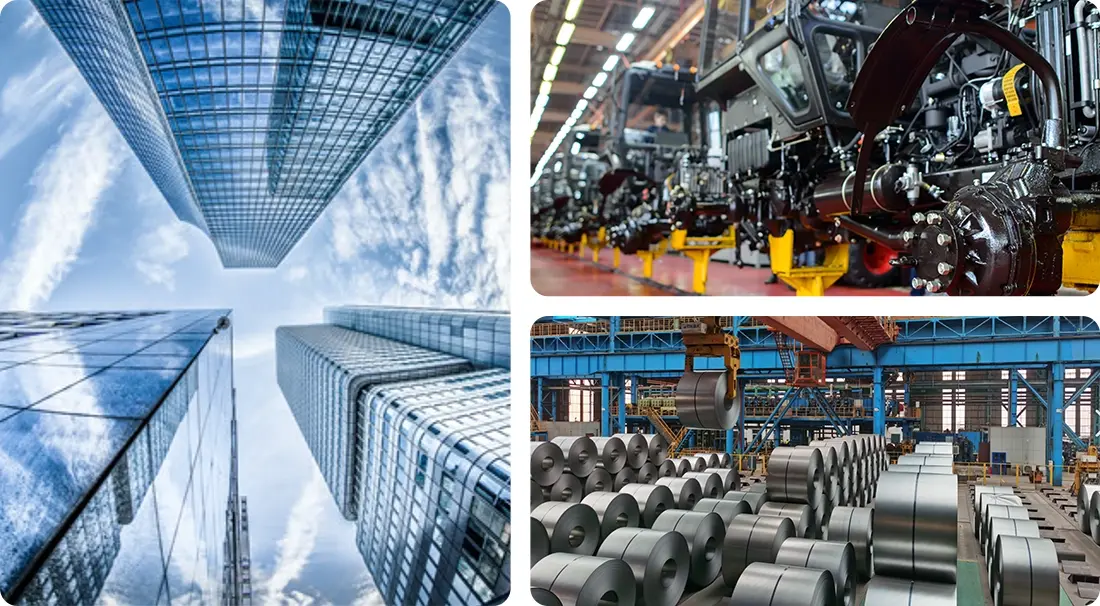
Your high-speed wire rod production gets cross-sectional temperature distribution that stays within ±15°C. Tension fluctuations during rolling are prevented by this thermal uniformity. Diameter specifications stay consistent for automotive-grade spring steel.
Surfaces on special alloy structural sections for aerospace and heavy infrastructure have to be defect-free. Fatigue resistance matters in I-beam and channel production, and the mechanical contact-minimizing design protects the surface integrity that delivers it.
Pipe made without a weld seam needs the heat inside the billet to stay even. In your Walking Beam Reheating Furnace Billet piercing process, wall thickness comes out uniform when billets leave our furnace with thermal gradients under control. That helps stop structural failures in high-pressure oil and gas work.
Strong Billet Quality Through Advanced Control for Walking Beam Reheating Furnace Billet
Infrared pyrometers map the temperature profile. That check confirms the heat soak stays the same across every billet. Surfaces are inspected by automated laser scanning systems for scale pits or mechanical damage from the walking mechanism.
Analysis of decarburization shows carbon retention meets ASTM E1077 standards. Cross-sections are examined under a microscope. This check makes sure surface carbon loss stays below 0.1mm on high-carbon grades.
Scale loss drops to 0.8–1.2% by weight in your production. Keeping the air-fuel ratio tight is what does it. Low-NOx regenerative burners hold a slightly reducing atmosphere, and that atmosphere keeps excessive oxidation in check.
Billets get checked before they reach your rolling mill. Ultrasonic testing and eddy current inspections look for internal cracks in Walking Beam Reheating Furnace Billet. We also verify dimensional stability. Grain size consistency then meets DIN and JIS specifications on every piece.

FAQ
Q: How does the walking beam mechanism prevent surface defects on billets?
A: The lifting motion repeats and shifts where billets touch the refractory beams. That keeps cold spots from forming in one spot. It also prevents skid marks. Heat stays even through the heating cycle.
Q: Can your system handle billets of different sizes in the same production run?
A: Yes, the independent walking mechanism allows variable spacing adjustments. You can process different cross-sections simultaneously without risk of pile-ups common in pusher-type systems.
Q: What happens during unexpected mill delays?
A: The walking beam system performs oscillating movements to maintain billet temperature without causing sagging or welding. Your product quality remains consistent even during production downtime.
Q: How do you minimize scale loss during reheating?
A: Low-NOx regenerative burners combined with precise combustion control maintain optimal atmosphere conditions. Automated pacing logic synchronizes heating rates with your rolling mill speed to prevent excessive residence time.
Q: Can your furnace design run fully automated?
A: Yes. Positioning control is accurate, and the tracking systems are built in. Together, they let the line run with no manual steps. Reserved gaps between billets leave room to manage electrodes flexibly. That setup can then follow real-time production data.
Partner With Thermal Processing Experts
Ready to upgrade your billet reheating process with Walking Beam Reheating Furnace Billet? Contact us at info@yinuofurnaces.com for technical consultation and project planning.