High-Efficiency Walking Beam Heating Furnace Capacity Ton Per Hour Solutions for Industrial Steel Production
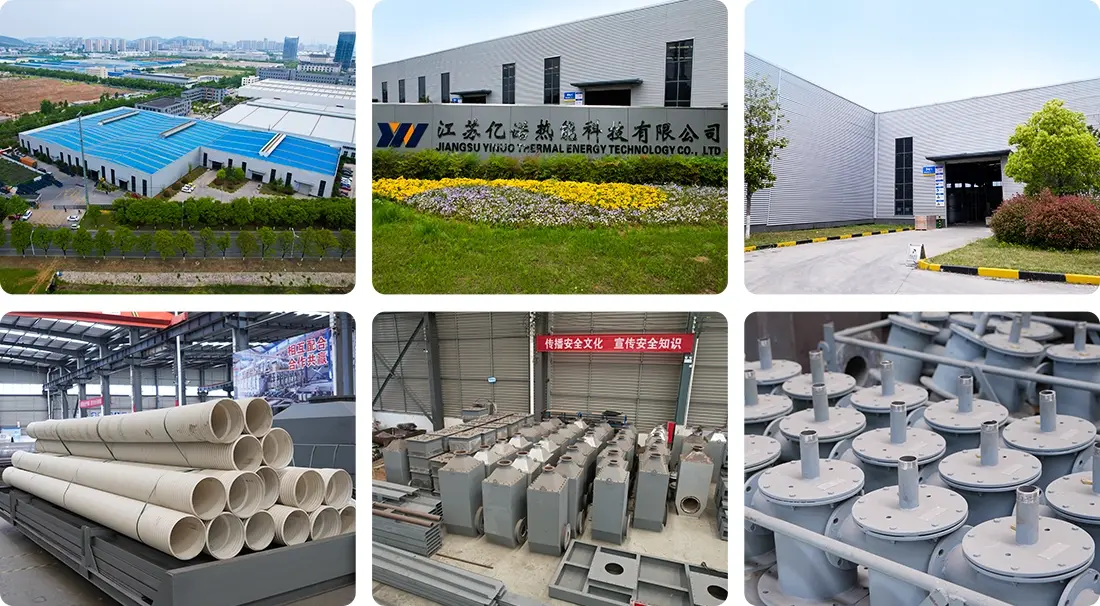
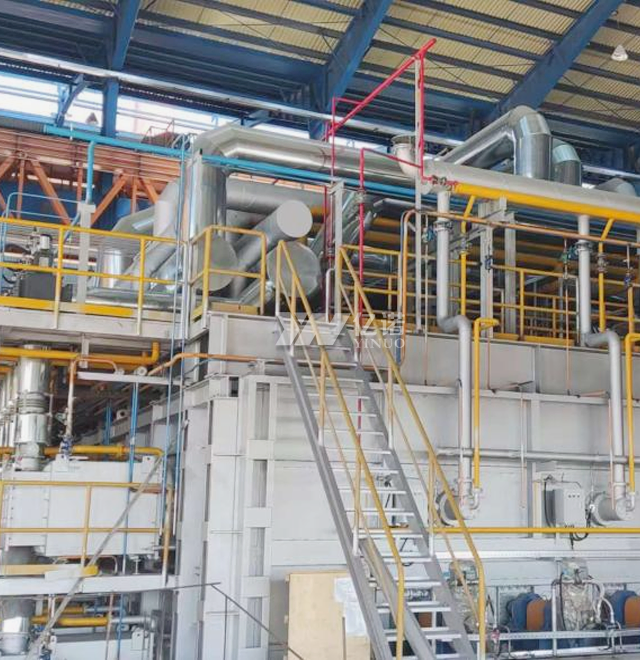
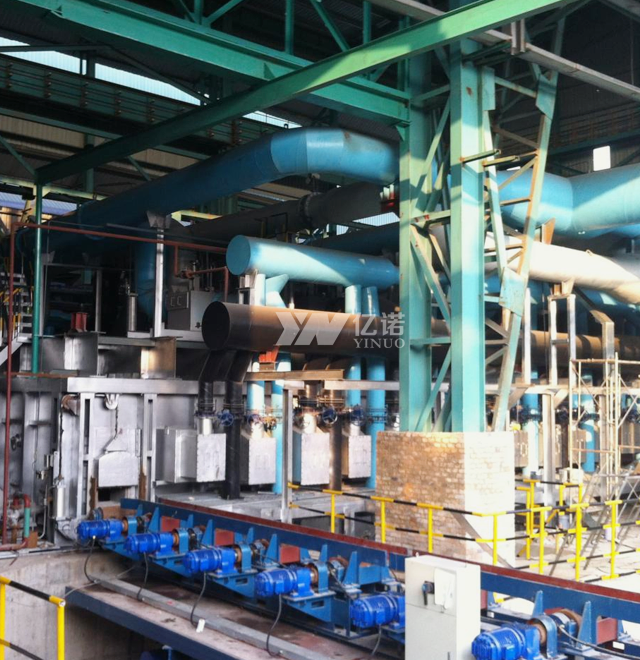
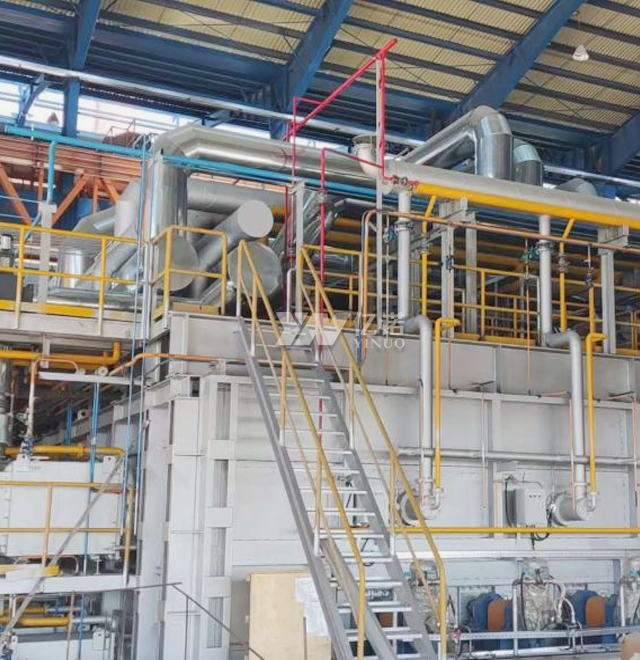
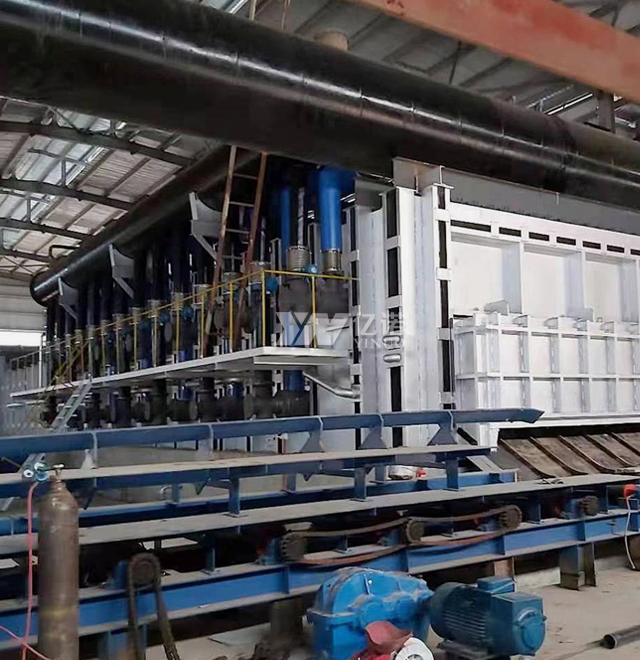
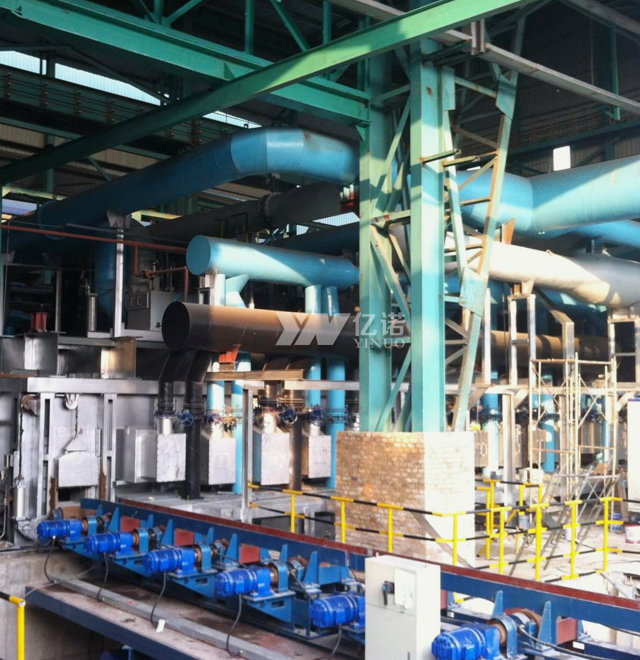
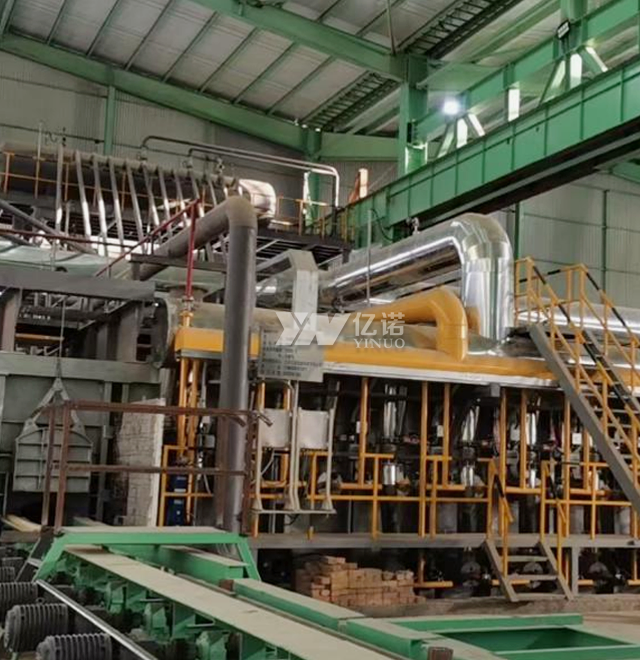
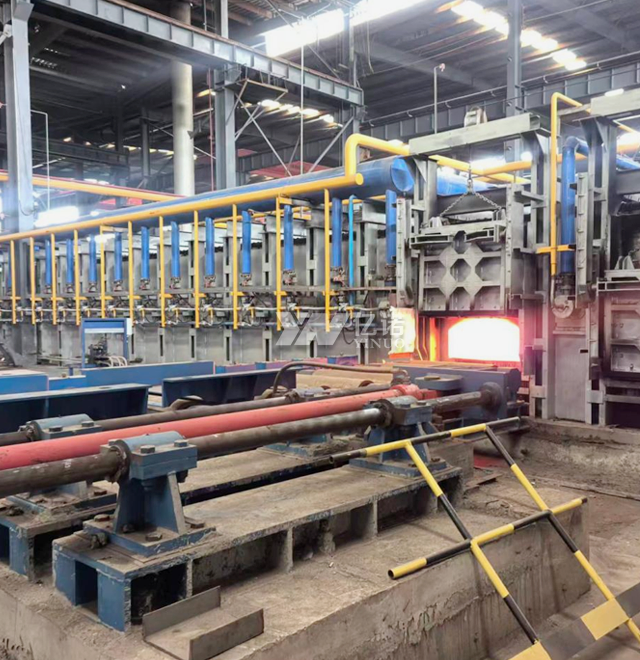
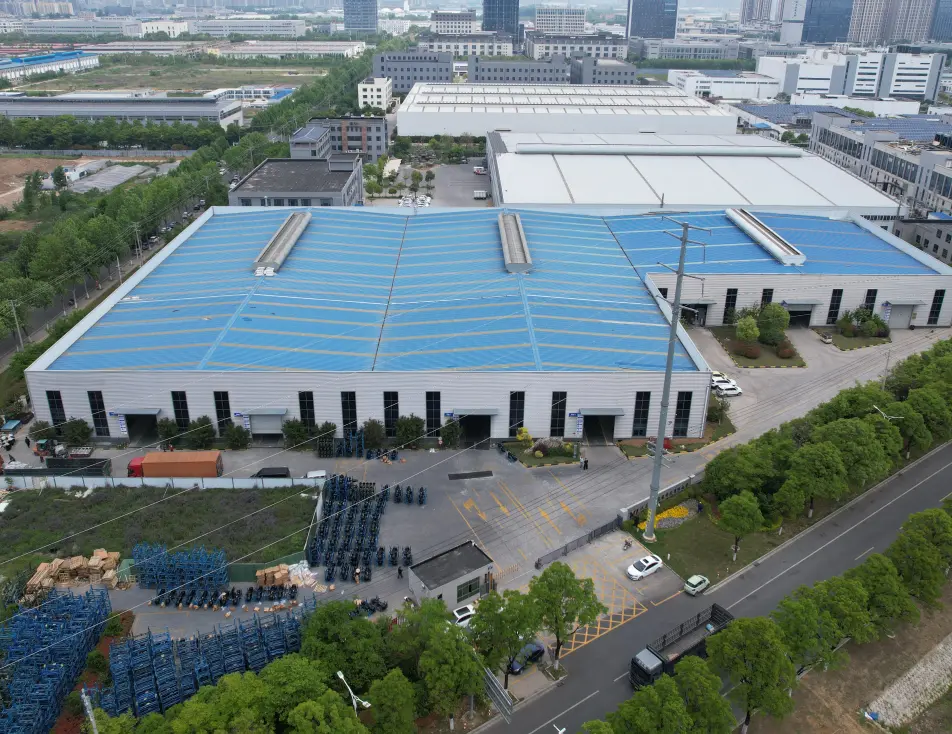
JIANGSU YINUO THERMAL ENERGY TECHNOLOGY CO., LTD builds walking beam heating furnaces. Each unit is put together to move a lot of tonnage through the line. Our Walking Beam Heating Furnace Capacity Ton Per Hour range begins at 200 t/h for standard billets and reaches 350 t/h for slab work. With that spread, a steel plant can line up its caster and its rolling mill without gaps. Heating temperatures sit at 1150–1250°C. Unit heat consumption holds at ≤1.05 GJ/t steel, which keeps thermal efficiency strong. Oxidation burning loss stays under 0.9%. We run 20,000㎡ of production space and keep more than 100 technical staff on hand. Design through commissioning: we take on the whole job.
Understanding Walking Beam Furnace Capacity Requirements
When selecting a heating furnace for your steel production line, capacity matching is critical. The product represents the maximum mass of steel workpieces your system can heat to rolling temperature within sixty minutes.
What your line really needs comes down to a few things. Thickness of the material sets the heating rate. A thick slab takes a longer soak than a standard billet does. Charging temperature counts just as much. Run hot charging instead of cold and effective capacity can go up by 20-30%.
The right rating is the one that matches how well your caster and your rolling mill keep pace with each other. Pick too small and the mill sits idle more often. Pick too big and you burn fuel you did not need, on top of capital you did not have to spend.
Technical Specifications and Performance Parameters
Every walking beam furnace we build uses parts made to tight tolerances. That is how the unit holds its capacity across different steel grades and workpiece sizes.
| Parameter |
Specification |
| Furnace Type |
Walking Beam Furnace |
| Heating Capacity |
Max. 350 t/h (Slab); Max. 200 t/h (Billet) |
| Heating Temperature Range |
1150–1250°C |
| Applicable Fuels |
Natural Gas, Blast Furnace Gas, Mixed Gas, Producer Gas |
| Heated Steel Grades |
Low/Medium/High Carbon Steel, Stainless Steel |
| Workpiece Forms |
Standard Billets, Slabs |
| Combustion Modes |
Dual Gas Regenerative, Single Air Heat Storage |
| Walking Beam Cooling |
Water Cooling, Evaporative Cooling |
| Unit Heat Consumption |
≤1.05 GJ/t Steel |
| Oxidation Loss Rate |
<0.9% |
| Charging/Discharging |
Side Charging & Discharging, End Measuring Feeding |
| Customization |
Available Based on Requirements |
With these specs, the furnace runs inside its best heat efficiency range. The temperature also stays even through the whole cross-section of the workpiece.
Key Advantages of Our Walking Beam Design
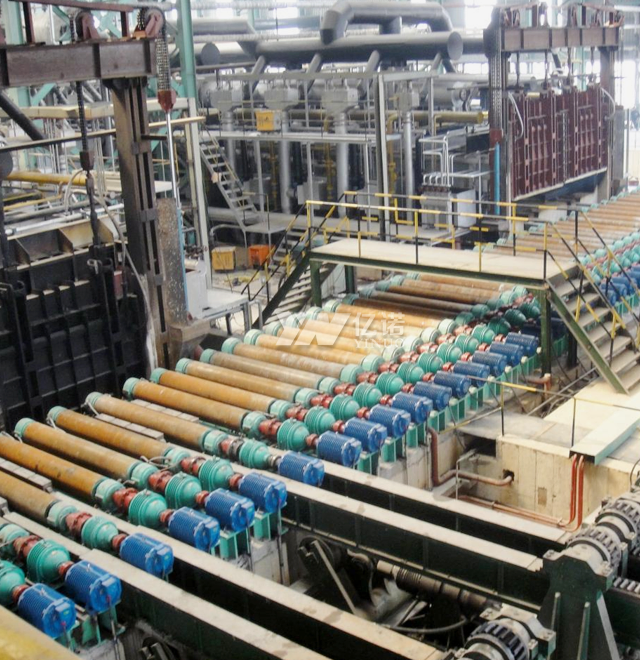
Traditional pusher furnaces often create bottom surface scratches and uneven heating patterns. Our walking beam mechanism eliminates these quality concerns through its lift-and-shift motion.
Strong Surface Quality
The walking motion moves in steps, so the workpieces never sit in constant contact with the hearth. Billets come out free of skid marks. No black oxide traces either, which would otherwise spoil the surface finish and hurt quality in later processing.
Exceptional Temperature Uniformity
Radiant heat needs open space to do its job. With clearance kept between the workpieces, that heat reaches every surface in an even way. Cold spots and temperature gradients are what cause rolling defects in the finished product. This spacing stops both.
Flexible Production Management
Since the furnace has no real limit on effective length, pusher charging ratios no longer hold you back. Thin blanks can run in the same shift as other raw material sizes and different steel grades.
Automated Operation Capability
Each billet can be placed with precision, which opens the door to full automation. Cycle frequencies on the walking beam mechanism are programmable. They adjust to real-time Walking Beam Heating Furnace Capacity Ton Per Hour demands.
Reduced Heating-Up Time
Reserved gaps between billets allow electrodes to be withdrawn flexibly during production transitions. This shortens furnace preparation time when switching between product campaigns.
Application Scenarios for Different Capacity Ranges
No two steel plants run the same way. That is why the capacity of the equipment has to fit the site. Once we know what you actually run, we can help you get more out of the money you spend and out of the plant itself.
Hot Strip Mill Operations
Strip mills that roll steel for cars and home appliances are big. Most of them are rated at 250-350 t/h. At that throughput, temperature has to stay under tight control. Get it wrong and the strip thickness drifts, and so do the mechanical properties.
Special Steel Bar and Wire Rod Mills
Furnaces in the 100-200 t/h range give you room to move. They suit specialty steel grades. Billet dimensions can be changed from one run to the next. Grain size control still has to hold, and it does.
Heavy Plate Mills
Thick slabs need care in structural work. Solid walking mechanisms and modern automation keep track of every workpiece as it moves through preheating, heating, and soaking zones. Good capacity planning keeps the mill productive. Plate quality stays where it should be.
Your throughput needs and material specs set the starting point. From there, our engineering team sets up the combustion systems, the walking frequency, and how densely the hearth is loaded.
Quality Control and Inspection Standards for Walking Beam Heating Furnace Capacity Ton Per Hour
Before delivery, each furnace gets thorough testing. The tests confirm rated capacity under real operating conditions.
Temperature Uniformity Validation
We run full temperature uniformity surveys. Tracking sensors do the measuring. The data shows internal-to-surface gradients meet rolling specifications when the product runs at peak.
Scale Loss Measurement
Tests for oxidation burning loss show metal loss stays under 0.9% at every point in the capacity range. That guards your material yield. It also cuts descaling work downstream.
Hydraulic System Endurance
Duty cycle tests cover walking mechanism components. They prove the unit can run 24/7 without a break. That keeps alignment drift in check. It also holds capacity steady over long production campaigns.
National and industrial standards guide our quality inspection department. The result: your furnace delivers the Walking Beam Heating Furnace Capacity Ton Per Hour performance we promised, starting from the first day of commissioning.
FAQ
Q: How does charging temperature affect furnace capacity?
A: Hot charging or direct charging significantly increases effective capacity by reducing total heat input requirements. You can expect capacity improvements of 20-30% compared to cold charging operations.
Q: What causes actual capacity to fall below design specifications?
A: Common factors include burner fouling, excessive skid cooling water heat loss, and improper billet spacing. Regular maintenance and proper operation prevent these capacity reductions.
Q: Can walking speed be increased to boost throughput?
A: Walking speed adjustments must balance with soaking time requirements. If material moves too quickly, core temperatures remain insufficient, potentially damaging downstream rolling equipment.
Q: How is skid mark severity managed at high capacities?
A: Our staggered skid and offset button designs ensure that even at maximum throughput, contact points shift to allow thermal homogenization and minimize surface marking.
Q: Does fuel type impact capacity performance?
A: Low-BTU blast furnace gas heats slowly. High-calorific fuels such as natural gas heat faster. Multi-fuel burner systems from us get the most out of capacity, and they keep running costs in balance too.
Q: What customization options are available for specific capacity needs?
A: We customize hearth dimensions, burner configurations, walking frequencies, and control systems to match your exact production requirements and material specifications.
Partner With YINUO for Your Heating Solutions
Ready to optimize your steel production throughput? Contact us at info@yinuofurnaces.com to discuss your Walking Beam Heating Furnace Capacity Ton Per Hour project specifications and receive a customized solution proposal.