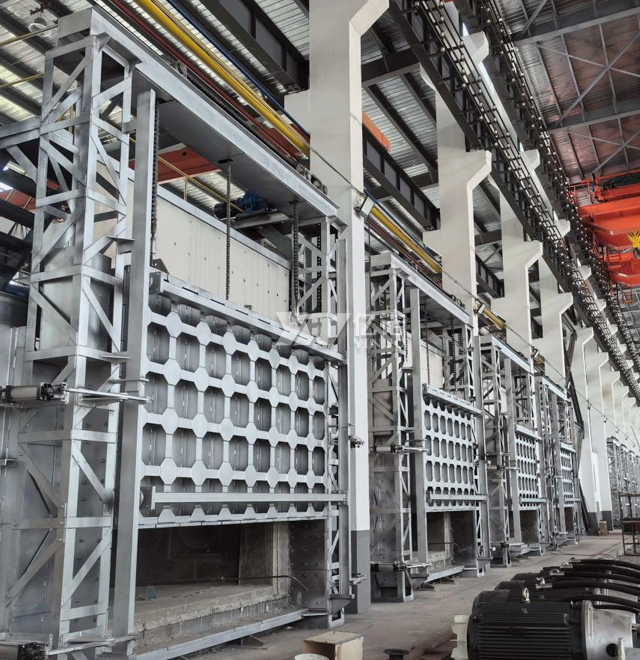
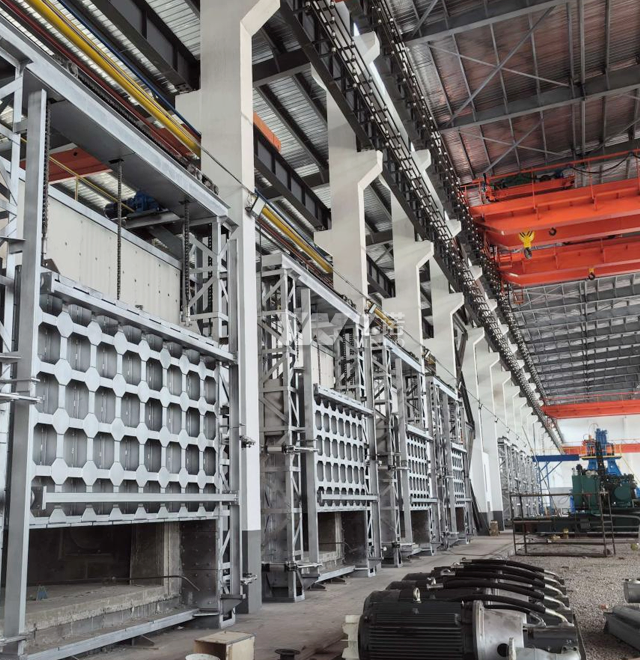
Making An Induction Forge – Industrial Electromagnetic Heating Solutions for Precision Thermal Processing
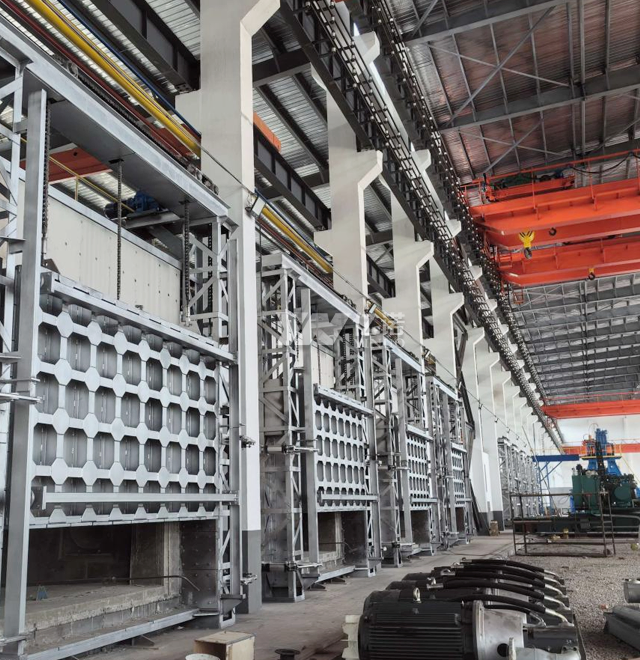
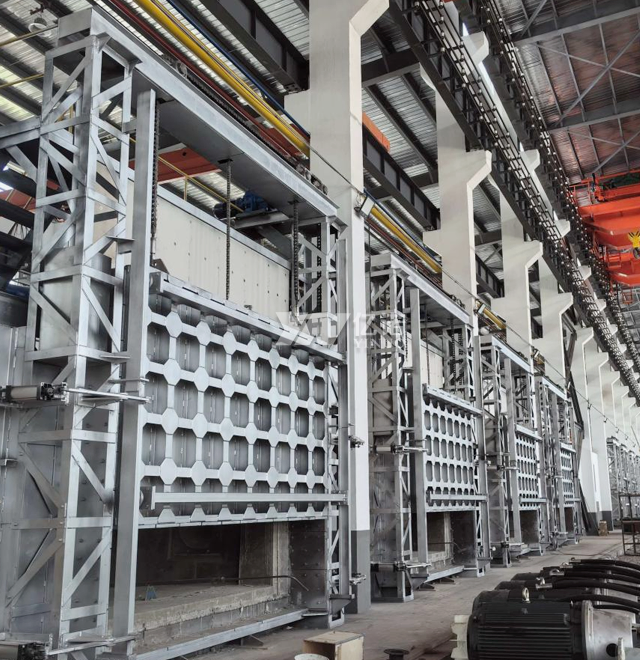
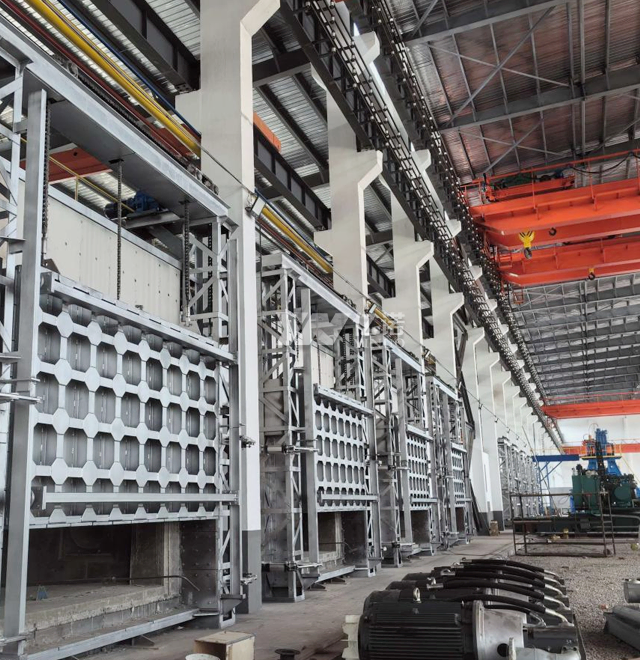
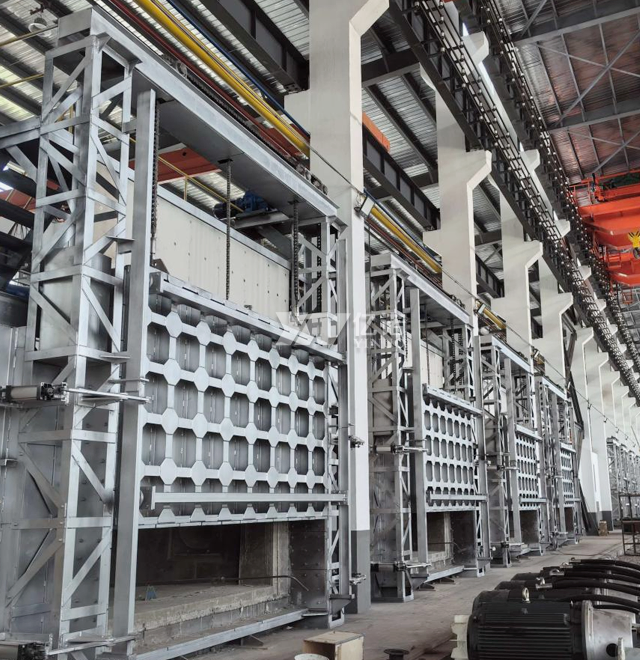
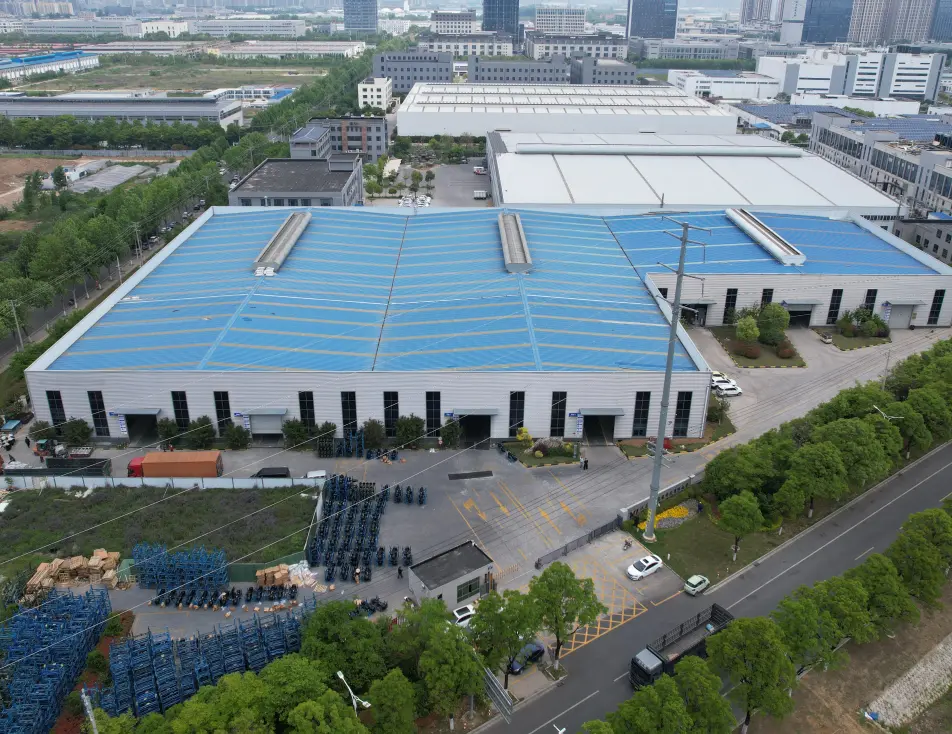
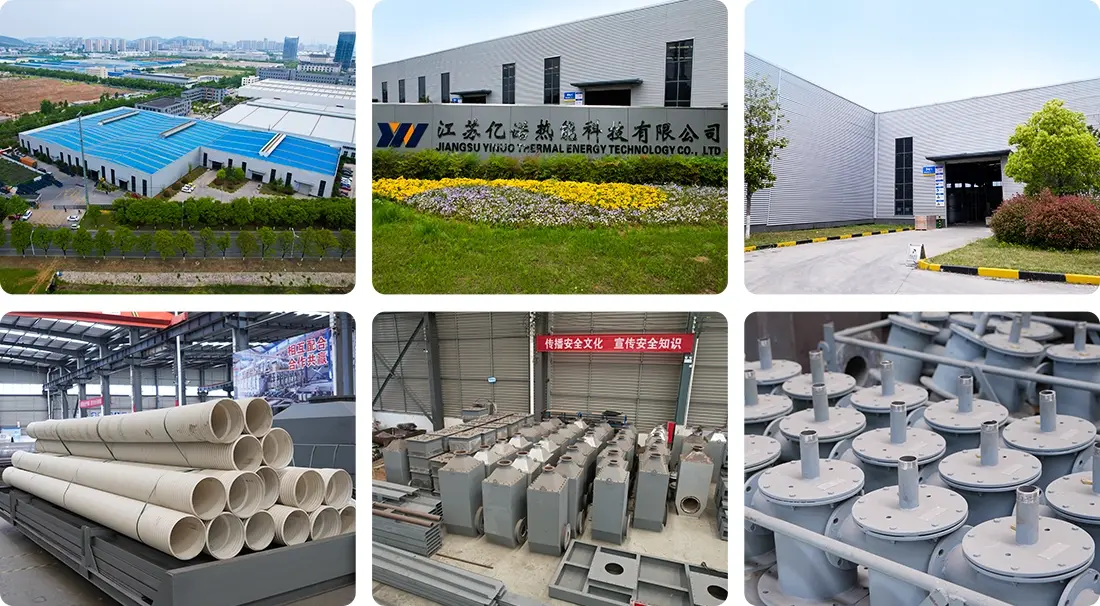
JIANGSU YINUO THERMAL ENERGY TECHNOLOGY CO., LTD builds Making An Induction Forge systems. They are designed for melting and forging work at industrial scale. The plant covers 20,000㎡, and over 100 skilled people work there. Induction heating units from our line come with rated melting capacities of 0.1t to 50t. Ferrous metals reach top temperatures of 1600–1800℃. A single melt cycle finishes in 20–60 minutes. Production time drops a lot that way. Metal quality stays strong, and oxidation loss stays low.
What Makes Our Induction Forge Technology Different?
The product is eliminated by the sophisticated electromagnetic heating from the traditional heat transfer losses. Your metal heats from the inside out, which greatly reduces melting cycles and increases hourly output.
Our induction forges are run in closed settings – unlike gas fuelled or coal based systems. This confinement minimises surface oxidation and burning loss up to 70 percent over conventional approaches.
The heating phases are precisely controlled. Real time temperature measurement with optional IR sensors guarantees constant quality of the molten metal in each batch.
Our systems are compatible with various charging techniques, including manual feeding, overhead crane operation, or completely automated skip feeding. This flexibility is compatible with your current workflow, without expensive facility upgrades.
Technical Specifications
| Parameter |
Specification |
| Rated Melting Capacity |
0.1t–50t (steel, iron, copper, aluminum, alloy materials) |
| Single Melting Cycle Time |
20–60 minutes (varies by metal type and furnace tonnage) |
| Maximum Melting Temperature |
1600–1800℃ (ferrous metals); 800–1200℃ (non-ferrous metals) |
| Hourly Melting Output |
Matched with furnace capacity and power configuration |
| Metal Charging Method |
Manual feeding, overhead crane feeding, automatic skip feeding |
| Customization |
Available based on specific customer requirements |
Core Performance Advantages
Fast Melting & High Production Efficiency
Electromagnetic induction puts heat right inside the metal itself. Nothing has to come from an outside flame. So there is no wait for heat to soak in.
Your line runs faster. Charging, melting, and tapping take less time, so more metal moves through. Quality does not drop.
Precise Temperature Control & Stable Molten Metal Quality
The power setting changes in small steps, not in jumps. Heat spreads evenly through the whole melt. Cold spots are what cause porosity and shrinkage cavities, and this keeps them from forming.
Built-in monitoring reads the thermal profile as it happens. Scrap rates go down because of that accuracy. Casting stays more consistent too.
Low Metal Burning Loss
Sealed furnace bodies hold the heat inside. As a result, the surface of the molten metal stays cooler. Oxidation exposure falls a lot, whether the alloy is steel, copper, aluminum, or a specialty grade.
You save on raw material costs. Lower burning loss means more usable metal per charge and fewer material reorders.
Industrial Applications You Can Rely On
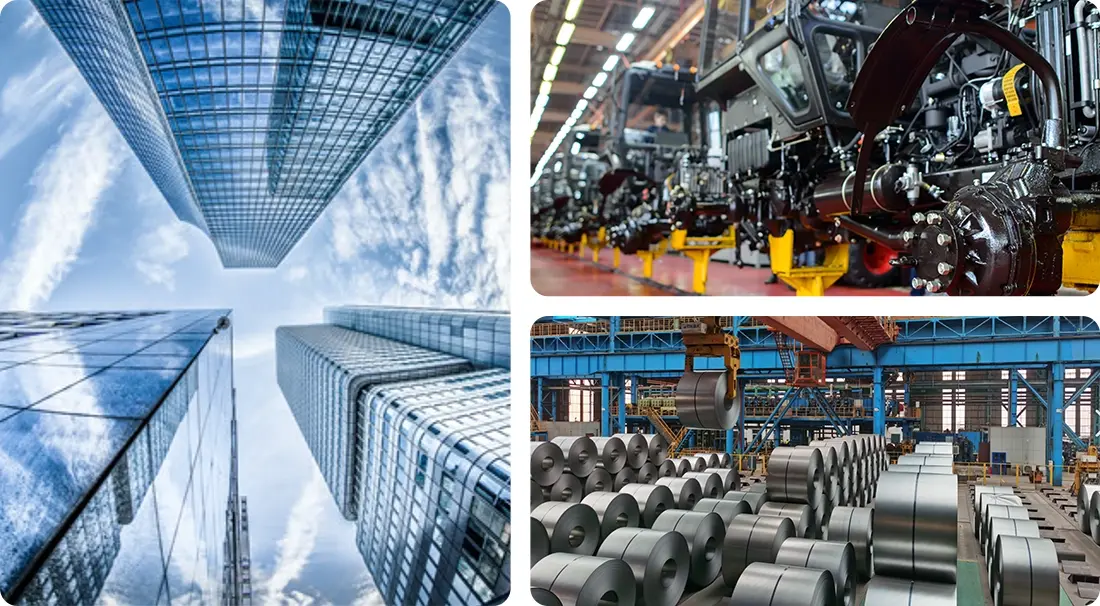
Our Making An Induction Forge systems handle many different manufacturing settings. On fastener production lines, automated heating is used to deform bolt blanks at high speed. Output can reach 60 parts per minute.
Repair shops working on aerospace parts gain from localized heating in zones where flames are not allowed. Turbine blades can be brazed safely. Weldments can be stress-relieved too, and there is no contamination risk.
Makers of precision tools get targeted heat treatment on high-carbon steels. Heating stays controlled, so structural integrity holds up. Exact Rockwell Hardness specs are still met.
Gas furnaces cost more to run. Foundries that work with copper and aluminum alloys cut their energy spend by 40% when they switch. The temperatures stay lower and the cycles finish faster. That shows up as smaller utility bills.
Complete Engineering Support From Design to Commissioning for Making An Induction Forge
Your project starts with custom furnace design tailored to your metal types, production volume, and facility layout. Our mechanical and automatic control engineers map out every system component.
Manufacturing happens in our 80-million-yuan production facility. Advanced quality control procedures inspect each unit against national and industrial standards before shipment.
On-site setup is done by installation teams. They also take care of electrical integration. Cooling system configuration is part of the job too. Every function gets tested under load so we can confirm the performance benchmarks.
Operator training and process optimization are both part of commissioning. Documentation comes with it. You get maintenance schedules and troubleshooting protocols. Safety procedures are covered as well.
Quality Management You Can Trust
No induction forge leaves our factory without hard testing. We run dielectric strength tests on every unit. These checks prove the electrical isolation holds between the high-voltage circuits and the operator interfaces.
Hotspots in capacitor banks and transformer windings show up on thermal imaging during full-load trials. Cooling system flow rates get checked too. That step stops coil cavitation from happening.
Calibrating the impedance match puts your system at resonant peak efficiency. Power factor goes up as a result. Wasted reactive energy drops.
Tests for EMI/EMC compliance, Making An Induction Forge, prove that high-frequency radiation cannot rise above the regulated limits. As a result, your CNC or PLC equipment nearby runs free of electromagnetic interference.
Partner With Experienced Thermal Energy Specialists
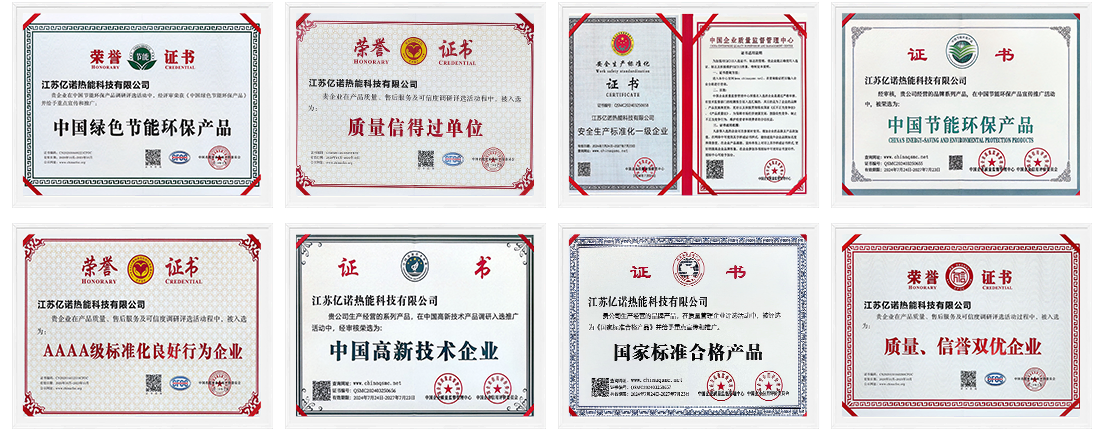
Every project gets years of industrial heating know-how from JIANGSU YINUO THERMAL ENERGY TECHNOLOGY. Technologies are upgraded all the time by our multidisciplinary team, and that work makes furnaces more efficient and more reliable.
Long-term partnerships are what we aim for. Production demands shift, and customized solutions plus responsive support help you keep up with them. Quality standards stay consistent throughout.
You may be adding capacity at a new forge. Or you may be updating a melting line that is already running. Either way, our products can cut energy use, speed up output, and improve metal quality. The gains can be measured.
FAQ
Q: What frequency range do your induction forge systems use?
A: Most of our systems run from 10 kHz to 100 kHz. The exact range depends on the material and how deep the heat needs to go. For everyday steel forging on 1/2-inch to 1-inch stock, 30-50 kHz works best for through-heating.
Q: What makes distilled water necessary for cooling systems?
A: Minerals in tap water lead to buildup and electrolysis inside copper coils. Use distilled or deionized water instead. It stops corrosion and keeps cooling efficiency steady for the whole life of the coil.
Q: What can I do to stop uneven heating in my workpieces?
A: Even heating calls for a steady coupling gap, which is the space between the work coil and your metal. Your part dimensions drive the coil geometry here, and our engineers design it to your part. That way hot and cold zones do not appear.
Q: What power capacity should I choose for my operation?
A: Three things set the power you need. They are metal mass, specific heat capacity, and how fast you want the temperature to rise. For professional forging work, entry-level systems begin at 10-15 kW. Exact specifications get worked out by our team during the consultation phase.
Q: Do your systems work with the production automation we already run?
A: Yes. PLC integration is supported on our induction forges, and they take standard industrial protocols. Your automation vendors and our team work together. That way the heating systems and the material handling equipment talk to each other without problems.
Start Your Induction Heating Project Today
Send a message to info@yinuofurnaces.com and ask for Making An Induction Forge technical specifications.