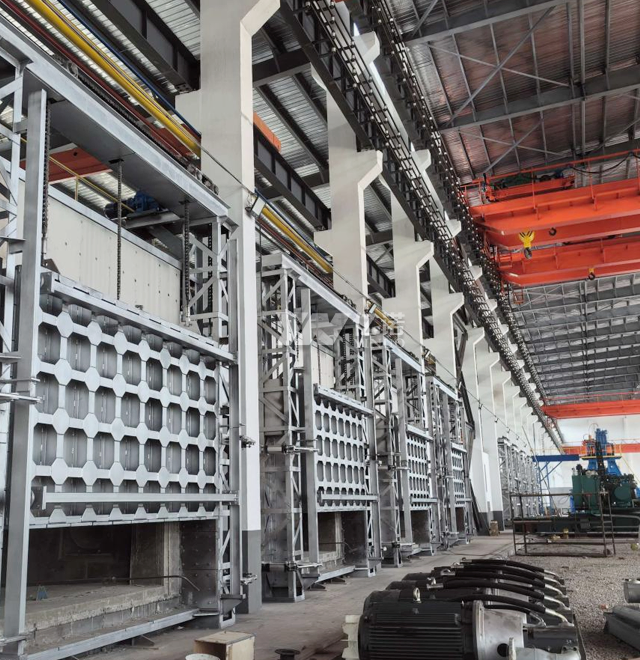
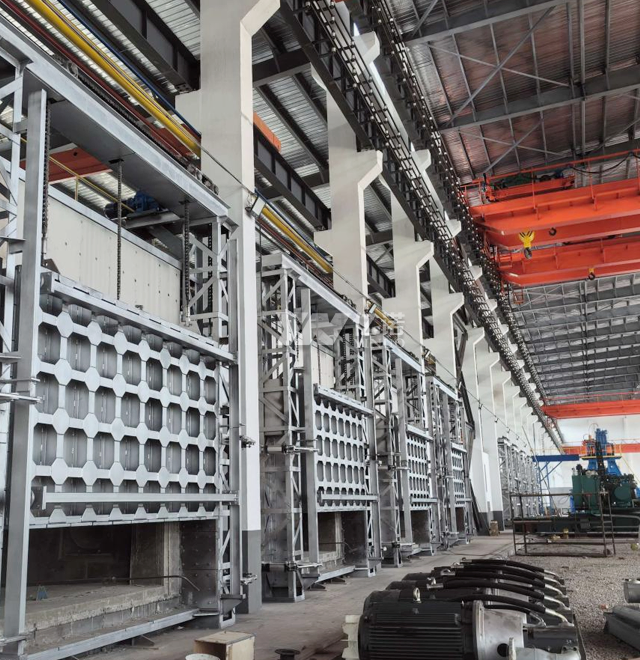
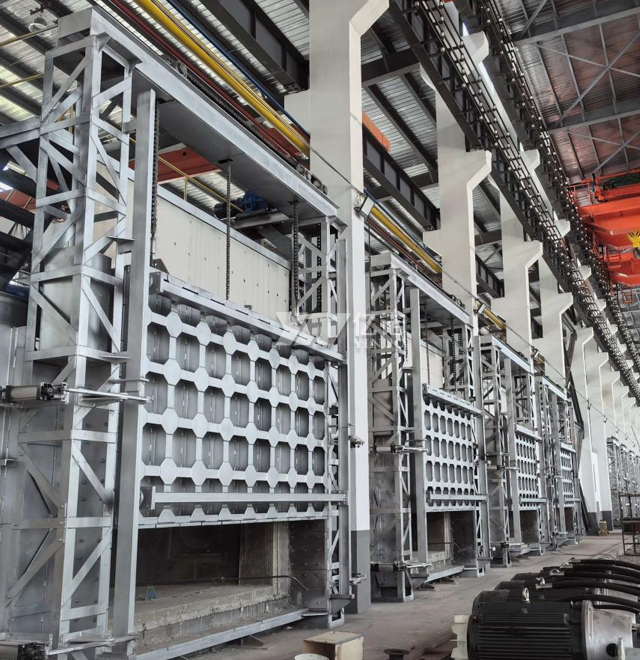
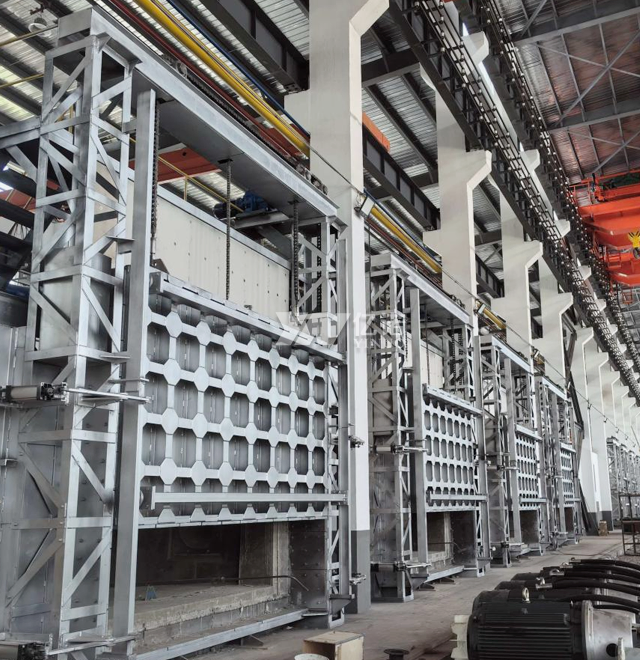
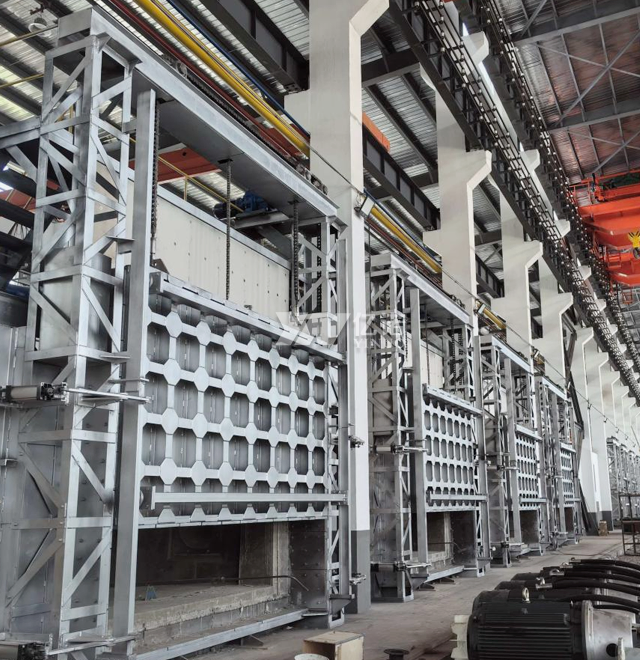
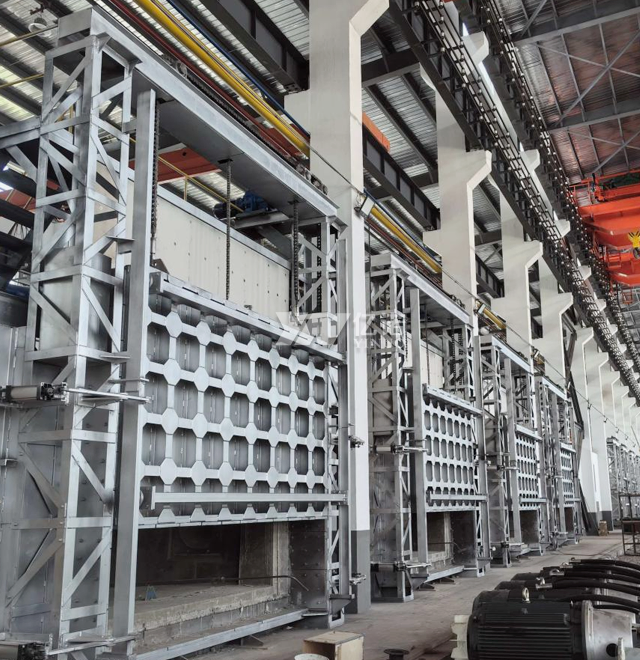
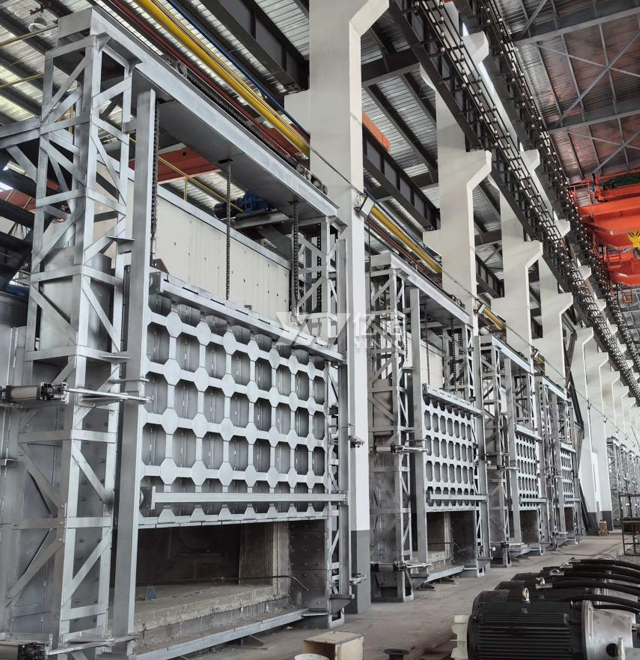
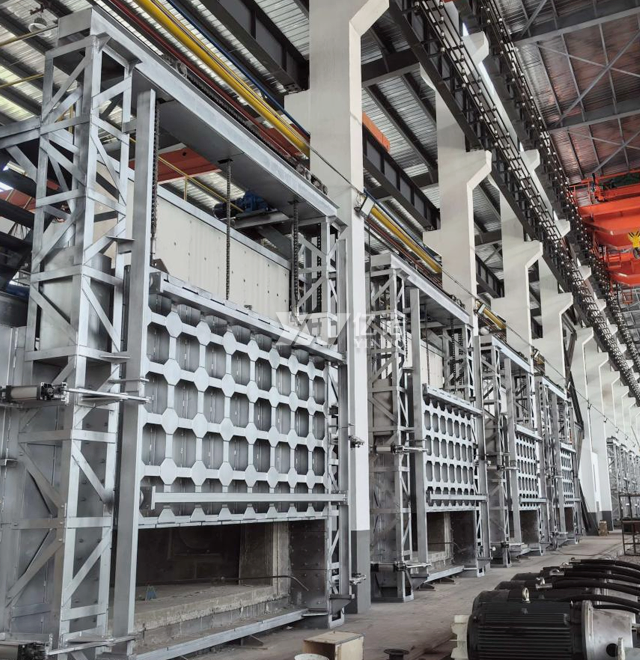
Induction Heating Furnace For Forging – Advanced Industrial Heating Solution for Precision Metal Forging Applications
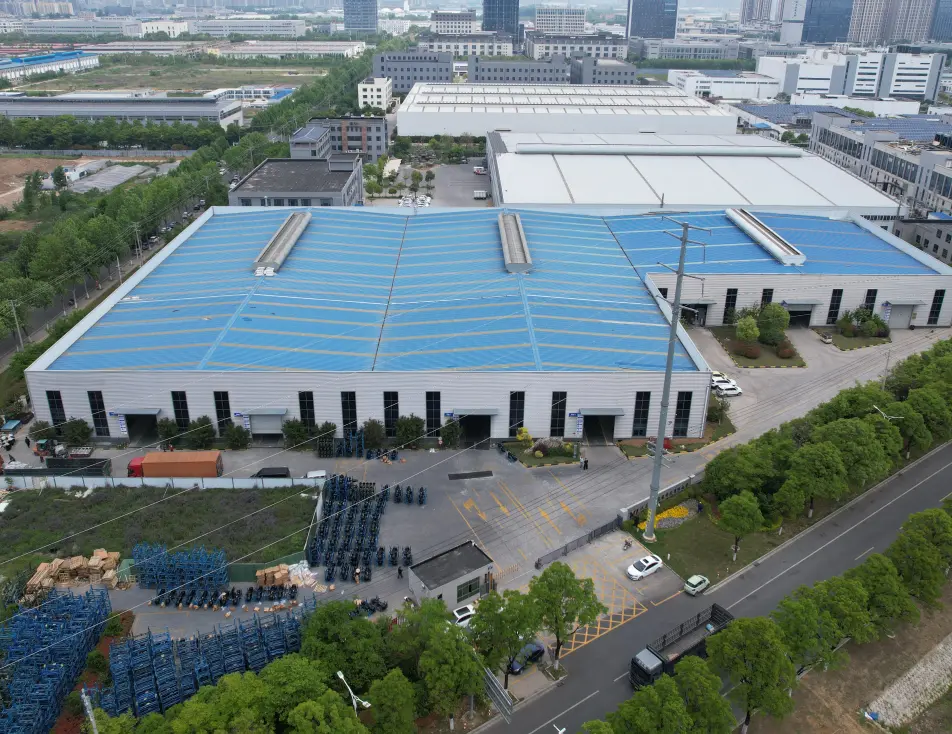
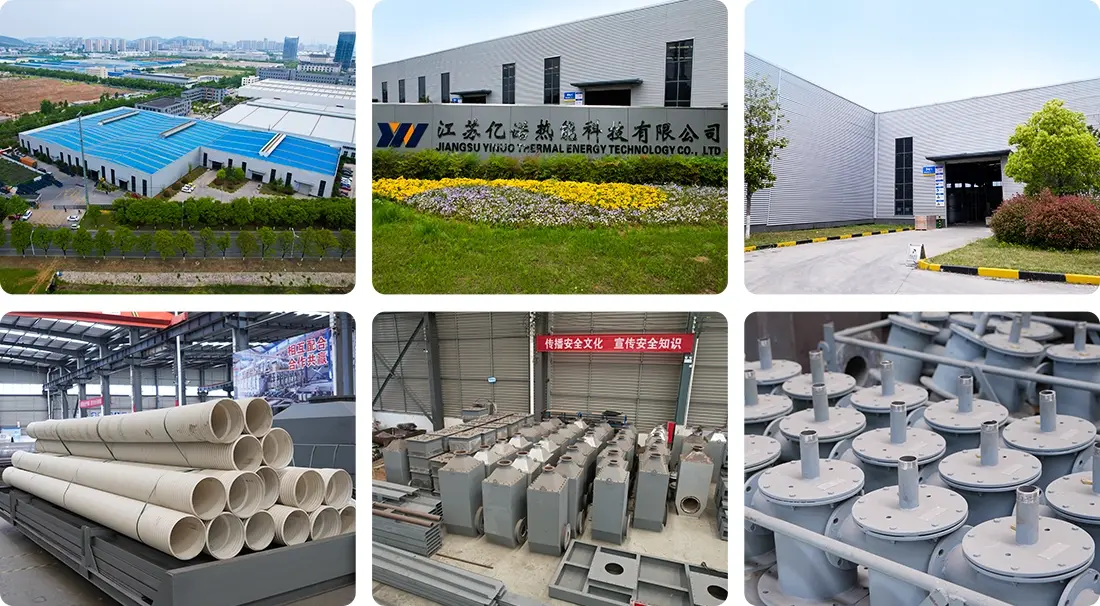
Metalworking shops come to JIANGSU YINUO THERMAL ENERGY TECHNOLOGY CO., LTD for Induction Heating Furnace For Forging systems. These units run at high performance. Melting capacity is rated between 0.1t and 50t. Steel, iron, copper, aluminum, and alloy materials all work in these furnaces. From 20 to 60 minutes is what one melt takes. Ferrous metals hit 1600–1800℃. Non-ferrous ones run at 800–1200℃. Our 20,000㎡ plant builds every unit. Over 100 specialists work there. Fixed assets total 80 million yuan. The line is backed by a full quality management system. Before shipping, each furnace gets a close inspection. National and industrial standards stay met that way.
Why Choose Our forging?
Heating gear for forging has to take a beating. Ours does exactly that. It also handles more than one job at once. The heat forms inside the metal itself. Nothing is lost in moving it around. Production time drops a lot. From the first part to the last, metallurgical properties hold steady.
Fast Melting & High Production Efficiency
Your production schedule depends on speed. Quality can't fall off either. Our induction heating puts the heat straight into the metal. Time wasted on transfer is gone. Charging gets faster. So does melting. Tapping takes less time too. Output per hour goes up. Lines keep running, with no slowdowns.
Precise Temperature Control & Stable Molten Metal Quality
Fit infrared thermometers and real-time temperature monitoring comes with the system. Power adjusts in stepless steps. Molten metal holds an even temperature through the whole heating cycle. Two common casting defects, porosity and shrinkage cavities, show up less often because of that. Customers end up with strong finished parts.
Low Metal Burning Loss
Material costs take up a big share of what you spend keeping the plant running. Surface temperatures on molten metal stay low. Our closed furnace body design is the reason. Steel loses far less to oxidation burning loss than it would under gas-fired alternatives. Copper follows the same pattern. So does aluminum. Often the loss lands under 0.5%, while traditional furnaces sit at 2-3%. Your raw material bill drops right away, and the bottom line improves.
Technical Specifications
| Parameter |
Specification |
| Rated Melting Capacity |
0.1t–50t (steel, iron, copper, aluminum, alloy materials) |
| Single Melting Cycle Time |
20–60 minutes (varies by metal type and tonnage) |
| Maximum Melting Temperature |
1600–1800℃ (ferrous metals); 800–1200℃ (non-ferrous metals) |
| Hourly Melting Output |
Matched with furnace capacity and power configuration |
| Metal Charging Method |
Manual feeding, overhead crane feeding, automatic skip feeding |
| Customization Options |
Available based on specific customer requirements |
Industrial Applications You Can Rely On
Automotive Component Manufacturing
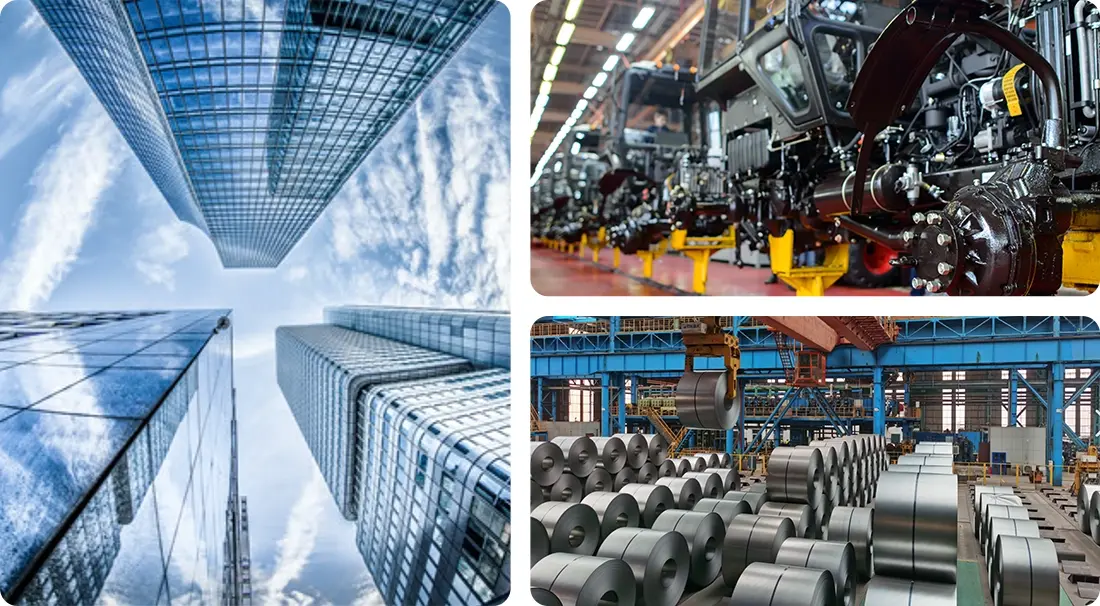
On automotive lines, crankshafts need to heat up fast. Camshafts and transmission gears are no different. Our Induction Heating Furnace For Forging drops straight into automated forging lines. Every part arrives at your press at the temperature the process calls for. Repeatable metallurgical properties follow, cycle after cycle.
Turbine Parts and Fasteners for Aerospace
There is no room for error with superalloys and titanium. That is the work you do. Our furnaces run under protective atmospheres. Others work in fast cycles. Grain growth stays low either way. So does oxidation. On flight-safety parts, both count. One small deviation can weaken the structure.
Heavy Industrial Tooling
Billets come in many sizes. Large flanges, hand tools and construction hardware all need equipment that copes with that. Ours does. A heavy-duty forge shop brings vibration and rough conditions. Even there, the quick-change coil design keeps throughput high. Your line keeps moving.
Complete Engineering Support for Induction Heating Furnace For Forging
Design, build, installation, commissioning, and project management all come out of one place. That is what the full-service approach means. Mechanical engineers make up the team. Automatic control engineers do too, along with quality inspection specialists. From the first consultation to final delivery, they stay with you.
Your requirements shape how we build the machine. Unusual billet shapes can mean you need special coil setups. Sometimes the unit has to connect to the production management system you already use. Either way, we make it fit. Technology never stands still. Industry standards shift along with it. We keep upgrading our equipment, so yours stays competitive.
Quality You Can Trust
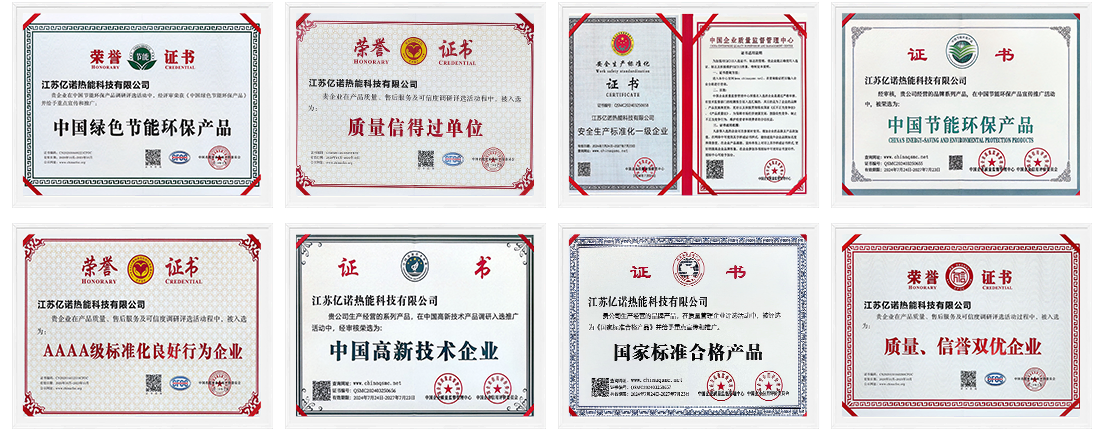
Quality control has to sign off before any unit ships. Each furnace goes through a long checklist. Infrared pyrometers get calibrated against certified blackbody sources. Mapping the thermal profile proves the heating is even. Insulation resistance is tested too. Pressure in the cooling system is checked. We also analyse harmonic distortion, so the unit meets grid compliance.
That is how we work. The result: your Induction Heating Furnace For Forging equipment shows up ready to run well from day one. Commissioning takes less time, and startup problems are few.
FAQ
Q: What does frequency choice do to how deep my billets get heated?
A: Go low on frequency and you get deeper penetration in big-diameter billets. Smaller billets do better with higher frequencies. There the skin effect lets them soak up energy efficiently. Your billet dimensions decide the range, and we help you pick it.
Q: What kind of upkeep does the induction coil need?
A: Check the refractory lining often. Watch for water scale buildup in the cooling paths. Coil insulation integrity needs a check too. Short circuits are prevented when insulation stays intact. You get detailed maintenance schedules matched to your operational intensity.
Q: Will your furnace accept billets that come in different shapes?
A: Yes. Coils get built to order for each job. You can pick rectangular, round, or oval. So one system can run billets with more than one cross-section. Heat stays even through the full length of the piece.
Q: On a line stop, what keeps the temperature from overshooting?
A: Energy-saving and standby modes are built into the PLC system. Power drops on its own. Billets can also be pulled out of the coil by motorized extraction. That way, if production stops without warning, the coil will not overheat.
Q: So how does it compare with gas-fired furnaces?
A: Induction heats faster. Oxidation stays low, and it needs less floor space. Gas-fired systems do have their place with very large, irregular ingots that need slow soaking. For standard forging work, though, ours wins on precision, speed, and material efficiency.
Get Your Custom Solution Today
Is there a Induction Heating Furnace For Forging job you need to get done? Drop a line to our engineering team at info@yinuofurnaces.com. Say what you are looking for.