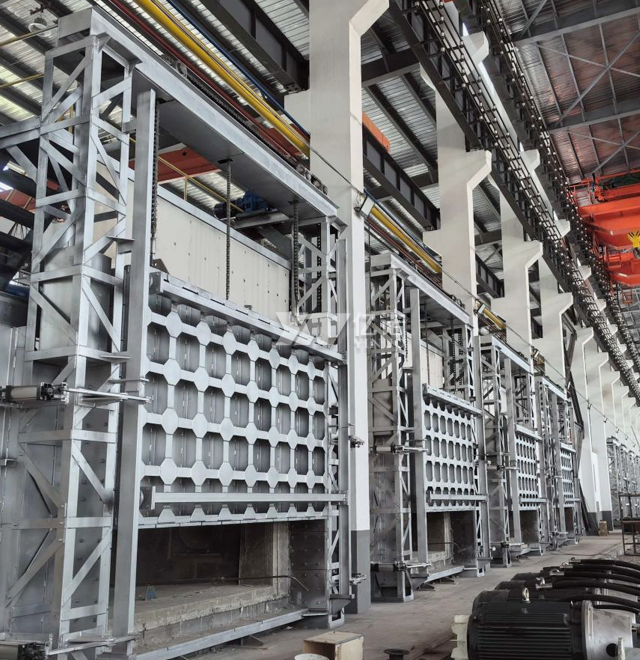
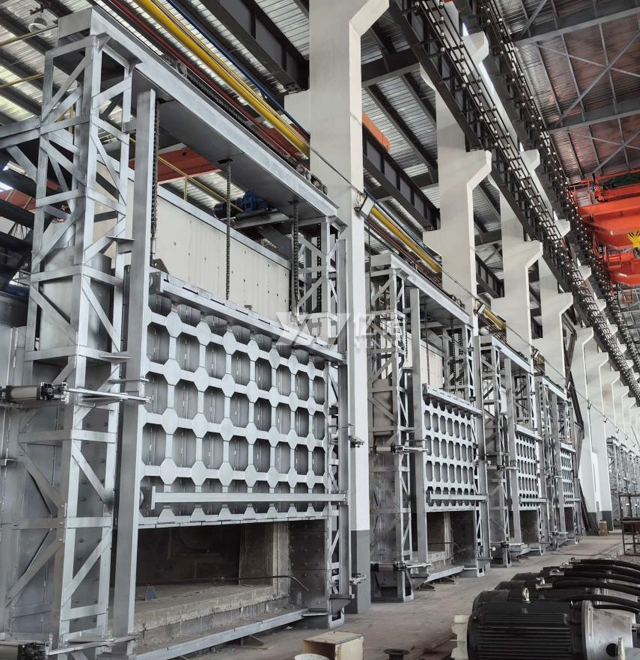
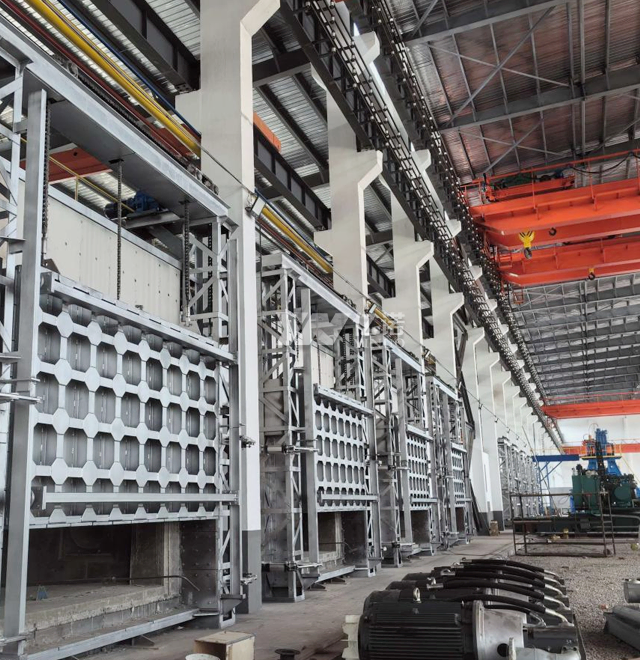
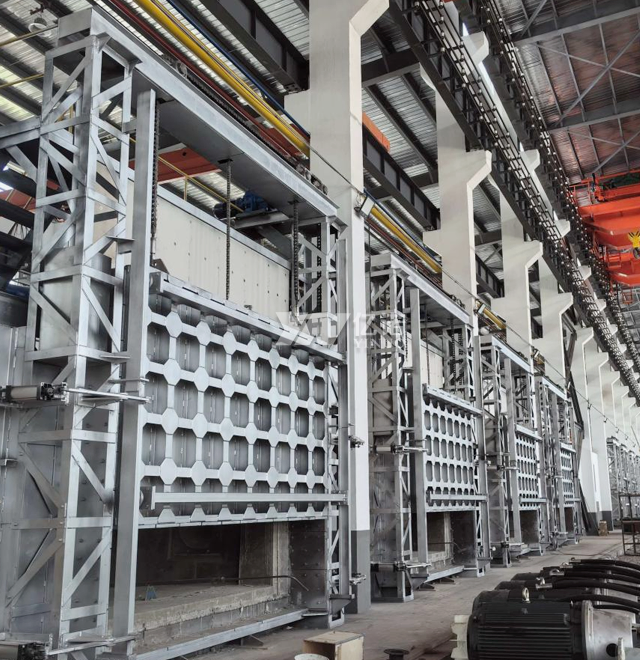
Metal Forge Furnace for Industrial Forging – Advanced Regenerative Heating Solutions
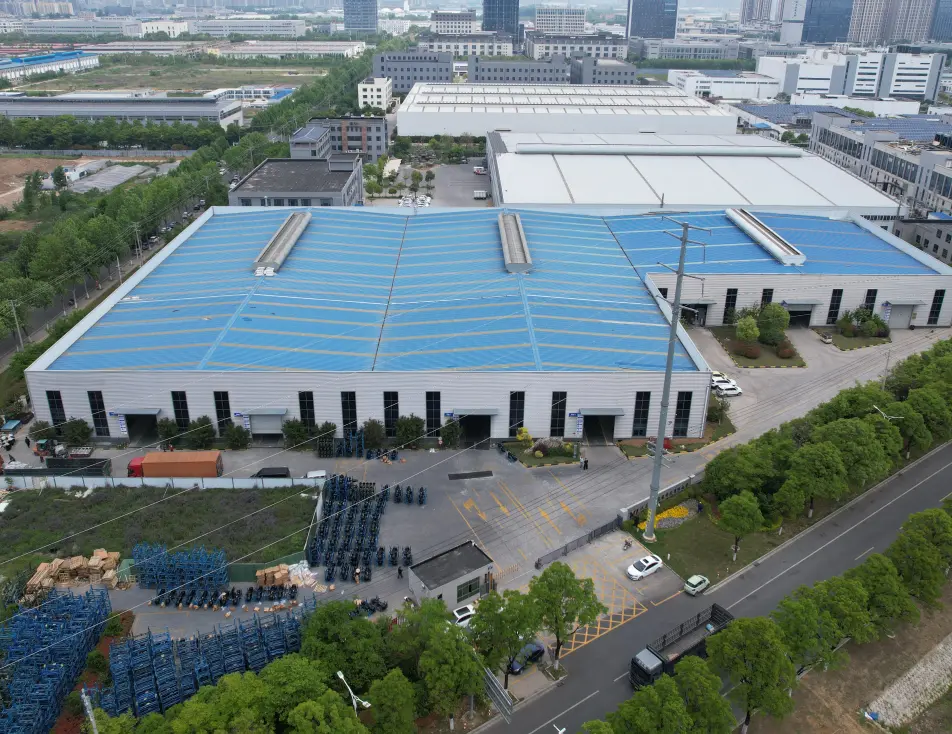
JIANGSU YINUO THERMAL ENERGY TECHNOLOGY builds industrial Metal Forge Furnace systems for metalworking jobs that call for close control. Production space is 20,000㎡. Fixed assets total 80 million yuan, and over 100 specialized professionals are on staff. Our regenerative combustion technology preheats combustion air to 600 to 1000℃. Against conventional designs, that cuts fuel use by more than 30%. Temperature inside the effective heating zone holds at ±10℃. Forging quality stays consistent as a result, and low-nitrogen burners built into the system meet strict environmental emission standards.
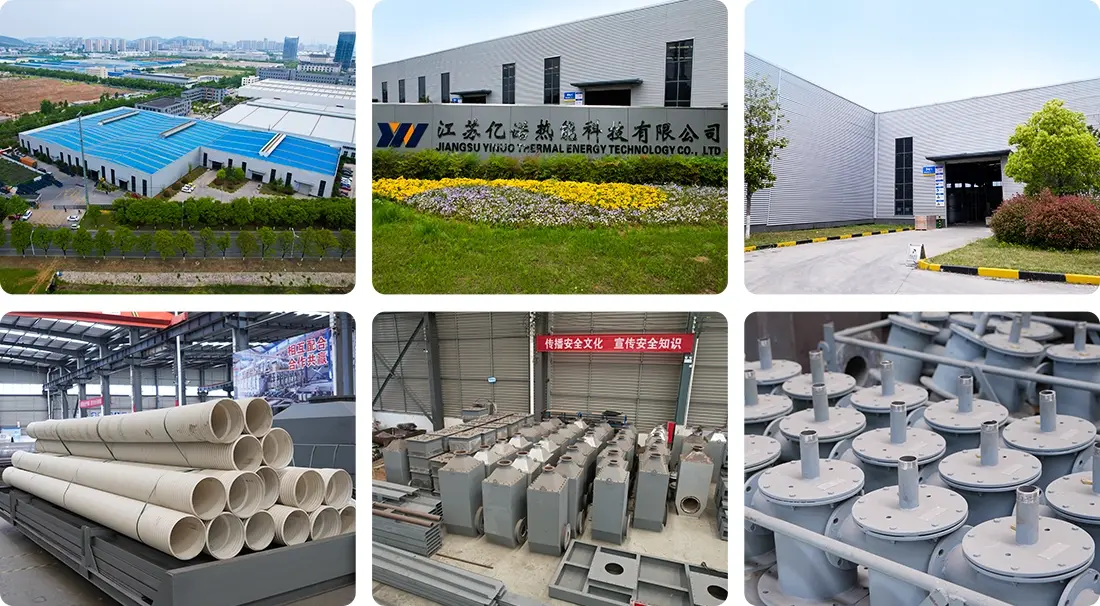
What Makes Our furnace Different?
Forging shops today need heat systems that keep oxidation and decarburisation low. Short cycle times matter too. Our unit handles both through regenerative waste heat recovery. Flue gas energy becomes warmed combustion air. Big savings on running costs follow. Core-to-surface temperature uniformity still holds. High-carbon steels and alloy parts rely on that uniformity to keep their structural integrity.
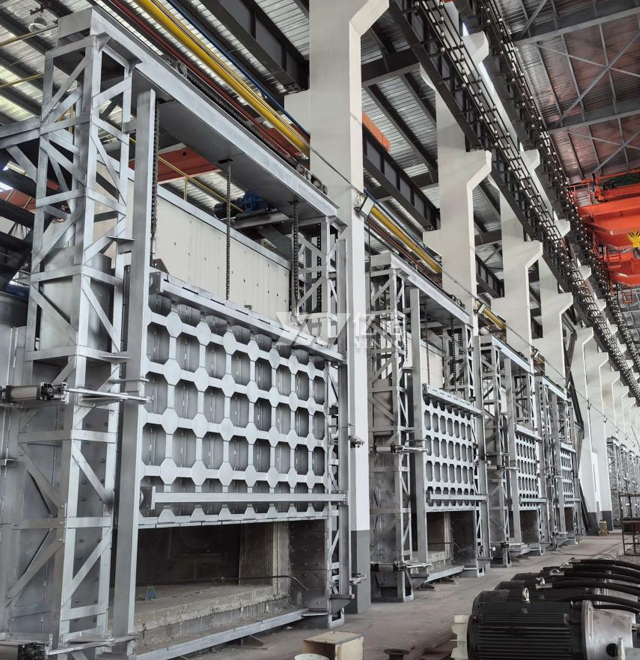
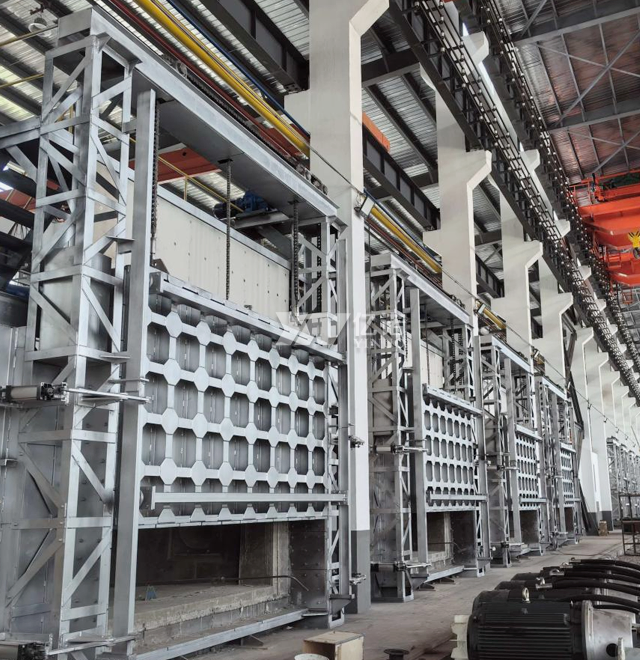
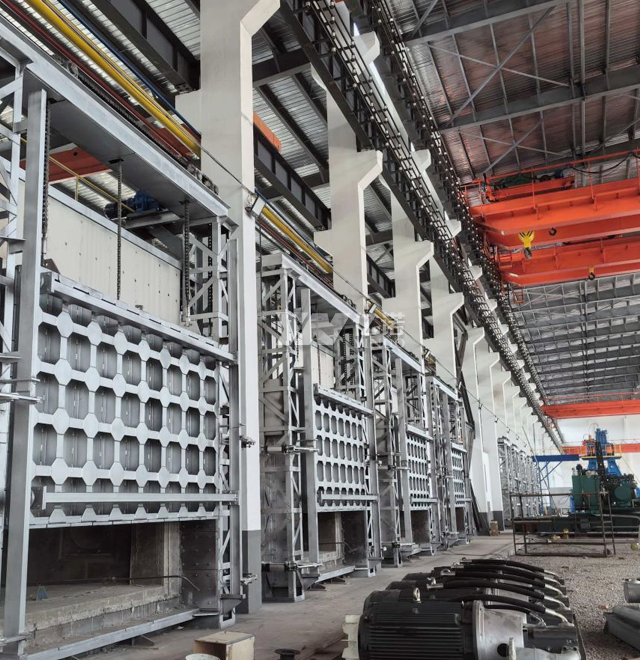
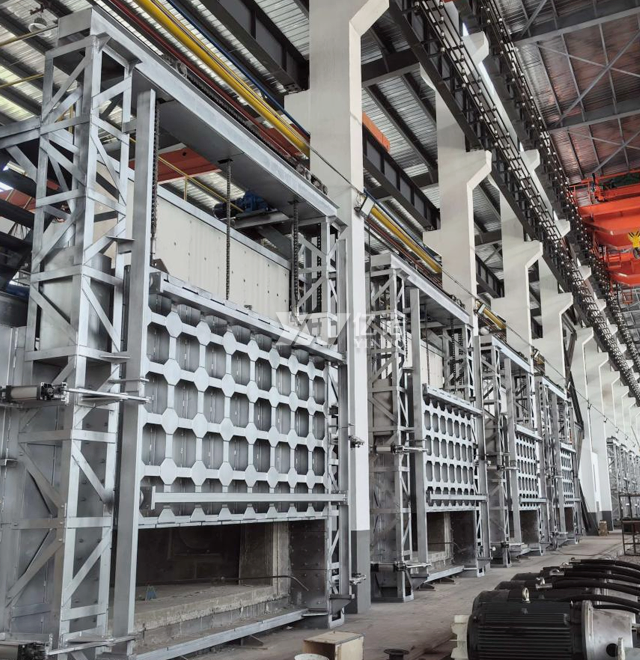
A light weight liner made of multiple composite layers cuts heat loss from the surface. Fibre sealed doors keep cold air out during loading cycles. The frame is welded steel. It gives long term stability through 24/7 production cycles.
Technical Specifications
| Parameter |
Specification |
| Effective Heating Chamber Size |
Customized based on workpiece dimensions and throughput |
| Overall Outer Dimension (L × W × H) |
Customized per production requirements |
| Furnace Lining |
Multi-layer composite lightweight heat insulation, low surface heat loss |
| Furnace Door |
Sealed structure with fiber sealing strips, prevents heat leakage |
| Furnace Body Frame |
Steel welded construction, high structural stability |
| Temperature Uniformity |
±10℃ within effective heating zone |
| Air Preheat Temperature |
600–1000℃ via regenerative burners |
| Fuel Savings |
Over 30% vs. traditional furnace designs |
Core Advantages for High-Volume Production
Regenerative Energy Recovery
Incoming combustion air gets preheated by waste heat recovery systems. It reaches temperatures of up to 1000°C. Fuel use drops by more than 30% thanks to this closed-loop thermal management. Cost-per-part falls right away, both in automobile crankshaft forging and in heavy machinery component manufacture.
Precision Temperature Control
Low nitrogen burners are spread across the unit and push heat out in several directions. Temperature deviation inside the heating chamber stays within ±10℃. Grain development therefore stays even, and alloy steel billets do not get overburned.
Compatible with Emissions Performance
The combustion chamber has an advanced shape. That shape holds NOx creation down while the unit runs. Costly post-treatment equipment, such as selective catalytic reduction (SCR), is not needed for your plant to meet national industrial emissions regulations. Regulatory compliance gets simpler.
Industrial Applications
Automotive Component Manufacturing
These units run inside automated press lines. There they handle high-volume output of connecting rods and transmission gears. Heat comes back fast. That keeps cycle times short. Scale build-up also stays low, and scale is what wears dies out.
Heavy Equipment Fabrication
Large cross-section billets get heated here. The work covers oil drilling equipment and parts for agricultural machinery. Different workpiece shapes are no problem for the Metal Forge Furnace. Heat still penetrates evenly, and that evenness is what holds the structure of the metal together.
Precision Tooling Production
Specialty alloy blanks pass through for aerospace fasteners and industrial cutting tools. Air inside the chamber is kept under control. As a result, surface decarburization does not set in. That matters, because decarburization drags material hardness below spec.
Engineering Support & Quality Assurance for Metal Forge Furnace
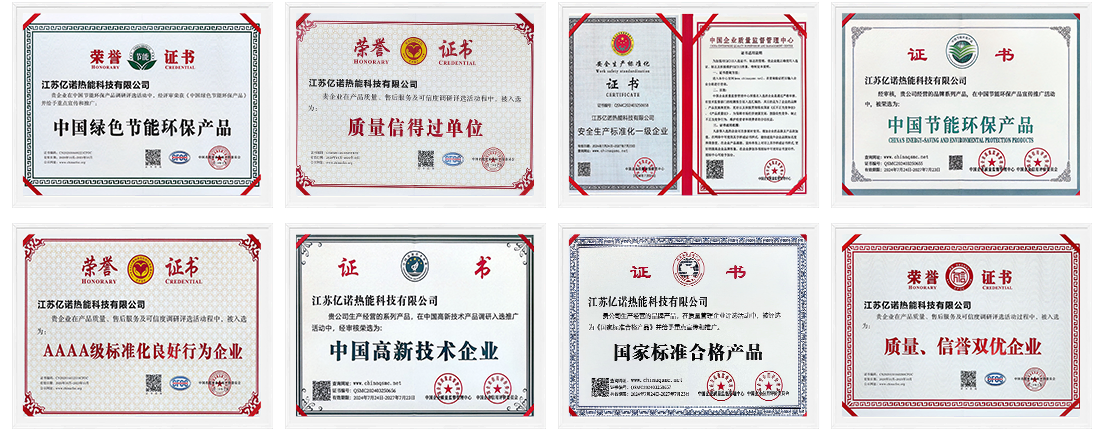
Automatic control engineers work on our team. So do mechanical design engineers and certified quality inspectors. That mix of disciplines covers every part of what we build. Before any system ships, we run it through standard inspection methods. Those checks confirm thermal performance, safety interlock function, and dimensional accuracy.
We stay with a Metal Forge Furnace project from start to finish. It begins with thermal modelling. From there we move to burner optimisation, then site commissioning, then operator training. Once the job is done, your production team gets full documentation. It covers maintenance schedules and refractory inspection techniques. Combustion adjustment procedures are in there too.
FAQ
Q: What is the primary advantage of regenerative product systems over standard designs?
A: Regenerative burners capture waste heat. They use it to warm combustion air to as much as 1000℃. Fuel use falls by more than 30%. Response stays faster than with non-recuperative systems.
Q: How often does refractory lining need an inspection?
Q: Do a visual check each week for cracks or spalling. Run full thermal imaging once a quarter. This finds hotspots that point to insulation breakdown.
Q: Does the temperature stay even enough to meet AMS2750 pyrometry standards?
A: Yes. Our distributed burner configuration achieves ±10℃ tolerance within the effective heating zone, satisfying most industrial forging specifications. Aerospace applications may require additional thermal profiling.
Q: What keeps scale loss down during heating cycles?
A: Burners run at high velocity, so the metal spends less time at peak heat. Combustion atmospheres are controlled too. They stay slightly reducing, which limits oxidation on the surface.
Q: Which safety certifications do your furnaces hold?
A: Our systems comply with NFPA 86 (Standard for Ovens and Furnaces). Flame supervision and emergency shut-off protocols are required. Safety interlocks are in place for operator protection.
Partner With Thermal Engineering Specialists
Email us at info@yinuofurnaces.com to talk about your specific Metal Forge Furnace application needs. We will send detailed technical proposals.