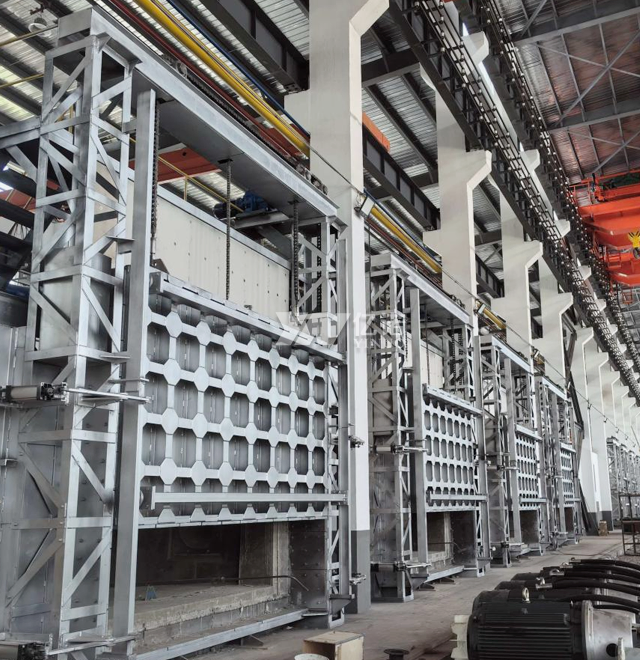
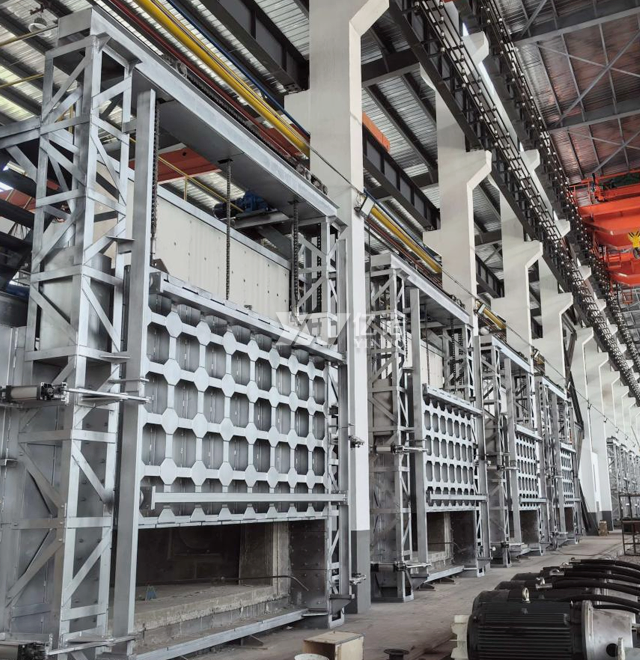
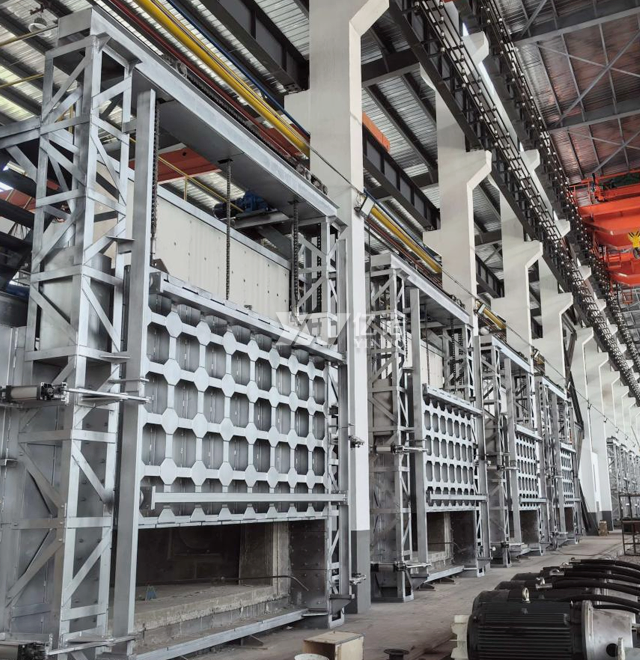
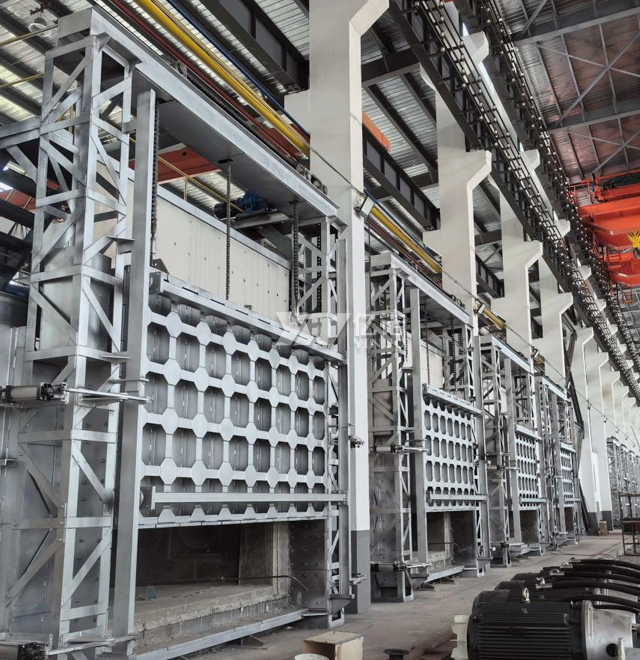
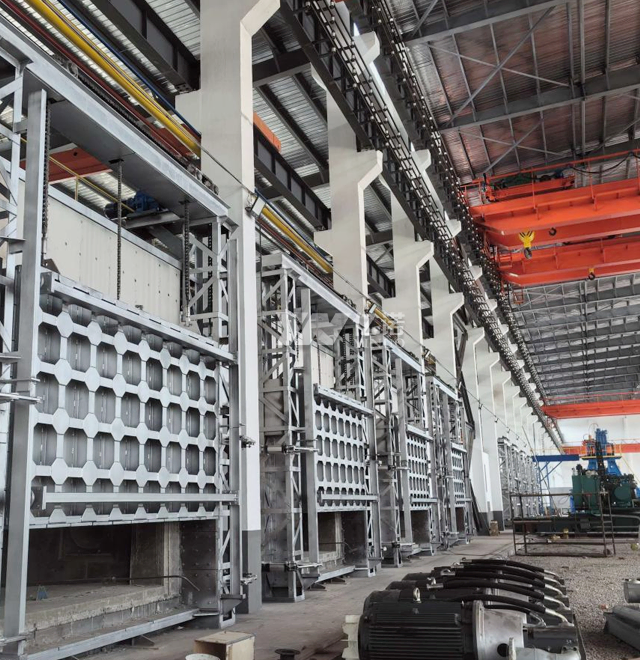
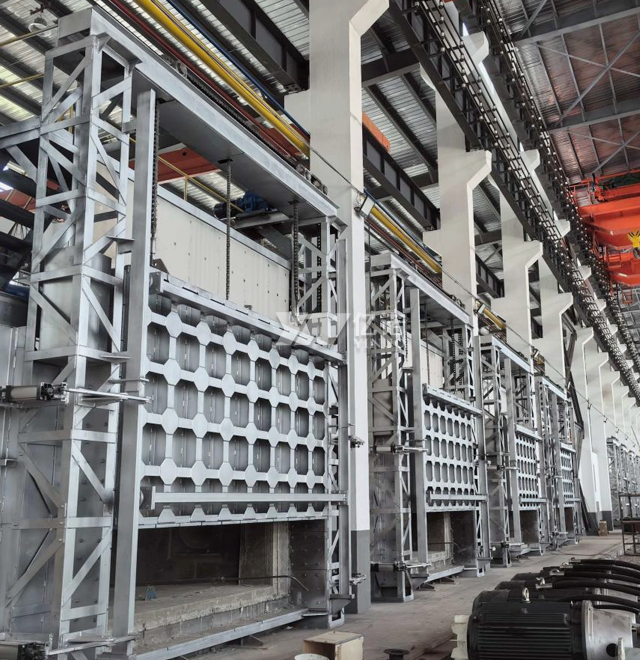
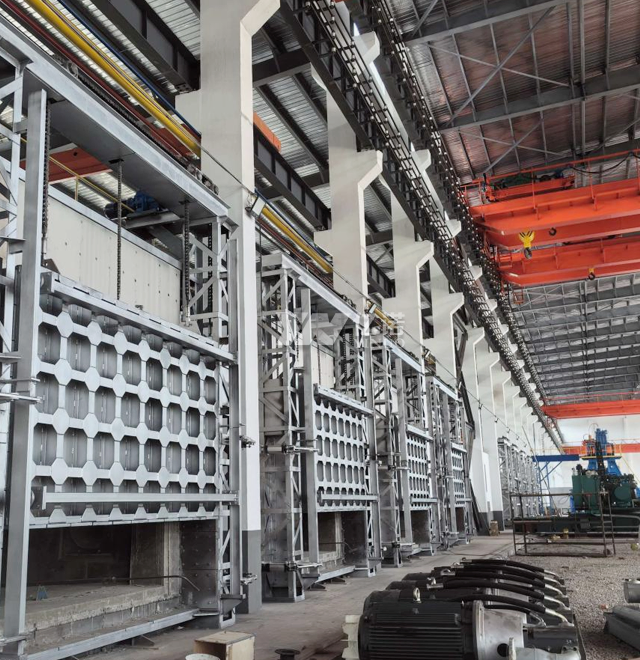
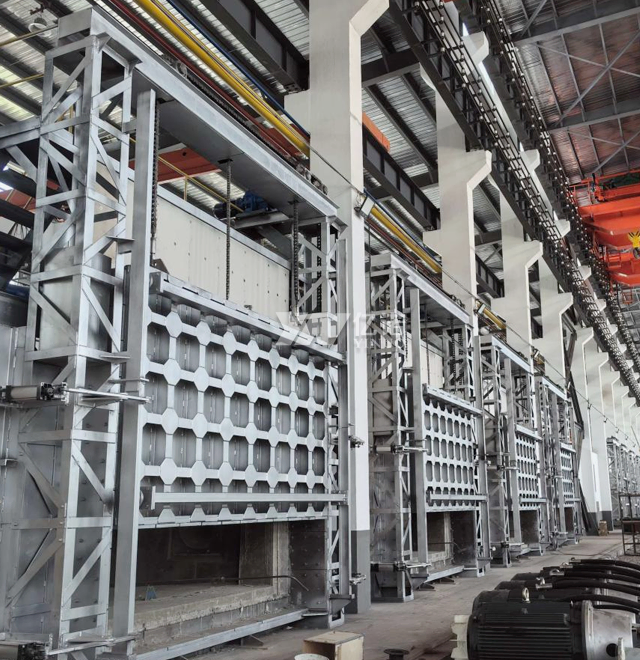
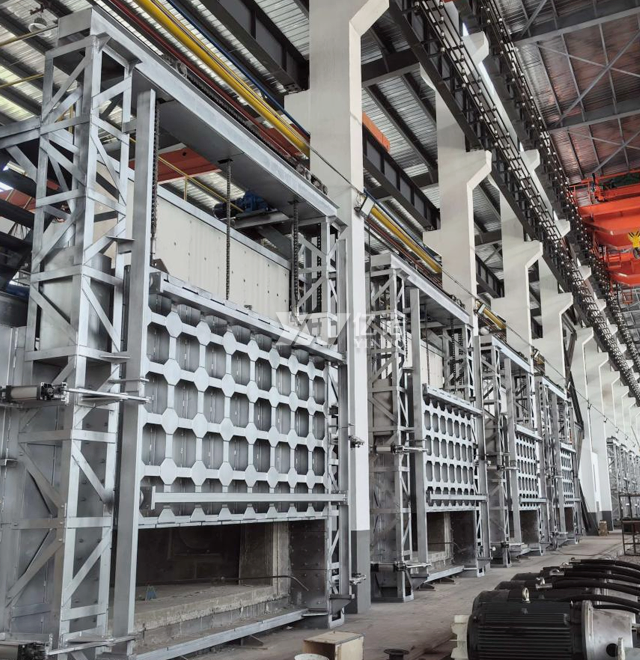
Large Induction Forge System – High-Capacity Electromagnetic Heating Solution for Precision Metal Forging
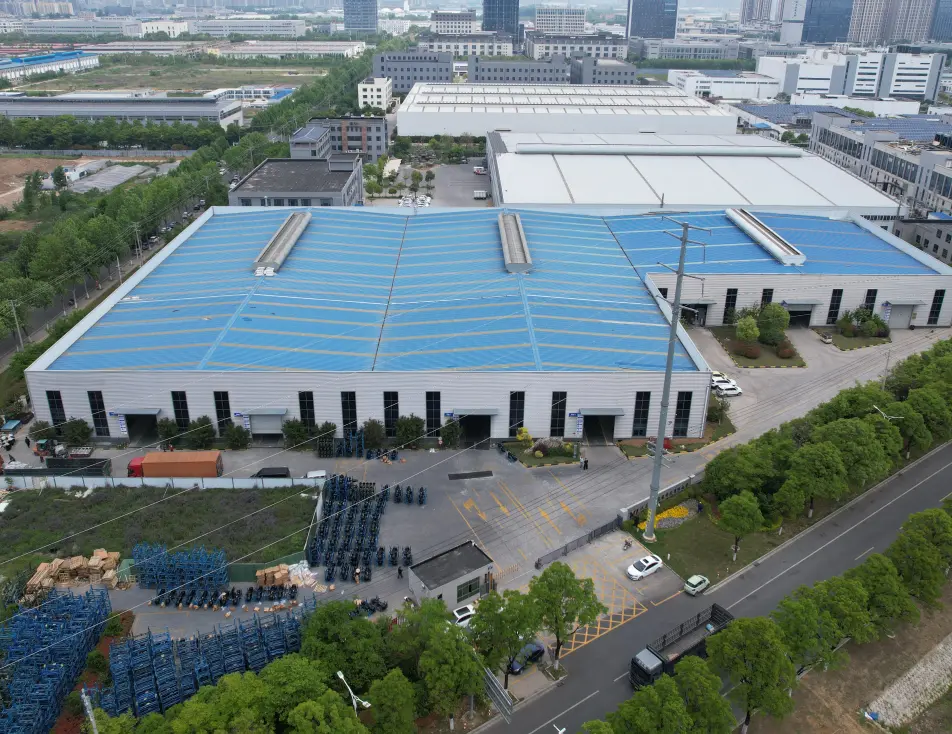
Industrial-grade Large Induction Forge systems come from JIANGSU YINUO THERMAL ENERGY TECHNOLOGY CO., LTD. Melting capacity runs from 0.1t to 50t. Steel goes in. So do iron, copper, aluminum and alloy materials. Ferrous metals peak at 1600–1800℃. Non-ferrous ones top out at 800–1200℃. One melting cycle takes 20–60 minutes. Our production facility covers 20,000㎡ and holds 80 million yuan in fixed assets. More than 100 skilled professionals work there. Before delivery, every unit gets a strict inspection against national and industrial standards. Performance stays steady in high-volume forging work because of that.
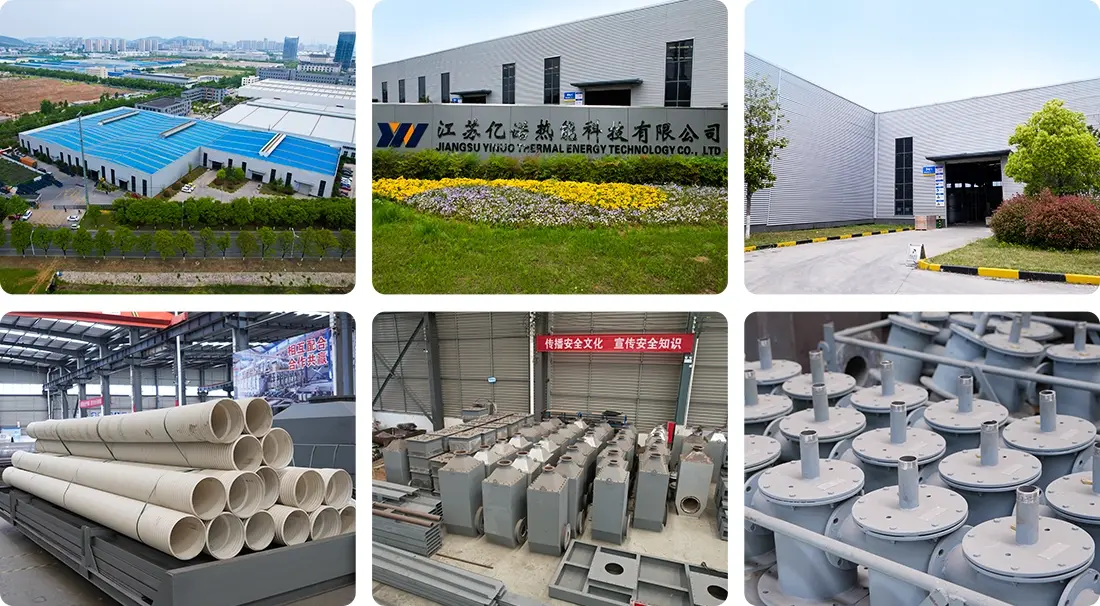
Why Choose Our forge?
Industrial forging work calls for quick heating cycles. Temperature has to stay accurate. Material loss has to stay low too. Old gas fuelled heating systems bleed energy while they sit idle. They also oxidise the surface far too much. Yields fall as a result.
Our product solution addresses these crucial difficulties with electromagnetic induction heating. The device generates heat directly in your metal workpiece by means of eddy currents with no external heat transmission losses. This localised thermal transfer technology reduces the heating time from hours to minutes without losing the core-to-surface temperature homogeneity within ±10°C.
Fast on/off is a real benefit for you. It removes the energy wasted on standby. A closed furnace body cuts oxidation burning loss, which saves 2-3% of total metal weight against traditional furnaces. Raw material costs come down. Throughput goes up as well.
Technical Specifications
| Parameter |
Specification |
| Rated Melting Capacity |
0.1t–50t (steel, iron, copper, aluminum, alloys) |
| Single Melting Cycle Time |
20–60 minutes (varies by metal type and tonnage) |
| Maximum Melting Temperature |
1600–1800℃ (ferrous metals); 800–1200℃ (non-ferrous metals) |
| Hourly Melting Output |
Matched with furnace capacity and power configuration |
| Metal Charging Method |
Manual feeding / Overhead crane / Automatic skip feeding |
| Thermal Efficiency |
80–90% |
| Power Rating |
500kW–5000kW (customizable) |
| Operating Frequency |
500Hz–10kHz (optimized for large diameters) |
| Customization |
Available based on specific requirements |
Core Performance Advantages
Fast Melting & High Production Efficiency
Heat goes straight into the metal with induction heating. No furnace preheat wait. Charging times drop a lot on your line. So do melting and tapping. A fast heat cycle means more output per hour. Labor cost per ton processed goes down as well.
Precise Temperature Control & Stable Molten Metal Quality
Temperature tracking happens in real time. Infrared thermometers are optional and add to it. Between the two, you get full control over heat. Stepless power adjustment holds molten metal temperature even across the whole batch. Casting defects such as porosity and shrinkage cavities drop thanks to that precision. Final product quality goes up.
Low Metal Burning Loss
Inside a closed furnace body, the Large Induction Forge does its work. Molten metal surface temperatures stay low in there. Steel oxidation burning loss sits far below what gas-fired furnaces produce. Copper and aluminum lose just as little. Every production cycle, you keep more of the raw material value.
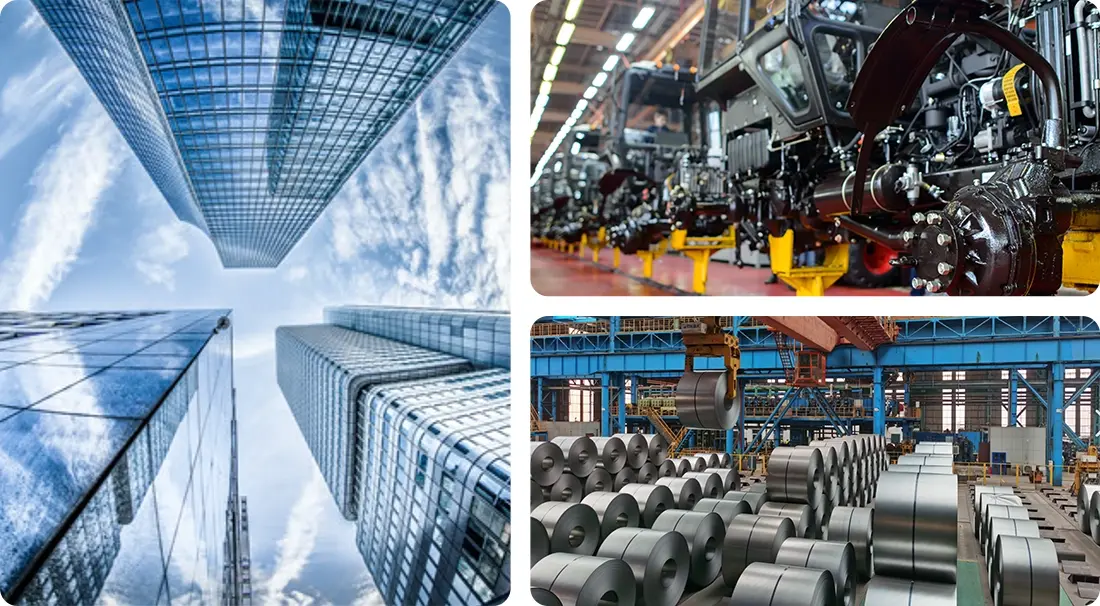
Industrial Applications
Such systems work in tough production settings where precision matters:
Heavy Automotive & Infrastructure: Continuous forging of heavy-duty truck crankshafts, axles, and drivetrain components where repeatable temperature accuracy ensures fatigue resistance.
Aerospace & Defense: Heating superalloys and titanium billets for turbine disk forging, where rapid heating cycles prevent brittle alpha-case layer formation.
Oil & Gas Industry: Pipe-end upsetting and massive drill bit body production, operating reliably in 24/7 duty cycles while maintaining strict temperature uniformity requirements.
Large Induction Forge Quality Assurance & Control
Nothing ships before we inspect it. The billet core must hit forging temperature. At the same time, the surface cannot overheat. Our own quality inspection crew runs temperature uniformity surveys to make that happen. Multi-point infrared pyrometry is the method we use.
When humidity climbs, coil insulation resistance testing lowers the risk of electrical arcing. Inductor failure gets prevented by watching coolant flow and pressure. Harmonic distortion is analysed too. Your facility's electrical grid has to stay steady through high power operations, and that is the goal.
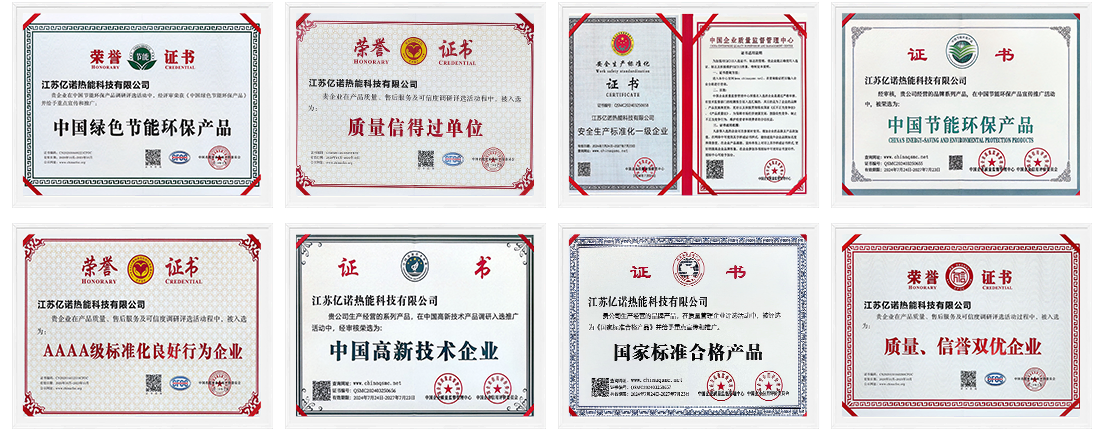
Each system follows national rules and the quality standards set by the industry. In the long run you get steady, dependable performance. That holds true even when Large Induction Forge production conditions get rough.
FAQ
Q: In what way does your induction forge reduce material waste?
A: Heating takes minutes instead of hours. Metal that spends less time at heat builds up less scale and oxidizes less. Set against gas-fired furnaces, you normally keep 2-3% more of the total metal weight.
Q: How long does an induction coil usually last?
A: A coil will run for thousands of production hours if the refractory lining and the water cooling system stay in good shape. Only then does a rebuild come into play.
Q: Is it possible to run several billet sizes on a single system?
A: Yes. Coil designs are modular. Power supplies can adjust frequency (IGBT technology). This gives better heating results when cross-sections and workpiece sizes change.
Q: What kind of water does the cooling system need?
A: Scale will not build up inside copper conductors when the water is high-purity and deionized. Where that scale does form, it can melt the metal in one spot. System failure can follow.
Q: Does the system support digital integration?
A: Yes, newer units come with PLC integration. That means real-time data logging for the thermal profile of each billet. You get full traceability, and the setup works with Industry 4.0.
Get Your Custom Solution Today
Contact our engineering team at info@yinuofurnaces.com for customized Large Induction Forge capacity planning and technical specifications tailored to your production requirements.