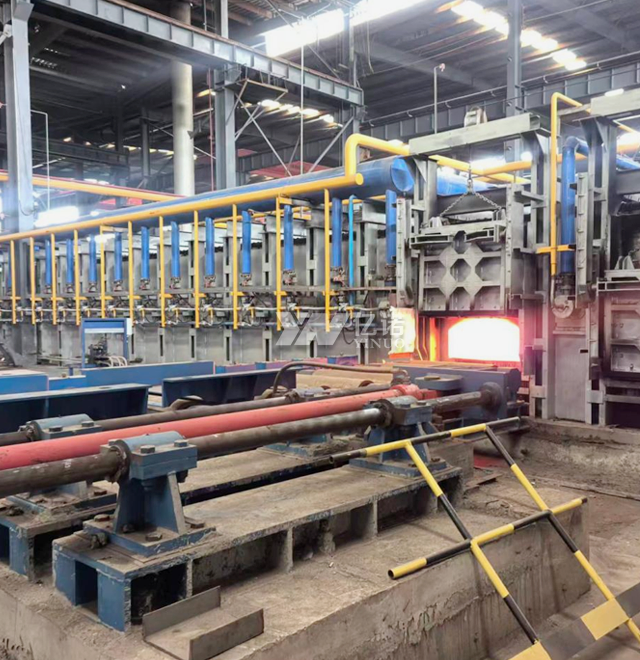
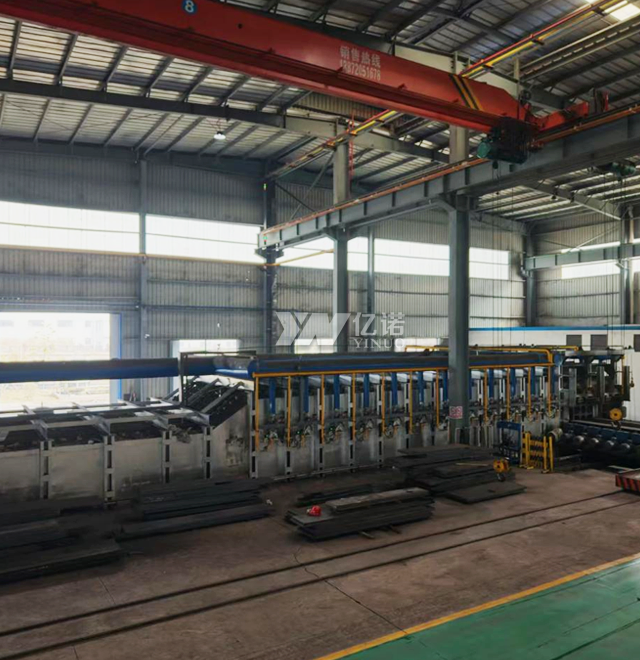
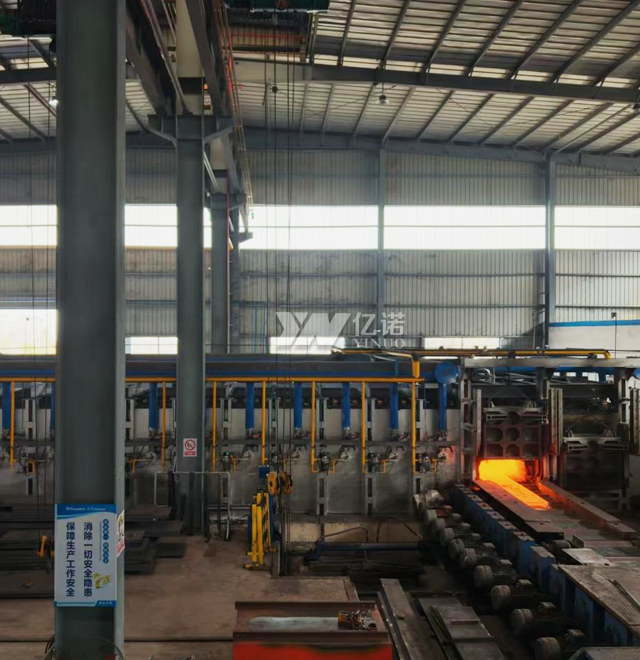
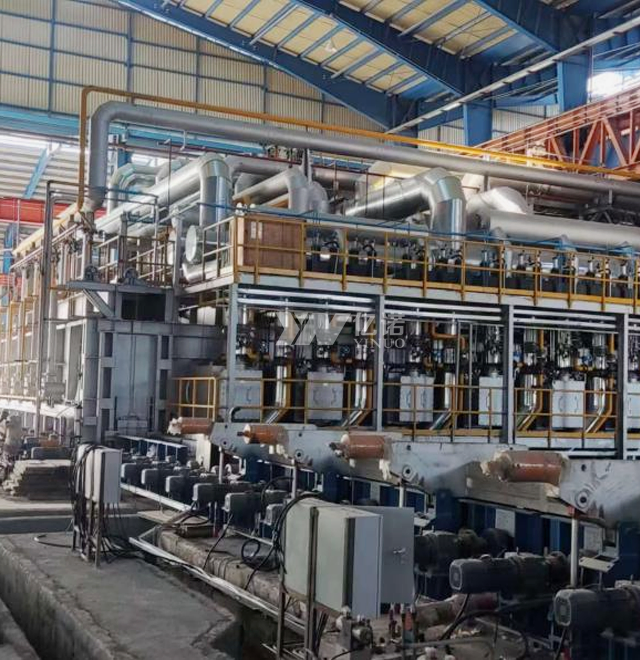
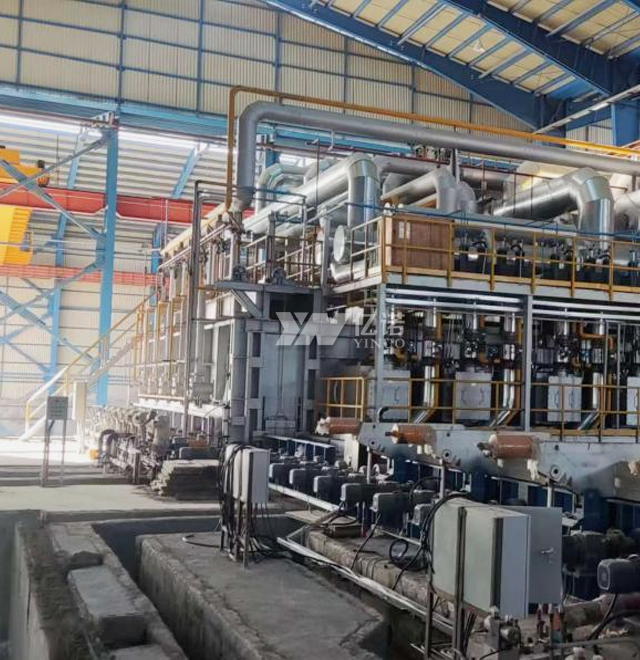
Continuous Pusher Furnace Steel Rolling Mill – High-Capacity Reheating System for Efficient Steel Production
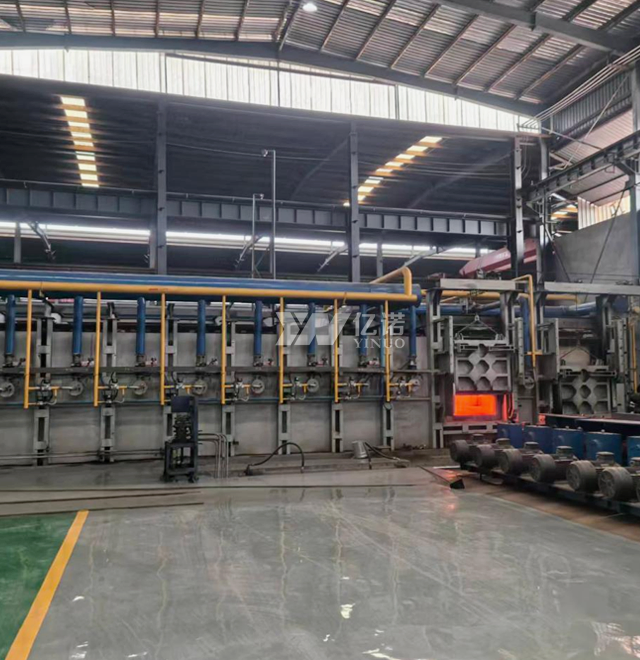
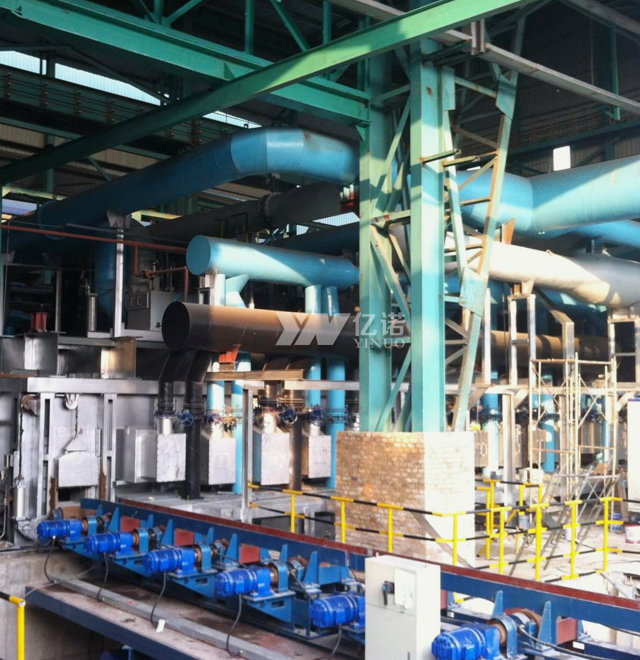
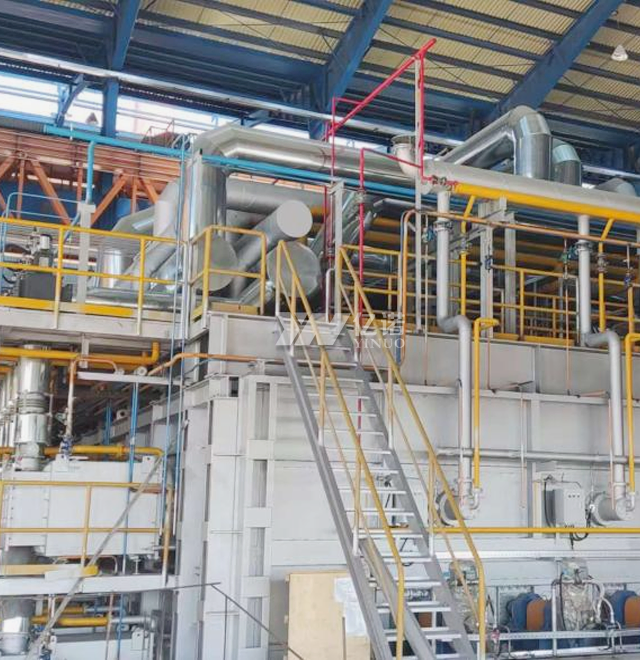
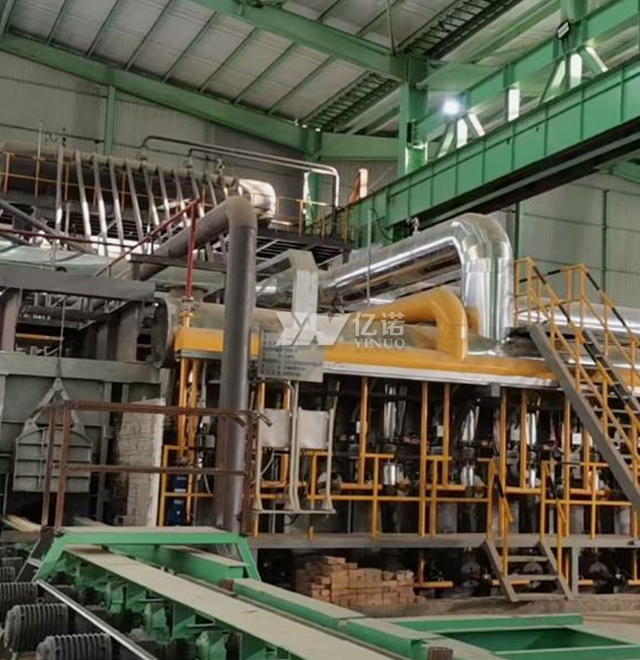
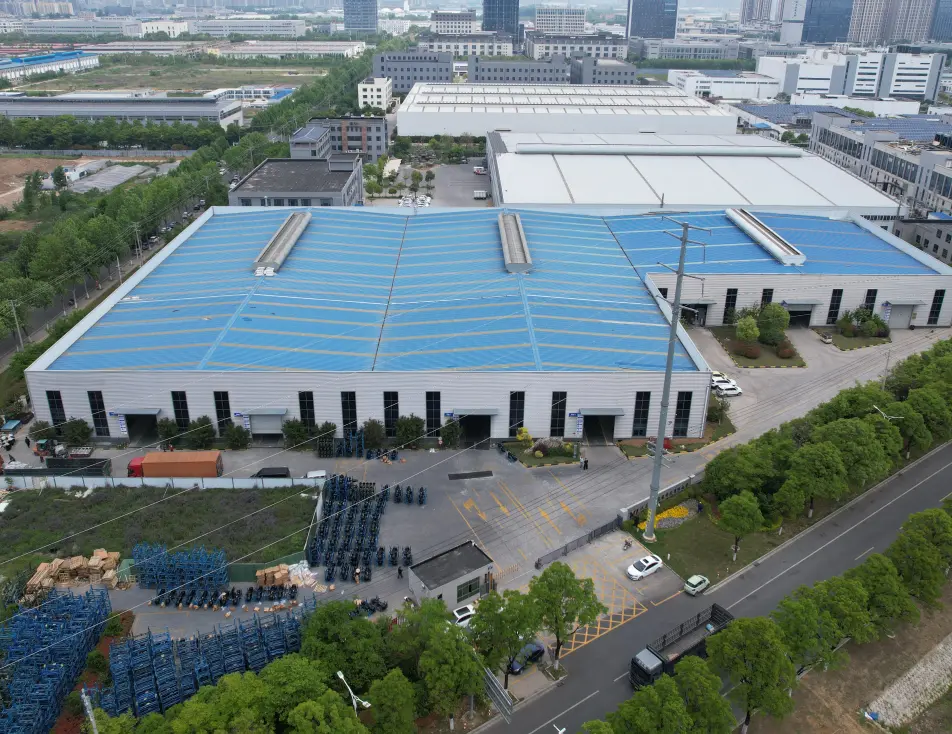
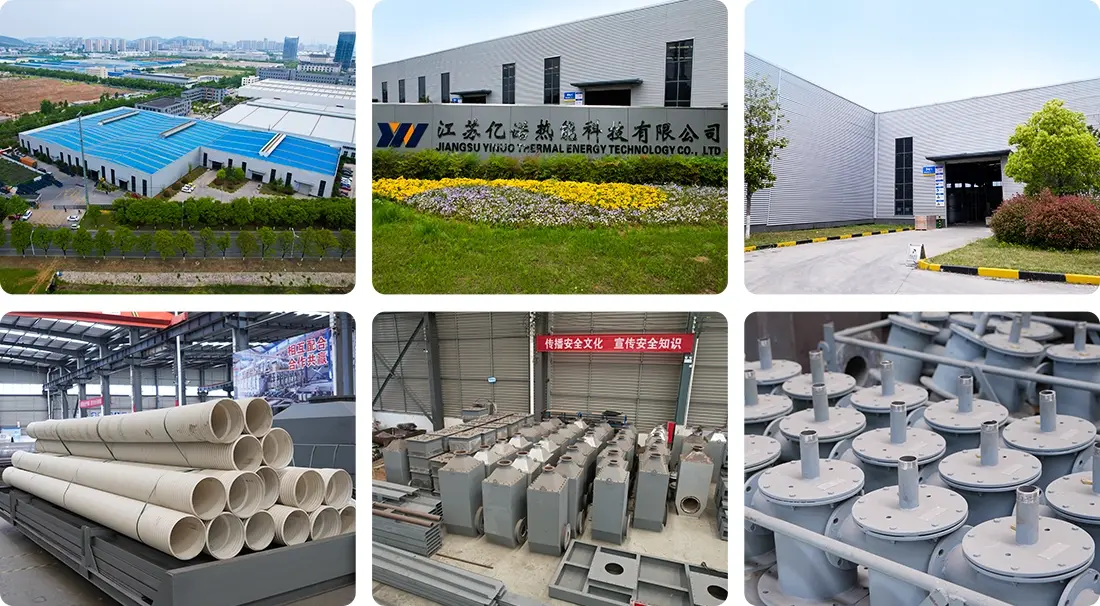
JIANGSU YINUO THERMAL ENERGY TECHNOLOGY CO., LTD builds industrial heating equipment. One of our main lines is the Continuous Pusher Furnace Steel Rolling Mill system, made for steel plants that run high volumes. Our factory covers 20,000㎡. Fixed assets reach 80 million yuan, and more than 100 technical staff work on site. Heating capacity on the thermal processing equipment we supply goes up to 200 t/h. Working temperatures sit between 1150–1250°C. Billets leave our pusher-type reheating furnaces at an even heat. Energy use can drop to roughly 1.1 GJ/t steel. Rolling lines keep running without stops, and the cost per ton stays low.
What Makes Our Pusher Reheating Furnace Essential for Your Steel Mill?
You need heating systems that deliver consistent temperature uniformity, reduce operational complexity and provide high throughput for your steel rolling business. Our device meets these important requirements with established mechanical design and modern combustion technology.
The system operates by automatically moving billets through several heating zones – preheating, heating and soaking – guaranteeing each piece of steel is at the precise rolling temperature your downstream processes want. This arrangement overcomes the thermal stratification difficulties typical to batch furnaces and delivers consistently heated material to your rolling stands.
You get lower capital investment than walking beam alternatives, faster construction schedules that eliminate project delays and simplified operation that reduces your training needs. The rugged hydraulic pusher system handles regular and special-shaped billets efficiently and adapts seamlessly to your production mix without sacrificing throughput.
Technical Specifications
| Item |
Specification |
| Furnace Type |
Pushing Reheating Furnace |
| Fuel Types |
Blast Furnace Gas (BFG), Mixed Gas, Producer Gas, Natural Gas |
| Applicable Steel Grades |
Structural Steel, Low-Alloy Steel, Reliable Carbon Steel |
| Billet Types |
Standard Billets, Special-Shaped Billets |
| Charging & Discharging Methods |
End Charging & Side Discharging, Cantilever Roller Discharging, Hydraulic Pusher Charging |
| Combustion System |
Dual-Regenerative Air-Gas System, Single-Regenerative Air System, Conventional Recuperative Combustion System |
| Heating Capacity |
Up to 200 t/h |
| Heating Temperature |
1150–1250°C |
| Hearth Cooling Method |
Evaporative Cooling or Water Cooling |
| Comparable Energy Consumption |
Approximately 1.1 GJ/t Steel |
| Customization |
Available based on customer requirements |
Core Advantages for Your Rolling Operation
Lower Investment and Faster Deployment
Time decides your project. A pusher furnace design costs far less to build than a walking beam system of the same class. Construction takes up to 30% less time as well. Equipment shows up ready to produce, so your money comes back sooner.
Simplified Operation and Maintenance
A pushing system keeps the mechanics simple. Fewer parts move, compared with the beam mechanisms in other designs. Repair work takes less of your maintenance team's time. Operators need far less training. Both points matter when you watch labor costs and training budgets.
Flexible Fuel Compatibility
Our combustion systems burn blast furnace gas, mixed gas, producer gas, or natural gas. Whichever of those you can get hold of, the equipment runs on it. A fuel supply problem will not shut you down. Prices move around, and you can adjust your pick to suit the cost at the time.
Optimized Thermal Performance
Skid pipe coverings with thick insulation stop cold spots from forming. Those cold spots are what damage product quality. Longer soaking zones bring the whole piece up to an even temperature. Billets reach the rolling stands with the same heat all the way through. Dimensional variation drops, and the finished steel ends up with better mechanical properties.
Applications Across Steel Production Environments for Continuous Pusher Furnace Steel Rolling Mill
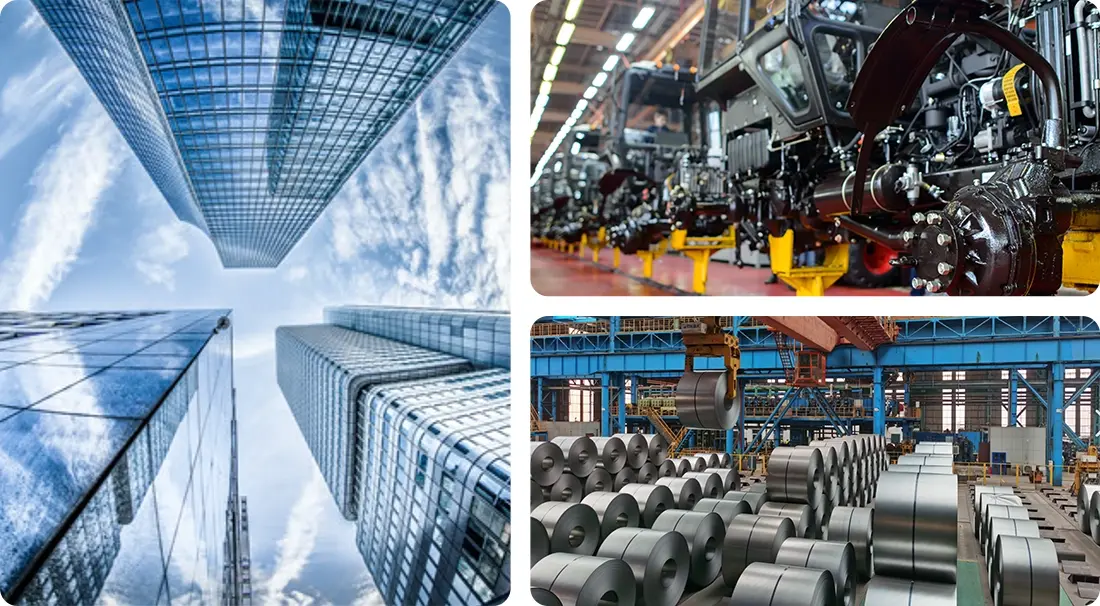
High-Volume Rebar and Wire Rod Mills
Say your line runs standardised square billets for continuous rebar or wire rod. Then our Continuous Pusher Furnace Steel Rolling Mill keeps material moving at the steady rate your high-speed finishing blocks need. Discharge temperatures hold steady, even through long production runs.
Medium Section and Profile Rolling
Mill pacing never stays flat. On I-beams, channels, and angle lines, holding temperature steady is the real challenge. Heat flux is managed with care by our multi-zone combustion control. Pace swings come with the territory in profile rolling, and billet quality still comes through intact.
Specialty Alloy Processing
Some jobs involve high-carbon or tool steels, and those need tight control of the furnace atmosphere. Controlled oxygen levels are built into our furnace design to keep decarburization low. Material specs hold for the whole heating cycle. That protects what premium alloys are worth.
Quality Assurance and Performance Monitoring
No furnace leaves before a full inspection. National and industrial standards set the checklist. Your equipment is checked against the specified performance criteria through our quality management system.
Multi-point thermocouple testing checks how evenly temperature is held. During these tests, delta T stays inside ±10°C in the soaking zones. Metal loss is tracked with scale loss analysis. Precision air-fuel ratio control keeps that loss under 1.5%.
Every hydraulic pusher system goes through pressure testing. The goal is to show the charge moves reliably, with no stick-slip vibration. Refractory integrity of Continuous Pusher Furnace Steel Rolling Mill is checked by thermographic scanning. This finds hot spots or lining wear before installation.
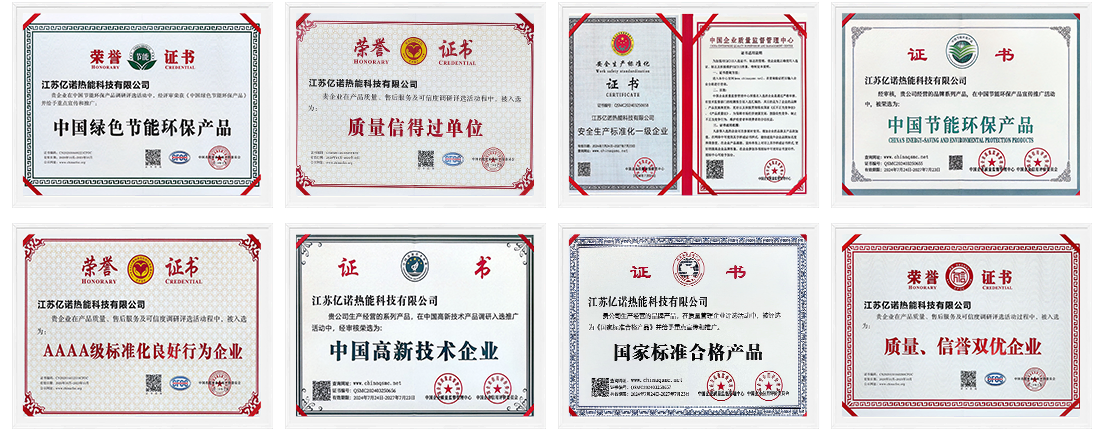
FAQ
Q: How do you prevent 'skid marks' or cold spots on the heated billets?
A: We fit high-insulation coverings on the skid pipes. We also tune the soaking zone length so heat can even out by conduction.
Q: How long does the refractory normally last in this kind of furnace?
A: Our high-alumina monolithic linings usually hold up for 5 to 8 years. That figure assumes maintenance is done the standard way and the heat-up and cool-down cycles stay under control.
Q: Will the system work with billets of different lengths?
A: Yes, the pusher stroke is PLC-controlled and can be adjusted for different billet lengths, provided they meet the hearth's width requirements.
Q: How does the system manage energy during mill delays?
A: The automation system includes a 'holding mode' that automatically ramps down burner output and adjusts furnace pressure to minimize fuel waste and scale growth.
Q: Can modern burners be fitted to older pusher furnaces that are already in service?
A: Yes, that is no problem. Retrofits on older units are a regular job for us. We swap in high-velocity regenerative burners and add PLC-based combustion management systems, which can push efficiency up by as much as 25%.
Partner With Yinuo for Complete Heating Solutions
Ready to enhance your steel rolling operation with Continuous Pusher Furnace Steel Rolling Mill? Contact us at info@yinuofurnaces.com to discuss your specific heating requirements and production goals.