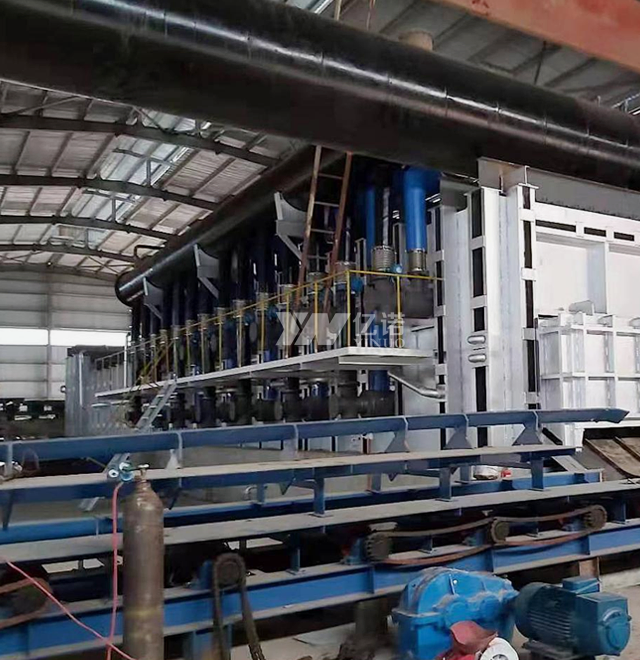
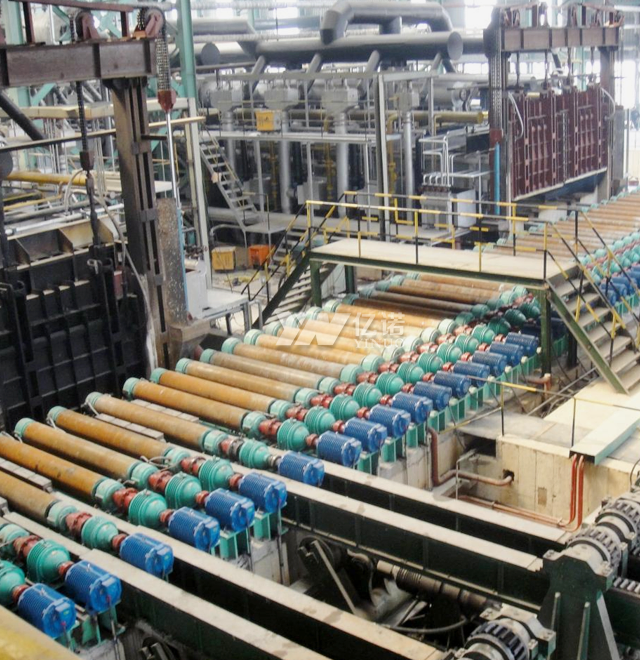
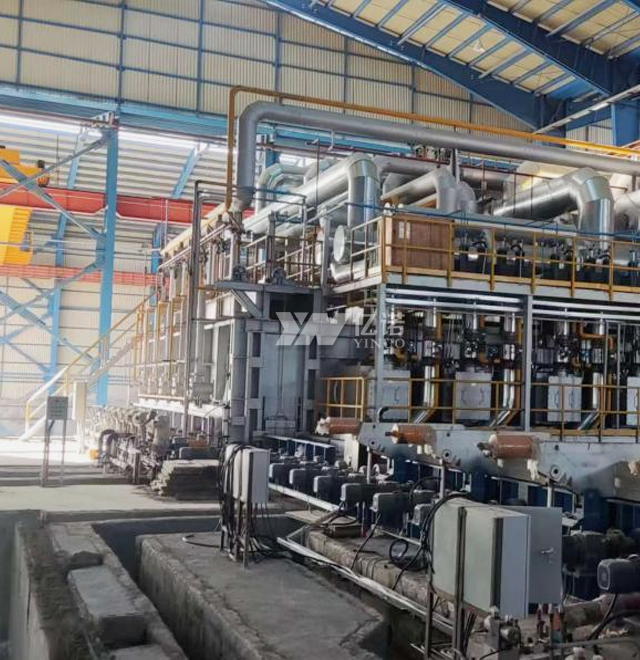
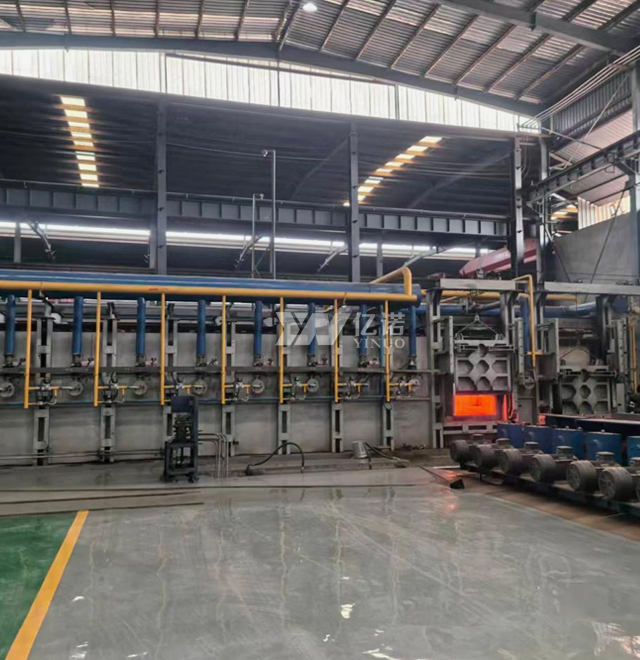
Walking Beam Furnace Low Nox Burner – Advanced Emission Control Solution for Industrial Steel Reheating
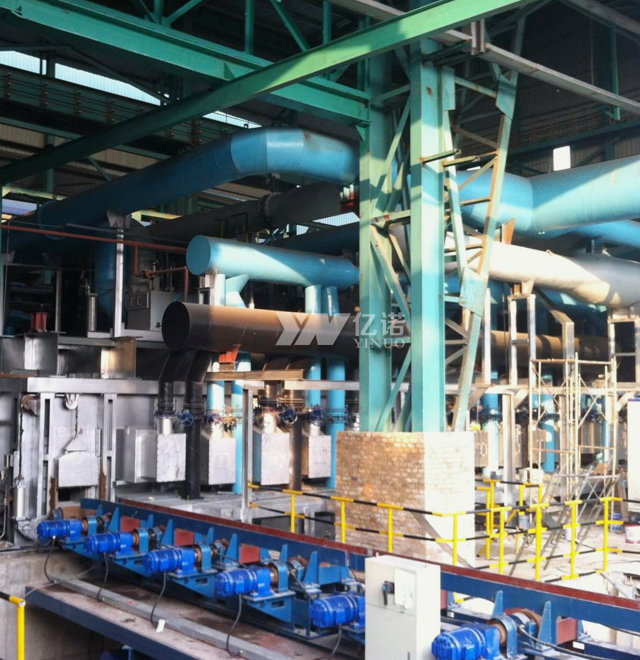
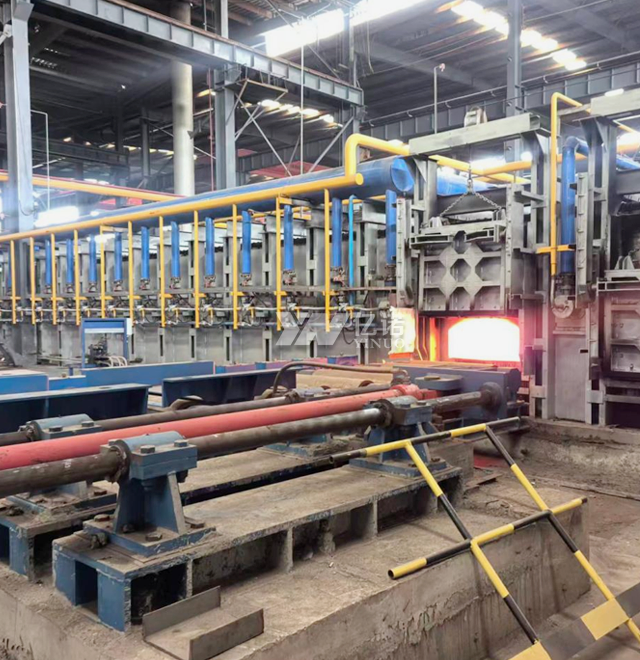
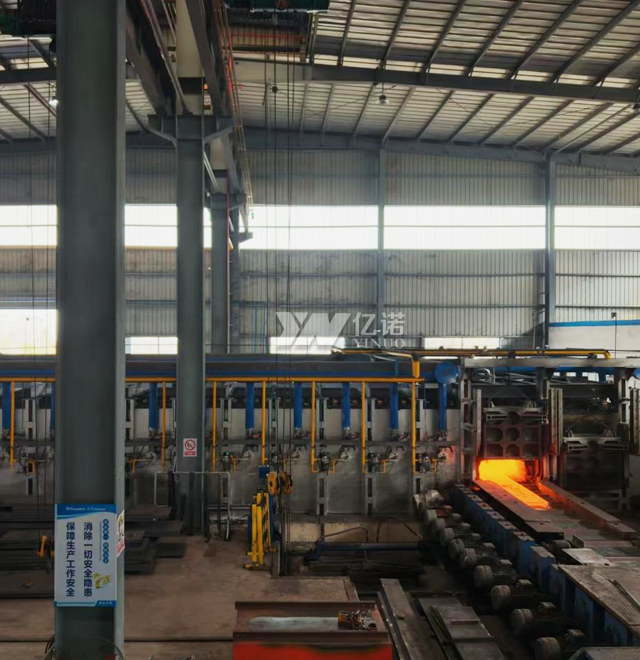
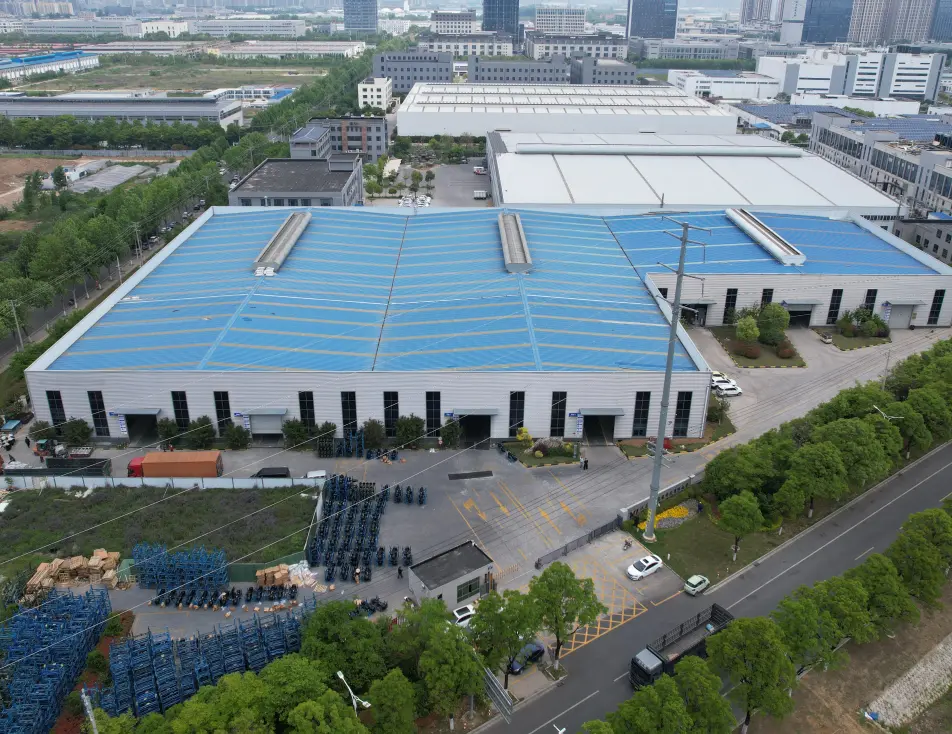
JIANGSU YINUO THERMAL ENERGY TECHNOLOGY CO., LTD focuses on advanced combustion technologies for industrial heating processes. Our Walking Beam Furnace Low Nox Burner was made to meet two demands at once: environmental compliance and energy efficiency in steel reheating lines that run nonstop. The design uses advanced combustion strategies, such as fuel staging and internal flue gas recirculation. With those methods, NOx emissions stay below 50mg/Nm³ at 3% O2. Unit heat consumption holds at ≤1.05 GJ per ton of steel. Heating capacity reaches 350 t/h for slabs and 200 t/h for billets. Working temperatures sit between 1150–1250°C. Thermal performance stays steady, and oxidation loss rates remain under 0.9%.
Why Choose Low NOx Combustion Technology for Your Walking Beam Furnace?
Modern steel production faces tighter rules on nitrogen oxide emissions. Output and product quality still have to hold. Steel reheating needs high temperatures. With ordinary burners, those temperatures create too much thermal NOx. That leads to compliance problems and wasted operating effort.
During the heating process, you need for exact temperature control to prevent surface flaws and minimise scale formation. Our device meets these criteria through designed combustion staging that produces a fuel rich primary zone that greatly reduces peak flame temperatures where thermal NOx production occurs.
Many fuel types work with this burner: natural gas, blast furnace gas, mixed gas and producer gas. That means you can use it anywhere in your plant. Fuel costs can be optimised, and pollution criteria still get met.
Technical Specifications
| Parameter |
Specification |
| Applicable Fuels |
Natural gas, blast furnace gas, mixed gas, producer gas |
| Heating Capacity |
Max. 350 t/h (slab); Max. 200 t/h (billet) |
| Operating Temperature Range |
1150–1250°C |
| NOx Emission Level |
≤50mg/Nm³ at 3% O2 |
| Turndown Ratio |
8:1 to 10:1 |
| Preheated Air Temperature |
Up to 600°C |
| Construction Materials |
310S stainless steel, silicon carbide components |
| Excess Air Operation |
10–15% |
| Unit Heat Consumption |
≤1.05 GJ/t steel |
| Customization |
Available based on specific requirements |
Core Performance Advantages
Proven Emission Reduction
Thermal NOx never gets a chance to form in our staged combustion design. The burner controls how air and fuel mix, and it keeps flame temperatures in check. Emissions stay at levels that meet or beat EPA and EU IED rules.
Enhanced Fuel Efficiency
Running with low excess air cuts wasted energy. The recuperator works with preheated combustion air up to 600°C. That recovered energy lowers operating costs and shortens the payback on your investment.
Strong Temperature Uniformity
Flame geometry is engineered with precision, so hotspots do not build up on steel surfaces. Consistent metallurgical properties across your billets and slabs depend on that even heat. Fewer quality problems follow downstream in rolling operations.
Operational Flexibility
A turndown ratio of 8:1 to 10:1 gives you tight control when the furnace idles, ramps up, or runs flat out. Burner output then follows what production actually needs. Operators get a fast response, and stability does not suffer.
Minimized Surface Oxidation
Less oxygen at the steel surface means less decarburization and less scale loss. Oxidation rates stay under 0.9%. That keeps more of your raw material value and cuts finishing costs.
Industrial Applications for Steel Processing with Walking Beam Furnace Low Nox Burner
Steel Billet and Bloom Reheating
Long products need even heating before rolling. High-capacity mills depend on it for downstream quality. Flame geometry on our Walking Beam Furnace Low Nox Burner is tuned to stop local temperature swings. Product dimensions and mechanical properties stay consistent.
Hot Strip Mill Slab Reheating
Production lines get tough. Pressure swings and changing throughput rates happen all the time, and a burner still has to keep working. This one holds a steady flame through all of it. Heavy slabs come up to exactly 1250°C, the rolling temperature your hot strip operations need.
Specialty Alloy Processing
High-carbon and silicon steels need care. A controlled atmosphere with low oxygen is what keeps the process safe. Staged combustion from the burner protects the alloy composition. That matters most during the long residence times you get with walking beam transport.
Quality Assurance and Testing Protocols
Every unit is checked hard during manufacturing, because your environment will not be gentle and the hardware has to last. Before production starts, each product goes through CFD simulation analysis. Flame patterns and NOx trajectories get validated that way.
Every weldment goes through material integrity testing. That covers ultrasonic and radiographic examination. Positive Material Identification then confirms the alloy specifications. Combustion performance trials come next. They check flame stability and ignition reliability. Actual emission measurements are taken too, across the full modulation range.
Dimensional accuracy gets special attention. Nozzle geometry decides the mixing characteristics that low NOx performance depends on. Fuel gas and air manifolds for the Walking Beam Furnace Low Nox Burner are pressure tested to 1.5x operating pressure. That proves zero leakage over the whole service life.
FAQ
Q: How does staged combustion reduce NOx emissions?
A: The burner makes a fuel rich first combustion zone. Oxygen is kept low in that zone. NOx has a harder time forming there. A second zone then finishes burning the fuel. Flue gas drawn into the flame lowers peak flame heat. That heat is the main cause of thermal NOx.
Q: Could your burner be retrofitted into the walking beam furnace we already have?
A: Yes. Retrofits can work after a compatibility check. Our engineers will look at your furnace refractory setup and the burner tile design. They will also review the PLC combustion control system you already have. That assessment makes sure staged air and fuel ratio management fits in correctly.
Q: What maintenance intervals should we expect?
A: Once a year, plan a full internal inspection of the burner heads and the flame detection systems. Check the air-gas ratio linkages every month. That keeps performance where it should be. This routine also cuts unplanned downtime and gives the components a longer service life.
Q: Does the low NOx flame affect detection reliability?
A: Modern flame scanners get calibrated to pick up the spectral signature of low-NOx combustion. UV/IR detectors with high sensitivity keep the safety interlocks working across the whole operating range of the burner.
Q: Which fuel alternatives will work with your burner design?
A: Natural gas is what we optimize for. Even so, our engineering team can set the burner up for coke oven gas, blast furnace gas, or multi-fuel running. We change the nozzle design to match the calorific value and the combustion behaviour of whatever fuel you have on hand.
Partner with YINUO for Complete Heating Solutions
Got a project in mind? Write to our technical team at info@yinuofurnaces.com. Tell them how you plan to use the Walking Beam Furnace Low Nox Burner.