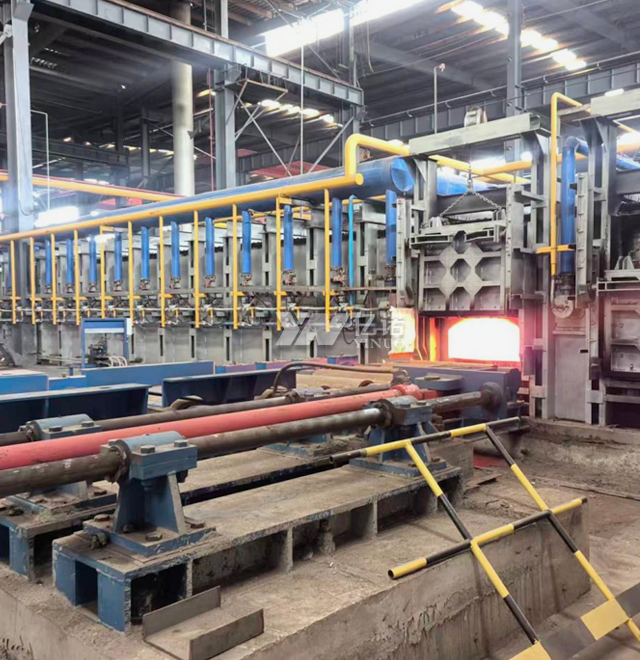
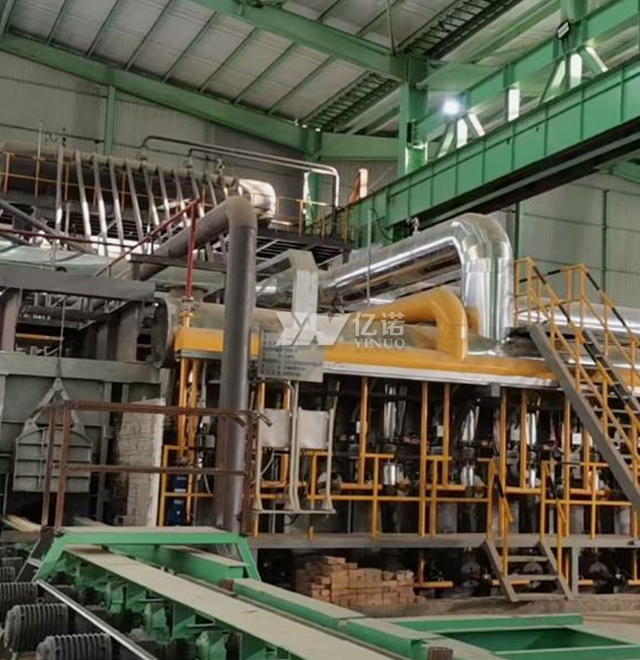
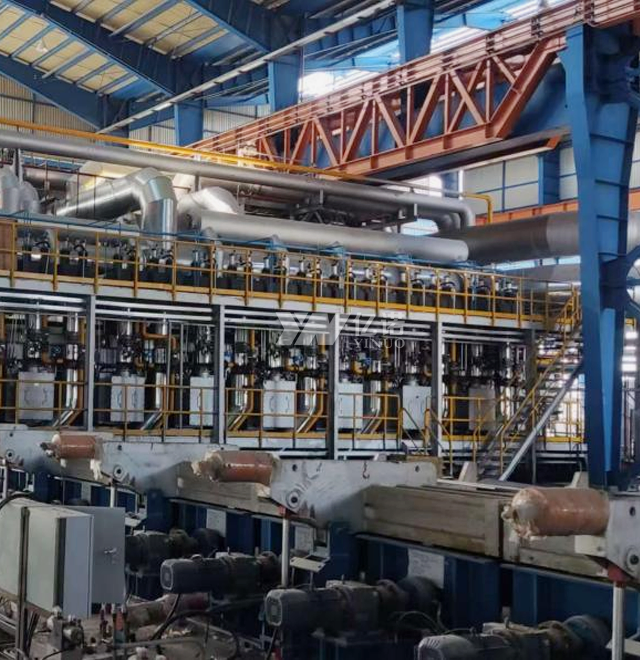
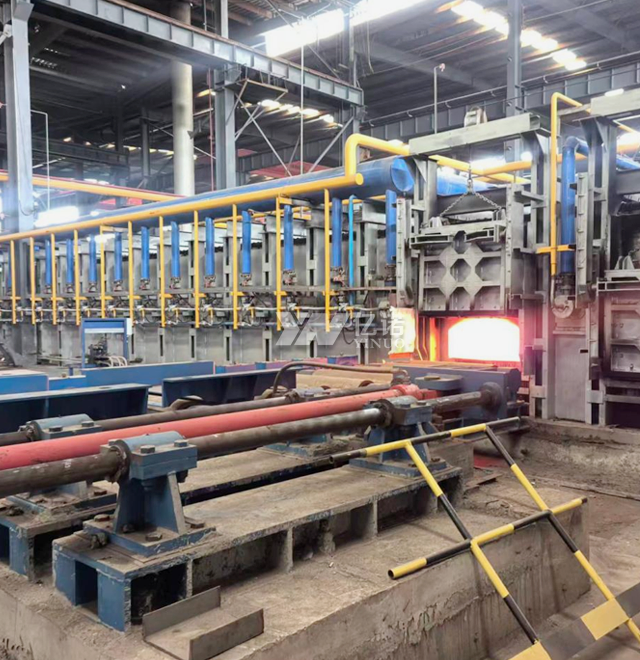
Pusher Hearth Furnace For Steel Bar - High-Efficiency Continuous Reheating Solution for Industrial Steel Processing
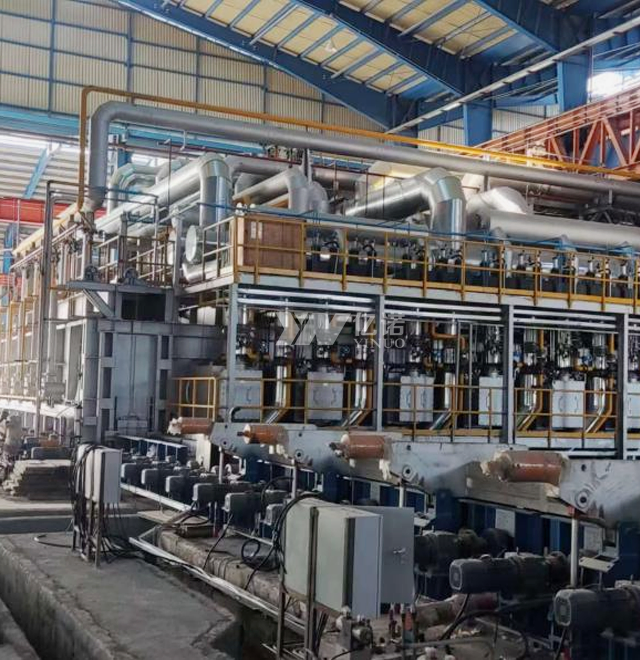
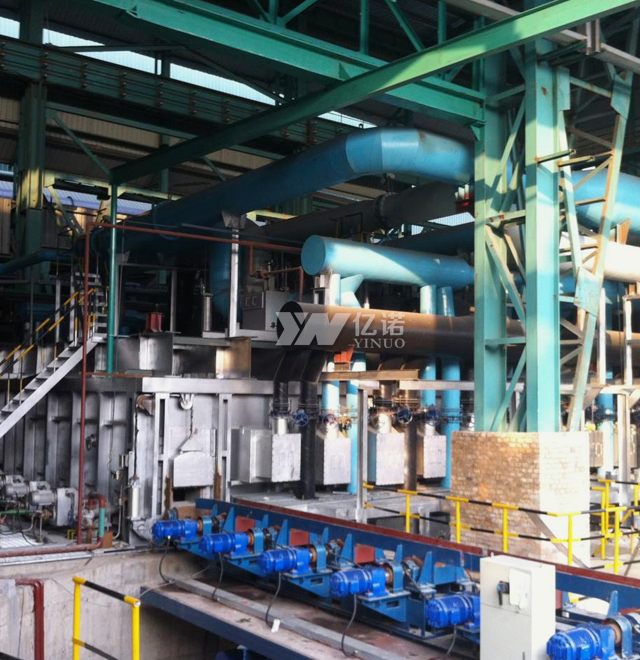
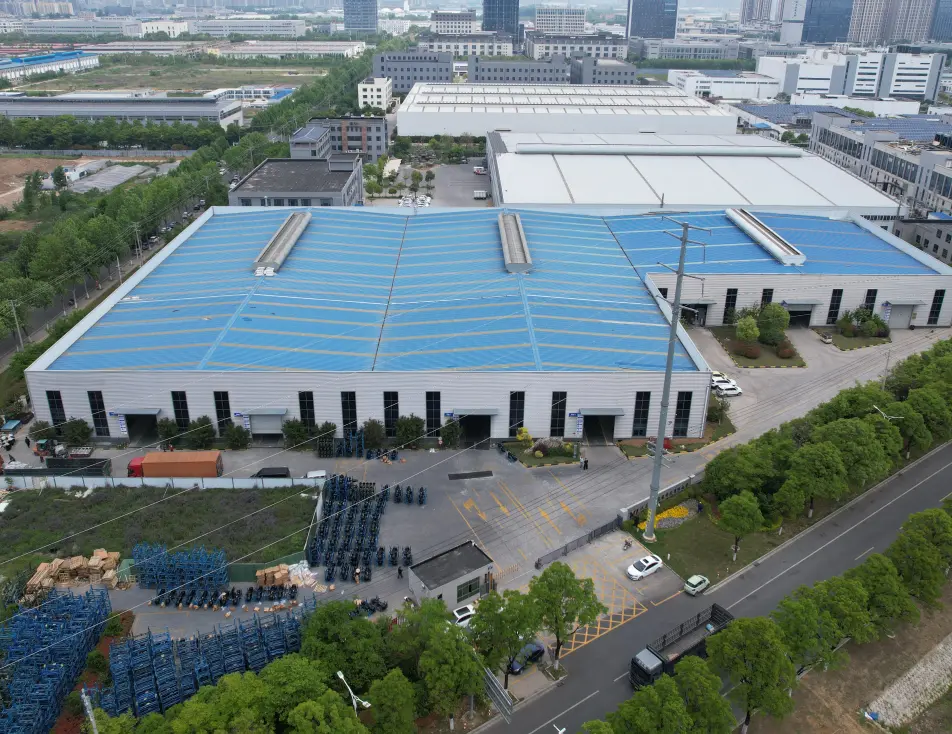
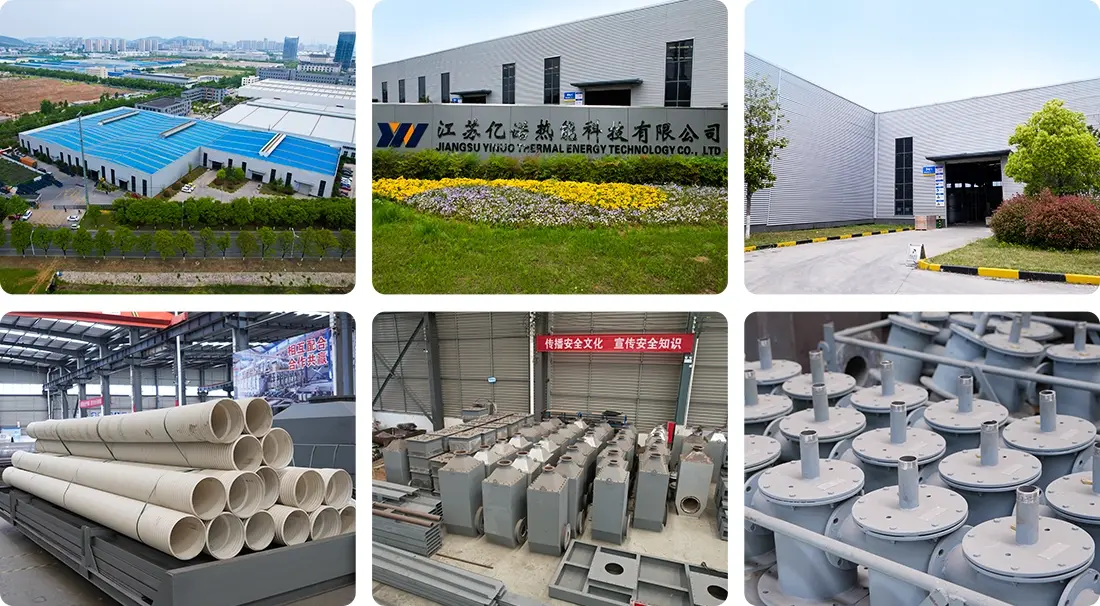
Systems like the Pusher Hearth Furnace For Steel Bar come from JIANGSU YINUO THERMAL ENERGY TECHNOLOGY CO., LTD. Steel plants put them to work reheating bars, and the run never stops. Our factory covers 20,000㎡. Fixed assets total 80 million yuan. More than 100 trained specialists are on site. One unit takes up to 200 t/h. Heat sits in the 1150–1250°C band. Roughly 1.1 GJ per tonne of steel is what our pushing reheating furnaces use. Blast furnace gas can fire them. Natural gas and mixed gas suit them too. Structural steel goes through fine. Low-alloy and carbon steel grades do the same.
What Is Bar?
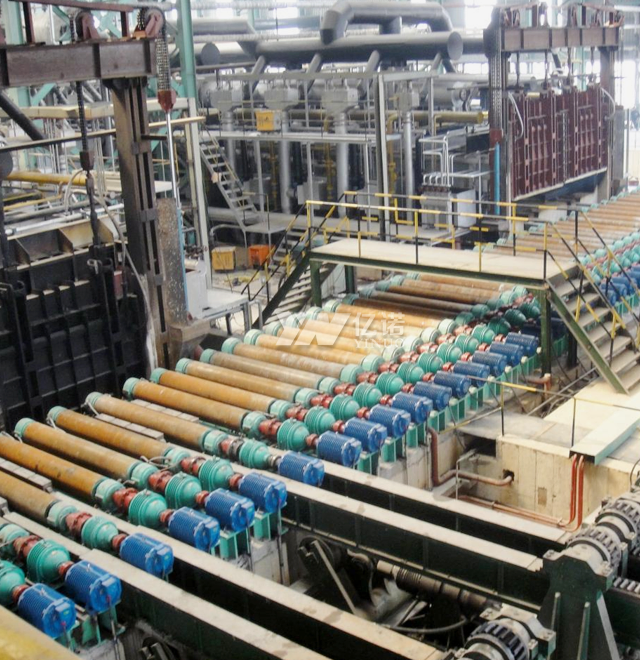
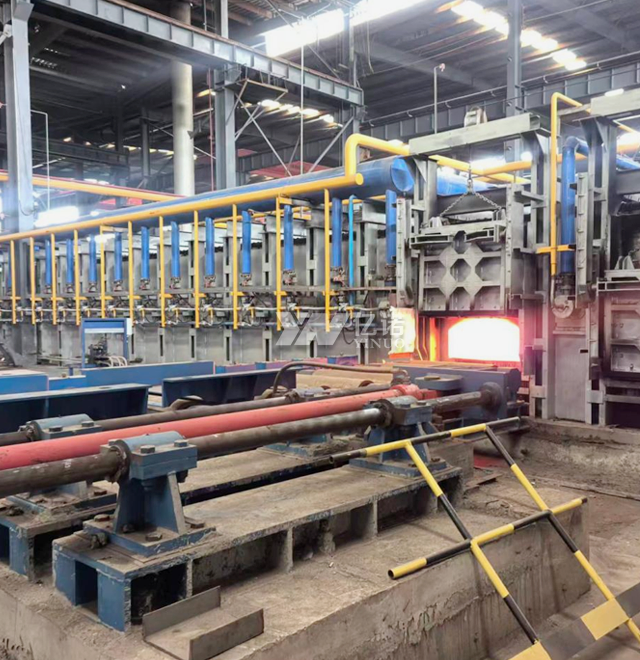
Billets, blooms, and bars get reheated to forging or rolling temperature here. The job runs without a break in the cycle. This unit works as a continuous heating system. Steel is pushed through the furnace hearth by a pusher, mechanical or hydraulic. Water-cooled skids carry the load along the way. Refractory rails do that same job.
Heat spreads out evenly in this design. The core and the surface end up at close to the same temperature. Long spells of oxidation also throw off less scale. Manual loading is a must on batch-type furnaces, and the continuous design drops that cost. Hot rolling or forging down the line gets a steady flow of material. There is no waiting on a cycle.
The concept overcomes major problems in the industry of uneven temperature gradients, high oxidation and labour expensive batch processes. You will be metallurgically ready for production without bottlenecks thanks to continuous throughput.
Technical Specifications
| Item |
Specification |
| Furnace Type |
Pushing Reheating Furnace |
| Fuel Types |
Blast Furnace Gas (BFG), Mixed Gas, Producer Gas, Natural Gas |
| Applicable Steel Grades |
Structural Steel, Low-Alloy Steel, Reliable Carbon Steel |
| Billet Types |
Standard Billets, Special-Shaped Billets |
| Charging & Discharging Methods |
End Charging & Side Discharging, Cantilever Roller Discharging, Hydraulic Pusher Charging |
| Combustion System |
Dual-Regenerative Air-Gas System, Single-Regenerative Air System, Conventional Recuperative Combustion System |
| Heating Capacity |
Up to 200 t/h |
| Heating Temperature |
1150–1250°C |
| Hearth Cooling Method |
Evaporative Cooling or Water Cooling |
| Energy Consumption |
Approximately 1.1 GJ/t Steel |
| Customization |
Available Based on Customer Requirements |
Key Advantages of Our Heating Systems
Industrial steel processing gets real, measurable gains from our Pusher Hearth Furnace For Steel Bar:
Lower Investment and Faster Deployment: Less money is needed up front. The reason is simple: the mechanical design has fewer parts. Building one also takes less time than a walking beam or roller hearth setup. That means your plant starts producing at full capacity sooner. And the project carries less risk.
Simple Operation and Maintenance: A plain pusher mechanism is easy to run. Training costs stay low because operators need fewer skills. Standard technical teams can handle the routine maintenance. No specialized expertise is required.
Flexible Fuel Compatibility: The combustion system can run on many fuel sources. Blast furnace gas is one. Natural gas is another. Running costs can then be matched to what your region has available and to how prices move.
High Thermal Efficiency: With regenerative burners, waste heat gets pulled back out of the flue gases. Next to traditional recuperative systems, that cuts fuel use by up to 30%.

Industrial Applications of Pusher Hearth Furnace For Steel Bar
This furnace is used by hot rolling mills for large production of rebar and structural sections when consistent feed to rolling stands is required. Continuous operation ensures a steady flow of production in unison with no temperature changes between batches.
These devices are used to heat big diameter alloy steel bars in heavy forging shops. Proper soak times provide equal ductility across the material cross section prior to hydraulic press forming operations.
Controlled atmosphere capabilities to prevent decarburisation of high carbon steel bars are advantageous to special steel production environments. The furnace, Pusher Hearth Furnace For Steel Bar, has good pressure control with frequent operation of charging and discharging doors.
FAQ
Q: How do you minimize skid marks on steel bars?
A: We implement offset skid designs with high-conductivity alloy buttons that ensure heat reaches contact points. A dedicated soaking zone equalizes temperature distribution across all material surfaces.
Q: What types of fuel can your furnaces burn?
A: Natural gas works. Coke oven gas is fine too. Blast furnace gas runs well. Producer gas and mixed gas also work. Our systems cover every one of those fuels. And when your fuel supply shifts, dual-fuel burner setups keep you up and running.
Q: As the steel heats, what keeps decarburization under control?
A: Air-fuel ratios are adjusted. Pacing of the discharge is automated as well, and that shortens how long the steel sits in hot zones. With this control in place, carbon at the surface stays within metallurgical specs.
Q: How often do you need to service the pusher mechanism?
A: Full inspections run once a year. Every month, crews grease the pusher guides and check the hydraulic seals. That routine is what keeps the system reliable. Downtime stays predictable too.
Q: Can bars of different lengths run through the furnace at the same time?
A: Yes. Bars of mixed lengths run fine as long as they sit square on the pusher face. Set the charging system for the shortest bar length. Then they will not skew, and the material keeps moving as it should.
Contact Us for Custom Solutions
Email our engineering team at info@yinuofurnaces.com to talk through your Pusher Hearth Furnace For Steel Bar needs. Tell us the exact capacity you want.