Walking Beam Furnace For Steel Slab – Advanced Continuous Heating System for Strong Surface Quality
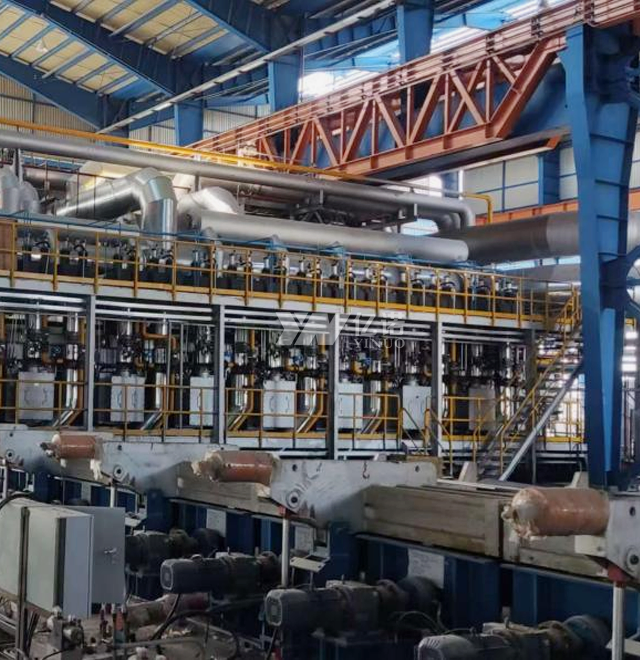
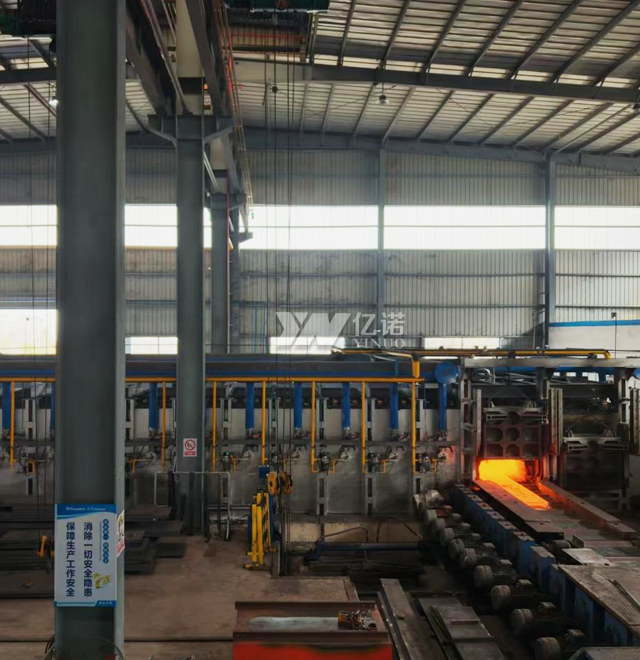
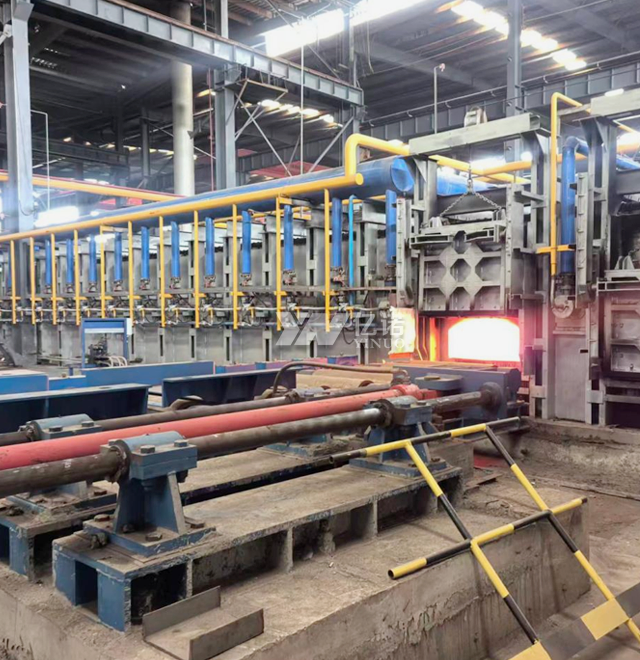
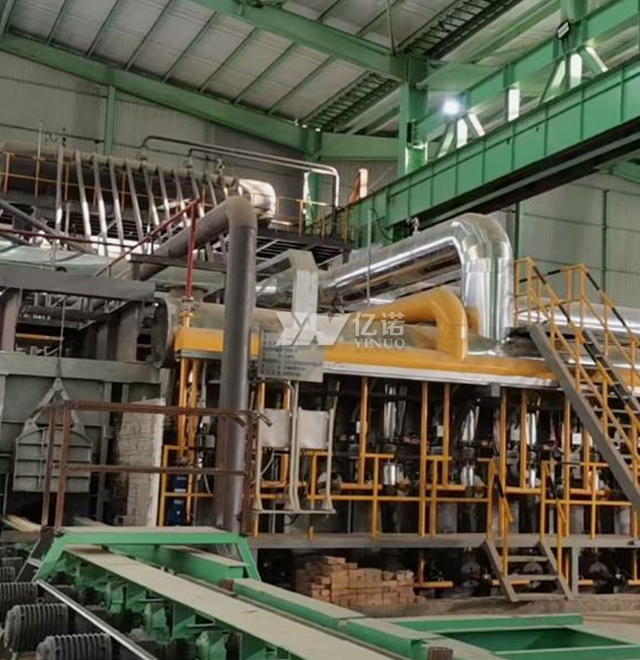
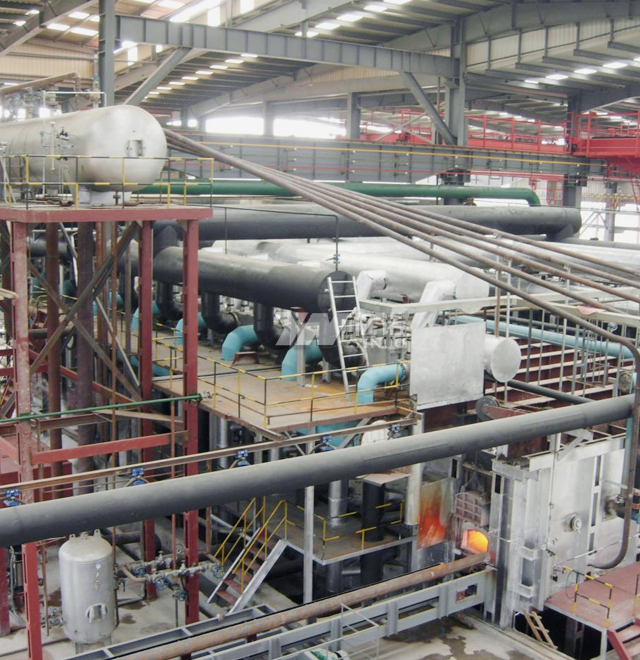
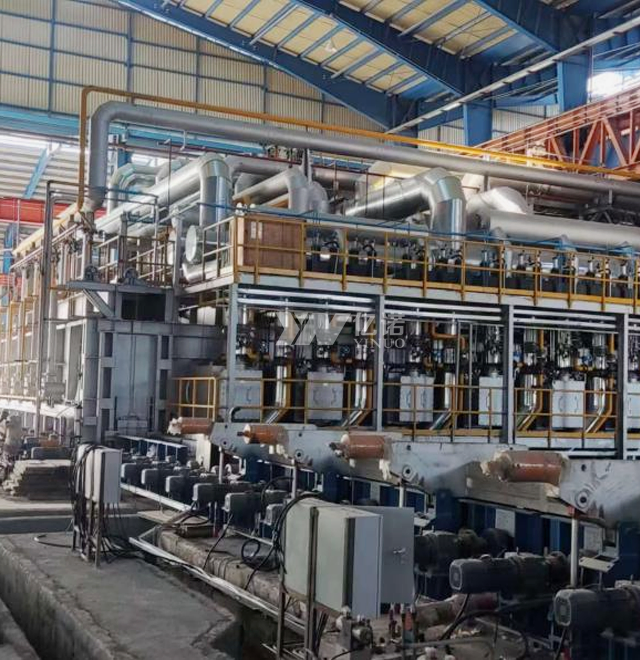
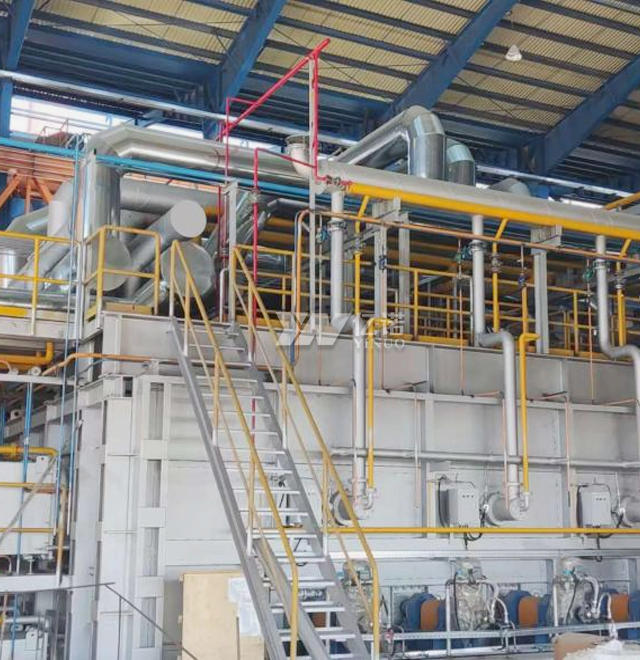
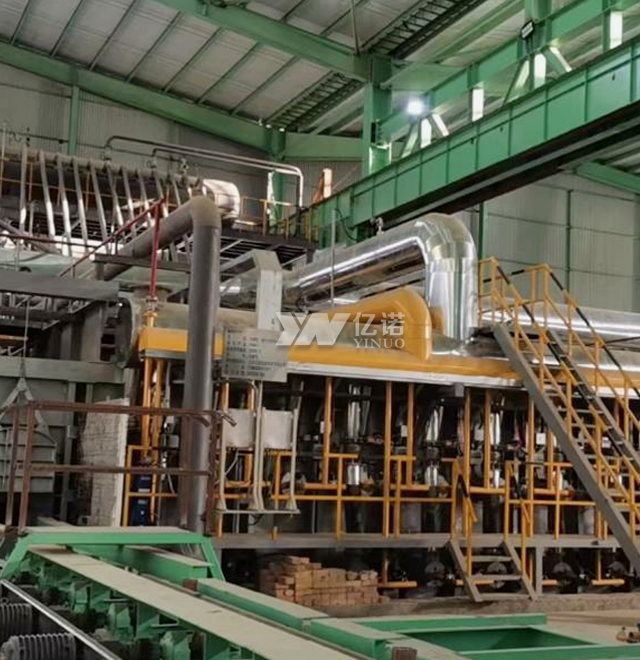
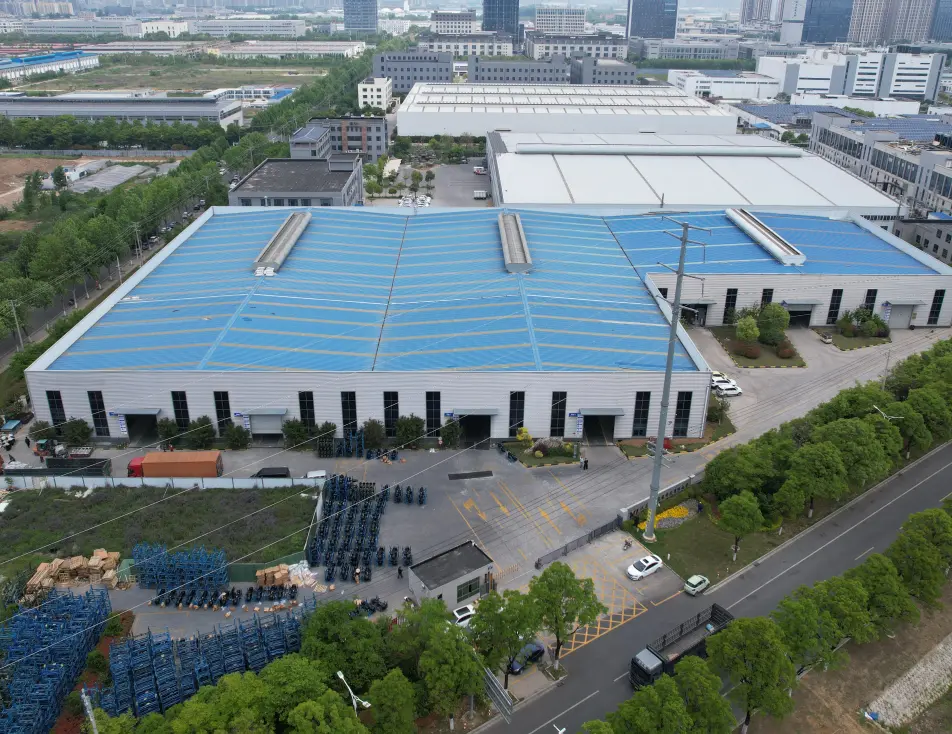
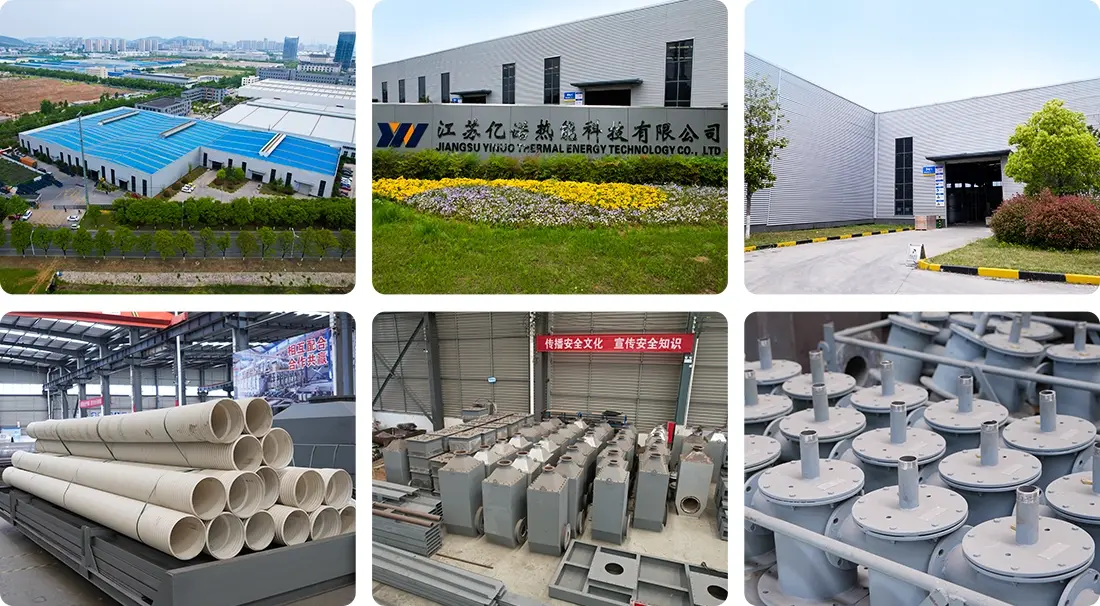
JIANGSU YINUO THERMAL ENERGY TECHNOLOGY CO., LTD builds Walking Beam Furnace For Steel Slab systems. These are made for today's steel rolling mills, and they handle heavy duty work. Heating capacity reaches up to 350 t/h. Temperature stays under tight control, between 1150–1250°C. More than 100 professionals work with us. Our production facility covers 20,000㎡, and fixed assets come to 80 million yuan. From design through commissioning, we provide the full engineering package. The walking beam design we use gives even heating across the load. Oxidation burning loss stays below 0.9%, and energy use is ≤1.05 GJ per ton of steel. That suits premium steel slabs with no surface defects.
What Makes Our Walking Beam Furnace System Different?
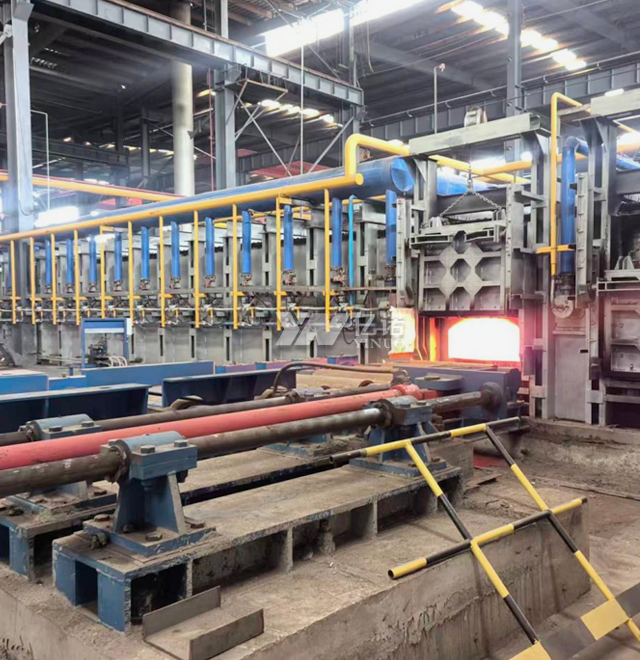
The product represents a significant advancement over traditional pusher-type systems. This continuous reheating solution uses a sophisticated mechanism of stationary and moving beams to lift, transport, and lower steel slabs through multiple heating zones without dragging.
No surface scratching happens in your production. Cold spots, the ones people call "skid marks," are gone too. Each beam moves on its own, so a gap opens between workpieces. Heat then spreads evenly over the whole slab surface.
Old furnace designs run into limits set by pusher charging ratios. Ours does not. Effective furnace length is not capped. Slabs of different sizes can go through at the same time. That gives you a wide range of operating options for varied production needs.
Technical Specifications
| Parameter |
Specification |
| Furnace Type |
Walking Beam Furnace |
| Applicable Fuels |
Blast furnace gas, mixed gas, producer gas, natural gas |
| Heated Steel Grades |
Low carbon steel, medium carbon steel, high carbon steel, stainless steel |
| Workpiece Blanks |
Standard billets, slabs |
| Charging & Discharging |
Side charging & side discharging, end measuring feeding |
| Combustion Modes |
Dual gas regenerative combustion, single air heat storage |
| Heating Capacity |
Max. 350 t/h (Slab); Max. 200 t/h (Standard billet) |
| Temperature Range |
1150–1250°C |
| Walking Beam Cooling |
Water cooling, evaporative cooling |
| Unit Heat Consumption |
≤1.05 GJ per ton of steel |
| Oxidation Burning Loss |
< 0.9% |
| Customization |
Available based on customer requirements |
Core Advantages for Your Production Line
Strong Surface Quality Protection
Heating leaves the slab surface clean. A walking beam carries the steel forward, so nothing drags against it. Black oxide marks never form, and no scratches appear. Value of the product stays intact.
Enhanced Heating Uniformity
Each workpiece has an even gap to the next one. Heat moves through those gaps without restriction. Burners are split into zones and fire from above and below. Temperature remains within ±5°C across the full slab cross-section.
Operational Flexibility
You can pull electrodes out to match production needs. Furnace heat-up of a Walking Beam Furnace For Steel Slab takes much less time. Empty-hearth operation is supported too. Grade changes and maintenance stops mean less downtime.
Precise Automation Control
Advanced positioning systems make full automatic operation possible. Accuracy holds at ±5mm. Pair it with Level 2 automation and the system follows each slab's position and thermal history in real time.
Energy Efficiency
Two things give waste heat recovery a boost: dual-regenerative combustion systems and evaporative cooling technology. Unit heat consumption stays under 1.05 GJ per ton. That figure matches comparable operations. Emission standards are still met.
Ideal Industrial Steel Production Applications for Walking Beam Furnace For Steel Slab
Hot Strip Mills
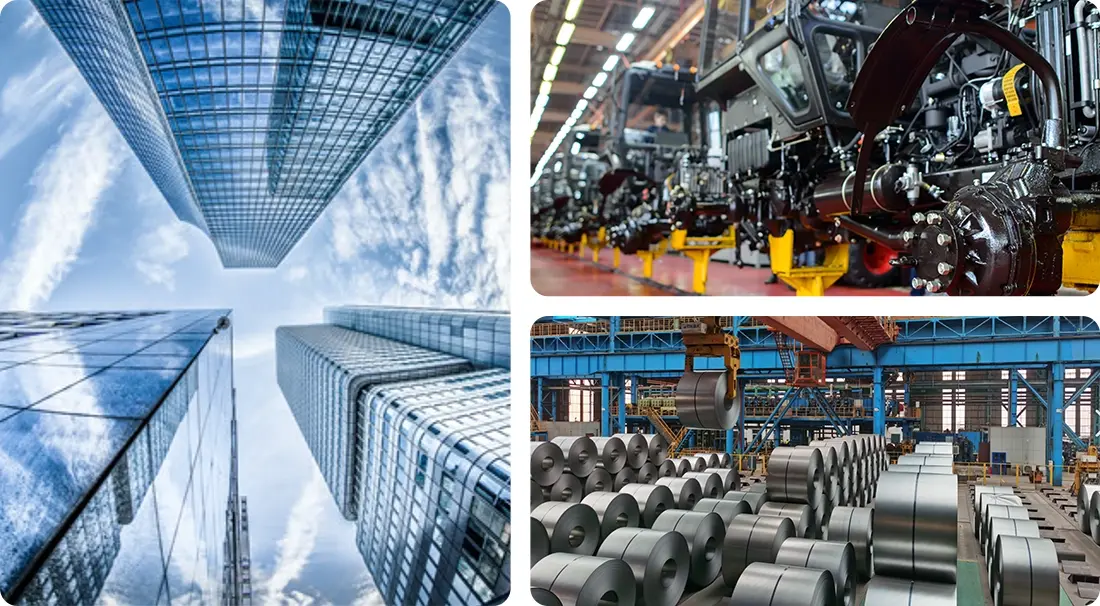
Your automotive-grade steel production demands impeccable surface quality. Our this product ensures zero contact marks, meeting the strictest quality requirements for high-speed rolling operations.
Heavy Plate Mills
Thickness on some slabs reaches 300mm. Shipbuilding and structural work uses them. Heat has to get through evenly. The walking beam mechanism spreads that heat across the whole cross-section, and it stays consistent.
Integrated Mini-Mills
Some plants need to run many different alloys. For those plants, a furnace that can be emptied all the way down, with no dummy slabs left inside, makes a real difference. Changeovers between alloys cause lost hours. This ability cuts that lost time a lot, even in tricky metallurgical work.
Quality Assurance and Standards Compliance
Nothing ships until it passes our quality management system. That system checks each product against national and industrial standards. Testing is thorough. We run temperature uniformity surveys on a Walking Beam Furnace For Steel Slab, check hydraulic synchronization, and inspect refractory work with thermography.
How well does the burner perform? Combustion efficiency analysis answers that. It confirms the air-to-fuel ratios are right and keeps an eye on emissions compliance at the same time. The water cooling circuit then goes through pressure and flow testing. That way it will not fail structurally when thermal loads get high.

FAQ
Q: How does the furnace prevent skid marks on steel slabs?
A: The offset beam design and reliable insulation buttons on water-cooled pipes minimize contact area and heat extraction from the slab's underside, effectively eliminating cold spots.
Q: Which fuels can this system run on?
A: The furnaces can run on more than one fuel. Natural gas, blast furnace gas, mixed gas, and producer gas all work. Regenerative burners burn these fuels and maximize thermal efficiency.
Q: Can one furnace take slabs of different sizes at the same time?
A: Yes. Spacing can change thanks to the independent walking mechanism. Slab widths and thicknesses that differ from one another are handled by it. Buckling and pile-ups are not a risk.
Q: What is the usual service life of refractory components?
A: With proper maintenance and controlled heating cycles, reliable refractory linings typically last 5 to 8 years before requiring major overhaul.
Q: What keeps the temperature even from one heating zone to the next?
A: The furnace is divided into zones. One does preheating, one does heating, and one does soaking. Combustion is controlled separately in each zone. Burner output is monitored and adjusted during operation. That way the heat stays level.
Contact Us for Custom Heating Solutions
Ready to upgrade your Walking Beam Furnace For Steel Slab heating process? Contact us at info@yinuofurnaces.com for customized solutions.