Pusher Type Furnace for High-Capacity Steel Reheating | Industrial Continuous Heating Solutions
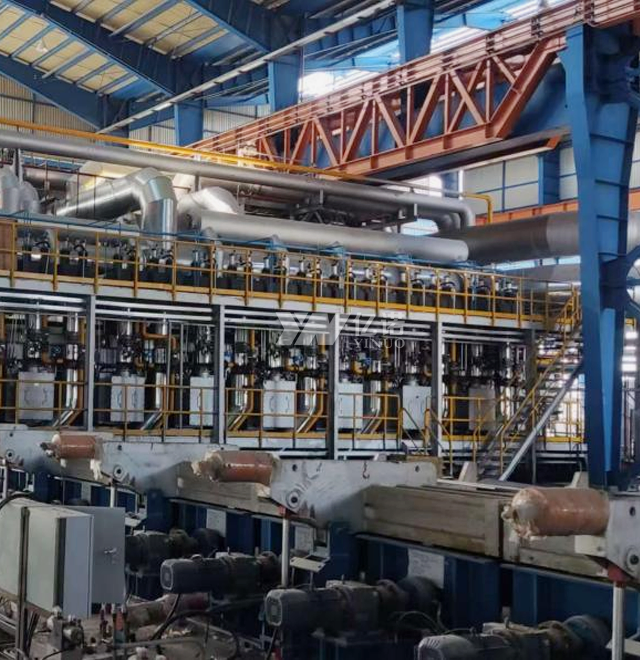
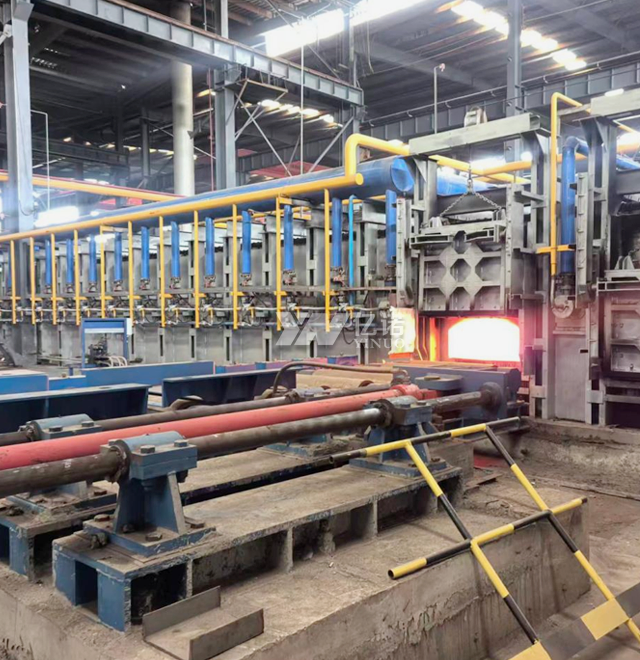
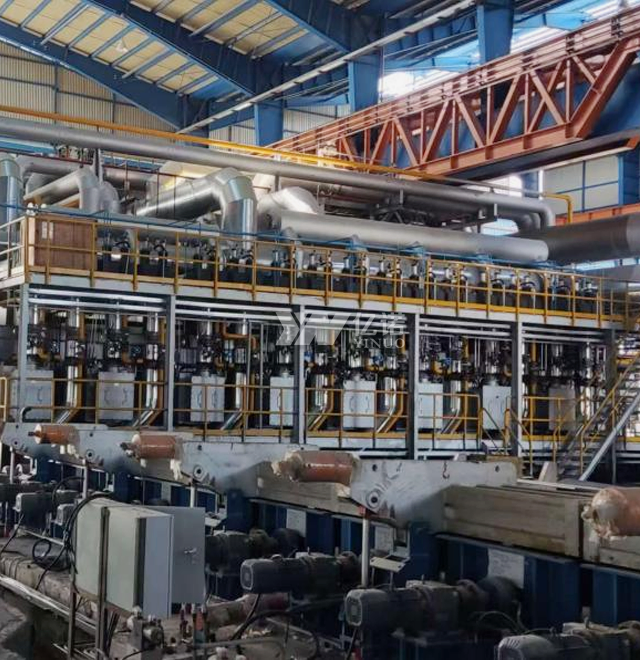
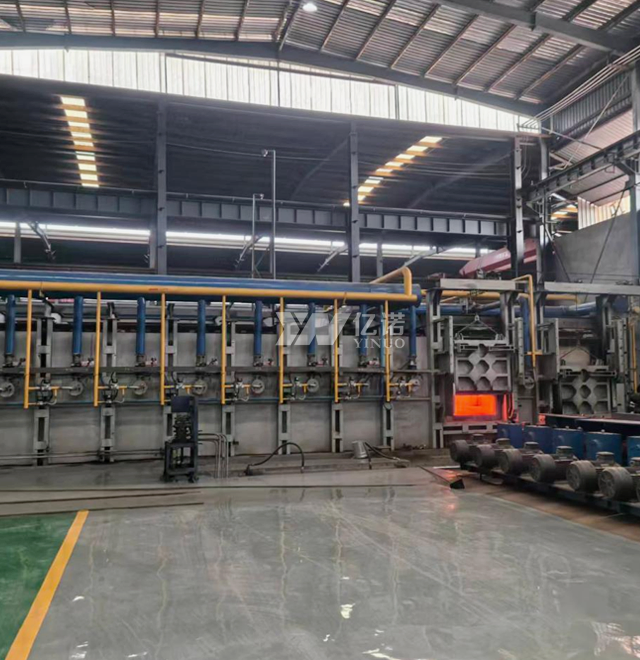
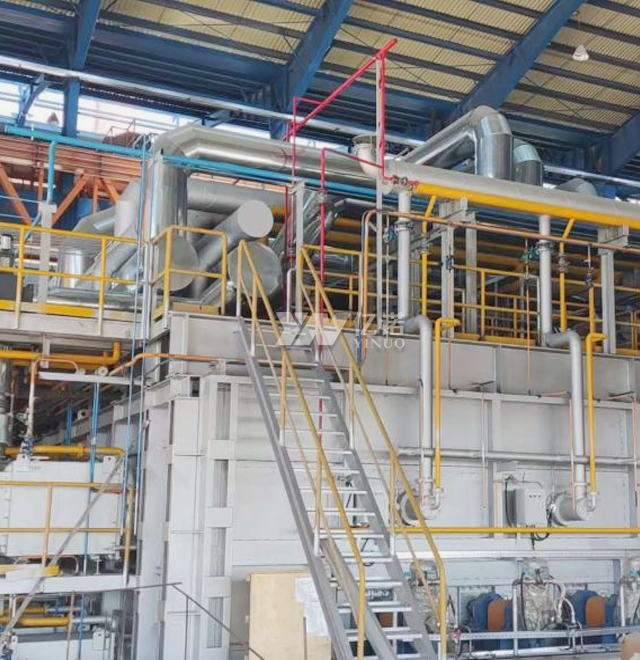
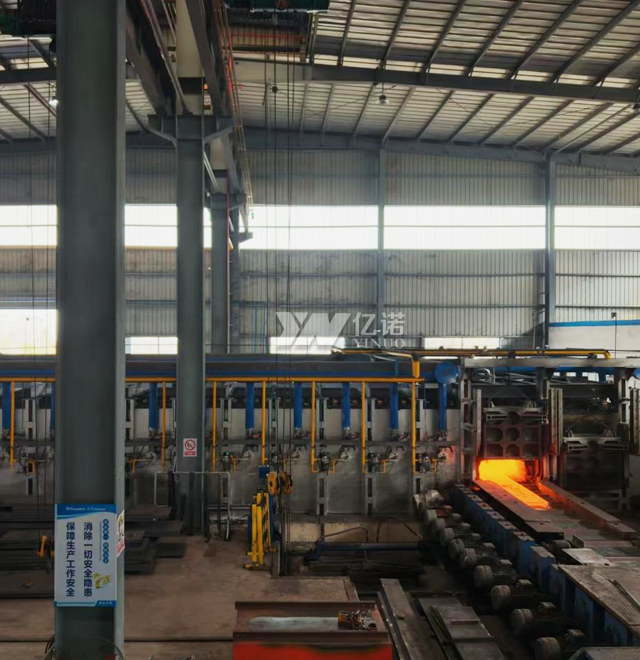
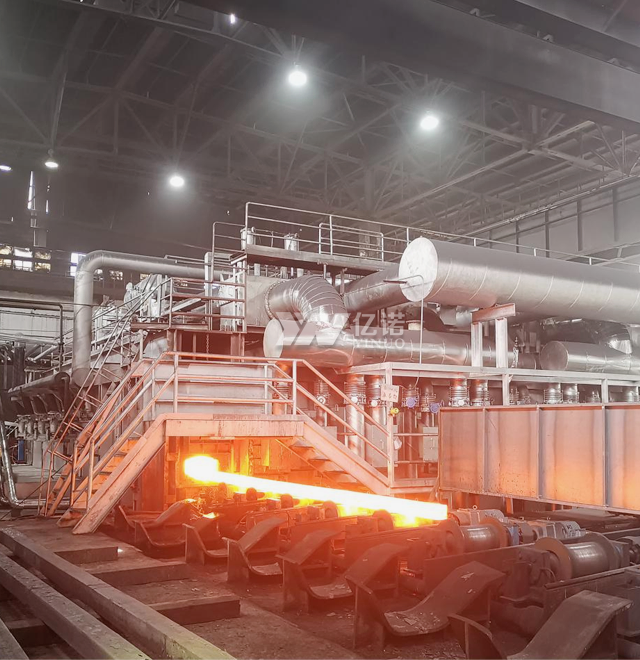
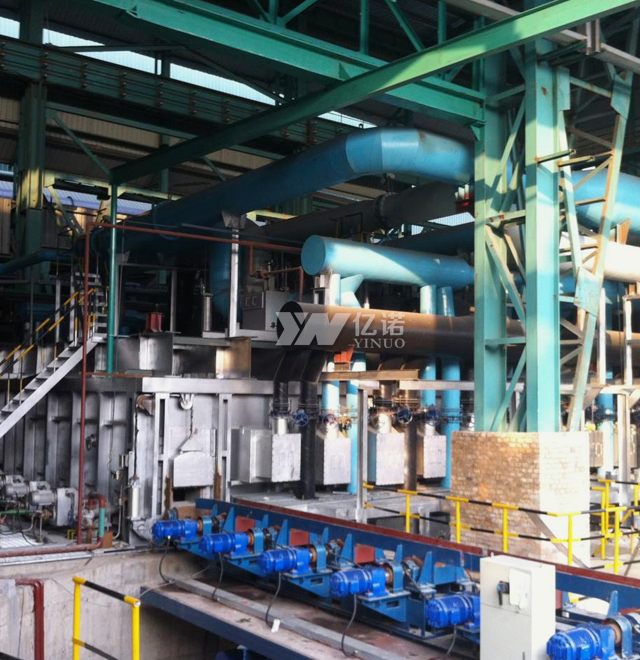
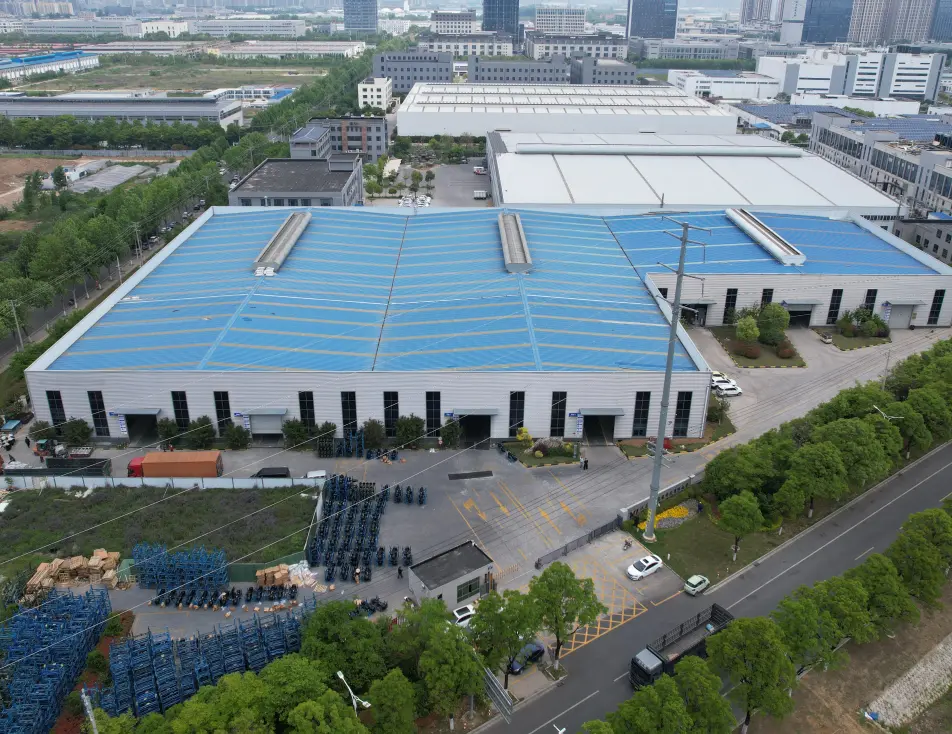
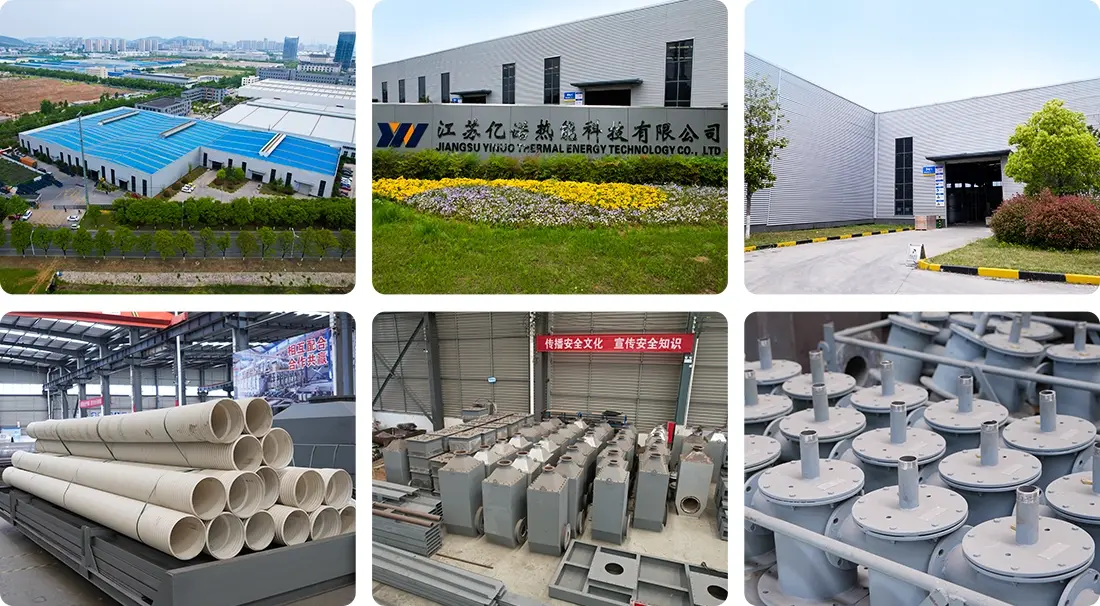
Steel reheating runs around the clock, and JIANGSU YINUO THERMAL ENERGY TECHNOLOGY CO., LTD builds industrial Pusher Type Furnace systems for it. The plant covers 20,000㎡. Fixed assets sit at 80 million yuan. More than 100 people work here. Furnaces from our works reach 200 t/h. They hold 1,150°C to 1,250°C. Energy use can fall to 1.1 GJ per tonne of steel. Carbon steel goes through them. So do structural steel and low-alloy steel. Drives come in two types: mechanical or hydraulic.
Other continuous heating systems cost more to install. These furnaces need less money up front. Building also takes less time. Daily operation is easier. Upkeep needs are smaller. That helps your production line. Operators need only basic skills to run the line.
Technical Specifications
| Item |
Specification |
| Furnace Type |
Pushing Reheating Furnace |
| Fuel Types |
Blast Furnace Gas (BFG), Mixed Gas, Producer Gas, Natural Gas |
| Applicable Steel Grades |
Structural Steel, Low-Alloy Steel, Reliable Carbon Steel |
| Billet Types |
Standard Billets, Special-Shaped Billets |
| Charging & Discharging Methods |
End Charging & Side Discharging, Cantilever Roller Discharging, Hydraulic Pusher Charging |
| Combustion System |
Dual-Regenerative Air-Gas System, Single-Regenerative Air System, Conventional Recuperative Combustion System |
| Heating Capacity |
Up to 200 t/h |
| Heating Temperature |
1,150–1,250°C |
| Hearth Cooling Method |
Evaporative Cooling or Water Cooling |
| Comparable Energy Consumption |
Approximately 1.1 GJ/t Steel |
| Customization |
Available based on customer requirements |
Core Advantages for Industrial Applications
Lower Upfront Cost, Faster Setup
Next to a walking beam setup, your upfront costs drop a lot. Mechanical systems are simpler, so the build cycle gets shorter. Commissioning ends sooner. Money then comes back to you faster.
Simplified Operation and Maintenance
A pusher mechanism is tough and asks for little technical skill. Operators pick up the control steps fast. Fewer parts move than on beam-type systems, so service intervals stretch out further.
Fuel Flexibility for Diverse Operations
Blast furnace gas fires our Pusher Type Furnace. Mixed gas runs it as well. Producer gas and natural gas both work. Burn the fuel you already have on site and running costs stay low. Calorific values shift about. The combustion system makes up for that. Temperature uniformity still holds.
Efficient Thermal Management
Less fuel gets burned at your plant when the combustion system recovers more heat from the process. That holds true for dual-regenerative setups and for single-regenerative ones. Temperature stays exact across the preheating zone, the heating zone, and the soaking zone. Long runs at high temperature put stress on the structure. Hearth systems that use evaporation or water cooling keep it protected.

Industrial Applications of the Pusher Type Furnace
Integration of Hot Rolling Mill
Billets have to arrive non-stop, each one at the exact temperature, for hot rolling to work. The continuous pusher mechanism is synced precisely to the high speed rolling stands that set the pace. Throughput stays stable. What comes out of your mill is consistent in metallurgical terms.
Heavy Forgings Preparedness
The core of a large forging can crack. Heat has to reach deep inside the part to stop that. So the core sits in the soak zone for a long time. Strains locked inside it get released that way. It also makes sure the phase shift finishes all the way through. Better ductility comes out of your forging process for parts used in cars, aircraft, and industry.
Tube Production Seamless
Heating round billet for pipe making is what this Pusher Type Furnace product design is for. Tube mills run in dusty conditions. That is why the mechanical system is built tough. In severe environments, complicated moving parts tend to fail. Here you still get reliable operation.
FAQ
Q: Why do trays jam, and how do you stop it?
A: A tray that has bent out of shape is behind most jams. Rails that no longer line up cause the rest. Choose alloys with high creep strength when you buy trays. Automatic torque limiters belong on the pusher drives. Put rail alignment on a regular check schedule. Do that and the line keeps running without trouble.
Q: Can the furnace cope with cycle times that change from one part to the next?
A: The system is built for steady-state production. Even so, variable frequency drives let you adjust pusher speed. Feed rates can be modified to suit different thermal requirements. Product mix changes are handled by that flexibility, with no major system reconfiguration.
Q: How do you keep temperatures even across zones?
A: Temperature Uniformity Surveys (TUS) check how heat is distributed and are run to CQI-9 or AMS2750F standards. Burner output gets tracked and adjusted nonstop by our controls. Paperwork shows you meet the metallurgical temperature specifications.
Q: So what do you get from a dual-regenerative combustion system?
A: Exhaust heat goes to work on the combustion air first, warming it before the burner fires. That alone cuts fuel burn sharply. On standard recuperative setups, the energy savings land at 20–30%. Furnace atmosphere stays steady through the whole run. Running costs stay in check too.
Q: How often should refractory inspections be done?
A: Check for cracks and spalling once a month. Hot spots show up in shell temperature readings, and they point to refractory wear. With infrared thermography you get the figures needed to plan upkeep in advance. A shutdown then won't catch you off guard.
Contact Us for Custom Solutions
Looking for a Pusher Type Furnace that fits your production needs? Our engineering team can help. Email info@yinuofurnaces.com for technical advice and a quotation.