Multi-Zone Pusher Furnace Temperature Control System - Advanced Thermal Management Solution for Industrial Reheating
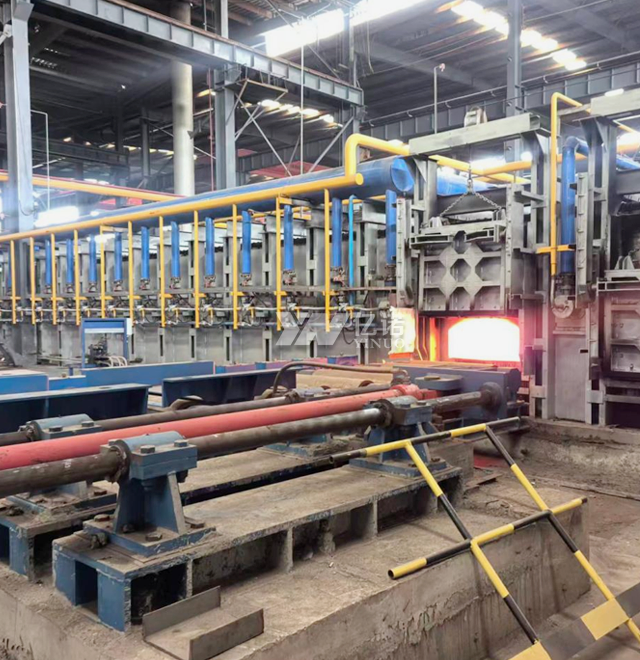
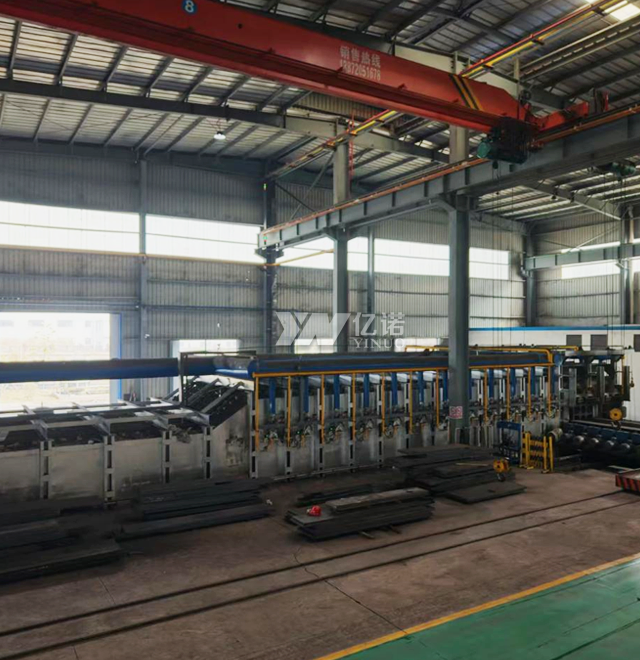
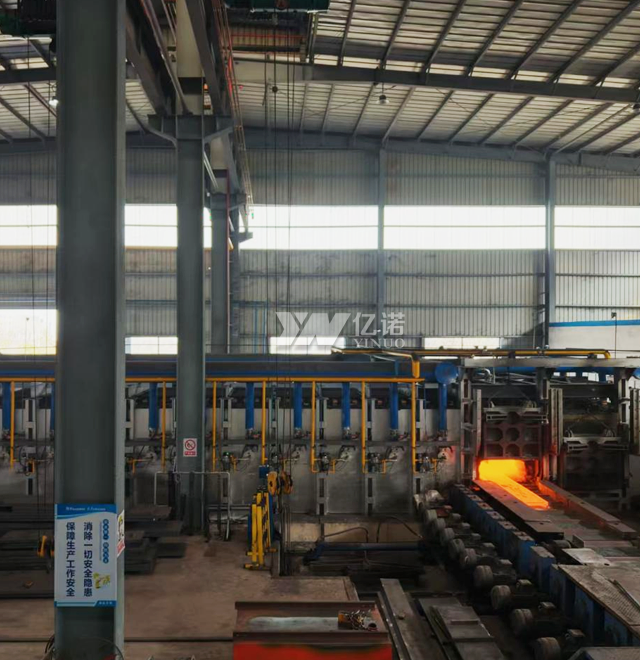
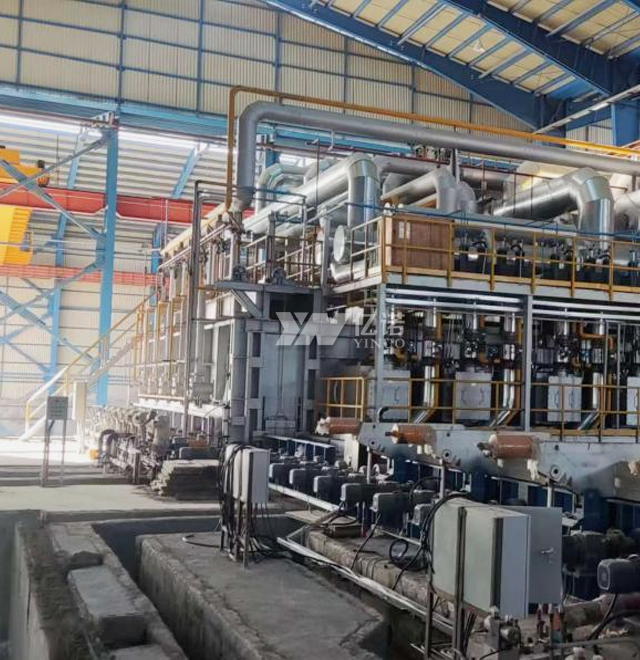
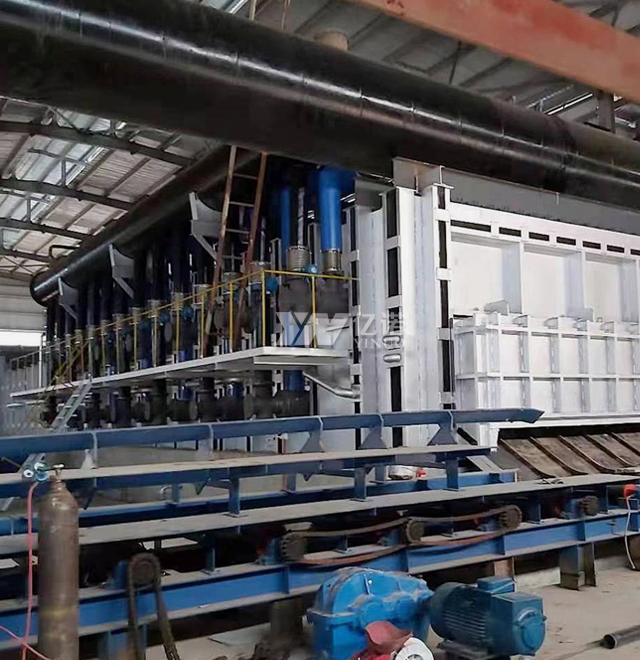
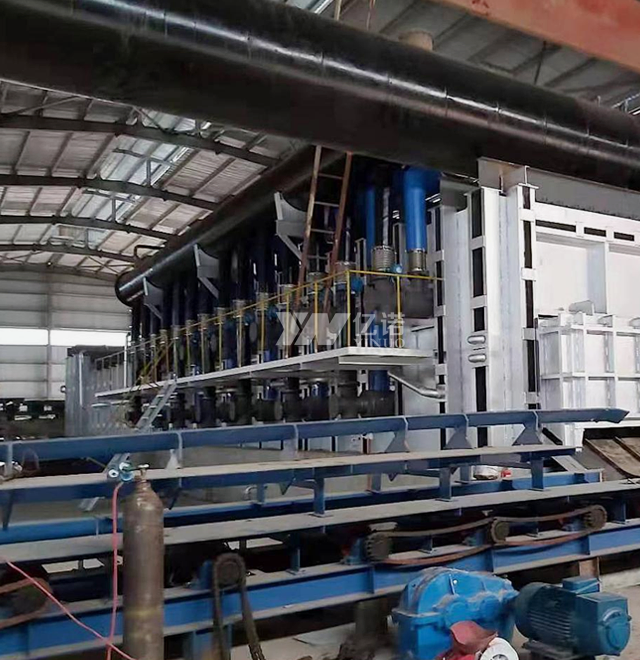
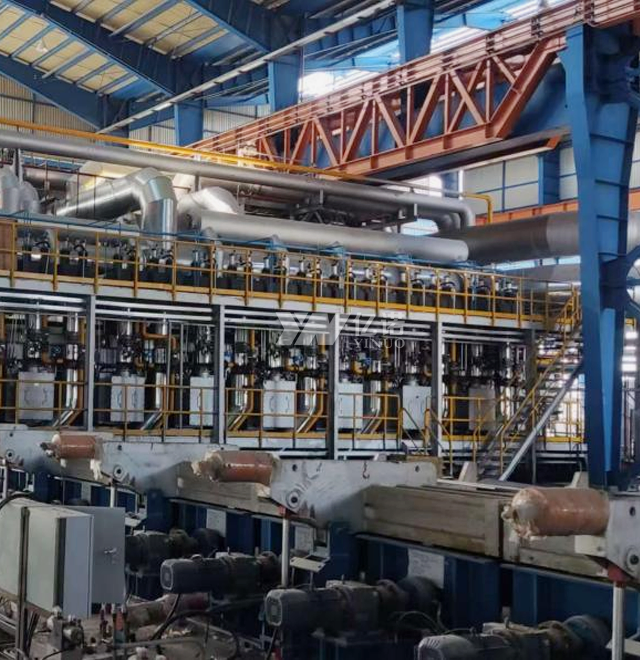
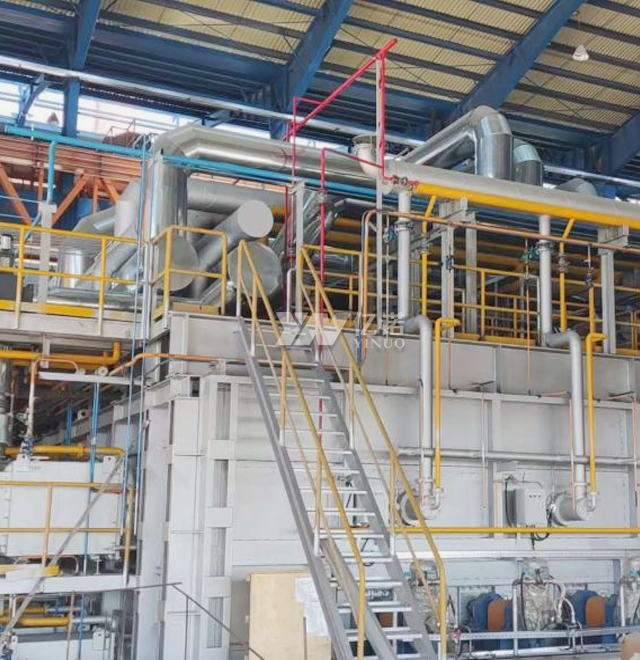
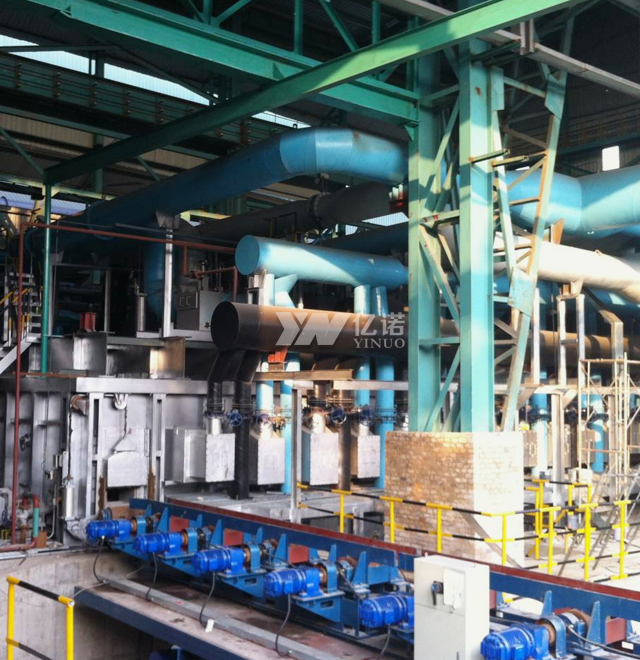
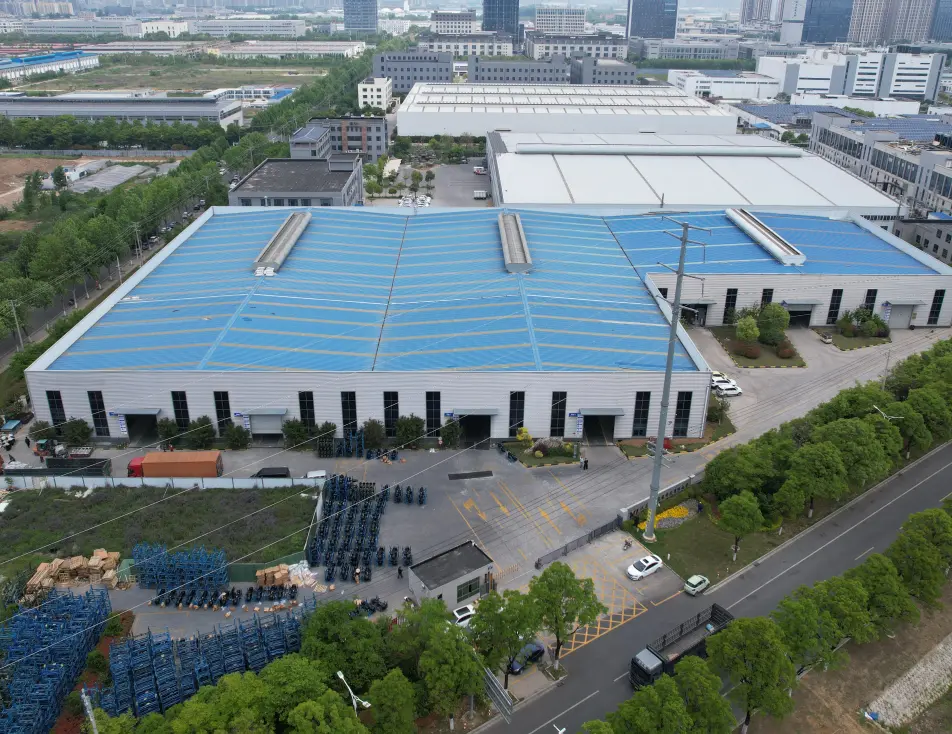
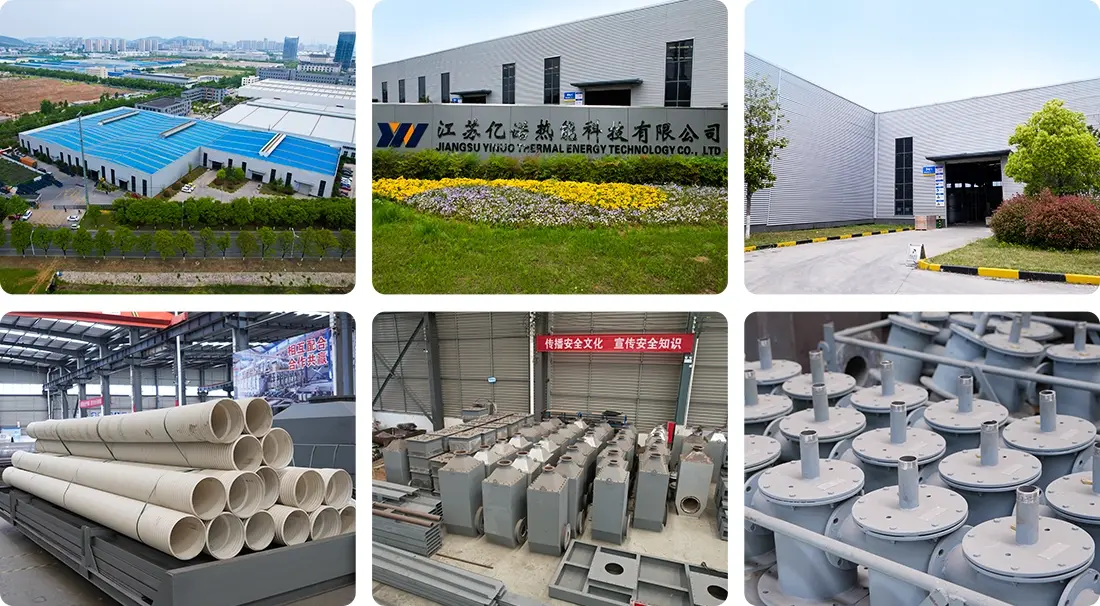
Multi-Zone Pusher Furnace Temperature Control is a heat control setup made for non-stop reheating work. Machines push billets through separate heat stages. JIANGSU YINUO THERMAL ENERGY TECHNOLOGY CO., LTD builds this control technology into pusher reheating furnaces. Heating capacity reaches 200 t/h. Working temperatures sit between 1150–1250°C. Our production site covers 20,000㎡ and we have more than 100 specialists, automatic control engineers and mechanical experts among them. Energy use works out to roughly 1.1 GJ/t steel, close to what similar systems need. Thermal profiles stay precise in the preheating, heating, and soaking zones.
Why Precision Temperature Control Matters in Pusher Furnaces?
Temperature consistency drives product quality and running costs alike. Billets move through several heating zones. Every zone needs its own thermal management. Skip that and you get scale loss and surface decarburization.
This product goes after the hard problems the industry deals with. Thermal inertia is large. Zones next to each other affect one another. Load changes bring non-linear dynamics. Inside the system, advanced PID algorithms, Fuzzy Logic, or Model Predictive Control hold temperature swings down across the whole heating cycle.
The control architecture compensates for the 'cold rider' effect caused by furnace rails. This ensures uniform heat distribution even when processing massive slabs or handling variable pusher speeds.
Technical Specifications
| Item |
Specification |
| Furnace Type |
Pushing Reheating Furnace |
| Fuel Types |
Blast Furnace Gas (BFG), Mixed Gas, Producer Gas, Natural Gas |
| Applicable Steel Grades |
Structural Steel, Low-Alloy Steel, Reliable Carbon Steel |
| Billet Types |
Standard Billets, Special-Shaped Billets |
| Charging & Discharging Methods |
End Charging & Side Discharging, Cantilever Roller Discharging, Hydraulic Pusher Charging |
| Combustion System |
Dual-Regenerative Air-Gas System, Single-Regenerative Air System, Conventional Recuperative Combustion System |
| Heating Capacity |
Up to 200 t/h |
| Heating Temperature |
1150–1250°C |
| Hearth Cooling Method |
Evaporative Cooling or Water Cooling |
| Comparable Energy Consumption |
Approximately 1.1 GJ/t Steel |
| Control Accuracy |
±1°C to 5°C depending on zone |
| Customization |
Available based on customer requirements |
Core Control System Features
High-precision instruments sit alongside a solid design in your temperature control system. Readings at high temperature stay steady with Type B, S, or R noble metal thermocouples. Continuous operation does not stop them from working.
Smooth, step-less power adjustment comes from Thyristor Power Controllers (SCR). Energy input therefore stays precise. Heaters last longer thanks to this phase-angle firing method. Control stability improves too, compared with old contactor systems.
Fine-tuned fuel-air ratio control lets the system keep thermal transparency in workpieces. Each zone runs on its own. Feed-forward logic also sees heat demand changes coming before the temperature drops.
Each thermocouple holds two sensing elements inside. Temperature gets read by both at the same time, so one can be checked against the other. Should a probe drift or fail, the second one takes over. A furnace cannot run away with that backup in place. Safety stays covered, and production keeps going.
Industrial Applications
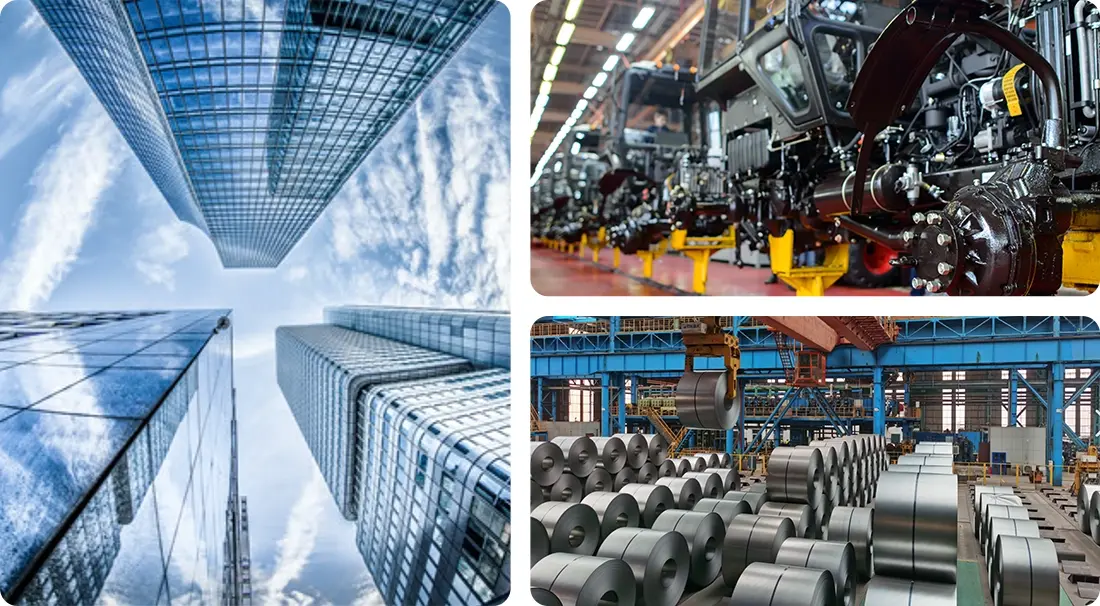
Multi-Zone Pusher Furnace Temperature Control fits many high-output plants. Take automotive forging lines. There, the system holds billet heating even, so grain structure stays the same through tough production cycles.
Heavy plate rolling mills gain from tight control of the thermal gradient. Huge slabs are no problem for the system. It also adjusts for size differences and for shifts in the surrounding air temperature.
Aerospace parts need a furnace that holds steady in vacuum or inert gas. This system does exactly that. It keeps the alloy from separating in critical components, where consistent material is a must.
Key Advantages You Gain with Multi-Zone Pusher Furnace Temperature Control
You put in less money up front than other furnace technologies would take. Building it also takes less time. The structure is simpler, and the controls come as standard parts.
Operation demands minimal specialized training. The intuitive control interface and automated zone management reduce skill requirements for your operators while maintaining production quality.
Good parts and a layout you can reach mean longer gaps between service calls. When a repair is due, the modular build lets you swap a part fast. Downtime stays short.
Pusher speed changes. Material dimensions change as well. The system handles both while they shift. Discharge temperature still hits the target, even when the production schedule moves around.
Quality Assurance and Compliance
Every system is checked closely before delivery, against national and industrial standards. Then a Temperature Uniformity Survey (TUS) confirms each point inside every zone stays inside the allowed tolerances.
System Accuracy Tests (SAT) show the calibration holds along the whole measurement chain, from sensor through to PLC. A door opens, or the load changes. Loop Response Analysis shows the system coming back with no overshoot.
Thermocouple Drift Monitoring is built into our Multi-Zone Pusher Furnace Temperature Control and our quality management system. The aim is simple: spot a failing sensor early, before it causes trouble on the production line. This fits with ISO 9001 and with the thermal processing rules we work to, such as AMS2750F and CQI-9.

FAQ
Q: How does the system deal with thermal coupling between zones?
A: Decoupling control strategies and cascade loops manage heat radiation between adjacent zones. The output of one zone's controller factors in thermal influence from neighboring sections to maintain independent control.
Q: What does SCR control give you?
A: Phase-angle firing runs on Silicon Controlled Rectifier technology. That is what gives you continuous power modulation. Heaters last longer this way. Control also stays steadier than it does with on-off contactor systems.
Q: How does the system respond to pusher speed changes?
A: Feed-forward logic anticipates increased heat demand from incoming cold loads. Burner output adjusts proactively before temperature drops occur, maintaining consistent thermal profiles.
Q: Are redundant sensors required?
A: Industry standards call for dual-element thermocouples. They cross-check in real time. Should one element fail, the other takes over. Control system failures that could hurt production get stopped before they happen.
Q: What can be done to lower energy consumption?
A: Exhaust gas O2 sensors and recuperative burners can be hooked up to the system. Combustion efficiency then goes up. Fuel-air ratios get adjusted the whole time. Waste heat is caught and reused. Energy costs drop.
Partner With Thermal Control Experts
Contact our technical team at info@yinuofurnaces.com to discuss your specific Multi-Zone Pusher Furnace Temperature Control thermal processing requirements.