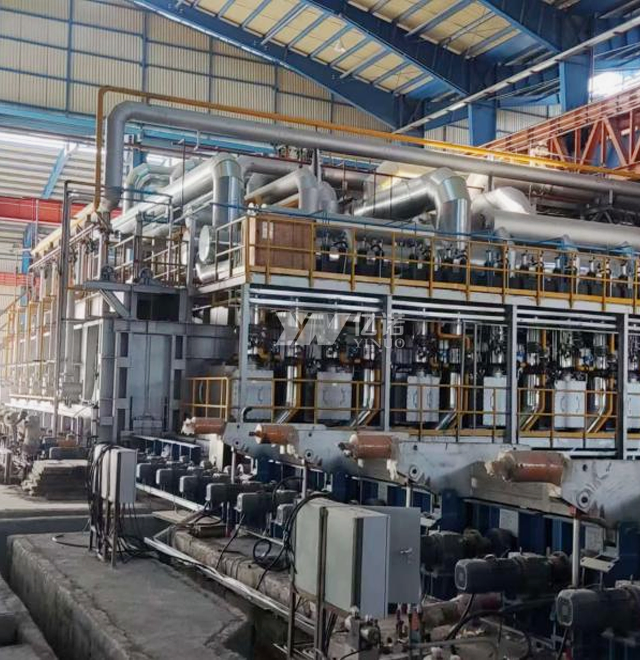
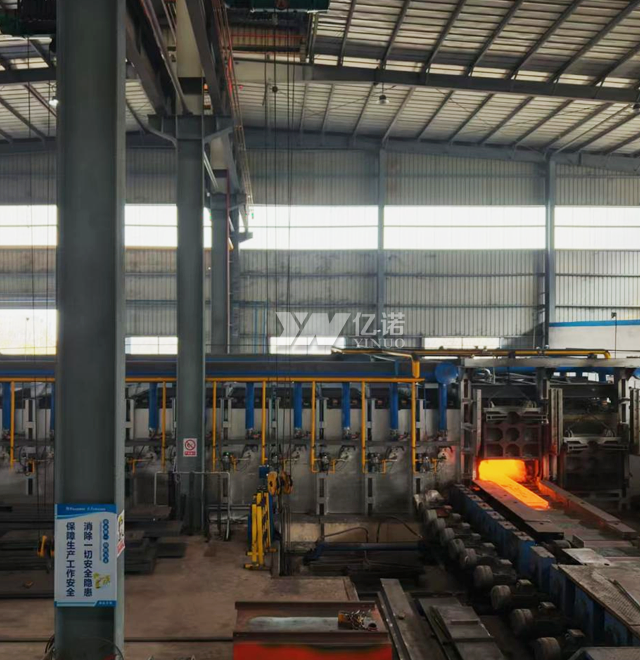
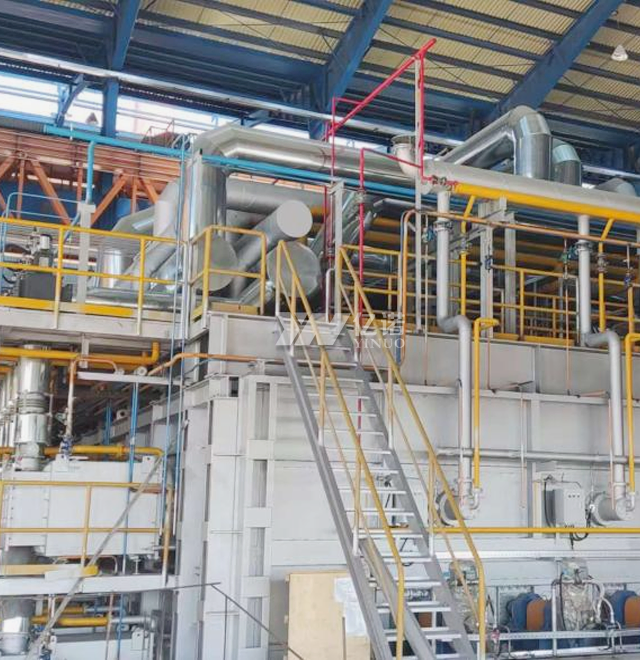
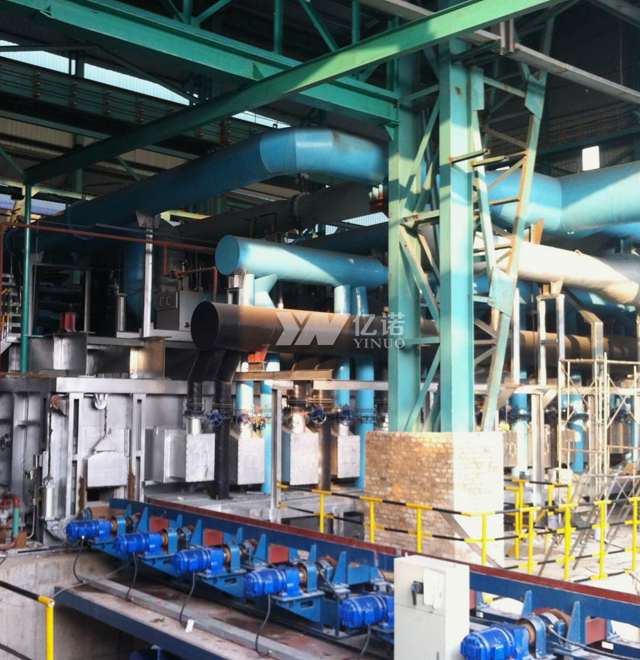
Pusher Reheating Furnace Energy Saving Design | Industrial Steel Heating Solution with Advanced Thermal Efficiency
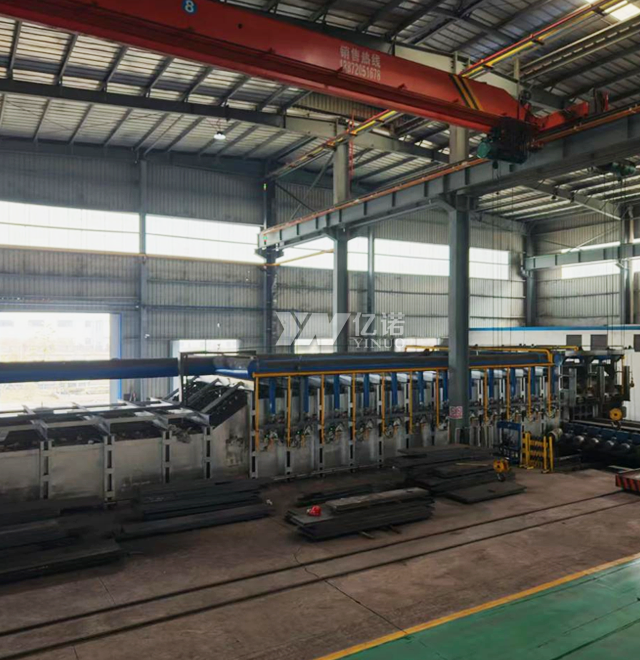
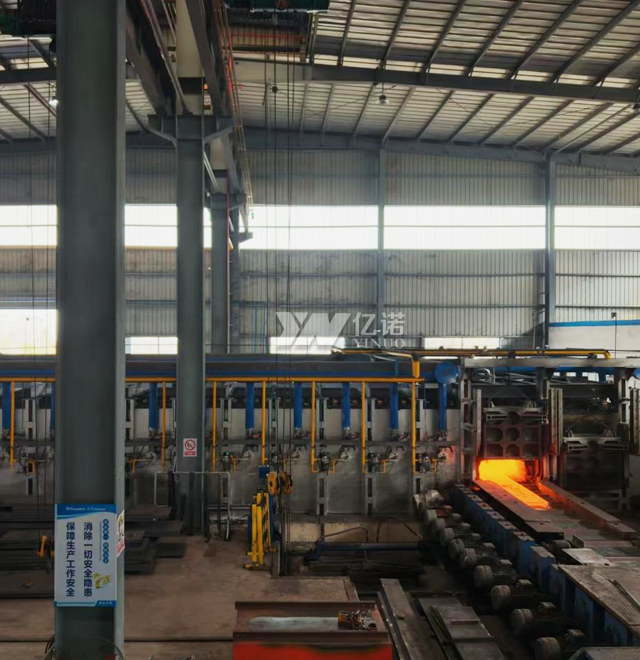
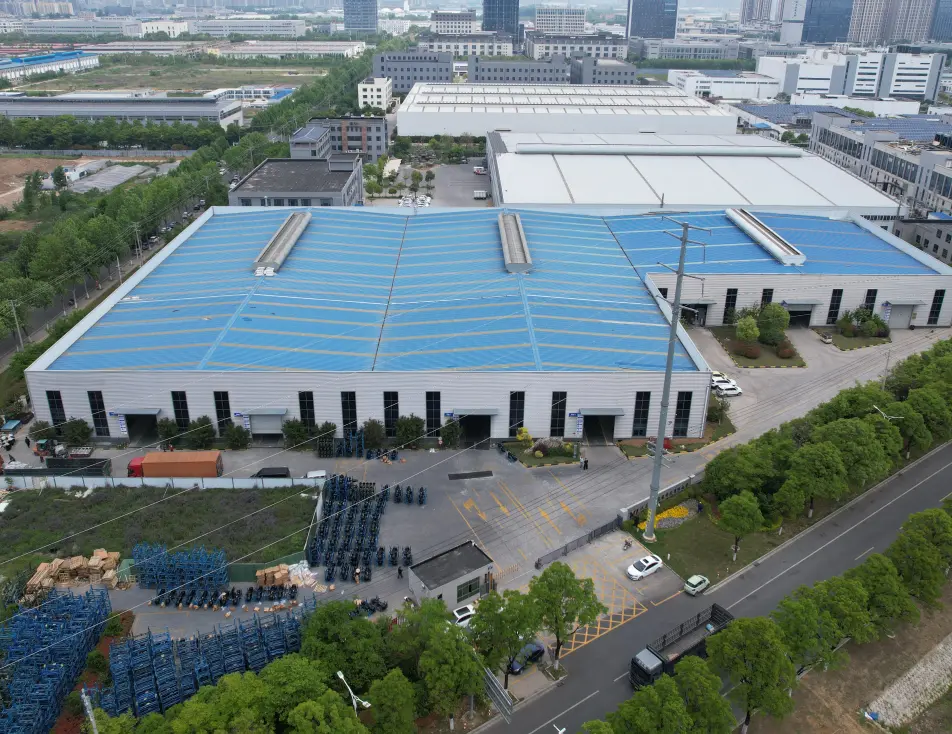
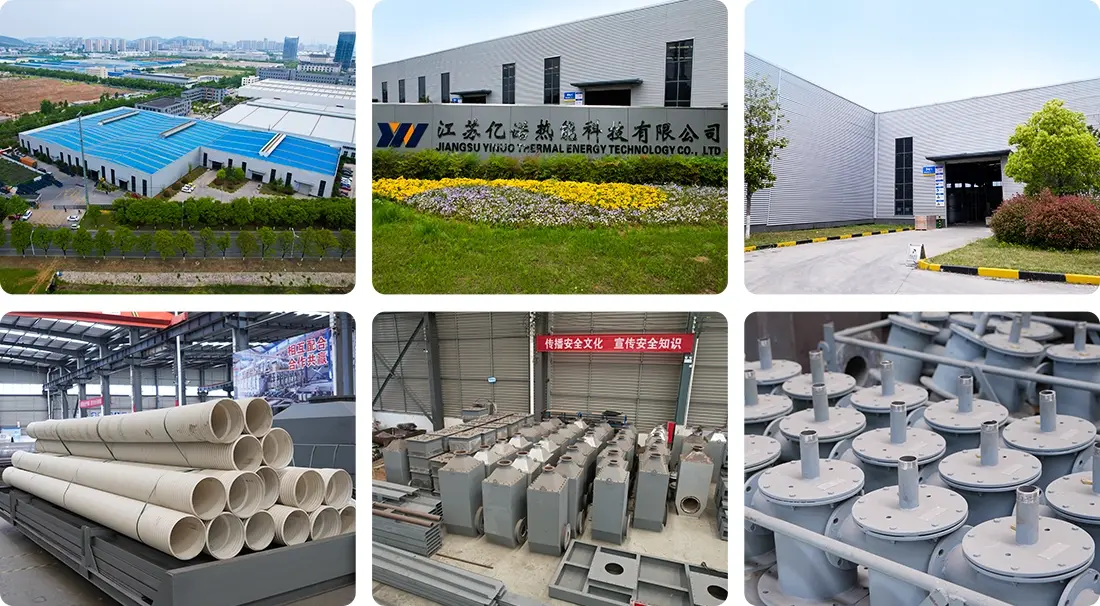
JIANGSU YINUO THERMAL ENERGY TECHNOLOGY CO., LTD offers high-performance Pusher Reheating Furnace Energy Saving Design for continuous steel heating. Our engineering team has 100+ specialists and is specialised in optimising thermal efficiency in a production plant of 20,000㎡ with fixed assets of 80 million yuan.
Our pusher furnaces cut energy use. Recuperative combustion combined with a multi-layer refractory liner pushes thermal efficiency past 65-75%. Heating capacity goes up to 200 t/h. Fuel consumption lands at about 1.1 GJ/t steel. Next to conventional designs, running costs drop by 15-30%. Temperature across the heated material also holds within ±10°C.
What Makes Our Energy-Saving Design Different?
Smart combustion management works alongside heat recovery here. Old reheating setups run a different way. With our approach your furnace turns into a thermal unit you control closely. Waste goes down. Output climbs.
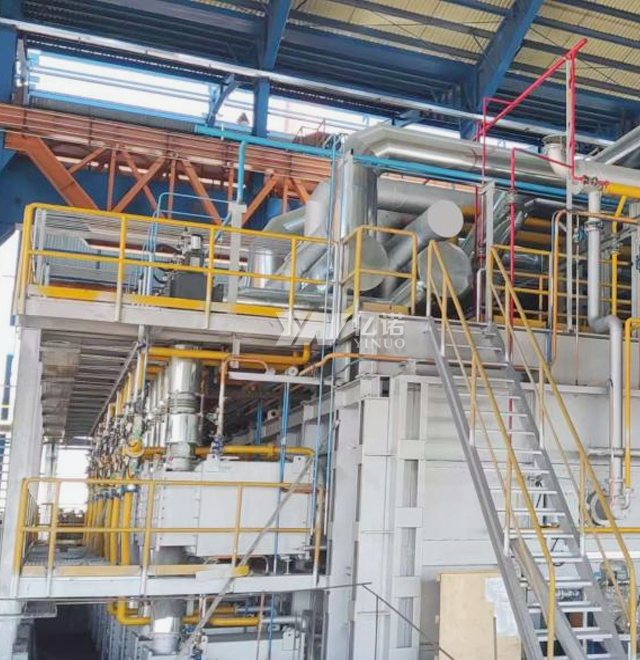
Your steel heating process needs steady quality and low fuel burn. Our design handles that with high efficiency metallic or ceramic recuperators. They preheat the combustion air to 600°C. Heat captured in this step goes straight against your primary fuel demand.
These low-NOx regenerative burners hit turndown ratios of 10:1. Combustion stays steady even when production rates change. Run at full capacity or at lower throughput, and the system adjusts on its own. Where it should hold, efficiency holds. Rough markets come and go. You can still protect your bottom line.
Low thermal conductivity ceramic fibres go into the build. High strength castables are used as well. The refractory design has several layers. Engineering choices here aim to keep outside skin temperatures below 60 C. Radiant heat losses fall sharply because of it. Those losses eat into the energy budgets of a typical furnace system.
Technical Specifications
| Item |
Specification |
| Furnace Type |
Pushing Reheating Furnace |
| Fuel Types |
Blast Furnace Gas (BFG), Mixed Gas, Producer Gas, Natural Gas |
| Applicable Steel Grades |
Structural Steel, Low-Alloy Steel, Reliable Carbon Steel |
| Billet Types |
Standard Billets, Special-Shaped Billets |
| Charging & Discharging Methods |
End Charging & Side Discharging, Cantilever Roller Discharging, Hydraulic Pusher Charging |
| Combustion System |
Dual-Regenerative Air-Gas System, Single-Regenerative Air System, Conventional Recuperative Combustion System |
| Heating Capacity |
Up to 200 t/h |
| Heating Temperature |
1150–1250°C |
| Hearth Cooling Method |
Evaporative Cooling or Water Cooling |
| Comparable Energy Consumption |
Approximately 1.1 GJ/t Steel |
| Customization |
Available based on customer requirements |
Core Advantages for Your Operations
Lower Initial Investment: A pusher furnace setup has fewer moving parts than a walking beam option. Fewer parts mean less money spent up front. It still meets industrial performance standards.
Faster Project Implementation: A shorter build cycle gets you into production sooner. The simple mechanical layout also makes installation quicker. Plant upgrades and new line start-ups then lose less revenue.
Simplified Operation: You need less special training to run the system well. The control interface is easy to pick up. It does not take long to learn. Years of use have already proven the mechanical design. That makes the learning curve shorter. New staff get up to speed faster.
Reduced Maintenance Requirements: Fewer complex mechanisms are involved, so upkeep work goes down. Inspections and part swaps follow a schedule you can predict. Money set aside for maintenance is easier to estimate too.
Industrial Applications
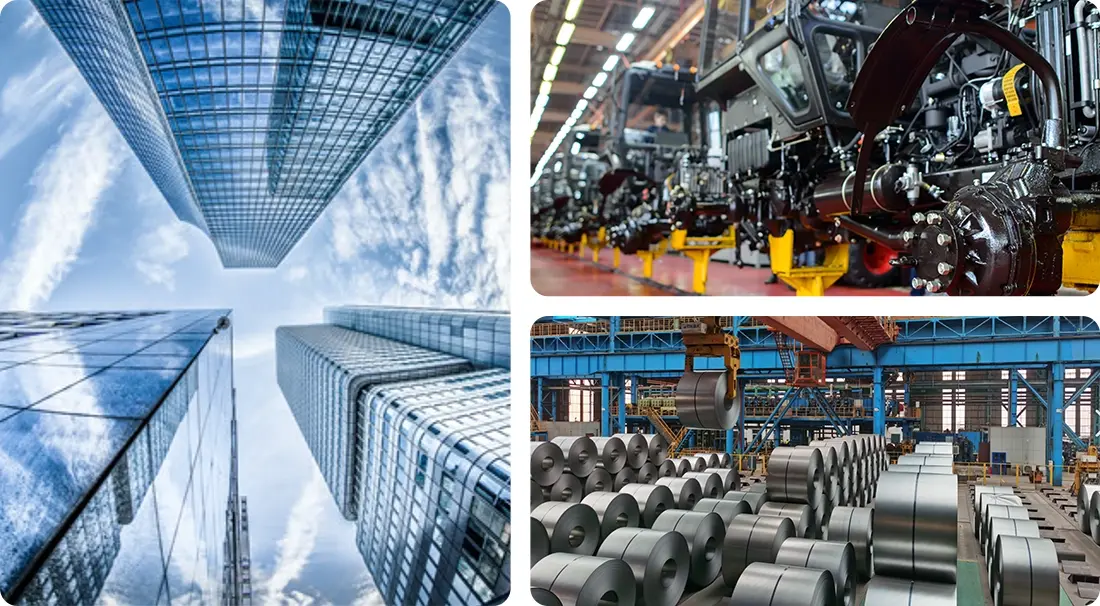
In many metallurgical settings, plants handle high volumes and still face strict quality demands. That is where the Pusher Reheating Furnace Energy Saving Design fits.
Heavy Plate Production: Pulse-firing systems heat large slabs in continuous rolling operations. Heat goes deep into the slab. Surface overheating does not occur, even with production delays. Material quality stays protected when schedules vary.
Specialised Alloy Processing: Tight control of the atmosphere keeps oxygen low. For alloys that oxidise easily, this matters. Heating curves run by a computer reduce decarburisation and scale loss. Metallurgical properties stay intact in costly alloys.
Modular Recuperator Retrofits for Legacy Facilities: Steel plants that need modernisation can be updated without replacing the whole furnace. The work improves flue gas pathways. Throughput capacity can rise by up to 15%. Limits on environmental emissions in force now are still met.
Quality Assurance Methods for Pusher Reheating Furnace Energy Saving Design
Thermal integrity testing relies on infrared thermographic imaging. Heat leaks around casings and furnace doors show up before they start costing you energy. Catch them early. The installation then runs the way it was designed to from day one.
Flue gas analysis runs the whole time. During commissioning and operation, O2, CO and NOx levels are tracked. That check keeps combustion efficient. It also proves you meet the environmental rules your facility falls under.
Pressure tests on the recuperator confirm the heat exchanger is sound. They stop air and gas from mixing, which would cut thermal performance. Refractory behaviour is checked against ASTM standards. Density and porosity get measured so the material holds up over years of thermal cycling.
The control system validation for Pusher Reheating Furnace Energy Saving Design mimics emergency conditions as well as low load operation. This testing proves that automation logic will hold energy saving profiles through any manufacturing circumstance your facility may encounter.

FAQ
Q: How much fuel savings might I expect from this design?
A: Typically, based on your existing furnace baseline, full-scale energy efficiency improvements will lead to a 15-30% reduction in fuel use. These considerable cost reductions are due to improved air preheating and improved insulation.
Q: How is the life of the refractory affected?
A: Thermal shock damage is avoided by advanced materials and optimised heating curves. In most installations, the life of the refractory is increased by 20-30%, lowering the frequency of refractory replacement and the accompanying expenses of downtime.
Q: Can this integrate with our existing control systems?
A: Yes. Open-architecture control logic sits in the design, and it works with Profibus or Ethernet/IP. Your plant-wide SCADA can therefore be connected without proprietary lock-in.
Q: How do you control oxidation loss?
A: High-velocity burners and tight air-fuel ratio control produce a protective heating atmosphere. Scale loss drops below 0.8% with this method. Your raw material investment is preserved, and yield calculations improve.
Q: What's the typical return on investment?
A: Full ROI usually lands in 12 to 24 months for most industrial clients. Fuel savings and less metal loss bring in the main financial returns. Extra throughput adds more, and so does lower maintenance demand.
Partner With Thermal Energy Experts
Write to our engineering team at info@yinuofurnaces.com. Tell them about your specific Pusher Reheating Furnace Energy Saving Design application and the energy reduction targets you have in mind.