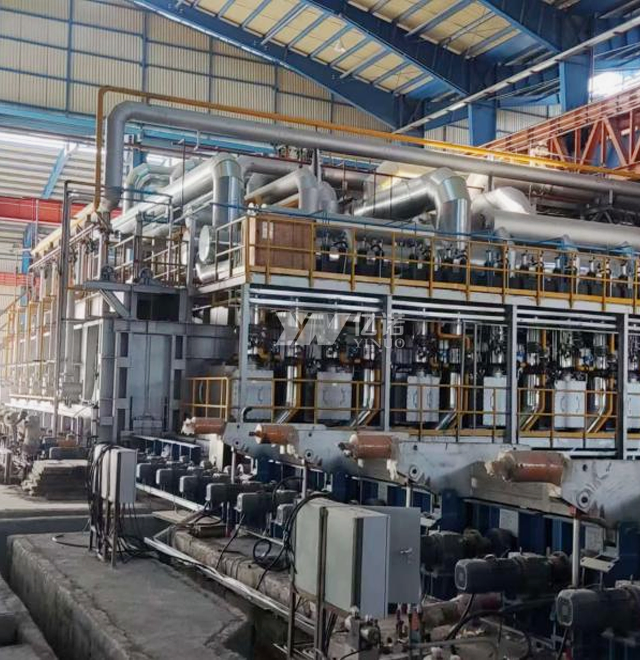
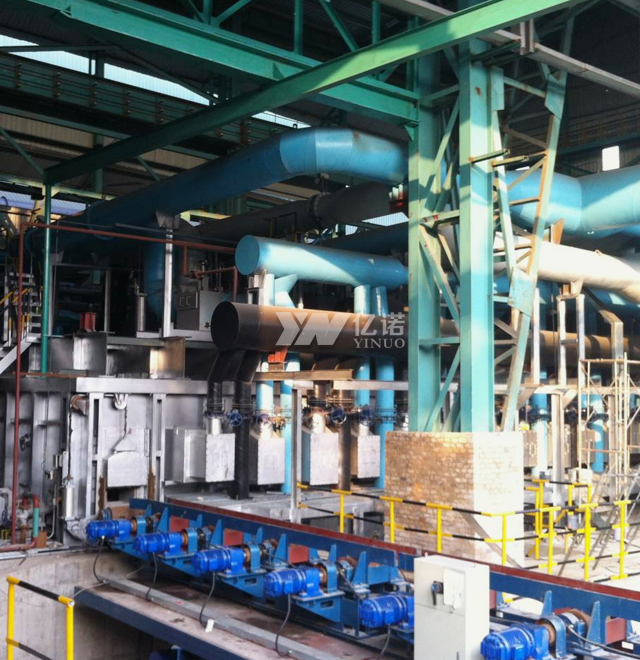
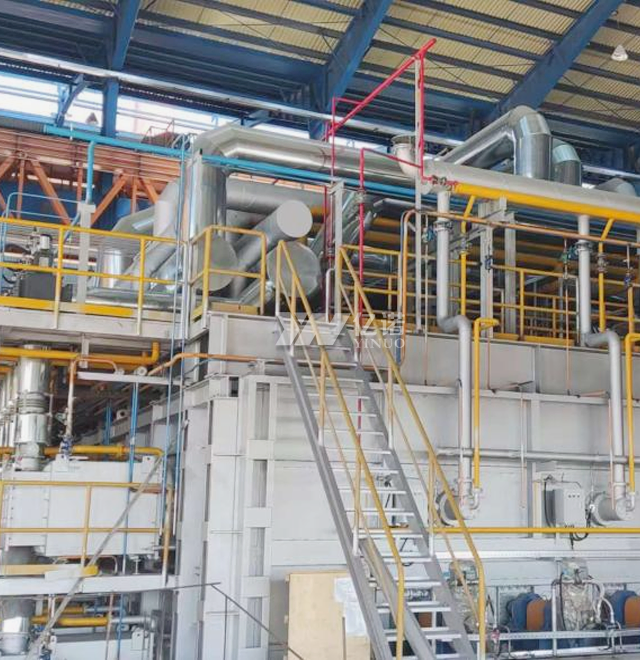
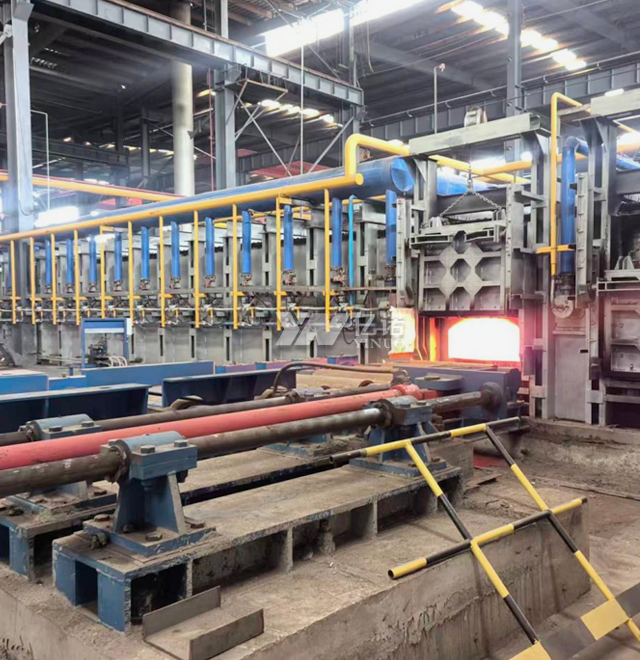
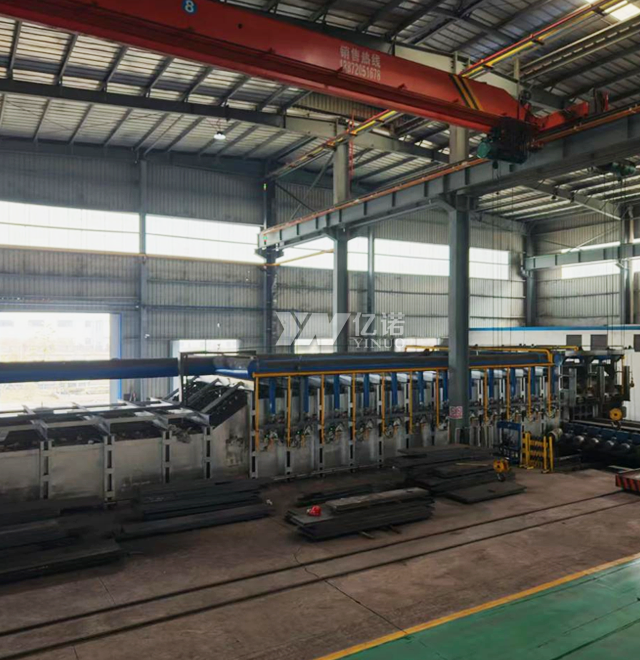
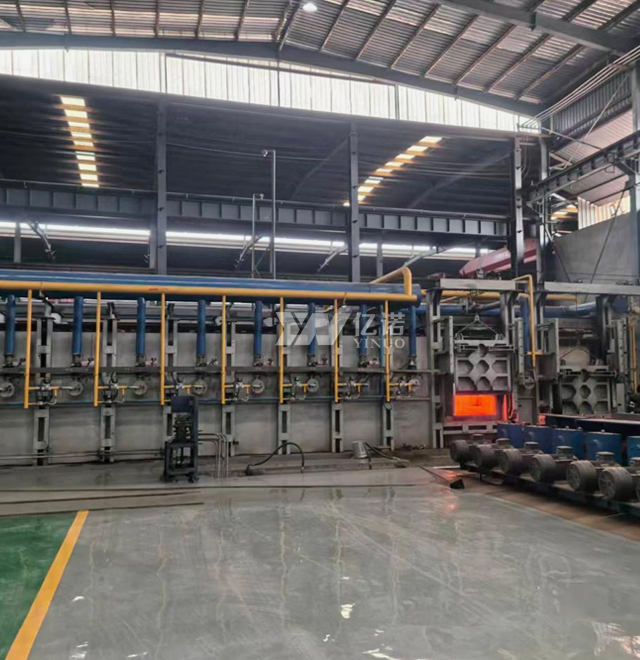
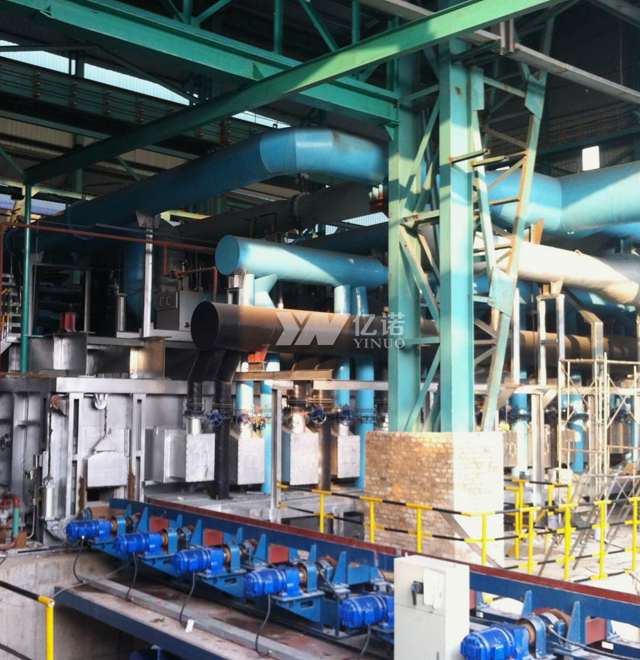
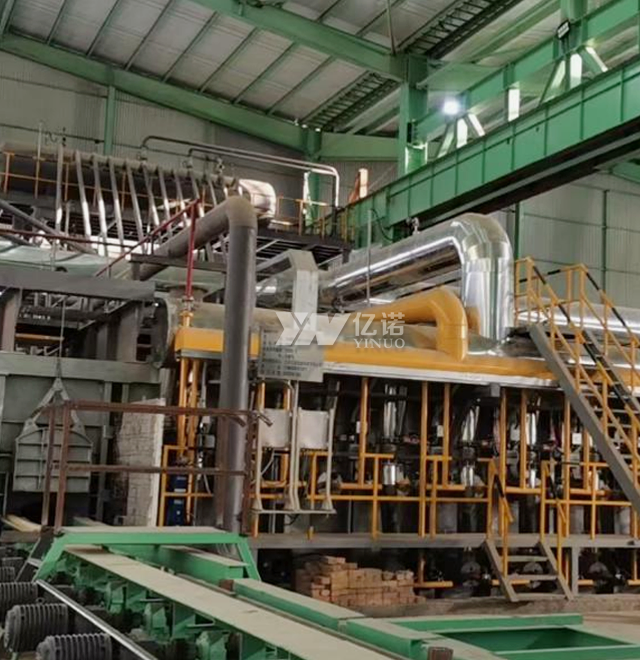
Walking Beam Furnace – Industrial Continuous Heating System with Advanced Material Handling Solutions
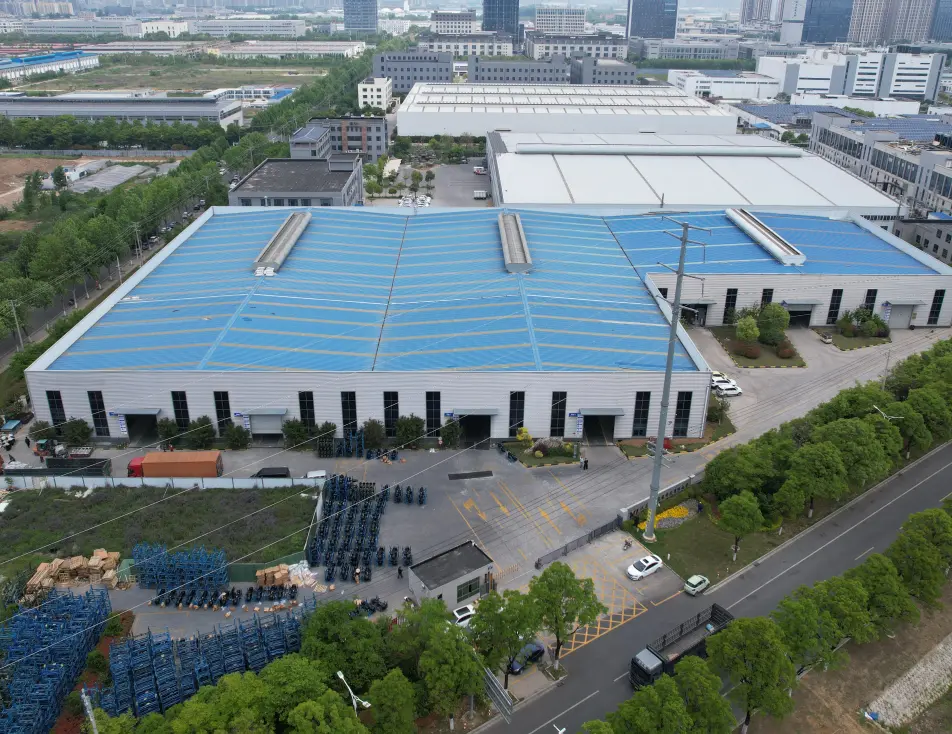
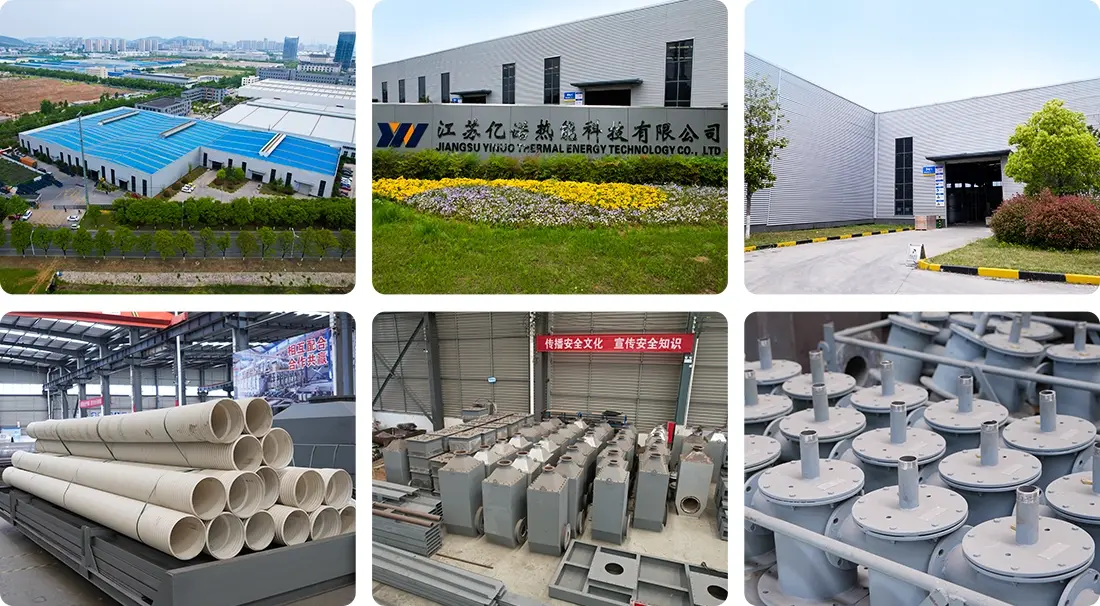
JIANGSU YINUO THERMAL ENERGY TECHNOLOGY CO., LTD builds Beam Furnace systems that hold up under heavy use. Steel plants rely on them for precise reheating. Our factory covers 20,000㎡ and we have more than 100 technical professionals on staff. Walking products from our line reach heating capacities of up to 350 t/h for slabs. Standard billets get up to 200 t/h. Energy use stays at ≤1.05 GJ/t steel on these systems. Heating temperatures run between 1,150–1,250°C. Continuous production lines need surface quality and even heat, and this is where the equipment fits.
What Makes furnace Different?
Pusher-type systems are the usual option. This product works differently. A lifting mechanism removes surface scratches and black oxide marks. Moving beams raise your billets. From there they travel forward with no sliding friction.
Hot gas reaches every side of the load, so heating stays even along the full furnace length. Consistent temperature profiles come out of this design. Reliable rolling operations depend on them.
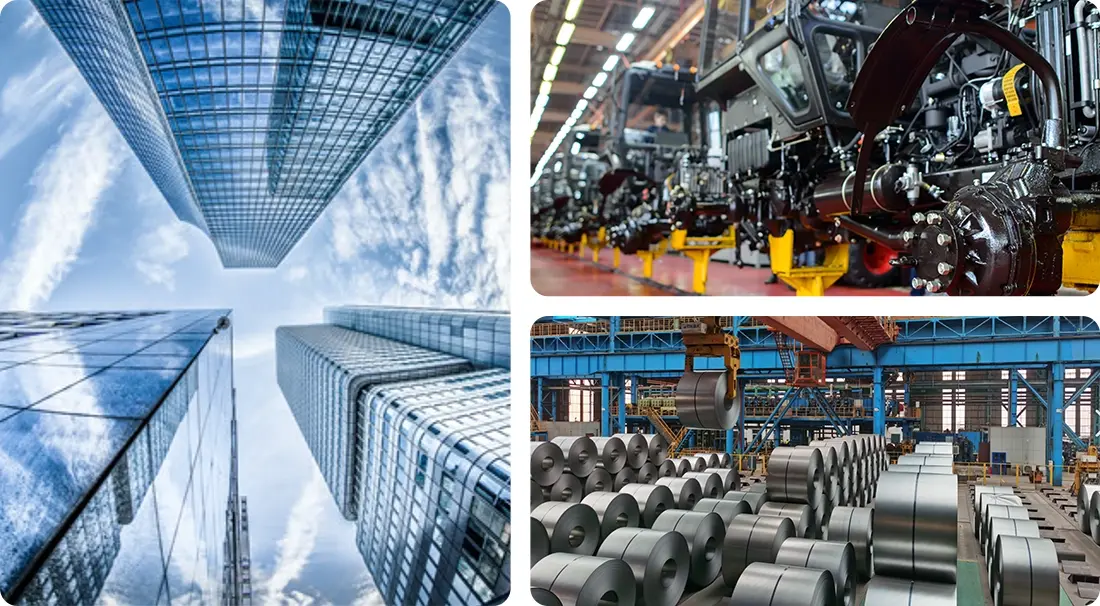
Low carbon steel is no problem for this system. Medium and high carbon grades run through it as well. Stainless steel works too. Standard billets, slabs, either one goes in, and our furnace is set to match your material specs.
Technical Specifications
| Parameter |
Specification |
| Furnace Type |
Walking Beam Furnace |
| Applicable Fuels |
Blast Furnace Gas, Mixed Gas, Producer Gas, Natural Gas |
| Heated Steel Grades |
Low Carbon Steel, Medium Carbon Steel, High Carbon Steel, Stainless Steel |
| Workpiece Blanks |
Standard Billets, Slabs |
| Charging & Discharging |
Side Charging & Side Discharging, End Measuring Feeding |
| Combustion Modes |
Dual Gas Regenerative Combustion, Single Air Heat Storage |
| Heating Capacity |
Max. 350 t/h (Slab) / Max. 200 t/h (Standard Billet) |
| Heating Temperature |
1,150–1,250°C |
| Walking Beam Cooling |
Water Cooling, Evaporative Cooling |
| Energy Consumption |
≤1.05 GJ per ton of steel |
| Oxidation Burning Loss |
<0.9% |
| Customization |
Available Based on Requirements |
Core Advantages for Your Production Line
Strong Heating Uniformity: Space left between the workpieces lets gas flow all the way around them. Heat reaches every side of your material in the same way. So cold spots and hot zones never get a chance to form.
Zero Surface Damage: The lift is mechanical, so workpieces never drag across the furnace. A pusher furnace makes them slide instead. Sliding is what leaves scratches, scuffs the surface and puts down skid marks, which all pull down product quality. Automotive-grade and stainless steel runs gain the most from this.
Unlimited Furnace Length: Our design removes pusher ratio constraints. You can heat thin blanks and various raw materials without pile-ups or buckling issues common in traditional systems.
Operational Flexibility: Electrodes pull out with little effort when production needs change. Gaps left between billets cut the time a furnace takes to heat up. That means less energy is wasted during start-up cycles.
Full Automation Capability: Accurate positioning control makes fully automatic running possible. Less manual work is needed from your team, and output stays more consistent.
How Walking Beam Technology Works
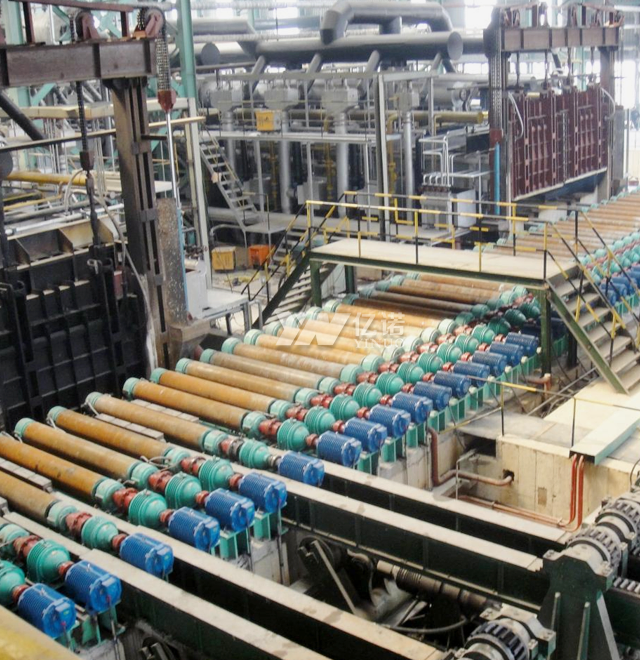
The hydraulic walking beam system picks up your workpiece, moves it a certain distance, and puts it back down. This "walking" action pushes materials through heating zones but without pulling.
High temperature alloy riders. Water cooled support beams. Minimise contact area. Conventional hearths are notorious for skid marks, yet the heat does penetrate the contact points well.
The system can be completely emptied without false bars. That makes maintenance plans and product changeovers easier, so downtime between manufacturing cycles is lowered.
Beam Furnace Quality Control Standards
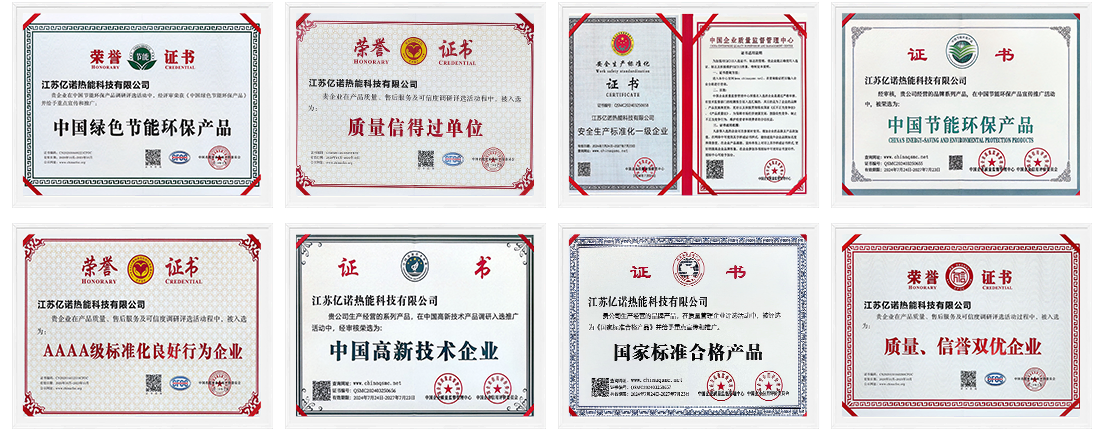
Every Beam Furnace is checked by our quality inspection department against national and industrial standards before delivery. Ultrasonic testing of refractory integrity for durability under cyclic thermal stress.
Pyrometric verification means calibrating infrared sensors and thermocouples against traceable standards. Flow analysis of the cooling system keeps heat exchange efficient so burn-through is avoided.
Emergency protection solutions include UPS backup for the control logic and gravity-fed water cooling to safeguard internal beam structures in case of power interruptions.
FAQ
Q: How does your furnace reduce skid marks compared to pusher designs?
A: Our staggered water-cooled pipe supports and high-temperature alloy riders minimize contact area and allow heat penetration at contact points, virtually eliminating skid marks.
Q: Can the furnace be completely emptied for maintenance?
A: Yes. The walking mechanism moves all products out without dummy bars, facilitating easier inspection and product changes.
Q: How long does a refractory lining usually last?
A: Good upkeep and steady heat cycles let a solid lining run 5 to 10 years in round-the-clock use.
Q: How do you manage scale formation during heating?
A: We control furnace atmosphere oxygen levels precisely and integrate high-pressure water descaling systems immediately after discharge.
Q: What protection exists during power failures?
A: Emergency UPS systems keep the control logic alive. Cooling from diesel pumps or gravity feed then shields key beam structures from heat damage.
Get Your Custom Heating Solution
Got a Beam Furnace project in mind? Write to our engineering team at info@yinuofurnaces.com. Tell them what your process needs. A proposal for your furnace will follow.