Steel Pusher Furnace Natural Gas Burner | Advanced Combustion System for Continuous Steel Reheating Applications
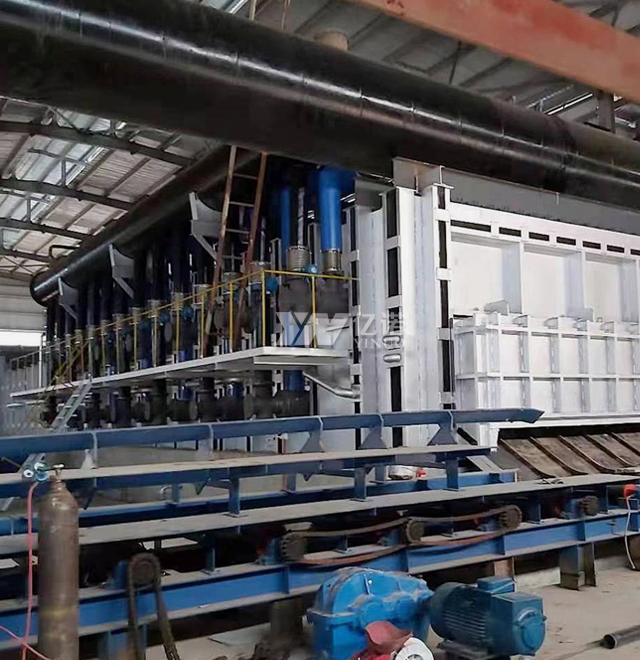
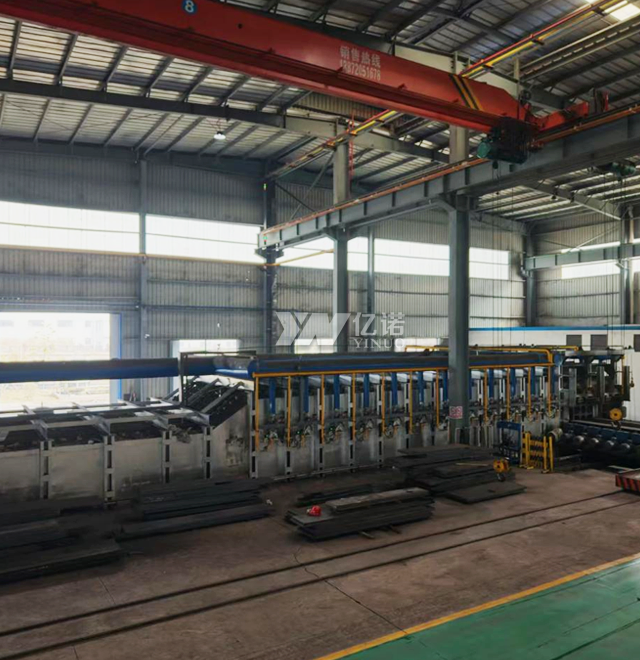
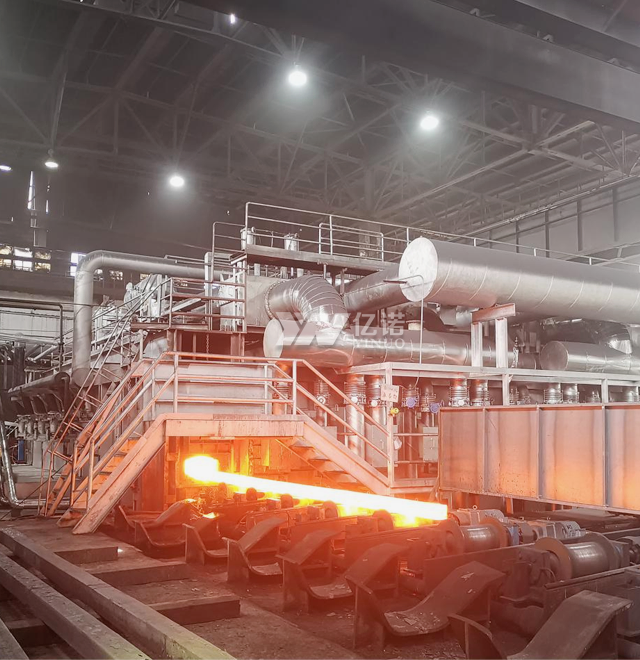
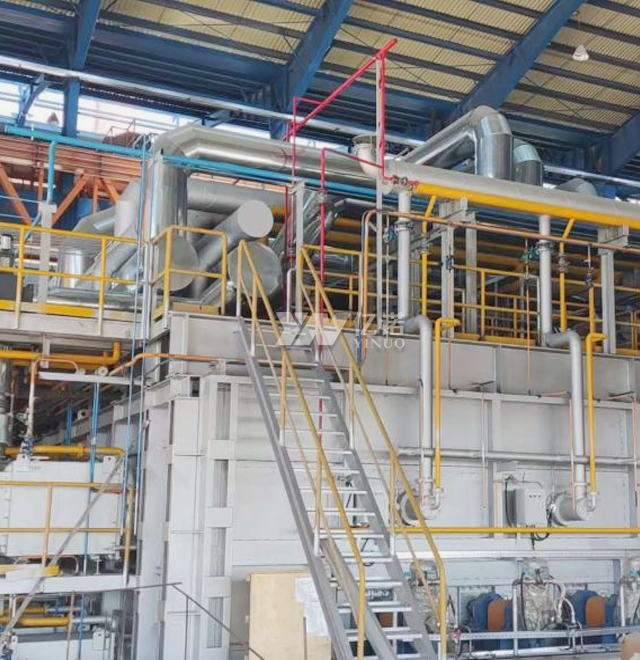
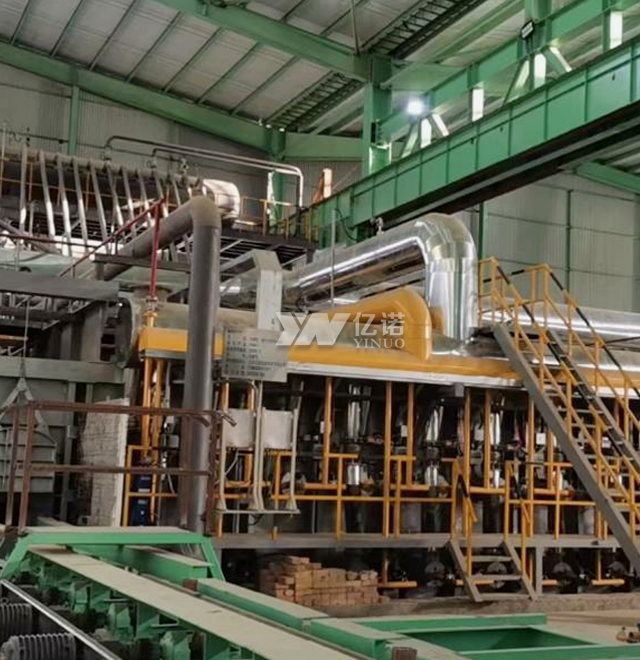
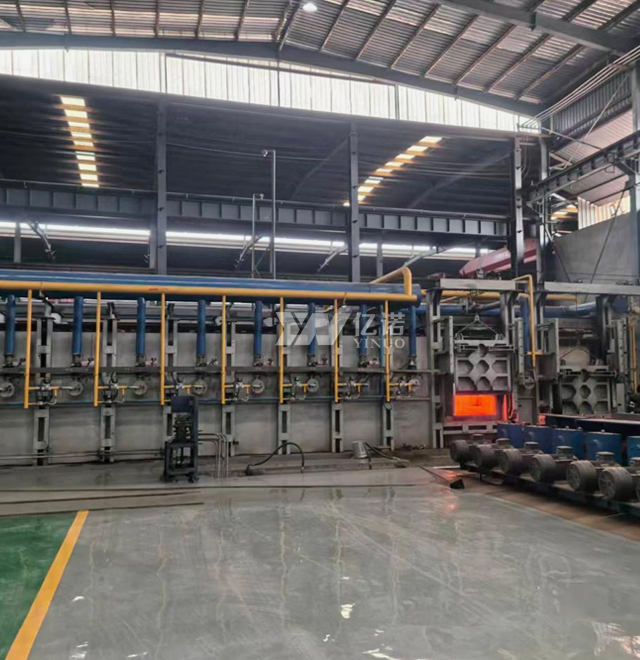
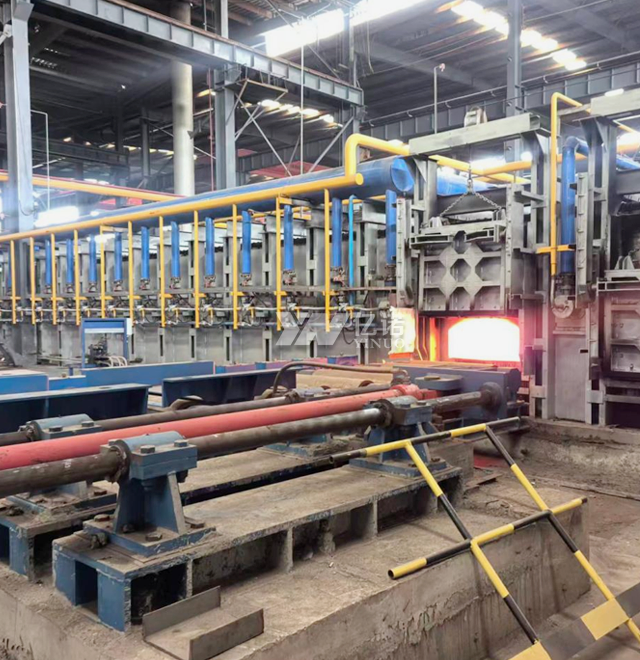
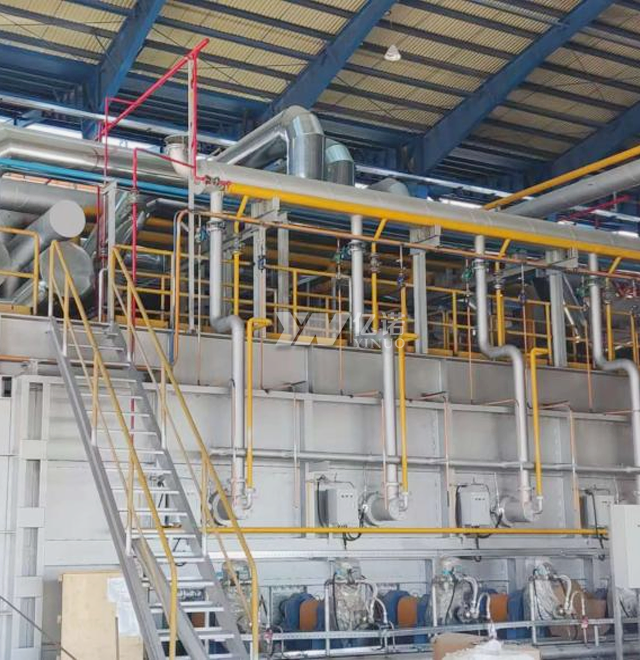
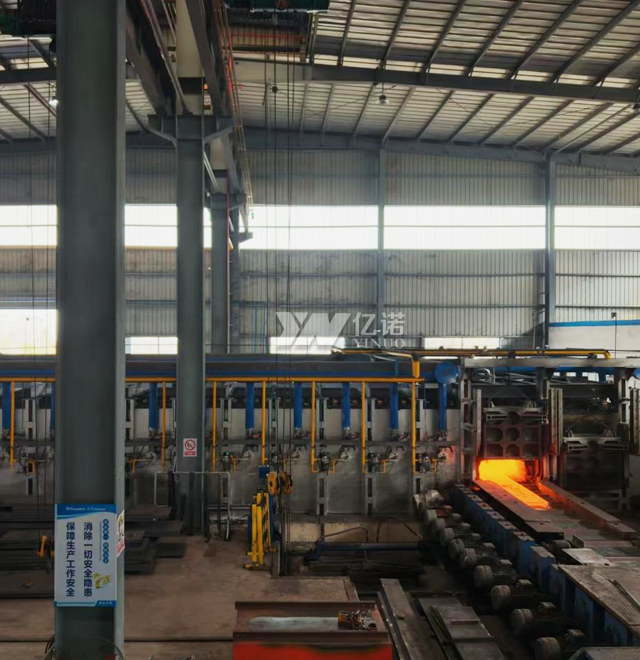
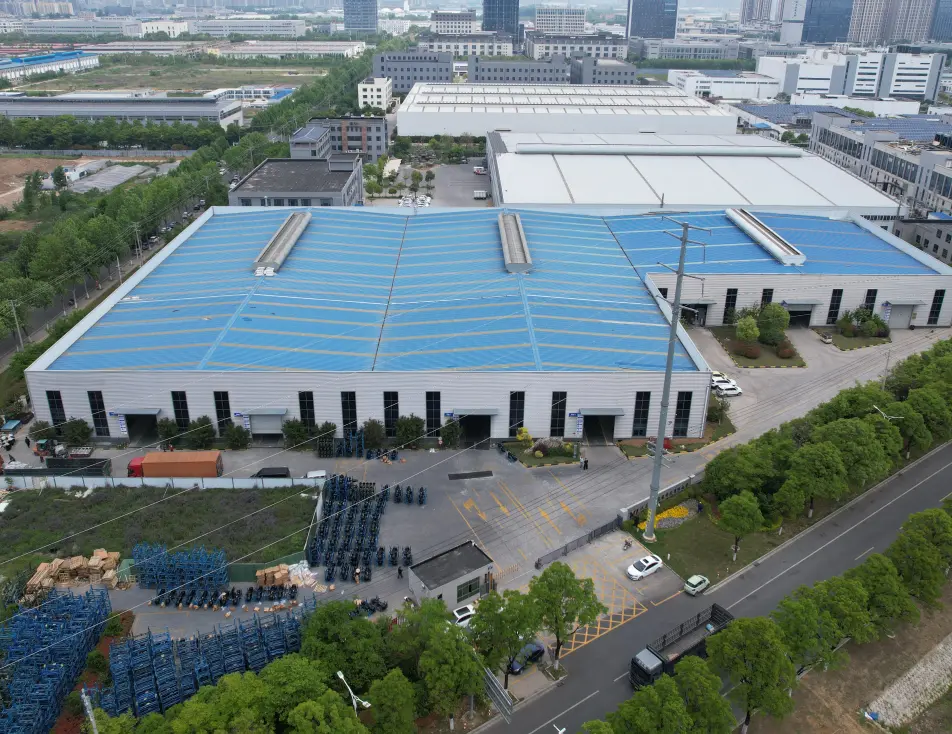
JIANGSU YINUO THERMAL ENERGY TECHNOLOGY CO., LTD builds industrial-grade Steel Pusher Furnace Natural Gas Burner systems. These units are made for continuous reheating work in steel plants. The production site covers 20,000㎡, and more than 100 specialist engineers work there. Fitting our burners into pusher-type furnaces is a straightforward job. Heating capacity goes up to 200 t/h, at temperatures of 1150–1250°C. Energy use can be as low as 1.1 GJ/t steel. Heat stays even through the preheating, heating and soaking zones. Structural steel and low-alloy steel both run well on it. Carbon steel processing is handled too.
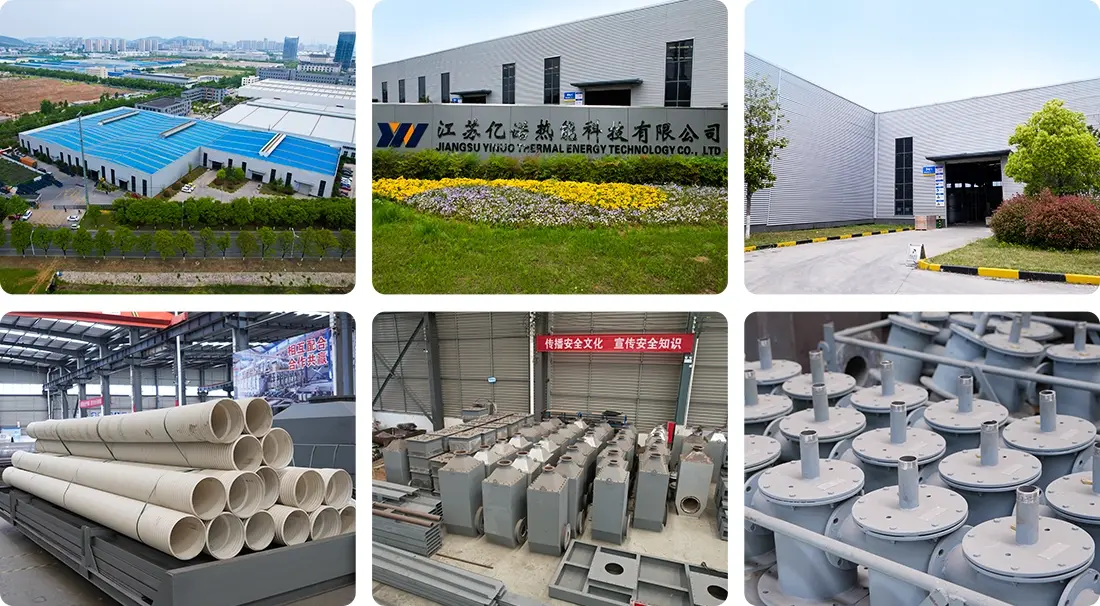
What Makes Our Natural Gas Burner System Strong?
This product is a modern combustion engineering solution for metallurgical reheating applications. The technology is different from ordinary burners in that it is used in the harsh thermal environment of pusher furnaces in which billets are mechanically transported across several heating zones.
Uneven heating, heavy scale build-up, and thermal instability during load changes are the usual production headaches. Our burner technology deals with all of them. Strong fluid dynamics push heat deep into the steel. Air-to-fuel ratio controls stay accurate. Tight energy efficiency standards are still met.
A 10:1 turn-down ratio is what these units deliver. Change production speed and the flame still holds. Nozzles come in high-grade refractory, which stands up to furnaces running above 1300°C. They last for years.
Technical Specifications
| Item |
Specification |
| Furnace Type |
Pushing Reheating Furnace |
| Fuel Types |
Blast Furnace Gas (BFG), Mixed Gas, Producer Gas, Natural Gas |
| Applicable Steel Grades |
Structural Steel, Low-Alloy Steel, Reliable Carbon Steel |
| Billet Types |
Standard Billets, Special-Shaped Billets |
| Charging & Discharging Methods |
End Charging & Side Discharging, Cantilever Roller Discharging, Hydraulic Pusher Charging |
| Combustion System |
Dual-Regenerative Air-Gas System, Single-Regenerative Air System, Conventional Recuperative Combustion System |
| Heating Capacity |
Up to 200 t/h |
| Heating Temperature |
1150–1250°C |
| Hearth Cooling Method |
Evaporative Cooling or Water Cooling |
| Comparable Energy Consumption |
Approximately 1.1 GJ/t Steel |
| Customization |
Available based on customer requirements |
Key Performance Advantages
Lower Investment and Faster Deployment
Buying one of our burner systems costs far less than other heating technologies. Fewer parts also mean the build goes quicker. Your line is running sooner, and the site work needed is small.
Simplified Operation and Maintenance
Controls on the Steel Pusher Furnace Natural Gas Burner are easy to pick up, and the parts are within reach. Operators need less skill to run it day to day. Maintenance stays simple and cheap.
Enhanced Energy Efficiency
This equipment can be paired with recuperative combustion systems. Dual-regenerative air-gas setups work with it too. Preheated combustion air at up to 600°C then becomes possible. Fuel use falls a good deal. Heat output, meanwhile, holds steady.
Strong Flame Control
The flame shape can be adjusted. That keeps the flame from hitting steel surfaces directly. Scale build-up drops as a result, because oxygen levels are controlled with care. Furnace atmosphere improves, oxidation rates go down, and the finished product comes out better.
Industrial Applications of Steel Pusher Furnace Natural Gas Burner
Billet Re-heating Lines
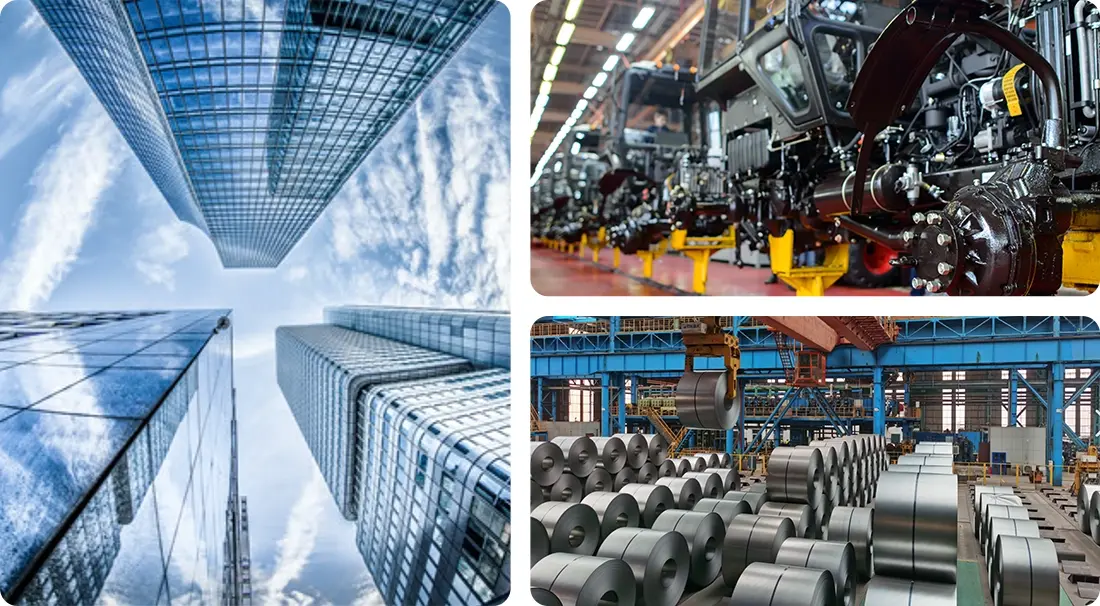
The burner is very suitable for the continuous rolling mill for long goods such as rebar and wire rod. You get steady temperature profiles across the whole width of the furnace and you get uniform ductility and uniform mechanical characteristics in produced steel.
Production of Heavy Plate
We use high-capacity burners that produce the high level of thermal energy needed to reheat huge slab thick-section steel. Robust construction withstands severe vibration and dusty surroundings typical of big plate mills.
Energy Efficiency Improvements
Older steel mills use our product technology to swap out burners that run on oil or atmospheric gas and are past their best. Fuel savings of 15-20% are within reach, and your carbon impact falls when you hook up to PLC-based pulse firing systems.
Quality Assurance and Compliance
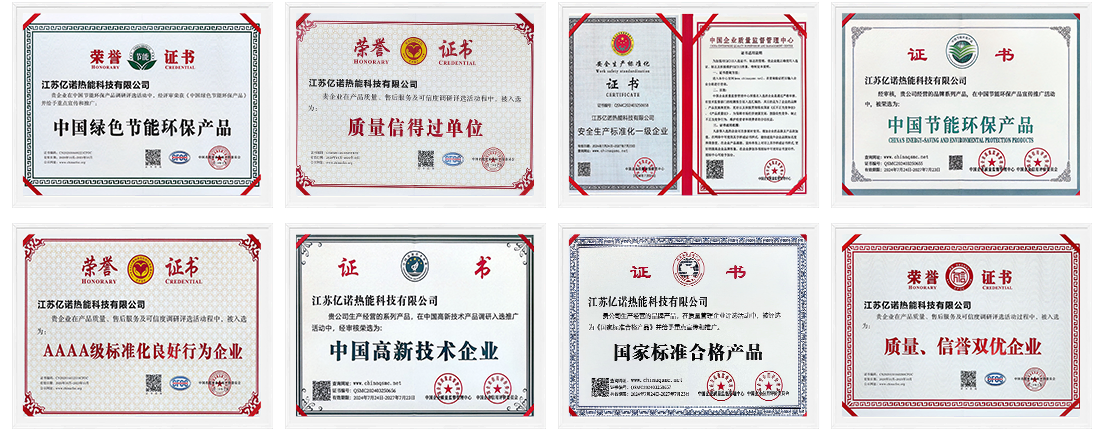
Our plant follows ISO 9001 for quality control. EN 746-2 is the second standard we build to. It sets the safety rules for industrial thermoprocessing equipment. Before any burner ships, it goes through a full inspection.
We run leak tests under pressure. They show the unit stays gas tight even when the operating pressure runs high. Next comes flame stability analysis, which covers the full turn-down range. No flame-out happens. Flashback does not occur either.
Ultrasonic and X-ray testing covers critical weldments, so the material integrity gets checked. To confirm the high-temperature alloy specs, we use spectroscopy. Emissions are measured with certified Steel Pusher Furnace Natural Gas Burner flue gas analyzers. Those readings cover NOx and CO, and they are checked against environmental benchmarks.
FAQ
Q: How does the burner cope with swings in natural gas pressure?
A: The system includes high-precision gas trains. Pressure regulators mounted on them hold mass flow steady. Air-fuel ratios are matched automatically by zero-pressure governors. Supply shifts get leveled out this way. No operator has to step in.
Q: Can combustion air that has been preheated be used with these burners?
A: Yes. The burners come with heat-resistant internals built to work with a recuperator. Exhaust gas heat gets reused instead of lost. That gives a clear jump in thermal efficiency.
Q: How is scale formation minimized during heating?
A: Oxygen levels stay under tight control. This is done either with sub-stoichiometric firing or with a set amount of excess air. The furnace atmosphere that results cuts steel surface oxidation a lot. Less scale forms because of it.
Q: What maintenance intervals should we expect?
A: By design, the burner needs little upkeep. Even so, give the nozzles and electrodes a check every six months. Once a year, run a full system calibration. Doing that keeps you within safety and emission standards.
Q: Is pulse firing control supported?
A: Pulse-firing control now comes built into modern product systems. That makes temperatures more even in soaking zones. It also cuts energy use across the whole system.
Partner With Industrial Heating Experts
JIANGSU YINUO THERMAL ENERGY TECHNOLOGY CO., LTD provides complete engineering solutions from design through installation and commissioning. Contact us at info@yinuofurnaces.com for customized Steel Pusher Furnace Natural Gas Burner solutions.