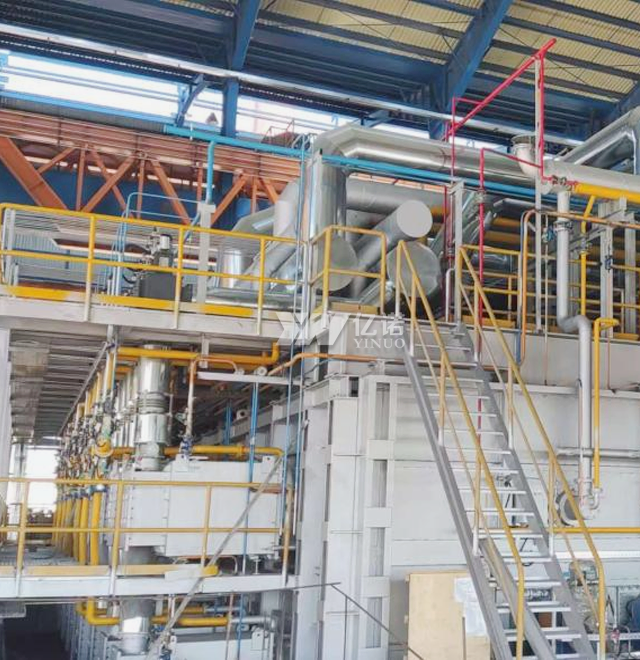
Walking Beam Type Reheating Furnace - Advanced Industrial Heating Solution for Steel Processing Excellence
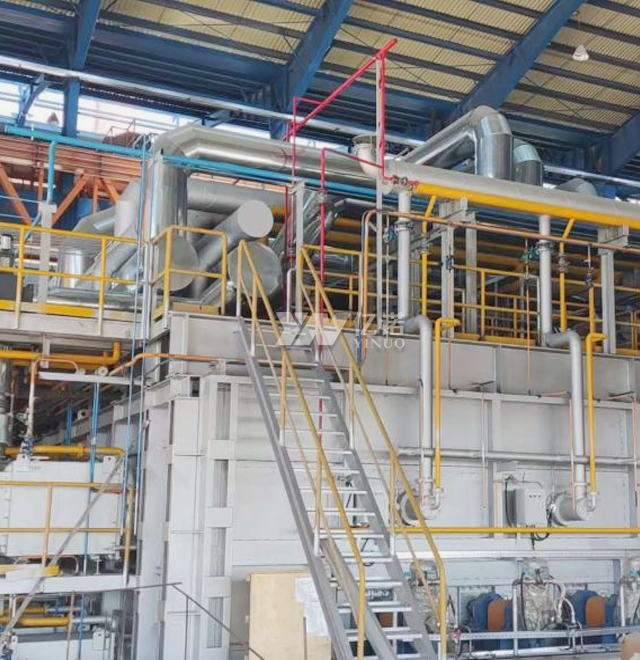
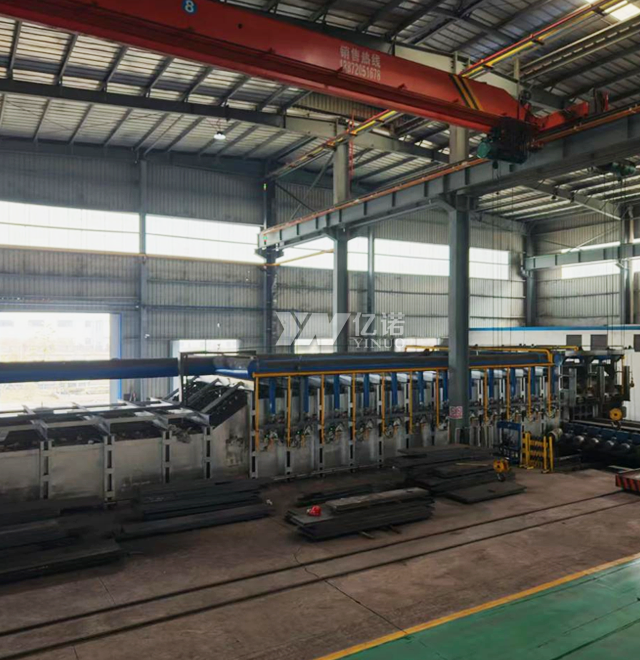
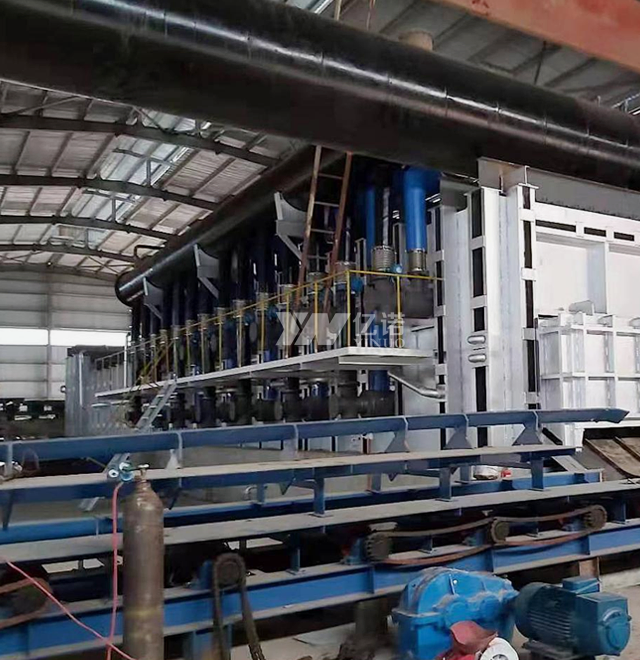
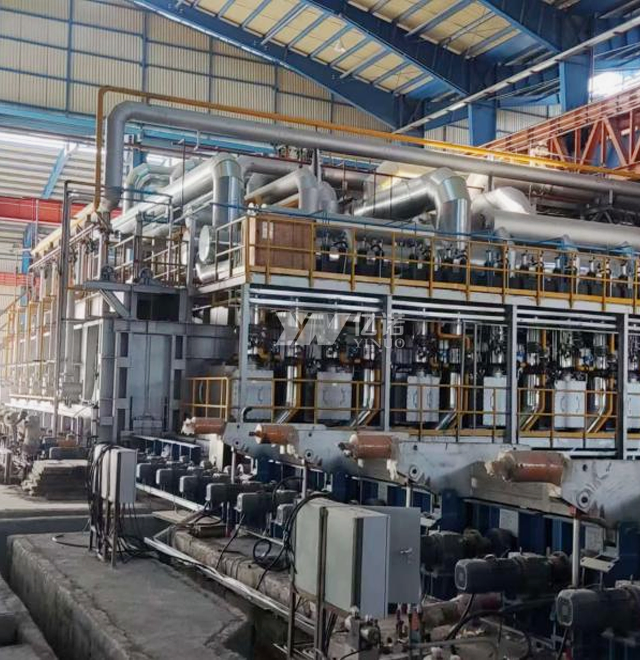
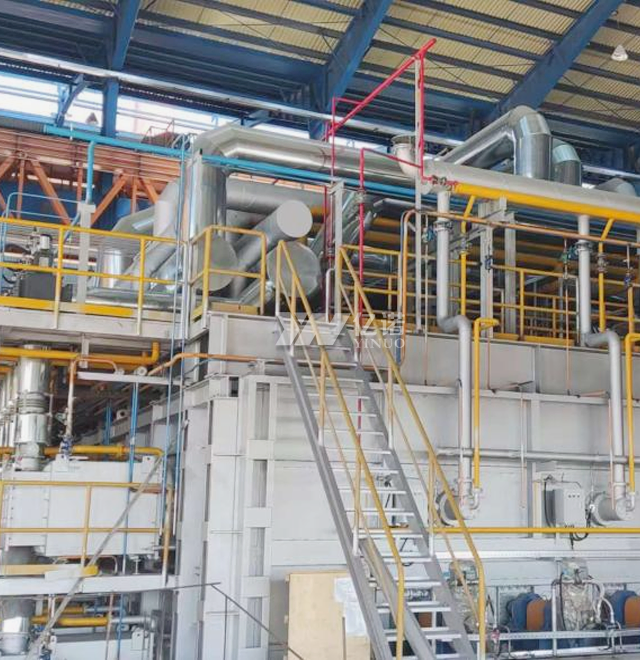
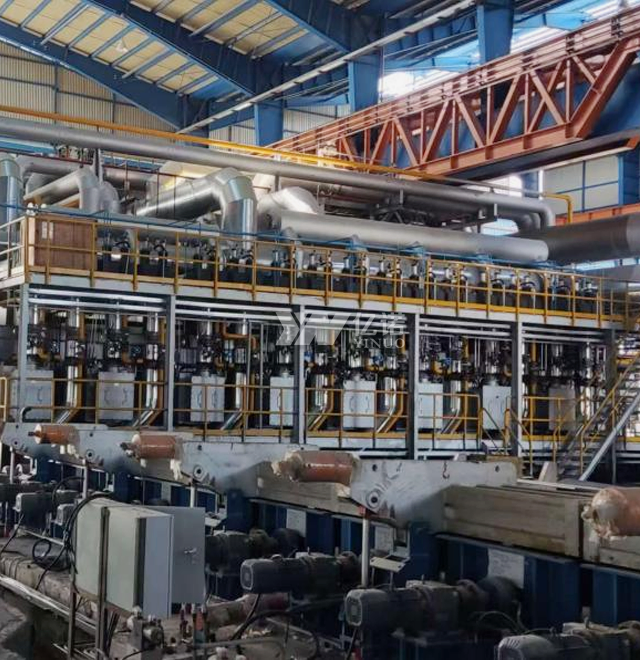
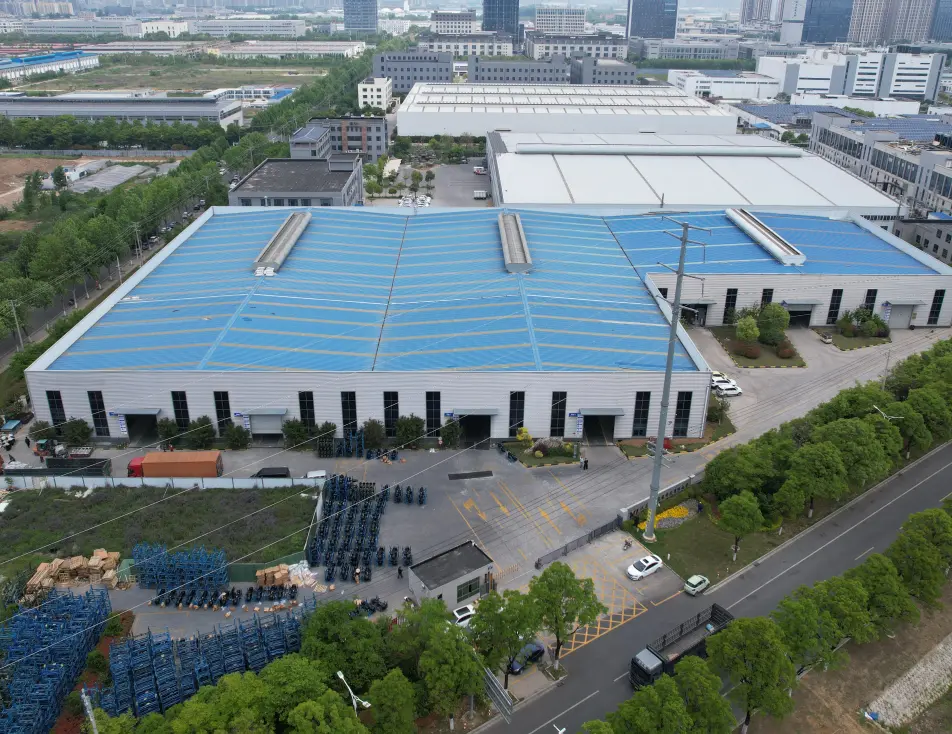
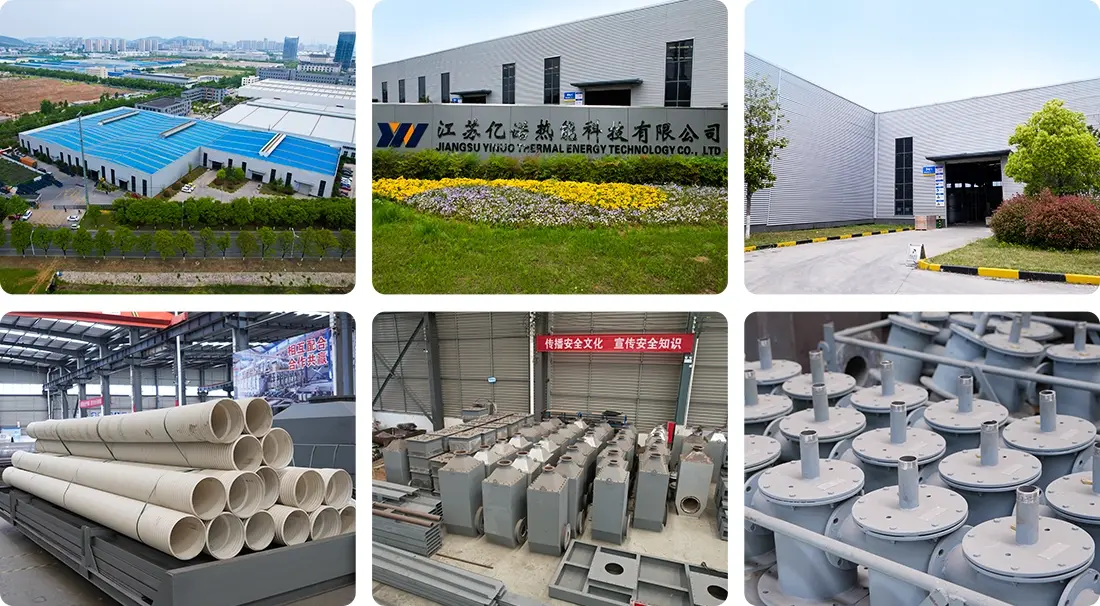
JIANGSU YINUO THERMAL ENERGY TECHNOLOGY CO., LTD makes Walking Beam Type Reheating Furnace systems for steel heating jobs that need tight control. Our plant covers 20,000㎡. Fixed assets are 80 million yuan. More than 100 engineers and technicians work there. These furnaces can heat slabs at up to 350 t/h. For standard billets the rate is up to 200 t/h. Heating temperatures stay between 1150–1250°C. Oxidation loss stays below 0.9%. The equipment gives even temperature spread and a surface free of damage for tough metallurgical work.
Why Choose Our Walking Beam Heating Systems?
Your production needs accurate, steady operation. A lift-and-carry mechanism on our product takes out surface scratches and black oxide stains. Common pusher furnaces leave those marks behind. Between workpieces, a clean gap stays open. That gap gives even heating for every steel grade.
The electrode pullout design can be adjusted. That lets you react fast when production changes. Gaps left between billets cut the time the furnace needs to heat up. They also help the furnace run better. With good positioning control, the line can run fully automatic. That means less labour and more even results.
Your materials are heat treated uniformly regardless of size. With the limitless effective furnace length you can accept thin blanks and a wide range of raw materials without any restrictions for pusher charging ratio providing you with remarkable processing flexibility.
Technical Specifications
| Parameter |
Specification |
| Furnace Type |
Walking Beam Furnace |
| Applicable Fuels |
Blast Furnace Gas, Mixed Gas, Producer Gas, Natural Gas |
| Heated Steel Grades |
Low Carbon Steel, Medium Carbon Steel, High Carbon Steel, Stainless Steel |
| Workpiece Types |
Standard Billets, Slabs |
| Charging & Discharging |
Side Charging & Side Discharging, End Measuring Feeding |
| Combustion Modes |
Dual Gas Regenerative Combustion, Single Air Heat Storage Heat Transfer |
| Heating Capacity |
Max. 350 t/h (Slab); Max. 200 t/h (Standard Billet) |
| Heating Temperature Range |
1150–1250°C |
| Walking Beam Cooling |
Water Cooling, Evaporative Cooling |
| Unit Heat Consumption |
≤1.05 GJ per ton of steel |
| Oxidation Burning Loss |
< 0.9% |
| Customization |
Available based on customer requirements |
Core Performance Advantages
Surface protection gets better. Manufacturing quality also goes up. The walking beam system keeps the product away from physical contact, so damage does not happen. That removes skid marks and surface flaws. Both can harm how the product looks and how it performs mechanically.
Energy efficiency here is the best in its class. The thermal insulation design has been improved. Along with dual gas regenerative combustion technology, it cuts fuel use. Temperature profiles stay steady through the whole heating cycle.
Operational flexibility satisfies the requirements of modern production. The furnace is entirely emptied as required, several sizes of stock can be worked independently and heating zones can be adjusted to individual metallurgical requirements.
The automatic positioning mechanism keeps billet control accurate. That accuracy gives repeatable heating patterns. It also helps the line work smoothly with downstream rolling operations. The result is fewer rejected parts and a better overall yield.
Industrial Applications
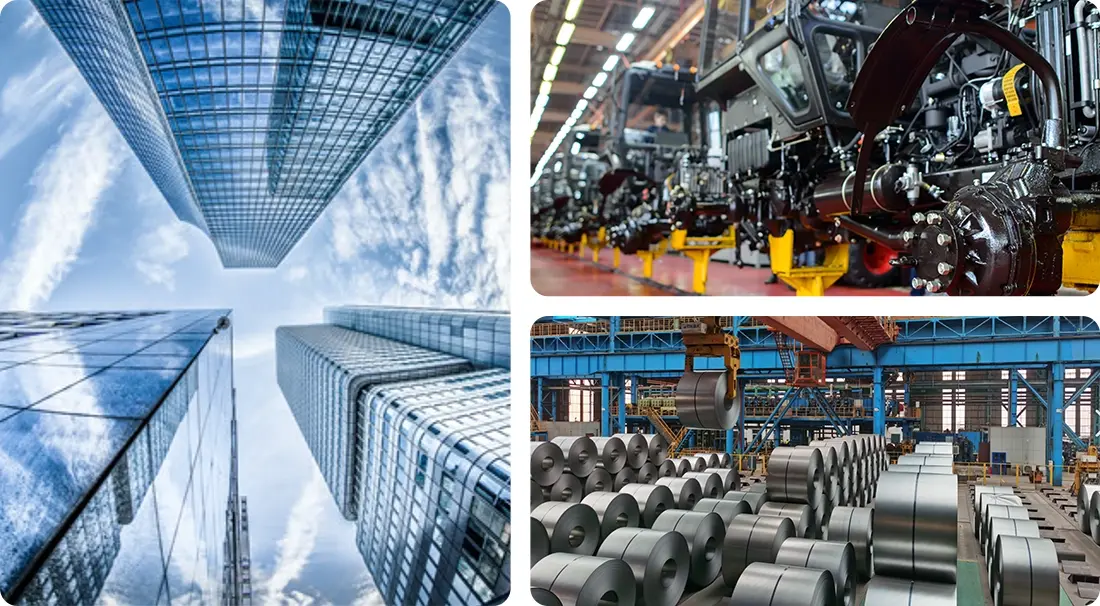
Hot strip mills use our Walking Beam Type Reheating Furnace to heat large slabs. Here, what happens to the surface has a direct effect on cold-rolling quality. The lift-and-carry motion keeps the underside of the slab safe from mechanical damage. Material properties stay intact for high-value applications.
Plants that roll heavy plate often work with slabs over 300mm thick. For them, bottom-firing zones with refined control pay off. Deep heat penetration comes from these systems. So does an even core temperature, which structural steel plate needs to stay consistent.
Specialty seamless pipe mills utilize our furnaces for heating round billets. The rotation-free transport maintains metallurgical structure integrity before the piercing process, supporting strong pipe wall uniformity.
Complete Engineering Support for Your Walking Beam Type Reheating Furnace
From the first design drawings to final commissioning, we cover the whole job. A multidisciplinary team backs your project. Mechanical engineers are part of it, along with automatic control specialists and quality inspection professionals.
Every furnace component gets checked against national and industrial standards before it ships. That is what our quality management system is for. Inspection steps run through the whole build, and they confirm the performance specs and the safety rules are met.
Installation and project management services streamline your facility integration. We coordinate all aspects of Walking Beam Type Reheating Furnace deployment, minimizing downtime and accelerating your return to full production capacity.

FAQ
Q: How does the walking beam mechanism prevent surface damage?
A: Steel and the support structures stay in contact for less time thanks to the lift-and-carry motion. Contact points move every so often. Localized cold spots never get a chance to form, thermal gradients stay uniform, and the surface comes out free of scratches and marks.
Q: What fuel flexibility does the system offer?
A: Natural gas works in our furnaces. So do blast furnace gas, mixed gas, and producer gas. With dual-fuel setups you can keep running costs down. It comes down to what fuel you can get and how prices move.
Q: Can billets of different sizes run through the line at the same time?
A: Yes. Each walking cycle runs on its own, so the gap between workpieces can change. Different lengths and cross-sections go through together. No mechanical changes are needed. Material will not pile up.
Q: How is scale loss minimized?
A: Low-NOx regenerative burners keep a slightly reducing atmosphere. Careful air-fuel ratio control makes this possible. That setting blocks oxidation. Scale loss stays below 0.9%, and environmental emission standards are still met.
Q: What happens during mill delays?
A: The system can oscillate billets to maintain temperature without causing sagging or welding. This waddle function preserves material quality during production interruptions, protecting your investment in raw materials.
Get Your Custom Solution Today
Contact our technical team at info@yinuofurnaces.com for detailed specifications and customized Walking Beam Type Reheating Furnace solutions tailored to your production requirements.