Annular Heating Furnace Round Billet Forging System – Precision Thermal Solutions for High-Performance Metal Processing
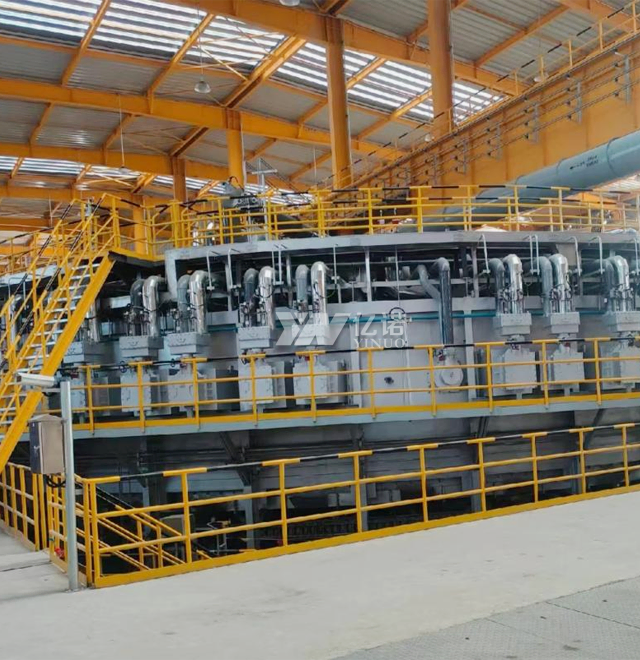
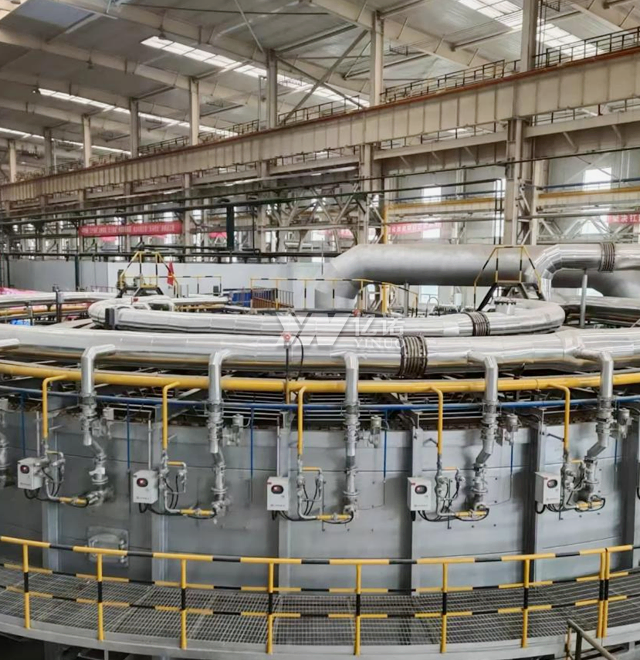
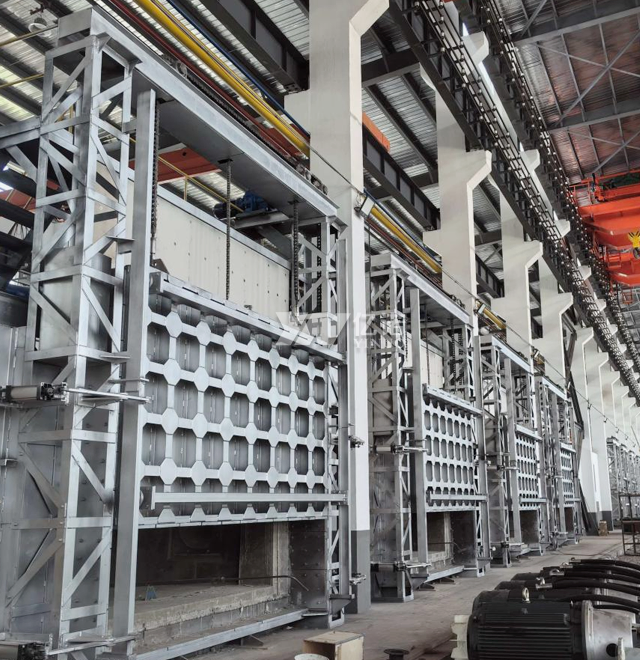
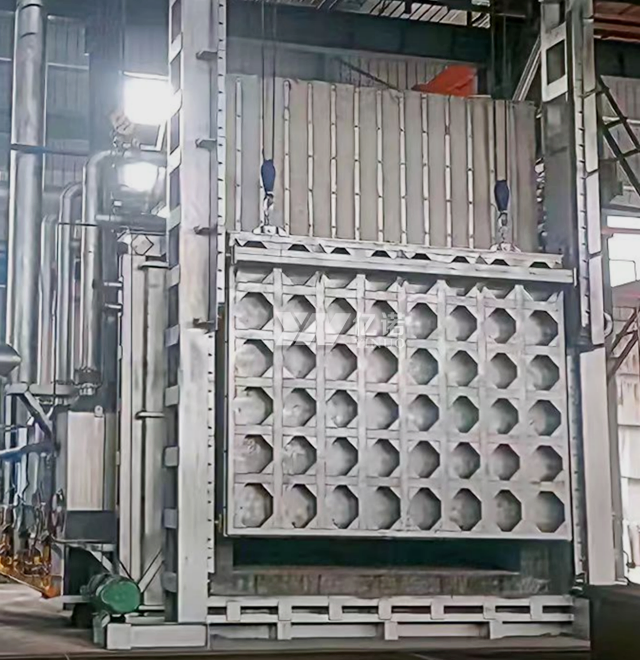
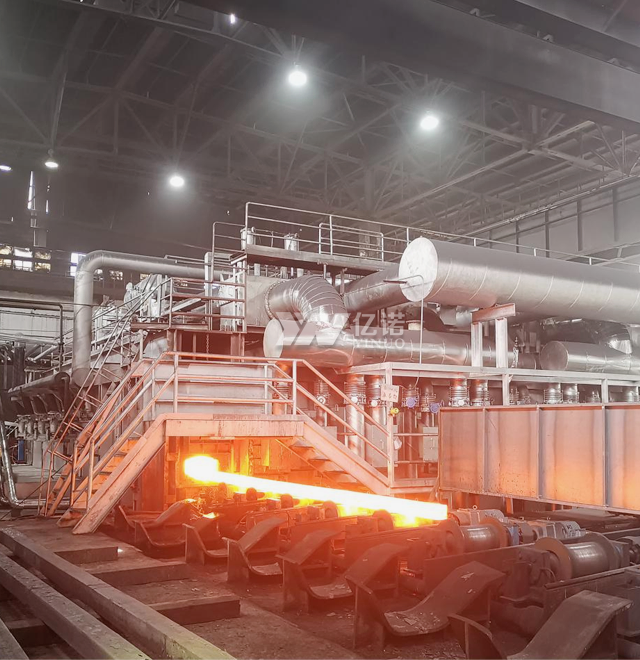
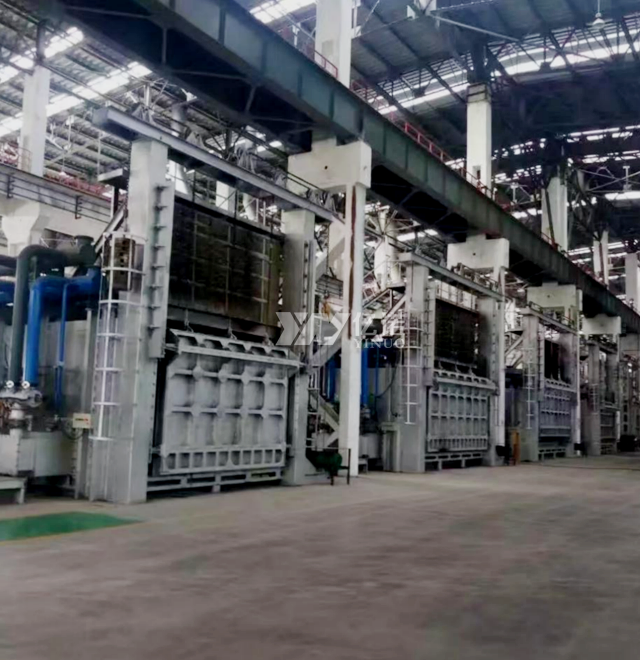
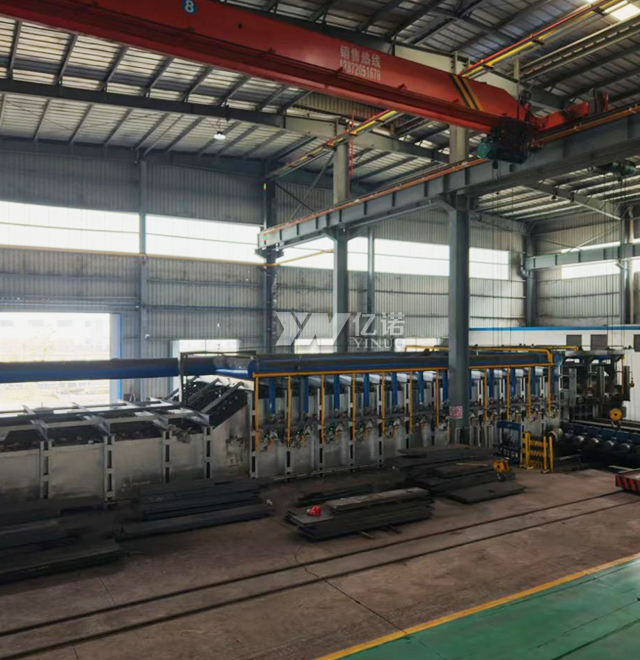
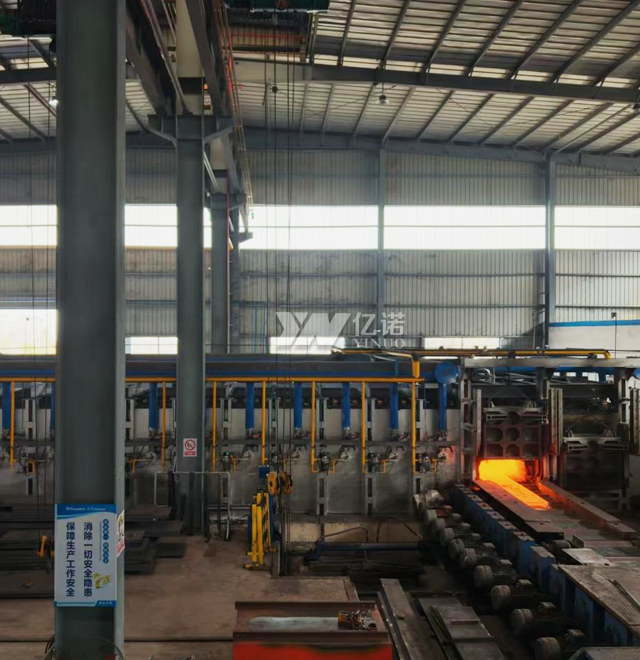
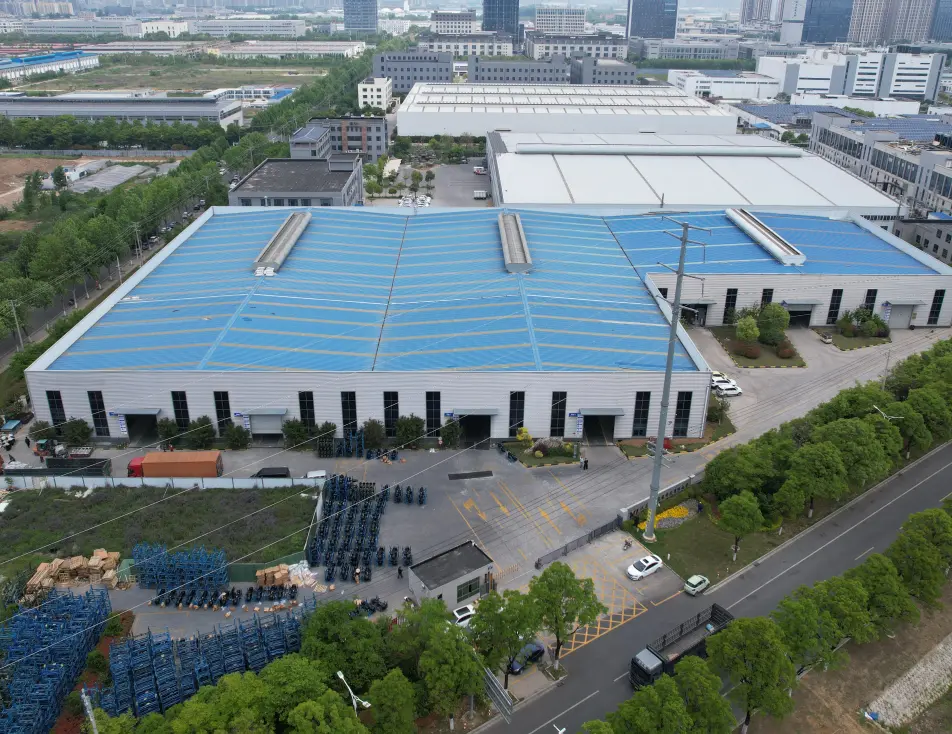
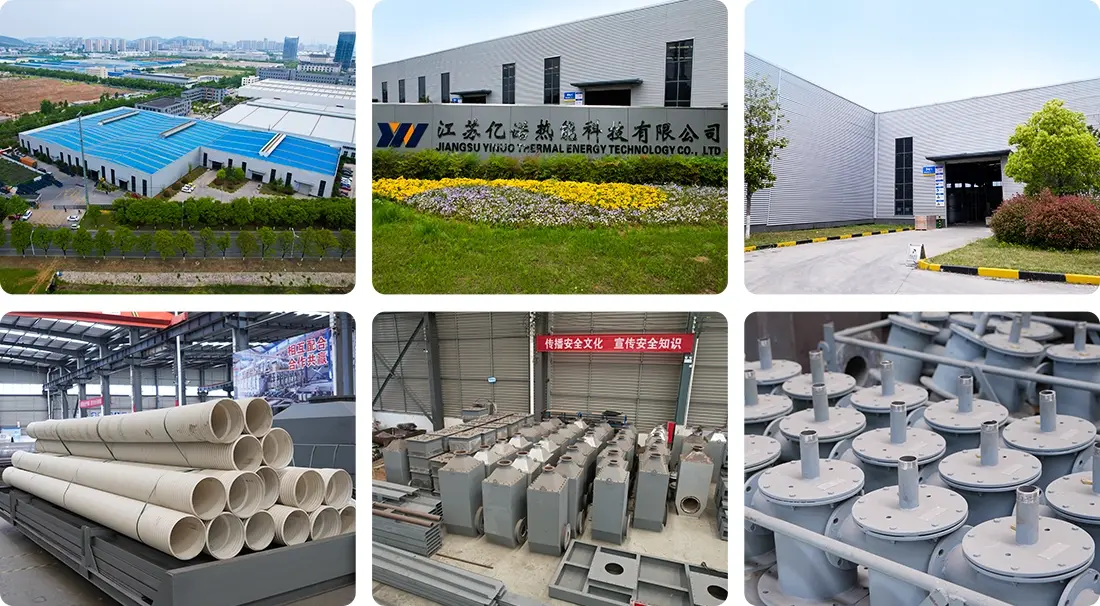
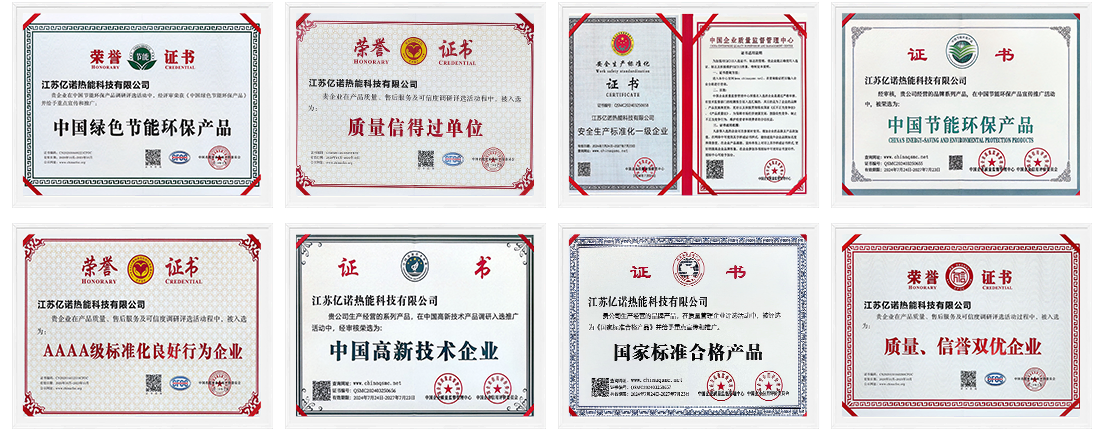
Annular Heating Furnace Round Billet Forging systems come from JIANGSU YINUO THERMAL ENERGY TECHNOLOGY CO., LTD. Metal processing plants that handle big volumes are the ones who use them. The factory sits on 20,000㎡ and holds 80 million yuan in fixed assets. Over 100 technical professionals work here. Regenerative combustion systems push thermal efficiency on the industrial heating solutions we deliver up to 75%. On small to medium rotary hearth furnaces, furnace bottom specific output runs from 150–250 kg/(m²·h). Large-scale installations run from 350–450 kg/(m²·h). Across the whole heating cycle, temperature uniformity deviation stays within ±15°C.
What Makes Our Annular Heating Furnace Ideal for Round Billet Forging?
The product method is designed on a revolving hearth technique that conveys cylindrical steel billets thru well controlled temperature zones. This removes the faults of billet arching which are typical in standard pusher furnaces.
The ring-shaped structure moves each billet apart as it turns. Straight-line heating does not work that way. Heat goes in fast. From core to top, the temperature holds even. A normal cycle runs 40 to 90 minutes. Billet size and material quality decide how long.
Manufacturing flexibility comes from our rotational transfer system. If equipment trouble hits, one blocked part clears fast. The rest of the batch does not wait. Down-time drops as a result. Your production schedule stays protected.
Technical Specifications
| Parameter |
Specification |
| Furnace Bottom Specific Output |
Small & medium furnaces (ring width: 1.5 m): 150–250 kg/(m²·h)
Large furnaces (ring width: 4 m): 350–450 kg/(m²·h) |
| Thermal Efficiency |
Conventional furnace: 55%–65%
Regenerative combustion system: 70%–75% |
| Working Layer Material |
High-alumina bricks (Al₂O₃ content ≥ 65%) |
| Insulation Layer Material |
Aluminosilicate fiber (thermal conductivity = 0.12 W/(m·K)) |
| Temperature Uniformity |
Deviation controlled within ±15°C |
| Heating Cycle |
40–90 minutes (depending on billet specifications) |
| Customization |
Available based on customer requirements |
Core Advantages for Your Forging Operations
Enhanced Heating Uniformity
High-alumina bricks and aluminosilicate fiber insulation make up our refractory lining structure. Heat loss falls with this setup. Every heating zone also keeps a consistent temperature distribution.
Strong Production Efficiency
This layout keeps the billets apart. Heat gets through them faster. Output rises. Metallurgical quality holds at the level it should. On big furnace models, specific output can reach 450 kg/(m²·h) for high-volume production lines.
Reduced Operational Costs
A regenerative combustion system does not throw waste heat away. The heat is caught and sent back into the heating process. Thermal efficiency reaches 75%. That cuts fuel use and running costs.
Operational Reliability
Mechanical stress problems often show up in pusher systems. Our rotary hearth design steers clear of them. Billets move smoothly. Surfaces stay free of damage. No positional deviations turn up that could harm forging quality further down the line.
Industrial Applications for Annular Heating Furnace Round Billet Forging
Seamless Pipe Manufacturing
Billets get even heat from the Annular Heating Furnace Round Billet Forging setup before they reach the piercing mill. Wall thickness stays accurate. The bore also stays concentric. For oil country tubular goods, both points matter.
Automotive Component Forging
Crankshafts made from high-carbon steel need tight heat control. Our furnace holds the exact temperature windows that give good die filling and fatigue resistance in performance engine parts.
Wind Energy Equipment
Main shaft flanges are cut from large-diameter round billets. Those billets are heated evenly. The grain structure comes out with no variation. That structure lets the flange carry high torque loads in wind turbine assemblies.
Heavy Machinery Parts
Complex alloy steels such as AISI 4140 and 4340 go into our controlled soaking zones. Every carbide has to dissolve completely. Exact heating rates are needed for that. Grain growth goes too far when heating is too fast.
Complete Engineering Support from Design to Commissioning
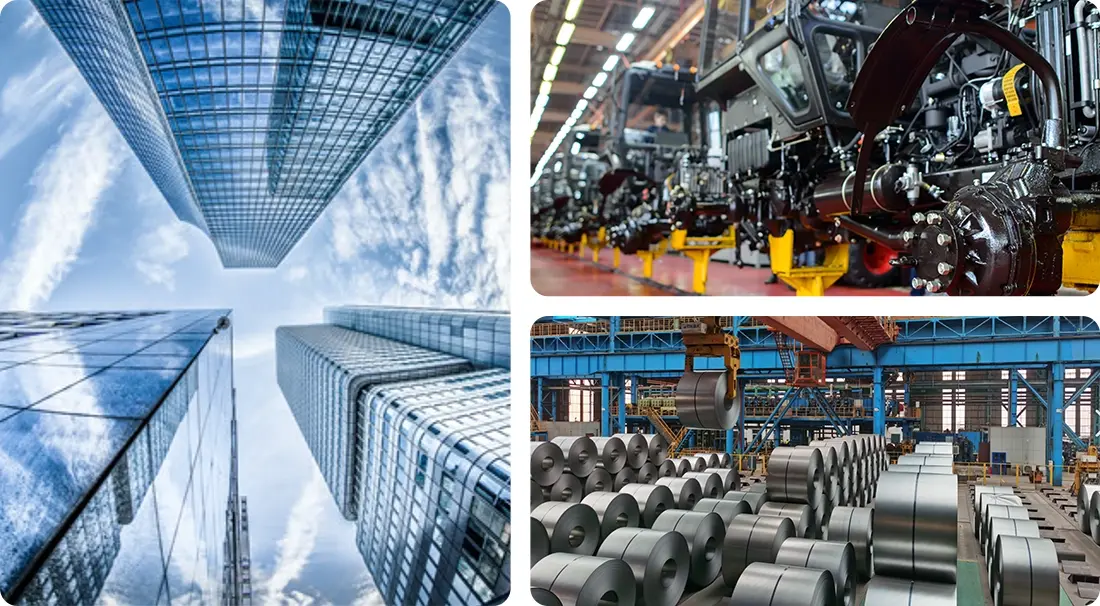
Every phase of a project goes through our multidisciplinary team. Mechanical engineers look at your facility layout and design the furnace structure around it. Heating profiles are written by our automatic control engineers, who match them to your material specifications.
Quality inspection engineers carry out thermal uniformity surveys before shipment. Installation teams take care of commissioning after the unit arrives at your site. They also train your operators. The whole job stays with one crew. From day one, the Annular Heating Furnace Round Billet Forging system runs at peak efficiency.
FAQ
Q: In what way does the annular design stop billet positioning errors while the unit rotates?
A: The hearth has refractory textures of its own kind, and charging is synced by automation. Because of that, billets stay indexed the right way through the whole heating cycle.
Q: Which heating rate suits high-carbon round billets best?
A: Slow warm-up in the preheating zone is a must for high-carbon grades. Thermal stress cracks will not form when the ramp is gentle. Once preheating is done, the billets reach forging temperature fast, because heating is quick and takes little time.
Q: What keeps scale from building up on the rotary hearth?
A: Today's setups include water-seal troughs. Automatic scale flushing systems are part of them too. Both of these keep debris from piling up. Left alone, that debris can harm the refractory lining. It can soil the billets as well.
Q: Will this furnace handle AISI 4140 and 4340 alloy steels?
A: Yes. Either alloy is a good fit for annular heating. Carbides get time to dissolve under a controlled soak. Grain growth stays in check too.
Q: What type of after-sales monitoring helps the system keep working over time?
A: Check burner efficiency on a regular basis. Also watch the refractory wear where the hearth meets the wall seals. Both keep the controlled atmosphere that forging quality depends on.
Contact Us for Customized Thermal Solutions
Ready to improve your Annular Heating Furnace Round Billet Forging operations with precision heating technology? Reach out to info@yinuofurnaces.com for detailed specifications and project consultation.