Car Type Furnace Normalizing Alloy Steel – Advanced Heat Treatment Solution for Heavy-Duty Industrial Applications
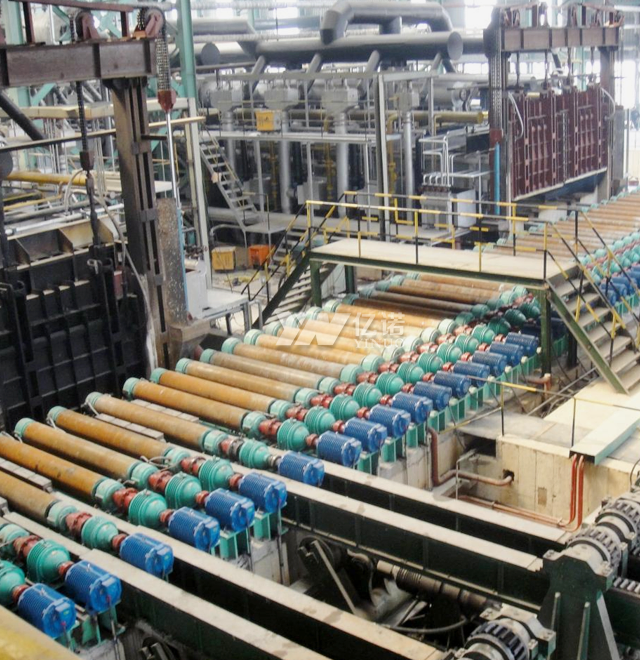
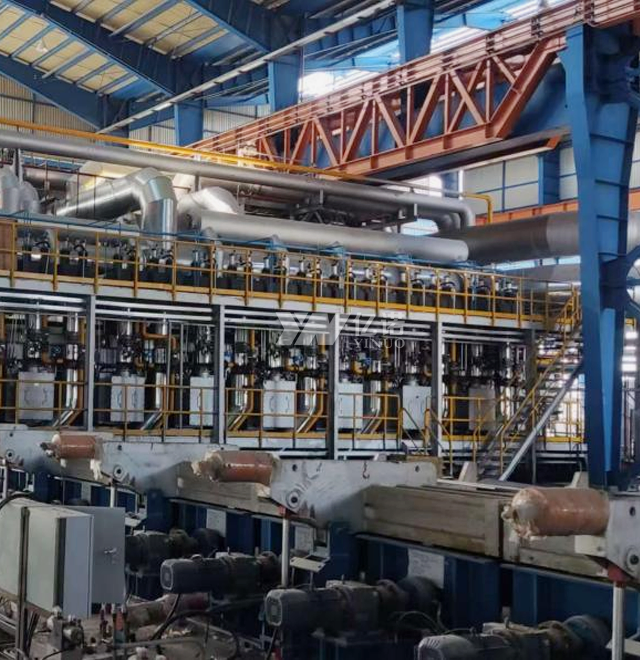
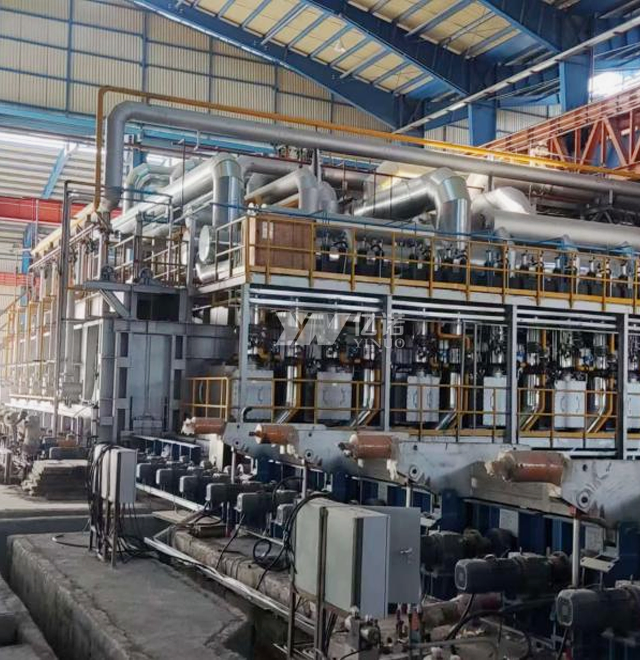
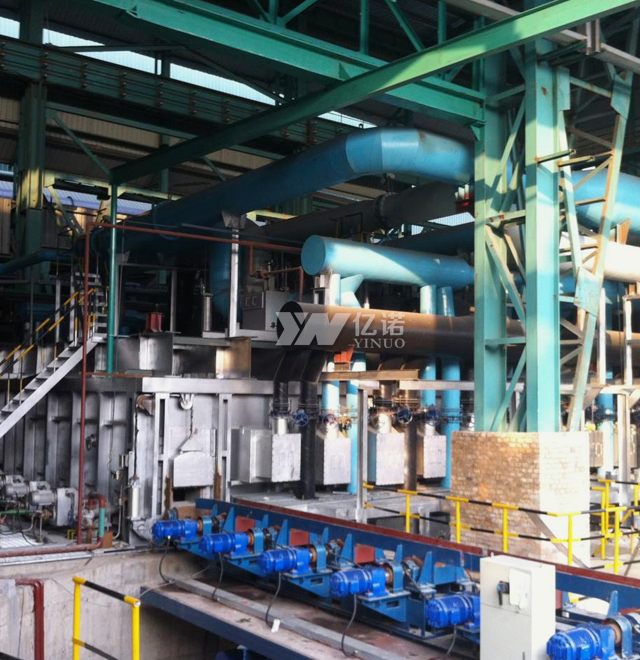
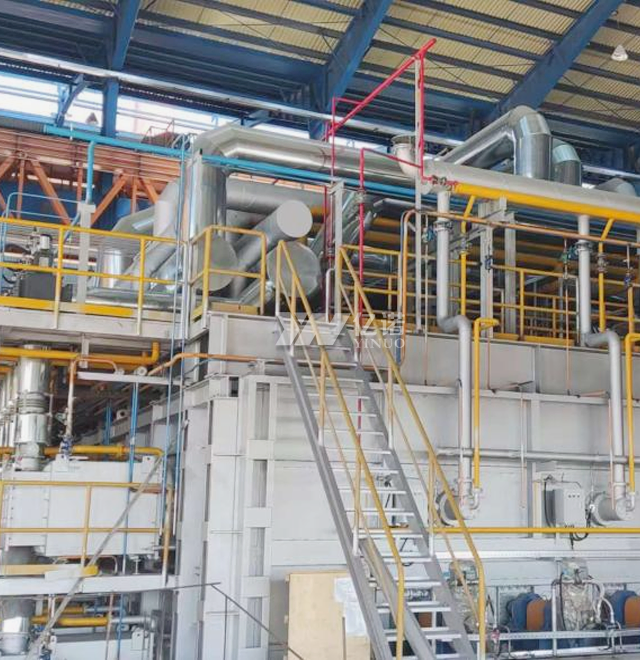
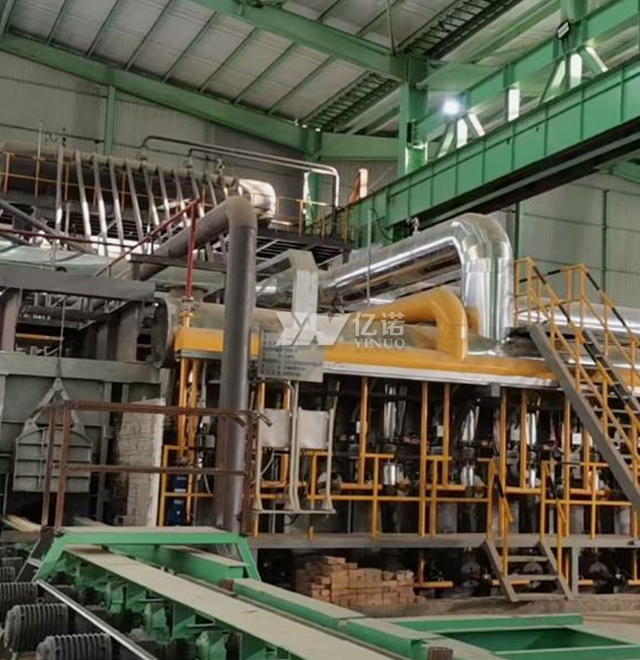
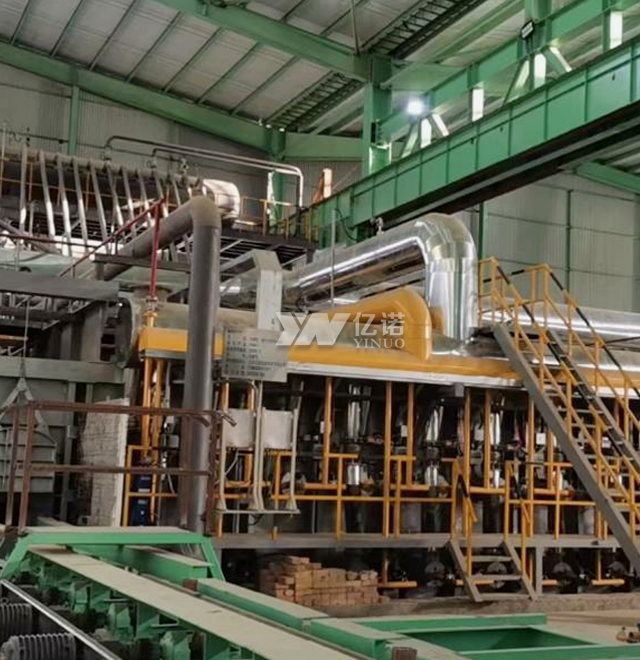
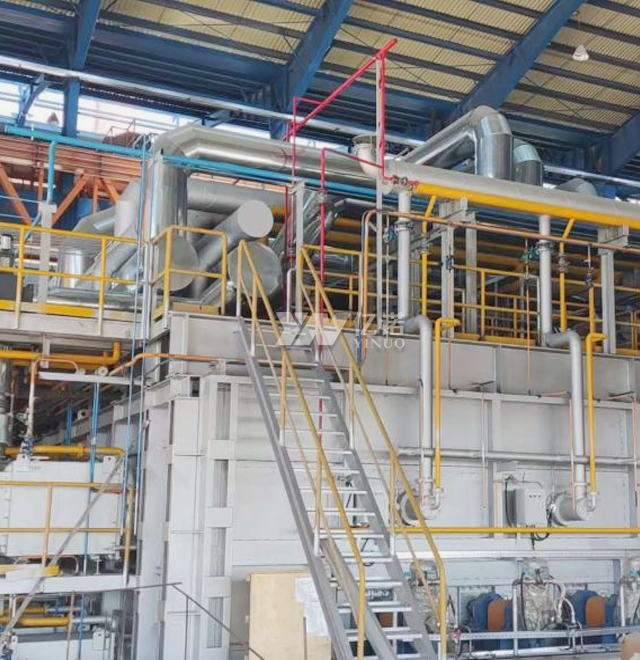
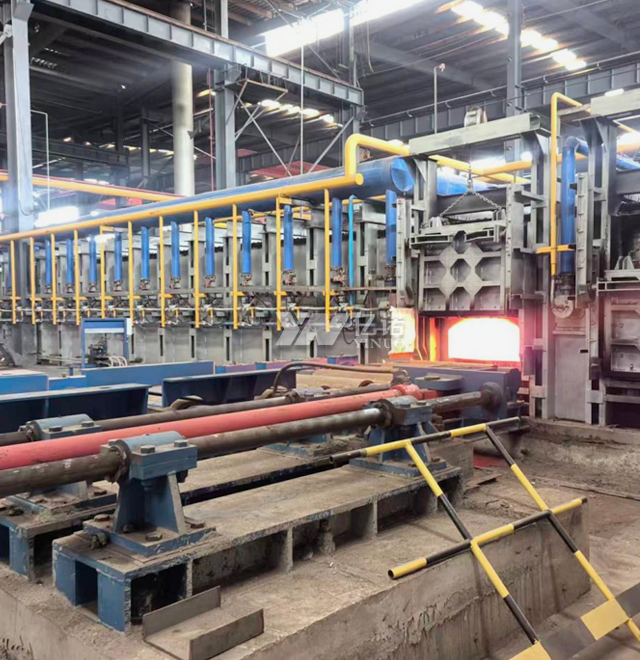
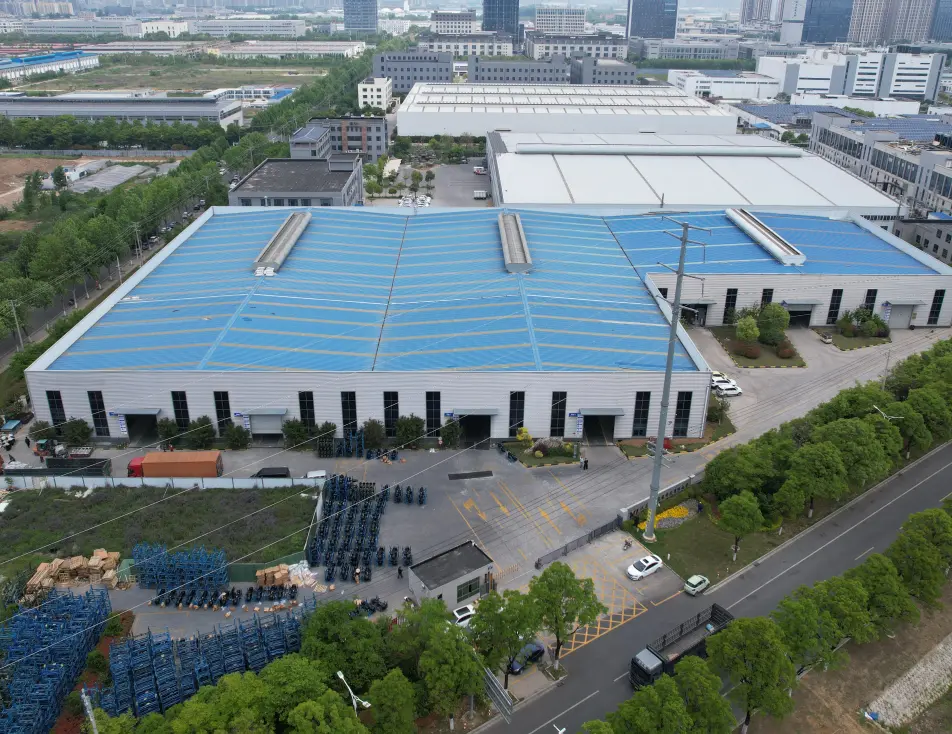
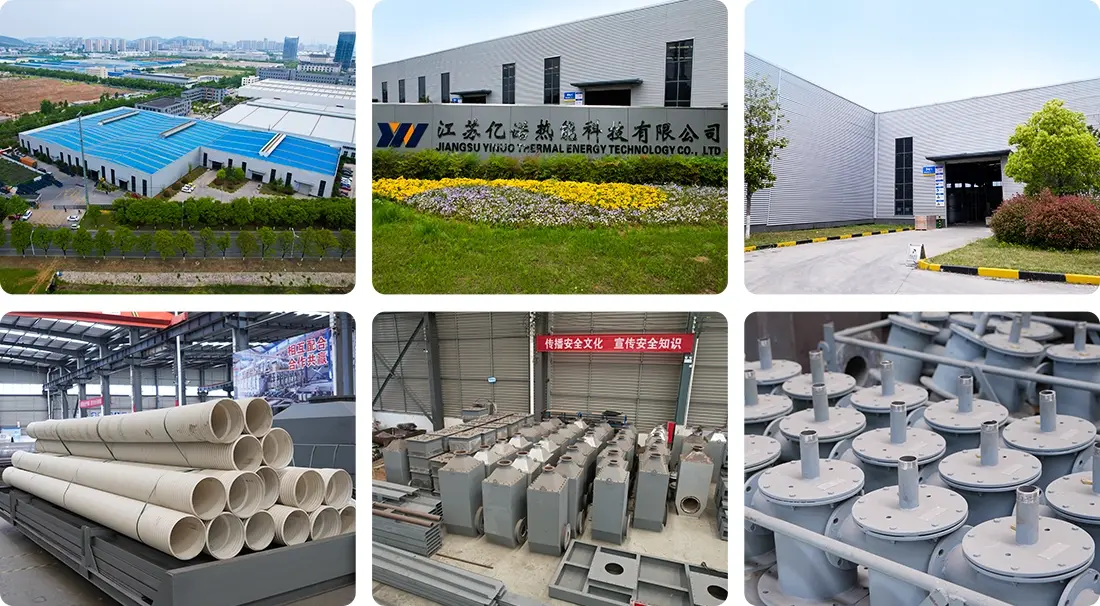
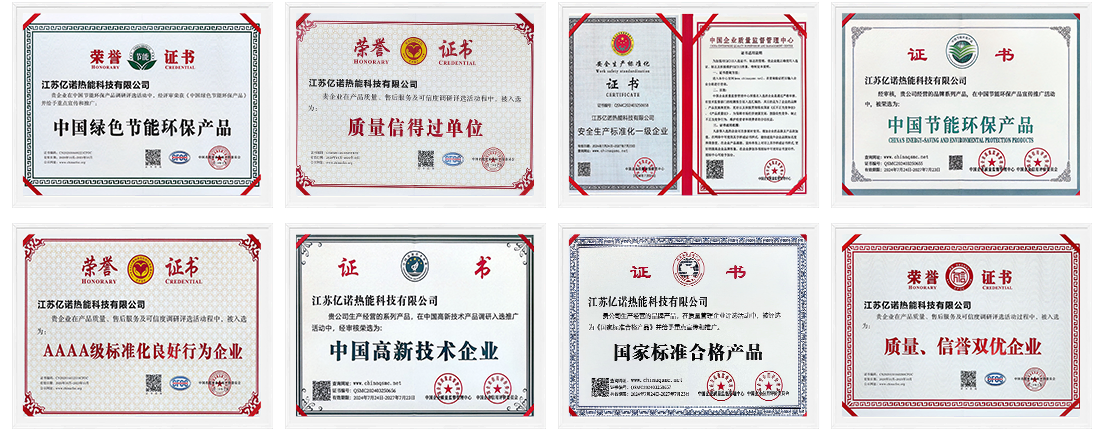
Car Type Furnace Normalizing Alloy Steel is a precise heat treatment method. JIANGSU YINUO THERMAL ENERGY TECHNOLOGY CO., LTD built it to refine grain structure in big alloy steel parts. Heating chamber dimensions on our car bottom furnaces can be set to suit your work. Multi-layer composite insulation keeps the heat inside. Rated working temperatures run from 600–1200℃. Temperature uniformity sits at ±8–12℃, and control accuracy reaches ±3℃. Even heavy loads come out with steady metallurgical results. Our 20,000㎡ production facility and 80 million yuan in fixed assets support the work. More than 100 engineers make up the professional team. What we hand over is a complete heat treatment solution. Grain structure ends up refined, mechanical properties get better, and critical industrial jobs gain from it.
What is steel?
This is a specialized thermal process. Alloy steel parts go into a bogie hearth furnace and are heated to 30°C to 50°C above the upper critical point (Ac3). Controlled air cooling comes next. That step refines the grain structure.
The process takes on hard problems on the shop floor. Coarse grain structures left by forging or casting come out uniform. Internal residual stresses that shift dimensions during machining are removed. Across high-volume production runs, metallurgical consistency gets better.
Huge workpieces and dense loads are no problem for the mobile car hearth design. Thermal cycles stay precise here, and standard batch furnaces simply can't match that. Plants that run large industrial parts care most about batch consistency, so for them this is the deciding factor.
Technical Specifications
Each of our product systems is built to tight parameters. The goal is good heat treatment results:
| Parameter |
Specification |
| Effective Heating Chamber Size |
Customizable according to production demands |
| Overall External Dimensions (L×W×H) |
Fully customizable, all sizes supported |
| Furnace Lining Structure |
Multi-layer composite heat insulation, low surface heat loss |
| Trolley Bearing Surface |
Flat high-temperature refractory castable platform |
| Furnace Door |
Integral sealing with silicon-aluminum fiber strips |
| Rated Working Temperature |
600–1200℃ (optional) |
| Temperature Uniformity |
±8–12℃ in heating zone |
| Temperature Control Accuracy |
±3℃ with PID automatic control |
| Maximum Heating Speed |
20–80℃/min, program-adjustable |
| Furnace Surface Temperature |
≤55℃ under normal operation |
| Customization |
Available based on your specific requirements |
Key Advantages for Your Production
Stable Running Performance
Thermal cycles hold steady in our furnaces, run after run, across long production stretches. Temperature swings stay small. Operation is dependable, so downtime drops and throughput goes up.
Simple Operation
Running the PID auto temperature control takes very little training. Programming screens stay simple. Your operators can handle complex heat treatment cycles, and they can watch the process live as it runs.
Rapid Heating Speed
Heating rates go as high as 80℃/min, so production cycles finish faster. That range lets you cut processing times. Quality normalizing still gets the exact thermal profiles it needs.
Remarkable Energy-Saving Advantages
Surface temperatures stay below 55℃ thanks to multi-layer composite insulation in Car Type Furnace Normalizing Alloy Steel. Next to conventional furnaces, energy use drops a lot. Heat stays evenly spread through the whole chamber.
Industrial Applications
Heavy Wind Energy Components
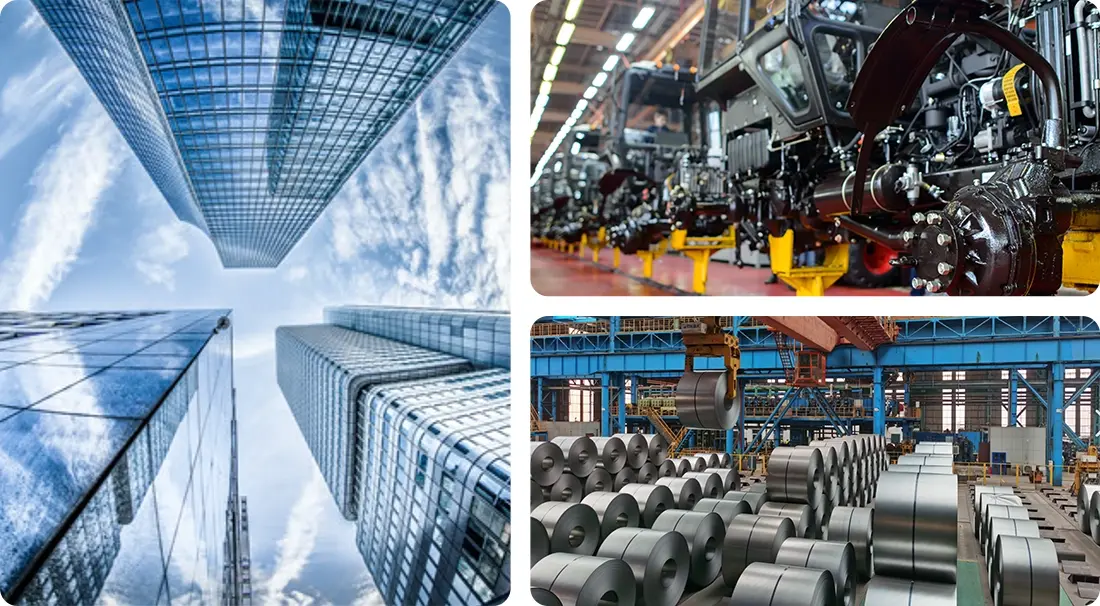
Large turbine main shafts and gear blanks require deep homogenization. Our car type furnaces provide the uniform heat distribution needed to withstand cyclic fatigue in demanding offshore environments.
Aerospace Forgings
Parts that carry critical loads get made from 4340 or 300M alloy steel, and those parts go through normalizing. Why? To wipe out the stresses left behind by forging flow lines. Hardness comes out even before the final heat treatment. That evenness is what lets the parts meet tight aerospace specs.
Oil and Gas Pressure Vessels
Thick-walled valve bodies and connectors are run through this process as well. It gets them to the ductile-to-brittle transition temperature limits they have to hit. Under extreme subsea pressure, structural integrity turns into something you can count on.
Quality Control Standards for Car Type Furnace Normalizing Alloy Steel
Every furnace system gets checked by our quality inspection department. The testing protocols are strict:
Microstructural Analysis (ASTM E3)
We check that the transformation into uniform fine-grained structures has taken place. Before delivery, we confirm there are no unwanted pro-eutectoid ferrite networks.
Temperature Uniformity Survey
Your furnace car gets even heating, and full TUS testing proves it. Cold spots are gone, so mechanical properties stay consistent across whole loads.
Decarburization Car Type Furnace Normalizing Alloy Steel Depth Measurement
Atmosphere control systems prevent excessive carbon loss on component surfaces. Your parts maintain optimal surface properties for subsequent processing.
FAQ
Q: How does the cooling rate in a car type furnace differ from a continuous furnace?
A: Cooling is achieved by moving the car out of the furnace or using high-velocity fans. This allows more controlled cooling of massive parts compared to the rapid throughput of continuous lines.
Q: Can normalizing replace annealing for alloy steels?
A: Yes. For many alloy steels, normalizing gives better strength and higher hardness than annealing. Machinability for later manufacturing steps improves a lot too.
Q: In a furnace this big, how do you keep the temperature even?
A: Heat gets to the middle of the load on the car through multi-zone burner control and high-velocity pulse-firing systems. Firing patterns are adjusted all the time by advanced control algorithms.
Q: What goes wrong if the car is loaded badly?
A: Pack the parts too tightly and shadowing or shielding can set in. Some sections end up protected from the heat. Cooling then runs uneven, so hardness will not be the same from one piece to the next in your batch.
Q: What keeps surface oxidation in check while the furnace is at high heat?
A: Nitrogen atmospheres do the protecting, or burners set with care hold the furnace near neutral or slightly reducing. Surface quality stays good right through the thermal cycle.
Partner with YINUO for Your Heat Treatment Needs
Got a specific job in mind for Car Type Furnace Normalizing Alloy Steel? Reach the engineering team at info@yinuofurnaces.com. Tell them what you need.