Fuel price increases, higher emissions standards, and ongoing pressure on product quality have many steelmakers reassessing their billet reheat practices prior to rolling or forging. One of the most debated options is the regenerative heating furnace, which recovers waste heat from exhaust gases and feeds it back into the combustion process. But what works well in one mill may not work well in another. This article looks at how the regenerative heating furnace works, the advantages it provides, what elements determine whether it is right for your operation, and how to choose a dependable partner. Ultimately, you’ll want to be able to determine whether this solution fits your fuel supply, output rate, and long-term objectives.
How a Regenerative Heating Furnace Works
The Principle of Heat Recovery and Storage
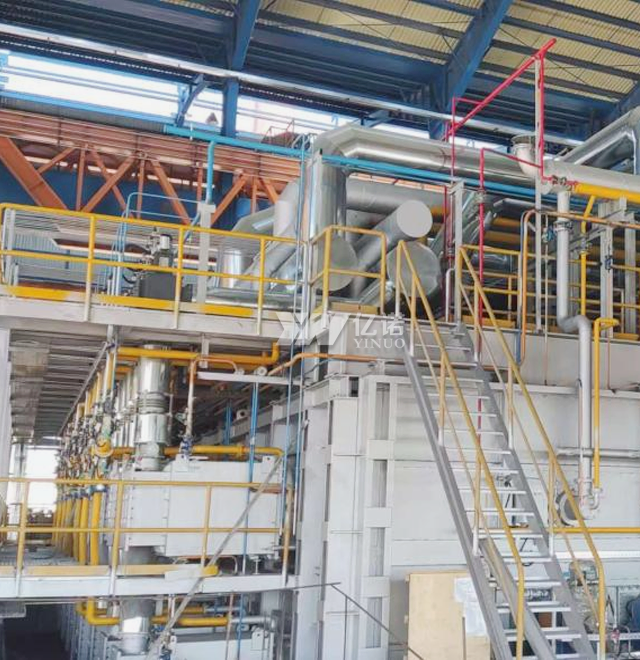
The key to a regenerative heating furnace is the employment of a pair of heat storage media, commonly ceramics, that alternate between absorbing heat from the hot exhaust gas and releasing it to the entering combustion air or gas. The system is fired from one side, and the flue gas passing out heats the opposite side of the system. This flow is then reversed at short, regulated intervals. Since the stored heat is transferred to fresh air or fuel gas before combustion, the flame burns at a significantly higher effective temperature without burning more fuel. And it is this recovery cycle that explains the extremely low unit heat consumption that well-designed systems are able to achieve and the reason why this kind of technology has become a common consideration in today's steel reheating projects.
Combustion Modes Available for Different Plants
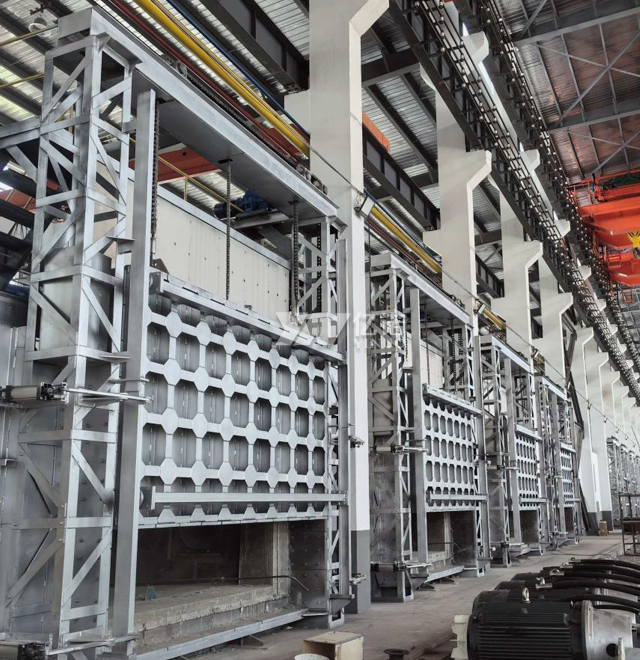
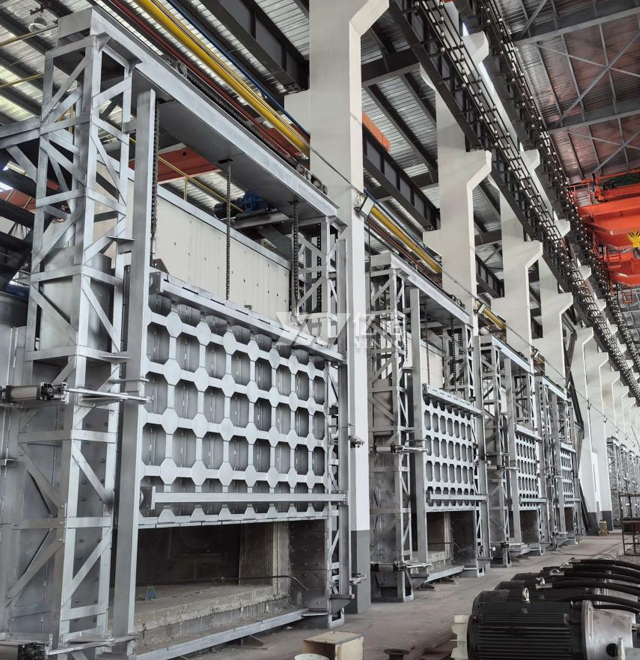
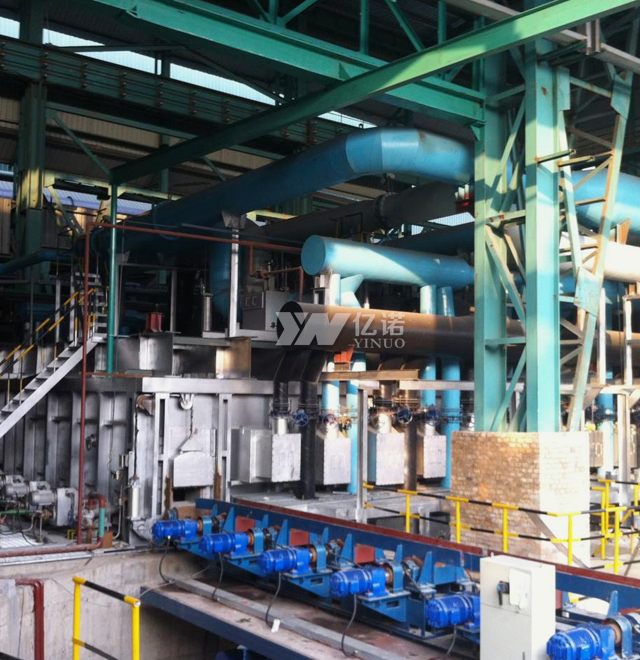
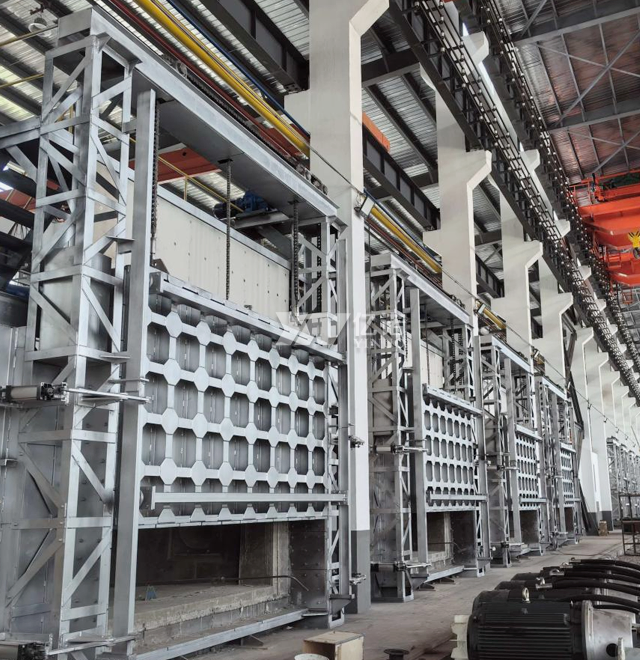
Not all plants need the same combustion configuration, and there are various configurations for a regenerative heating furnace. The Steel Continuous Heating Furnace provides dual regenerative gas heat recovery, single air heat storage, and traditional high-temperature combustion, so the design may follow your fuel circumstances and budget. The dual regeneration warms the combustion air and the low-calorific-value gas, which is useful if you are using blast furnace gas or mixed gas. Single air heat storage is good for plants fed with richer fuels such as natural gas. The choice of the correct mode at the design stage is important because it impacts thermal efficiency, burner arrangement, and furnace response to variations in production load.
Fuel Flexibility for Real Industrial Conditions
The first practical consideration in assessing a regenerative heating furnace is usually the fuel source. Many steel mills have accessible to them by product gasses. Others use natural gas or producer gas. Whatever is available, the furnace must be reliable. Our furnaces may be designed to operate on blast furnace gas, mixed gas, producer gas, natural gas, and other compatible fuels. Regenerative preheating is especially advantageous with low calorific value gases, since increasing the gas and air temperature before ignition stabilizes the flame and increases heat transmission. This means that factories may use a regenerative heating furnace to transform low-value by-product gas into a profitable heat source, rather than flaring it, which is good for both economics and the environment.
Key Benefits of a Regenerative Heating Furnace for Steel Production
Lower Energy Consumption and Operating Cost
Energy is typically the single biggest operational expense in billet reheating; therefore, efficiency advantages are instantly translated into profit. Well-designed regenerative heating furnaces attain a similar unit heat consumption of roughly 1.1 GJ/t of steel, which many conventional furnaces find difficult to match. Exhaust heat recovery implies less fuel per ton heated, and lower flue gas temperatures imply fewer losses via the stack. Over many years of continuous use, the total fuel savings may be considerable, and this frequently justifies the greater initial cost. The return reasoning is particularly stronger for facilities operating several shifts because every hour of operation multiplies the efficiency gain.
Faster Heating with Less Oxidation and Decarburization
Speed and quality of surface are sometimes at odds, but a regenerative heating furnace may help with both. The high-temperature combustion environment provides a quick heating rate, so the billets achieve the desired temperature of 1150–1250 ℃ in a shorter period. Less scale formation and lower decarburization loss result from reduced time of exposure to the hot furnace environment, which implies less raw material waste. It also reduces the cost of forging dies since cleaner billets wear tooling less. Higher throughput and less metal loss, together with increased die life, all enhance the output from each manufacturing cycle. These increases are particularly evident in the heating of medium and high carbon steels, which are more susceptible to surface decarburization.
Uniform Temperature and Precise Control
Uneven heating, a hot surface and a lagging core, is often the root cause of quality difficulties in rolling and forging. The well-planned zone structure of the regenerative heating furnace can accomplish homogeneous heating of the workpiece, and the temperature difference between the surface of the workpiece and the core is very small. Temperature control is highly accurate, and each zone is closely controlled so each billet comes to the mill with the same degree of plasticity. This stability results in less variation in rolling force, fewer surface flaws, and better dimensional accuracy of the end product. This regularity is as much a benefit for companies servicing demanding consumers in the automotive or equipment industries as the energy savings.
Is Your Plant a Good Fit? Factors to Evaluate
Production Capacity and Billet Characteristics
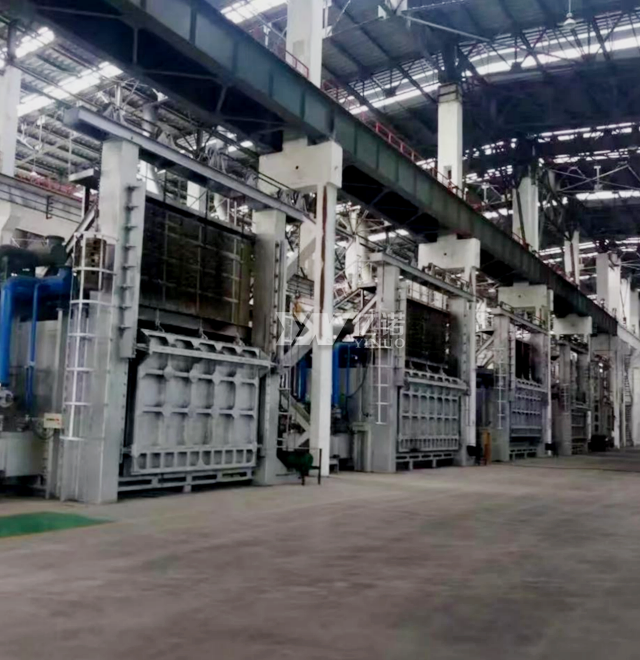
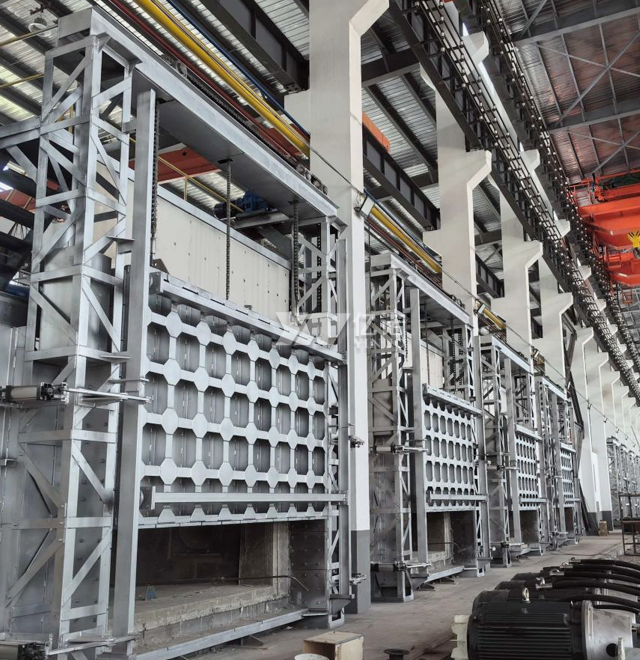
Before investing, compare your production profile with what a regenerative heating furnace is designed to handle. Our Steel Continuous Heating Furnace serves capacities up to 200 t/h and processes low, medium, and high carbon steel in standard or special-shaped billet formats. Plants with steady, high-volume output benefit most, because continuous operation keeps the regenerative system at its optimal thermal balance. If your production is intermittent, with frequent long shutdowns, the storage media cycle less efficiently and the payback period may lengthen. Reviewing your annual tonnage, billet dimensions, and rolling schedule gives a realistic picture of whether a regenerative heating furnace will operate close to its design point.
Charging, Feeding, and Furnace Bottom Design
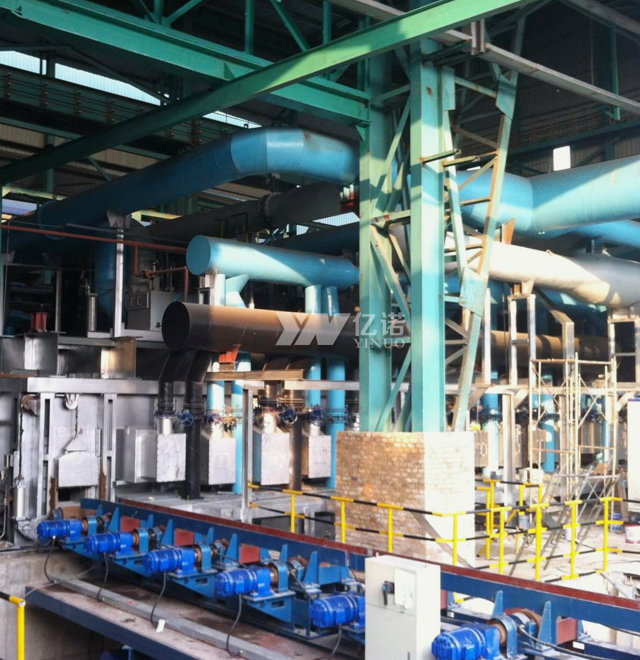
The mechanical side of the furnace deserves as much attention as combustion. Feeding can be done through end feeding via a measuring device, a steel cantilever roller, or hydraulic pusher charging, and the best choice depends on billet length, weight, and how your existing line is arranged. Furnace bottom cooling is another decision point, with evaporative cooling or water cooling of the cooling water pipes both available. Each option affects maintenance routines, water use, and heat loss through the hearth. A regenerative heating furnace that matches your handling equipment integrates smoothly into the mill, avoids bottlenecks at the charging end, and keeps downtime to a minimum during routine servicing.
Environmental Goals and Workshop Conditions
Environmental compliance and workforce comfort are increasingly part of the investment decision. A regenerative heating furnace burns fuel more completely and at lower overall consumption, which reduces carbon dioxide output per ton of steel and, with proper burner design, helps control nitrogen oxide formation. Better insulation and lower exhaust temperatures also create a superior workshop environment, improving staff working conditions and elevating the image of the enterprise. For plants facing stricter local emission standards, or those seeking to attract skilled operators, these benefits are more than side effects. They can be decisive when weighing a regenerative heating furnace against older, less efficient reheating equipment.
Choosing the Right Supplier and Ensuring Quality
Why Customization Matters
No two steel plants are alike in architecture, fuel, or production goals, and that is why a conventional catalog furnace is never the optimal solution. The regenerative heating furnace should be tailored for your unique billet sizes, heating curve, fuel gas analysis, and floor area available. We can customize according to client requirements: combustion mode, feeding technique, cooling system, control logic, etc. This bespoke approach means no compromises with off-the-shelf equipment, and the furnace will work as intended from day one of commissioning. Early technical conversations with your operational data in hand enable our experts to size the regenerative system accurately.
Full-Service Support from Design to Production
A furnace is only as good as the installation and commissioning. We are an industrial and commercial integrator, combining design skills with our own installation and commissioning specialists, offering a comprehensive suite of services from design to the actual manufacturing. We have extensive export expertise and abroad building knowledge, which is helpful when projects entail new standards, logistics, or site circumstances. This means you are working directly with the engineers who create the regenerative heating furnace, so there are no intermediaries making a profit from the price difference. The direct line cuts down on contact time, provides clear costing, and makes it easy to handle technical problems rapidly.
Quality Control and Verification Standards
Reliable quality control protects your investment long after the furnace leaves the factory. Our processes at each step of production guarantee metallurgical integrity by means of Brinell and Rockwell hardness mapping, Charpy V-notch impact testing, and microstructural examination by scanning electron microscopy. Laser straightness assessment for distortion and ASTM E1077 decarburization depth testing for appropriate atmosphere control. These tests are used to ensure conformity with standards like ASTM A29 and EN 10083, with documented traceability. If you are looking at a provider of a regenerative heating furnace, inquire how they verify and record performance. Rigorous testing is what translates design promises into solid production outcomes.
Conclusion
Regenerative heating furnaces are suitable in factories that operate consistently, burn accessible by-product or natural gas, and seek reduced fuel usage, less oxidation loss, and uniform heating of billets. The method makes it possible to achieve meaningful savings at capacities up to 200 t/h, heating temperatures of 1150–1250 ℃, and equivalent unit heat usage of 1.1 GJ per ton. The proper decision relies on your capacity, fuel, and handling arrangement. An integrated provider that offers design, installation, and commissioning removes intermediaries and saves risk and costs. Look closely at your operational data, and a regenerative heating furnace might be a long-term asset.
FAQ
1. What fuels can a regenerative heating furnace use?
Our Steel Continuous Heating Furnace runs on blast furnace gas, mixed gas, producer gas, natural gas, and other suitable fuels. Low-calorific-value gases benefit especially from regenerative preheating.
2. What heating capacity and temperature range are available?
The furnace handles up to 200 t/h and heats steel to between 1150 and 1250 ℃, suitable for rolling and forging of low-, medium-, and high-carbon steel billets.
3. How energy efficient is a regenerative heating furnace?
A well-designed system reaches a comparable unit heat consumption of about 1.1 GJ per ton of steel by recovering heat from exhaust gases and returning it to combustion.
4. Can the furnace be customized for my production line?
Yes. Combustion mode, feeding method, furnace bottom cooling, and control systems can all be adapted to your billet type, layout, and fuel supply.
5. How does the furnace improve steel quality?
Rapid, homogeneous heating minimizes oxidation and decarburization, keeps the temperature difference between surface and core small, and high-precision control keeps results consistent from billet to billet.
Ready to Upgrade Your Reheating Process? Contact Us Today
If you are weighing a regenerative heating furnace for your plant, our engineers are ready to help you assess capacity, fuel, and layout, and to propose a design that fits your goals. JIANGSU YINUO THERMAL ENERGY TECHNOLOGY CO., LTD delivers complete solutions from design to production, with direct pricing and proven export experience. Share your billet specifications, fuel type, and target output, and we will prepare a tailored recommendation. Email us at info@yinuofurnaces.com to request a quotation or technical consultation, and take the first step toward lower energy costs and better steel quality.
References
1. Worrell, E., Blinde, P., Neelis, M., Blomen, E., & Masanet, E. (2010). Energy Efficiency Improvement and Cost Saving Opportunities for the U.S. Iron and Steel Industry. Lawrence Berkeley National Laboratory.
2. Tsuji, H., Gupta, A. K., Hasegawa, T., Katsuki, M., Kishimoto, K., & Morita, M. (2003). High Temperature Air Combustion: From Energy Conservation to Pollution Reduction. CRC Press.
3. Wünning, J. A., & Wünning, J. G. (1997). Flameless oxidation to reduce thermal NO formation. Progress in Energy and Combustion Science, 23(1), 81–94.
4. Trinks, W., Mawhinney, M. H., Shannon, R. A., Reed, R. J., & Garvey, J. R. (2004). Industrial Furnaces (6th ed.). John Wiley & Sons.
5. Hasegawa, T., Mochida, S., & Gupta, A. K. (2002). Development of advanced industrial furnace using highly preheated air combustion. Journal of Propulsion and Power, 18(2), 233–239.
6. International Energy Agency. (2020). Iron and Steel Technology Roadmap: Towards More Sustainable Steelmaking. IEA, Paris.