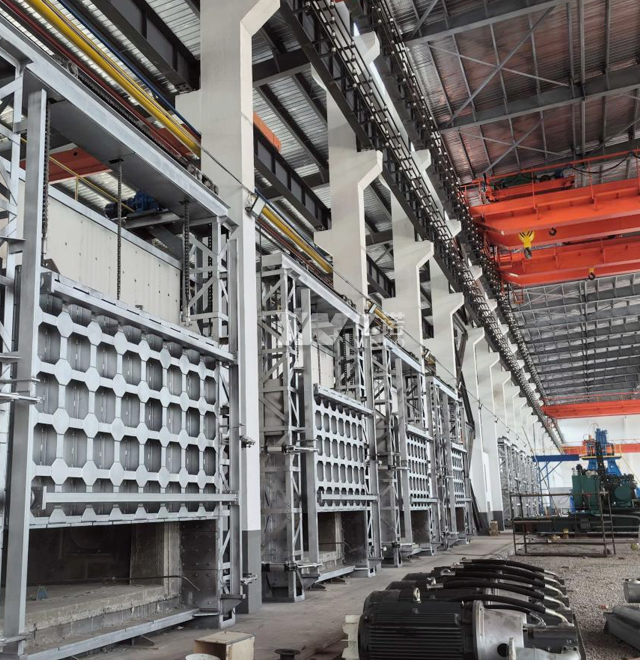
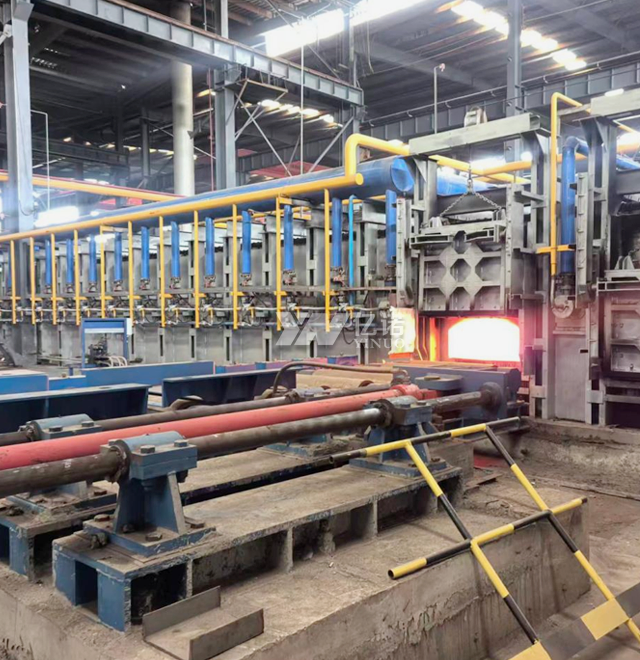
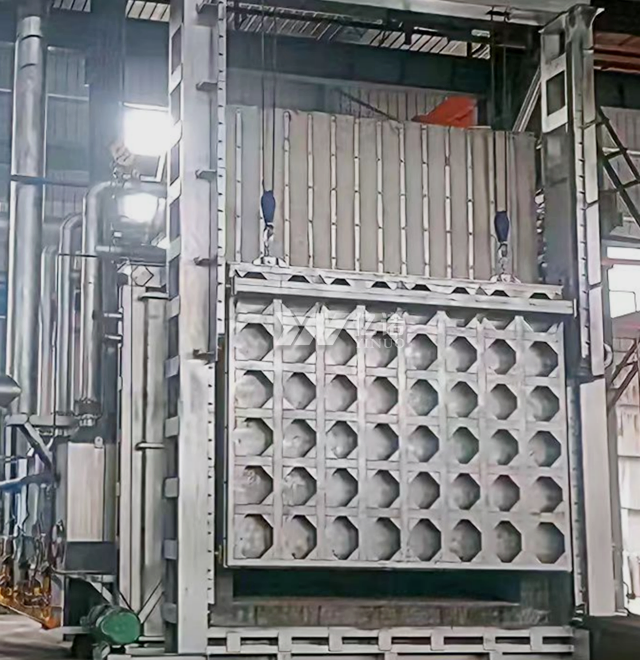
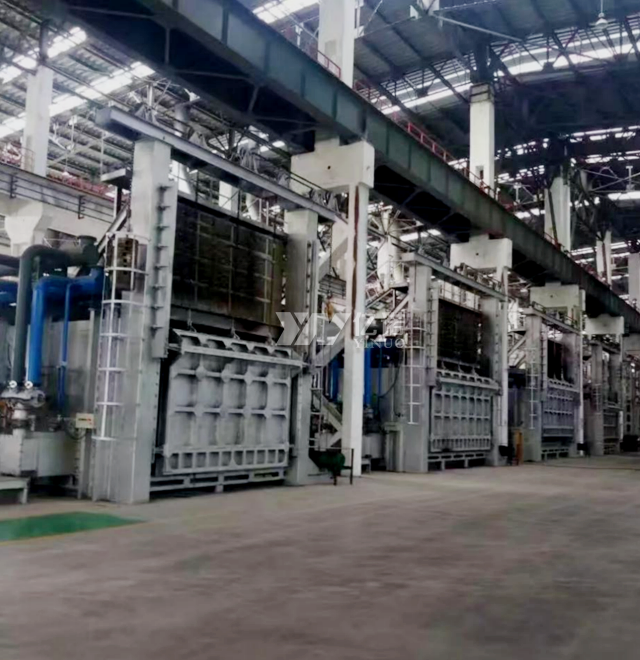
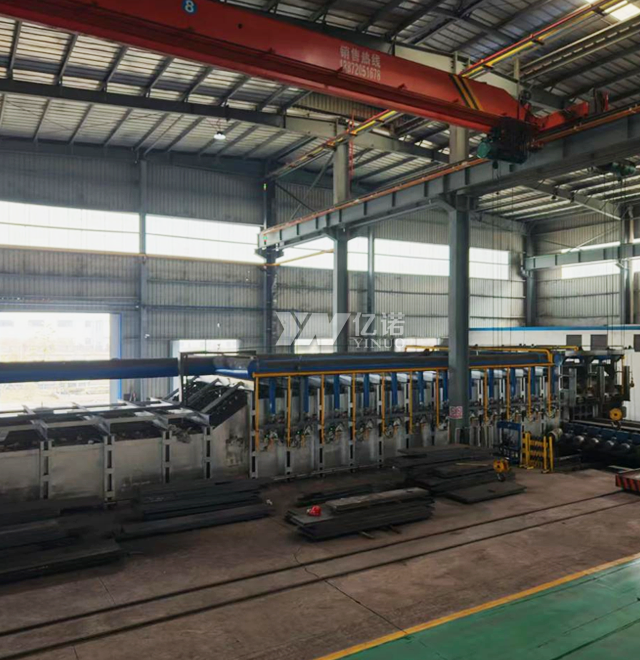
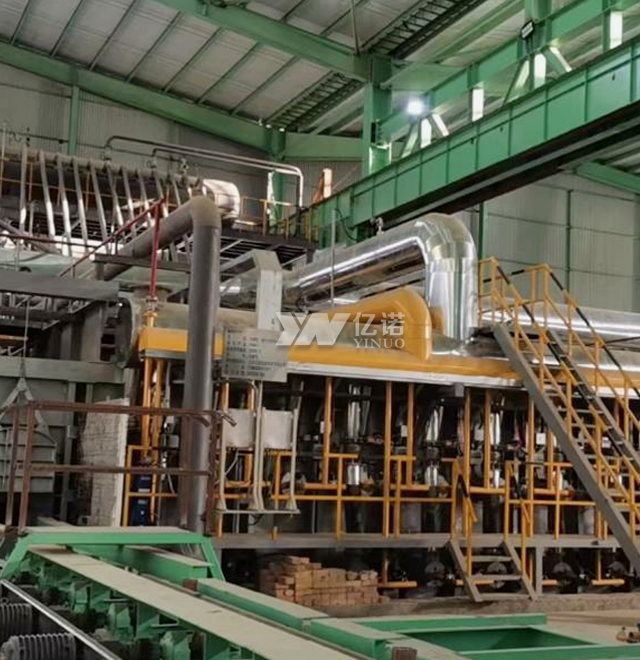
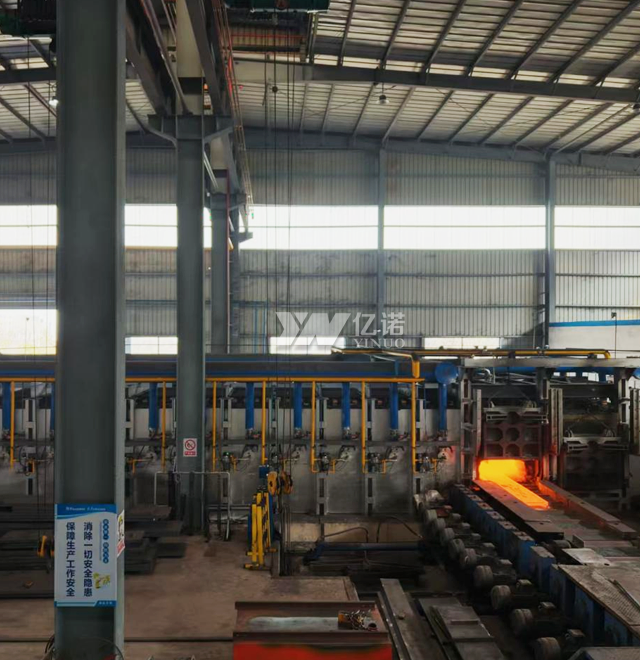
The equipment used for annealing is one of the biggest choices a heat treatment business can make. The furnace controls the uniformity of your workpieces’ heating, the amount of fuel you use, and the consistency of your ultimate hardness and stress levels. Those looking for annealing furnace steel solutions are frequently attempting to match a furnace to massive, heavy components such as forgings, castings, and welded constructions. This article discusses how to design and configure a gas-fired bogie hearth furnace, what performance numbers are most critical, how the combustion and control systems affect outcomes, and how to deal with a supplier that can customize the equipment to your production demands.
Understanding Your Annealing Requirements
Matching the Furnace Type to Your Workpieces
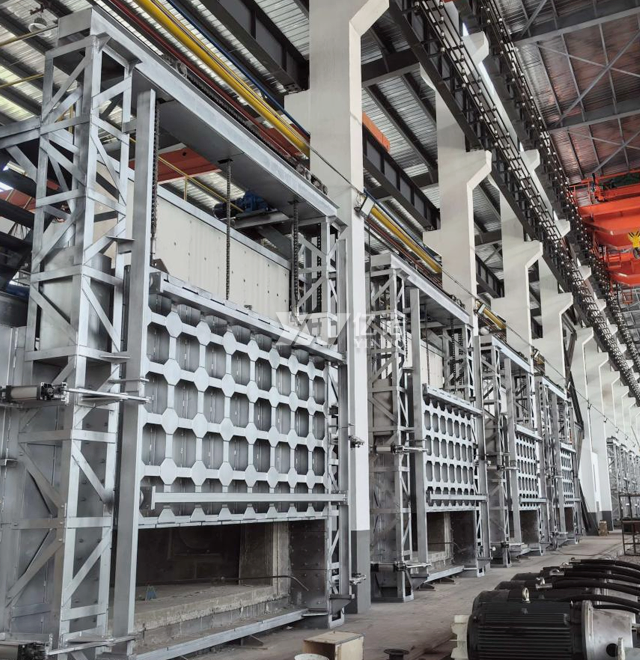
The first step in selecting annealing furnace steel equipment is to know the size and weight of what you will be treating. Gas-fired bogie hearth furnaces are generally the most practical choice for moving large forgings, weldments, and castings. Workpieces are placed on a movable bogie that runs completely out of the furnace chamber for convenient loading and unloading. The chamber size and loading capacity are designed to fit your needs, so the furnace may be constructed around your heaviest and biggest pieces instead of making compromises on your part. Getting the proportions perfect from the beginning saves costly alterations later in the project.
Working Temperature and Heating Rate
The temperature range is the heart of every annealing furnace steel standard. Our gas-fired bogie hearth furnace has a standard temperature of 550℃, which can be modified to 950℃, and can cover stress relief annealing and many other common treatments. The heating rate may be varied from 50 to 200C/h, with complete workpiece loading. This is significant since heavier portions have to be heated slowly to minimize thermal stress and distortion. When purchasing annealing furnace steel equipment, make sure that the temperature range and rate of heating can be adapted to your real process curves and not only to the maximum number on a brochure.
Typical Applications: Stress Relief Annealing
This furnace is used for one of the common purposes of stress-reduction annealing. Steel parts after welding, machining or forging sometimes include internal tensions that might lead to fracture or dimensional change later in service. Those strains may be relaxed by holding the part at a specified temperature and then cooling progressively. Processes such as annealing furnace steel rely on consistent heating, correct holding durations and predictable cooling; thus, the quality of the furnace is just as important as the recipe itself. A well-built bogie hearth will be a great asset to the plant. This gives you repeatable results across different loads, which is essential when the same part must meet the same standard batch after batch.
Key Performance Specifications to Compare
Temperature Uniformity and Control Precision
The difference between a reliable furnace and an unreliable furnace is uniform temperature. In our design, the temperature variation of the heating zone is within ±8℃ after 1 hour of heat preservation; tighter performance may be achieved depending on configuration, and the temperature control accuracy is within ±2℃. A multi-zone independent PID control system stabilizes the conditions across the chamber. This prevents uneven hardness, deformation, and oxidation problems. This level of uniformity offers assurance that all areas of a big workpiece have been given the required heat treatment, not simply the surface closest to the burners, while working on mission-critical components for annealing furnace steel work.
Insulation, Furnace Shell Temperature, and Energy Use
Since energy cost is a constant factor in operating a furnace, the quality of insulation demands particular consideration. Our furnace is lined with a 350 mm thick refractory fiber liner, which is made as a multi-layer composite of lightweight fiber with extremely low surface heat loss. For the shell temperature, the furnace top temperature increase is ≤45℃, and the side wall temperature rise is ≤40℃ at 950℃ operating temperature. Compared with a conventional heating furnace, this closed heat preservation structure may limit heat radiation and save 25% to 44% of energy consumption. Any annealing furnace steel installation benefits from decreased fuel consumption and a cooler workplace in the long run.
Fuel Medium and Exhaust Arrangement
The furnace is fired by natural gas with a calorific value of 8500 Kcal/Nm3. It is clean, simple to manage, and widely available in industrial locations. Exhaust outlets are located at the top of the furnace, on the side walls, and at other places for the removal of combustion products. The chimney should be at least 2 m above the factory roof. This design allows for a consistent pressure and gas flow within the chamber, which helps sustain temperature consistency. Also, when designing steel projects including an annealing furnace, check that your location can provide the necessary amount of gas at the needed pressure, and that the routing of the exhaust meets local environmental standards.
Combustion, Control, and Mechanical Systems
Combustion System Options
The combustion system strongly affects both temperature stability and fuel efficiency. Our furnace offers switchable pulse combustion using high and low fire, or regenerative combustion, so you can select the approach that suits your budget and energy targets. Pulse combustion provides accurate temperature control and good uniformity, while regenerative combustion recovers exhaust heat for higher efficiency. For annealing furnace steel operations running frequently or at higher temperatures, regenerative designs can offer meaningful fuel savings. Temperature control zones are configured according to your heat treatment process, giving you flexibility to match the burner layout to your workpiece shape.
Control System and Operating Modes
Reliable control is the backbone of repeatable annealing. The furnace uses semi-automatic control through imported PID intelligent instruments and an Omron PLC, with manual mode available when operators need direct intervention. Programmable heating curves let you store recipes for different parts and repeat them exactly. Good annealing furnace steel practice depends on this repeatability, because documented, consistent cycles are often required by customers and quality auditors. An intuitive control system also shortens operator training time and reduces the chance of mistakes during long heating and soaking cycles.
Bogie, Door, and Loading Mechanisms
The mechanical systems determine how safely and quickly you can load and unload heavy parts. The bogie is a self-propelled, chain-driven unit that moves at 5 to 7 m/min and can travel completely out of the furnace chamber. The furnace door is lifted electrically at about 6 m/min with a wedge locking structure that presses the door firmly closed to limit heat leakage. Workpieces are hoisted onto the bogie surface with an overhead crane. For annealing furnace steel users handling heavy loads, this arrangement shortens turnaround time, improves safety, and keeps the furnace sealed during heating.
Choosing a Reliable Supplier
Customization and Engineering Support
Every plant has its unique components, layout, and heat treatment schedule; therefore, a competent provider should be able to adjust the design. We provide customisation according to client specifications such as chamber size, loading capacity, temperature zones and combustion type. Provide your workpiece drawings, weights, and goal process curves up front, and our experts may recommend an annealing furnace steel solution that matches your operation. Properly planned customisation means no wasted floor space, no burner too big or bogie too small. It also helps you get to full output faster following installation.
Full Service from Design to Production
Purchasing a furnace is merely the first step; installation and commissioning are what determine real-world results. We are an industrial and commercial integration firm with design skills, as well as our own installation and commissioning specialists, providing a full range of services from design to real manufacturing. Our vast export expertise and foreign building knowledge help international clients handle logistics and site circumstances. There are no intermediaries earning a profit from the price difference, so you deal directly with the team that constructs your annealing furnace steel system, keeping pricing clear and communication swift.
Quality Assurance and Documentation
Tough quality control protects your investment. Our inspection section ensures compliance with national and industry quality criteria prior to shipping and documented traceability for crucial applications. The techniques of testing include hardness mapping, impact testing, and decarburization depth measuring to certify the heat-treated components are adherent to standards such as ASTM A29, EN 10083, etc. When testing any provider of annealing furnace steel equipment, find out what test records and commissioning reports you will be given – comprehensive documentation helps you to satisfy your own customers and auditors.
Conclusion
The key to choosing annealing furnace steel equipment is matching the furnace type, temperature range, homogeneity, energy performance, and control features to your real workpieces. Reliable stress relief and reduced energy consumption with a gas-fueled bogie hearth furnace with a 350 mm fiber liner, ±2℃ control accuracy, and combustion flexibility. Collaborating with an integrated provider that offers customisation, installation and quality verification without intermediaries mitigates risk, minimizes cost and helps your company get consistent heat treatment outcomes from the first run.
FAQ
1. What type of furnace is used for annealing large steel parts?
A gas-fired bogie hearth furnace is well suited to large, heavy workpieces because the bogie moves fully out of the chamber for easy crane loading.
2. What temperature range does the furnace cover?
Standard operation is 550℃, adjustable up to 950℃, with a heating rate of 50–200℃ per hour under full load.
3. How accurate is the temperature control?
Control precision is within ±2℃, and heating zone deviation is within ±8℃ after one hour of heat preservation.
4. How much energy can the furnace save?
The multi-layer fiber lining and closed insulation structure can reduce energy consumption by 25% to 44% compared with ordinary heating furnaces.
5. Can the furnace be customized?
Yes. Chamber size, loading capacity, temperature zones, and combustion system can all be tailored to your process and site.
Ready to Specify Your Annealing Furnace? Contact Us Today
If you are planning an annealing furnace steel project, our engineers can help you define the right chamber size, combustion system, and control configuration. JIANGSU YINUO THERMAL ENERGY TECHNOLOGY CO., LTD provides complete solutions from design to production, backed by direct pricing and proven export experience. Send us your workpiece dimensions, weights, and target temperature curves, and we will prepare a tailored proposal. Email us at info@yinuofurnaces.com to request a quotation or technical consultation and start improving your heat treatment quality today.
References
1. Totten, G. E. (Ed.). (2006). Steel Heat Treatment: Metallurgy and Technologies (2nd ed.). CRC Press.
2. Davis, J. R. (Ed.). (1995). ASM Specialty Handbook: Tool Materials. ASM International.
3. Trinks, W., Mawhinney, M. H., Shannon, R. A., Reed, R. J., & Garvey, J. R. (2004). Industrial Furnaces (6th ed.). John Wiley & Sons.
4. ASM International. (1991). ASM Handbook, Volume 4: Heat Treating. ASM International.
5. Krauss, G. (2015). Steels: Processing, Structure, and Performance (2nd ed.). ASM International.
6. Totten, G. E., Howes, M. A. H., & Inoue, T. (Eds.). (2002). Handbook of Residual Stress and Deformation of Steel. ASM International.