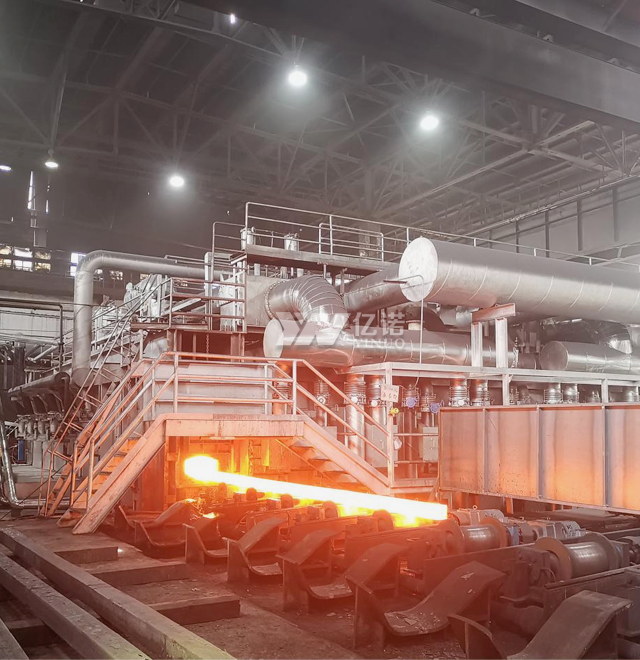
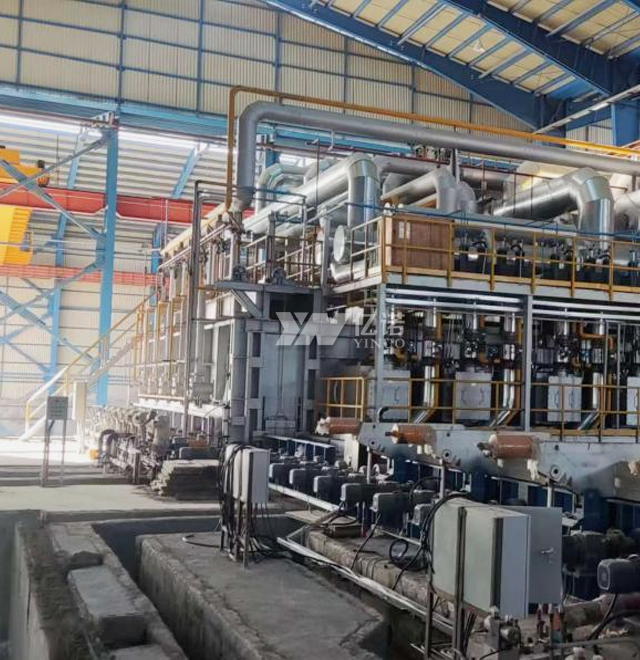
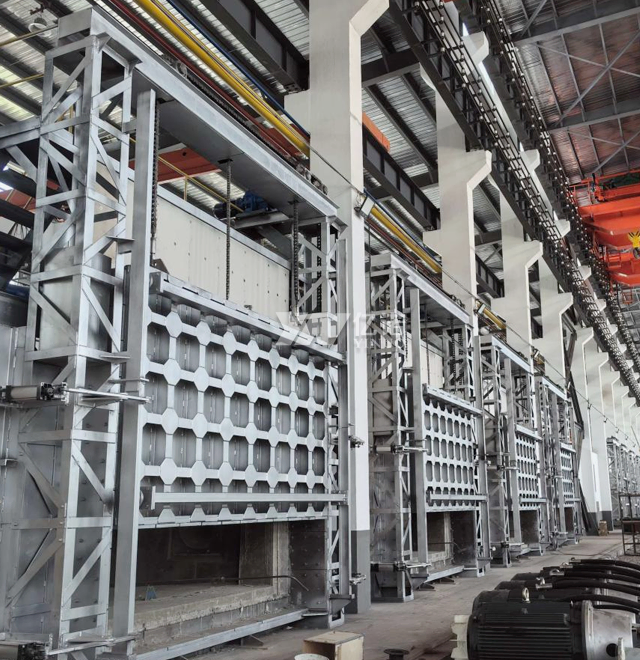
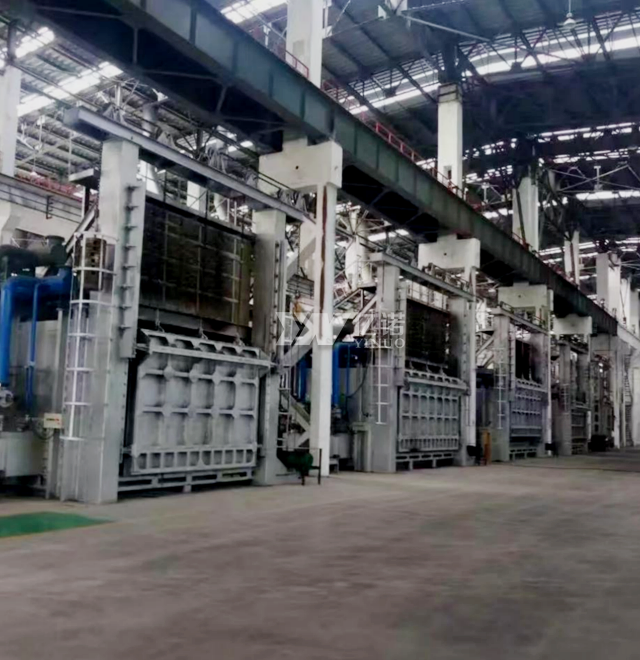
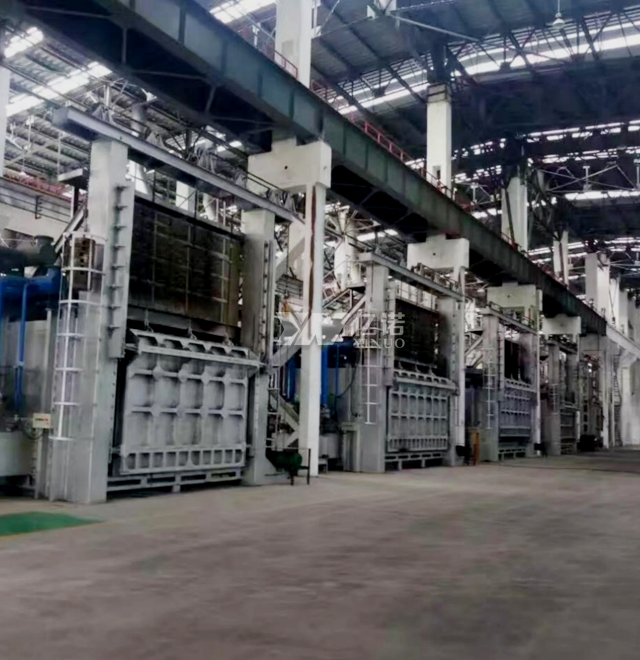
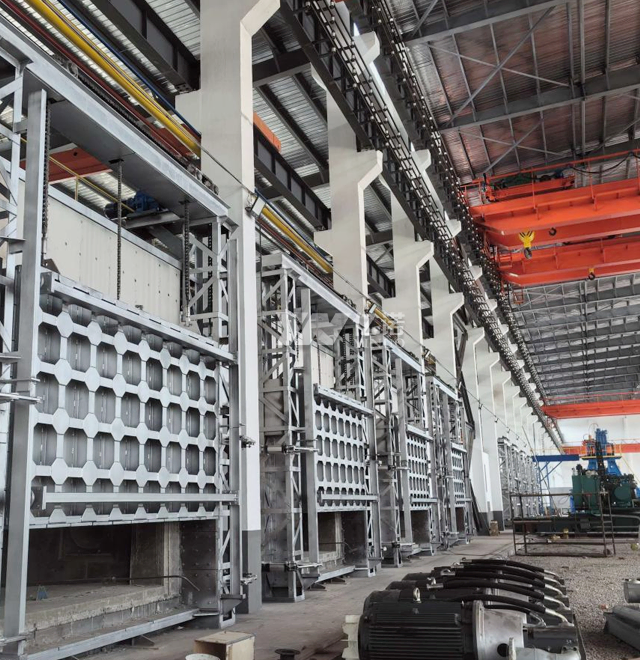
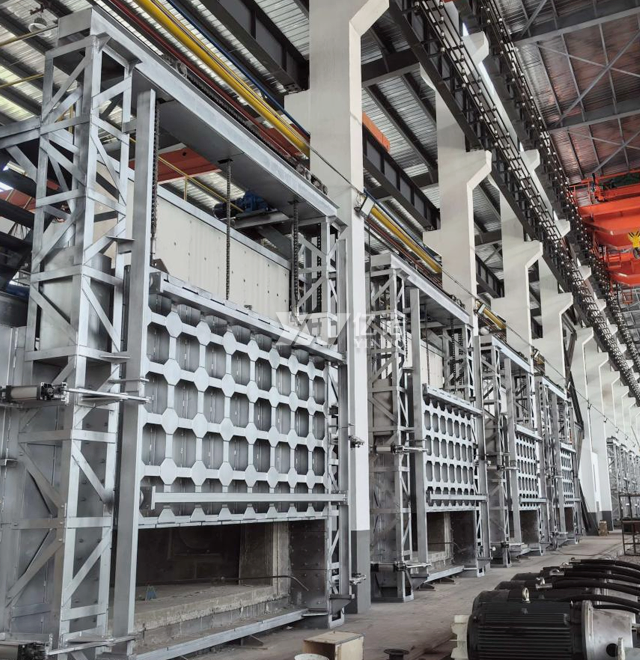
Foundries and forging shops, when they acquire new heating equipment, generally ask the same practical question: what metals will the machine truly work well with? It’s an electric induction forge, which answers that question better than other furnace types, since it warms the metal itself, rather than the air surrounding it. This means steel, iron, copper, aluminum, and many alloys can all be heated up fast and with very little wastage. This article covers how an electric induction forge works, which ferrous and non-ferrous metals work best, what kind of performance you can anticipate in terms of capacity and cycle time, and how to find a provider that can adjust the equipment to your production demands.
How an Electric Induction Forge Heats Metal
Direct Heating Inside the Material
The key characteristic of an electric induction forge is that the heat is created inside the metal itself, rather than being conducted from an external flame or heating device. The alternating current passing through the copper coil generates a fluctuating magnetic field which causes eddy currents in the charge. The metal opposes these currents, and the opposition creates heat directly in the substance. There is no external heat transfer step; thus, very little energy is wasted on the route to the workpiece. This directness is why an electric induction forge achieves working temperature rapidly, shortens the melting cycle, and increases hourly production relative to fuel-fired alternatives that need to pump heat to their own chambers first.
Temperature Range for Ferrous and Non-Ferrous Metals
An electric induction forge is available in a broad temperature window, which is what makes it ideal for such various materials. For ferrous metals such as steel and iron, the maximum melting temperature may reach 1600-1800℃, adequate for most carbon steels, alloy steels, and castings. The operating range is 800 to 1200℃ for nonferrous metals such as copper and aluminum alloys. So one kind of equipment platform may be used for a foundry that pours numerous materials, but each furnace is usually sized and operated for its primary metal. A critical component of properly configuring an electric induction forge is matching power arrangement and coil design to the intended temperature.
Closed Furnace Design and Low Burning Loss
Induction heating occurs in the sealed body of the furnace. The surface temperature of the molten metal is relatively low. This has a direct cost impact, since oxidation burning loss in steel, copper, and aluminum is much lower than in gas-fired furnaces. Every kilogram of metal that doesn't convert to slag or dross is a kilogram you don't have to purchase again. Savings on raw material may be substantial throughout a year of manufacturing, particularly for aluminum and copper, which are costly and are subject to oxidation. So an electric induction forge also preserves your metal yield and your cleanliness. There are no combustion by-products entering the melt.
Which Metals Suit an Electric Induction Forge Best
Steel and Iron Applications
Traditionally, the electric induction forge has been strong in steel and iron. Carbon steel, alloy steel and different types of cast iron all react well to the quick, controlled heating that induction gives . The magnetic stirring action helps to mix the melt naturally, and alloying materials are equally distributed, helping to generate consistent chemistry from heat to heat. Rated capacities vary from 0.1 t to 50 t, so both a small specialist shop and a big steel casting facility may have a proper capacity. An electric induction forge also allows you reliable temperature control at the upper end of the spectrum for ferrous work, which is vital for tapping into molds for critical castings.
Copper and Copper Alloys
Copper, brass and bronze are expensive, and oxidation swiftly eats away at earnings. An electric induction forge is particularly suited to these materials since it melts them in a controlled atmosphere with low surface exposure. Fast melting lowers the period of the metal contact with high temperature and so prevents the oxidation and absorption of undesired gases. Accurate temperature holding in the non-ferrous range of 800-1200℃, with constant pouring conditions. An electric induction forge produces clean melts and predictable quality for foundries manufacturing valves, fittings, electrical components, or ornamental castings. The minimal burning loss keeps metal prices under control.
Aluminum and Other Alloy Materials
Aluminum melts at a significantly lower temperature than steel, but is particularly susceptible to oxidation and hydrogen absorption, which may result in porosity in the completed casting. An electric induction forge helps to heat fast and uniformly, and to keep the surface temperature of the molten metal low. With precise, stepless power adjustment, the bath temperature may be maintained at the exact correct temperature without overheating. The same flexibility is available for other alloy materials where the heating curves and power settings may be adapted to the unique composition. Custom models may also be provided, so if your alloy has peculiar needs, an electric induction forge can be developed around them.
Performance and Efficiency of an Electric Induction Forge
Melting Capacity and Cycle Time
If a furnace suits your manufacturing schedule depends on speed and capacity. Our electric induction forge is rated to melt from 0.1 t up to 50 t, for anything from a laboratory batch to a high industrial heat. Except for the furnace tonnage and the kind of metal, a single melting cycle takes between 20 and 60 minutes. Hourly production is determined by furnace capacity and power arrangement, and hence may be scheduled to suit your casting or forging operation. An electric induction forge may increase the number of heats each shift, which enhances productivity without increasing floor space or manpower. Induction heating shortens charging, melting, and tapping time.
Temperature Control and Melt Quality
One of the most essential variables in decreasing casting flaws is consistent molten metal temperature. An electric induction forge allows for real-time temperature monitoring, with the option of infrared thermometers for reliable readings. The stepless power adjustment maintains a uniform temperature of the metal. This helps avoid flaws such as porosity and shrinkage cavities. Operators may depend on the temperature information and make smooth power adjustments, which reduces scrap rates and makes the pouring process more repeatable. This level of control is a realistic need for those clients who need verified quality on essential items and is one of the greatest justifications for going with an electric induction forge.
Flexible Metal Charging Methods
Safety, speed, and labor cost are affected by loading metal into the furnace. Our electric induction forge may be equipped with manual feed, overhead crane feed, or automated skip feed. Manual feeding applies to small furnaces and low-volume activity. Overhead cranes are used for medium and large facilities handling heavy scrap or ingots. Automatic skip feeding is for high-throughput manufacturing when uniformity and worker safety are the major concerns. The appropriate charging strategy may decrease the waiting time between heats and keep the melting cycle short. A good-fit electric induction forge for your material handling equipment will be running closer to its rated output every day.
Choosing the Right Supplier for Your Electric Induction Forge
Customization Around Your Production Needs
There is no single answer for all . Varied metals, varied batch sizes, and different plant layouts need different furnace designs. We may customize to client needs in terms of capacity, power configuration, charging method, and monitoring options. If your business melts steel in the morning and aluminum in the afternoon, or requires a special tapping arrangement, our experts can construct the electric induction forge appropriately. If you can tell us about your metals, intended production, and available space early in the conversation, we can propose something more accurately and prevent expensive revisions later on. By means of customization, a generic machine becomes a reliable production tool.
Complete Service from Design to Production
Buying equipment is merely the first step. How well it operates depends on how it's installed and commissioned. We are an industrial and commercial integration firm, with the ability to design and our own installation and commissioning specialists. We offer a full range of services from design to real manufacturing. We also have extensive export expertise and overseas building knowledge, which is very useful for international projects. Pricing is clear, and communication is swift since you deal directly with the team that creates your electric induction forge, and there are no intermediaries earning a profit off the price difference.
Quality Assurance and Compliance
Quality control is the basis of reliable equipment. Our methods evaluate performance and material integrity at every level, and our inspection department confirms compliance with national and industry quality criteria before shipping, with documented traceability for key applications. The metals produced are tested by processes such as hardness mapping, impact testing, and microstructural analysis to ensure they fulfill exacting criteria. When comparing providers for an electric induction forge, ask what inspection records you will get and how they are recorded. Thorough verification is the surest method to preserve your investment and your reputation.
Conclusion
An electric induction forge warms steel, iron, copper, aluminum, and many alloys very well because it creates the heat within the metal. With melting cycles from 20–60 minutes and minimal burning loss, it has capacities from 0.1 t to 50 t, and increases production, melt quality, and raw material savings. Precise temperature control avoids casting flaws. Flexible feeding options for various plants. It is important to choose an integrated provider that provides customization, installation, and quality verification without the use of intermediaries. This ensures that the equipment delivers its full value from the first day of production.
FAQ
1. What metals can an electric induction forge melt?
It can melt steel, iron, copper, aluminum, and a wide range of alloy materials. Ferrous metals reach 1600–1800℃, while non-ferrous metals are melted at 800–1200℃.
2. What capacity range is available?
Rated melting capacity runs from 0.1 t to 50 t, and customized models can be built for special requirements.
3. How long does one melting cycle take?
A single cycle typically lasts 20–60 minutes, depending on the metal type and the furnace tonnage.
4. Why is burning loss lower than in gas-fired furnaces?
Induction heating happens in a closed furnace body and keeps the molten metal surface temperature low, so oxidation losses of steel, copper, and aluminum are much smaller.
5. How can the furnace be charged?
You can choose manual feeding, overhead crane feeding, or automatic skip feeding, depending on your furnace size and production volume.
Ready to Upgrade Your Melting Process? Contact Us Today
If you are considering an electric induction forge for your foundry or forging shop, our engineers are ready to help you choose the right capacity, power, and charging system. JIANGSU YINUO THERMAL ENERGY TECHNOLOGY CO., LTD provides complete solutions from design to production, with direct pricing and proven export experience. Tell us which metals you melt and how much you need to produce each hour, and we will prepare a tailored recommendation. Email us at info@yinuofurnaces.com to request a quotation or technical consultation today.
References
1. Rudnev, V., Loveless, D., Cook, R., & Black, M. (2017). Handbook of Induction Heating (2nd ed.). CRC Press.
2. Davies, J., & Simpson, P. (1979). Induction Heating Handbook. McGraw-Hill.
3. Campbell, J. (2015). Complete Casting Handbook: Metal Casting Processes, Metallurgy, Techniques and Design (2nd ed.). Butterworth-Heinemann.
4. Kalpakjian, S., & Schmid, S. R. (2013). Manufacturing Engineering and Technology (7th ed.). Pearson.
5. Lupi, S. (2017). Fundamentals of Electroheat: Electrical Technologies for Process Heating. Springer.
6. Brooks, G. F., & Dillon, R. (2010). Foundry Technology and Practice. American Foundry Society.